


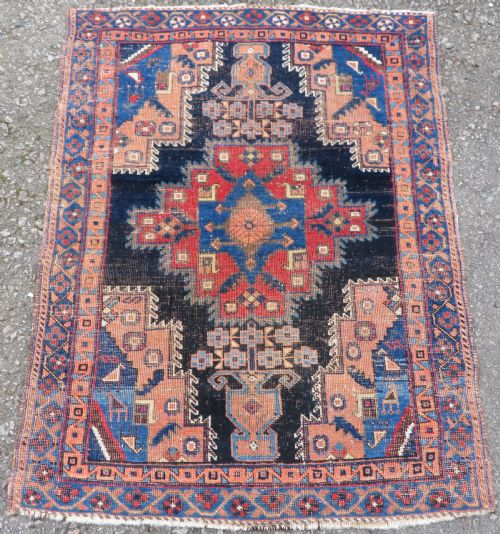


Small Wool Floor Rug
A small wool floor rug brings warmth and enduring pattern to a room, offering historic character woven into a manageable footprint.
Small Wool Floor Rug
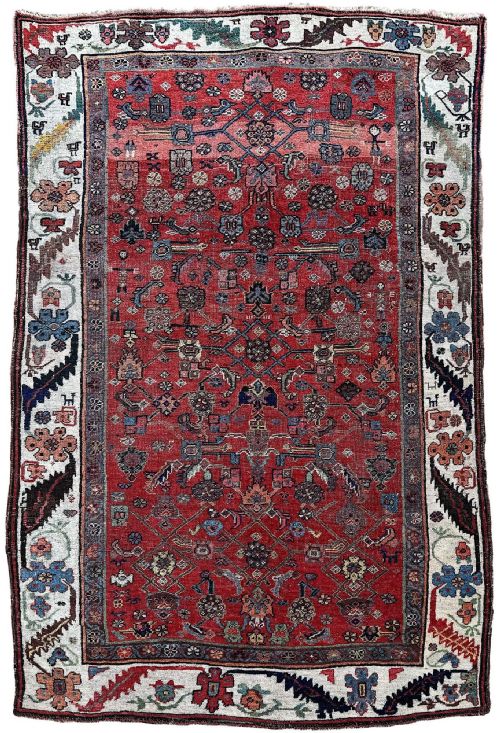
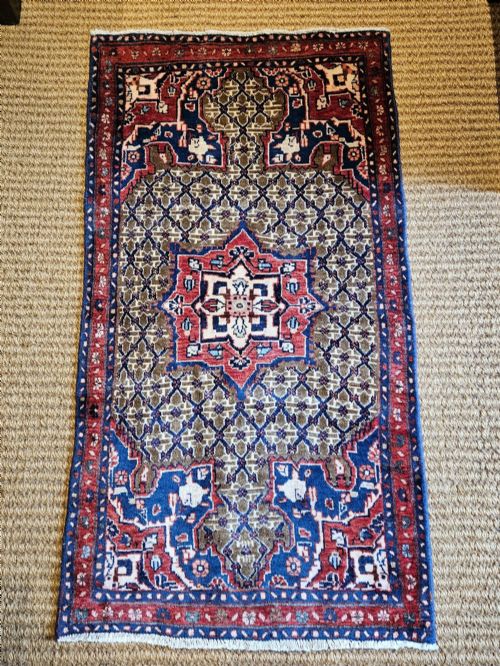
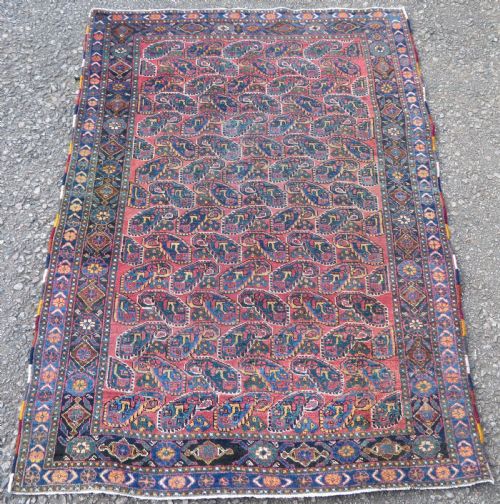
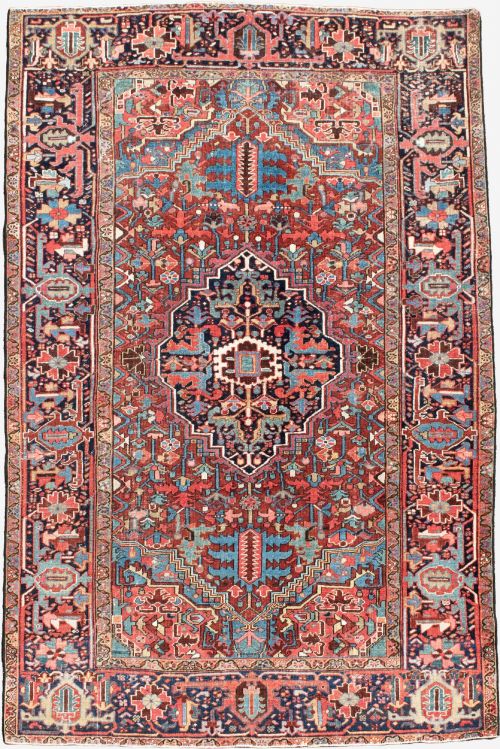
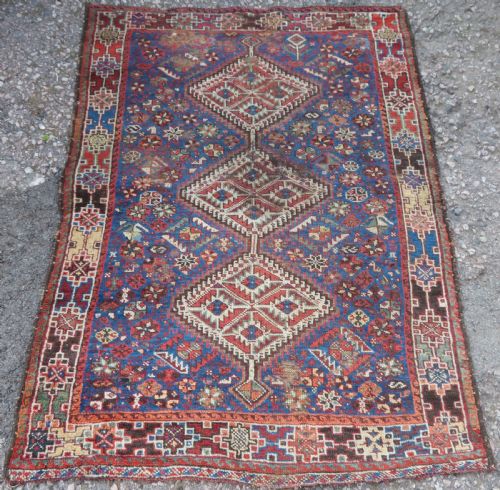
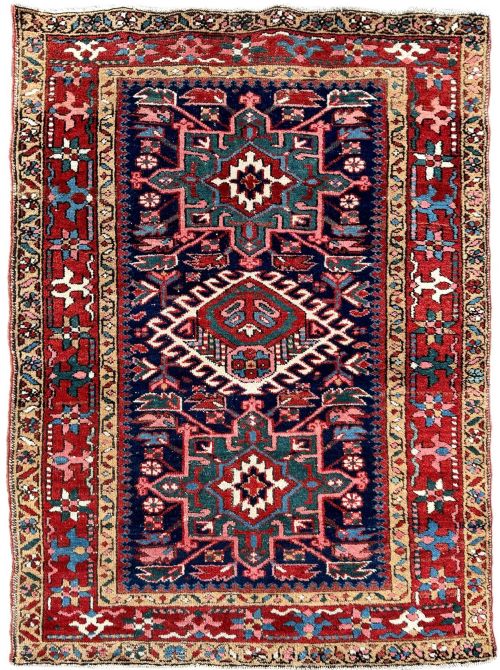
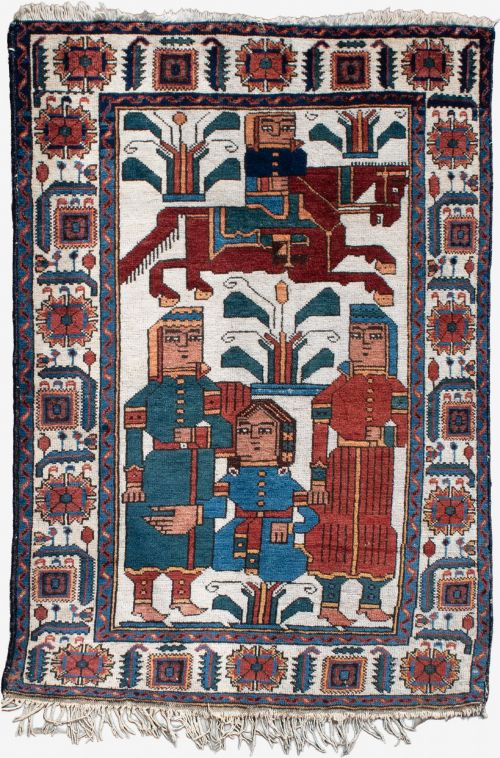
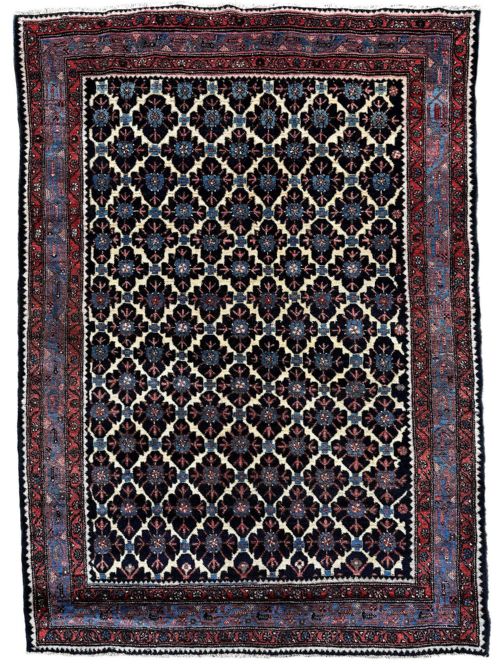
A small wool floor rug encompasses room-sized carpets and hearth rugs originating mainly from Persian, Caucasian, Turkish, and Inner Asian traditions. The pieces span periods from the late nineteenth century through to the interwar decades of the twentieth century, reflecting diverse regional weaving practices.
Buyers will encounter tribal and village formats, including specific styles such as Heriz, Bidjar, Baluch, Afshar, and Oushak. These floor coverings bridge the functional need for textile warmth with distinct cultural designs executed in wool and cotton foundations.
How they were made
Weavers constructed these textiles using wool for the surface pile and foundation yarns, frequently paired with cotton for structural warps and wefts. Natural dyes provided the colour palette, yielding stable hues that soften gradually over decades of exposure and use.
Hand-knotting techniques varied by region, resulting in differing pile densities and handling weights across tribal and village workshops. Village weavers worked from memory or localized traditions, producing asymmetrical knotting structures unique to their specific origin.
Listings feature pieces spanning from the late nineteenth century up to the 1930s, utilising wool, cotton, and natural dyes.
What varies in quality
Quality rests in the density of the knotting and the handled suppleness of the wool foundation. Tighter packing yields a resilient pile that withstands foot traffic while maintaining crispness in the geometric or floral motifs.
The nuance and depth of the natural dyes separate standard examples from superior ones. Variations in saturation and the harmonious balance of secondary tones reflect the skill of the dyer and the purity of the materials utilised.
The Small Wool Floor Rug Glossary
- Pile
- The cut or uncut loops of yarn that form the usable surface of the rug. This upper layer absorbs wear and displays the woven design.
- Warp
- The vertical threads stretched lengthwise on the loom that carry the structural tension of the textile. Weft threads are then interlaced across these foundational strands.
- Medallion
- A central ornamental motif positioned in the middle of the field. Many traditional village designs anchor their spatial composition around this focal element.
- Prayer rug
- A small format textile featuring a mihrab or arch design indicating a niche. These pieces traditionally served personal devotional use.
- Natural dyes
- Colourants derived from plant, insect, or mineral sources prior to the widespread adoption of synthetic aniline dyes. These materials produce complex, fading patinas over time.
Small Wool Floor Rug: Frequently Asked Questions
Where should I place a small wool floor rug?
These pieces suit low-to-moderate traffic areas such as reading corners, bedside positions, or hearthsides where their dimensions can be fully appreciated.
Avoid damp environments to protect the natural wool fibres and cotton foundations from moisture accumulation.
How do I clean a vintage wool rug?
Gentle surface brushing and regular light vacuuming without a beater bar help remove embedded dust without stressing the historic knots.
Professional textile conservators should handle wet cleaning to prevent dye migration and shrinkage in natural materials.
How can I tell a tribal rug from a village rug?
Tribal rugs typically feature geometric memory-based patterns reflecting nomadic or pastoral origins with heavier wool textures.
Village pieces often display structured medallions and finer symmetry produced by settled weavers working within established regional cooperatives.
Why do antique rugs show colour variations?
Natural dye batches varied according to seasonal plant harvests and local water chemistry, creating subtle shifts known as abrash across the field.
Uneven exposure to sunlight over decades also alters individual dyestuffs at different rates, contributing to a softer patina.