
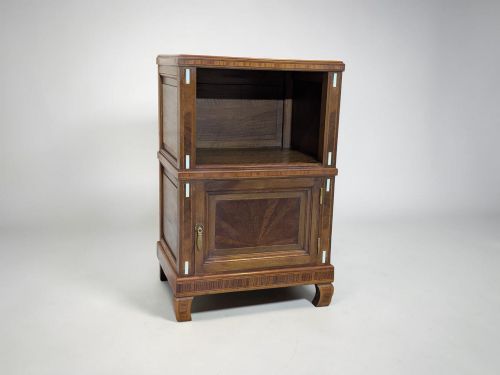
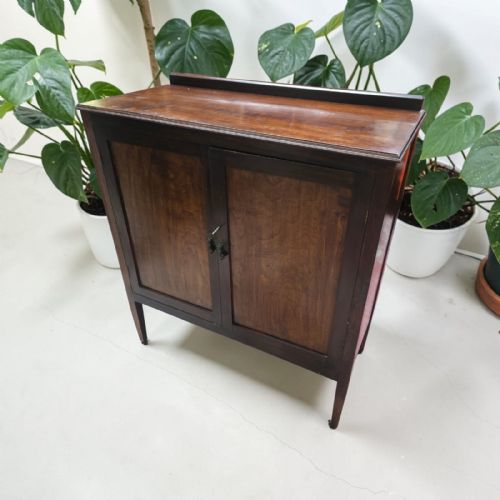
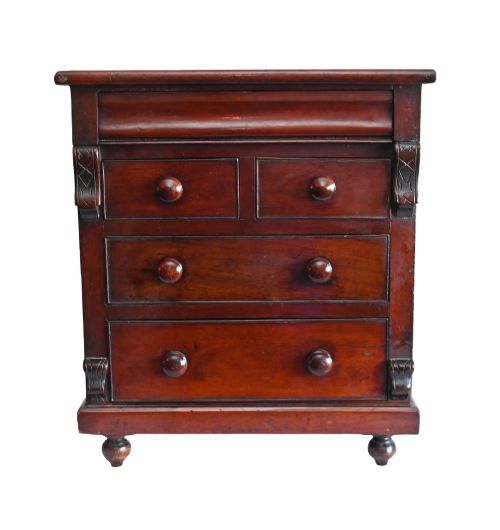
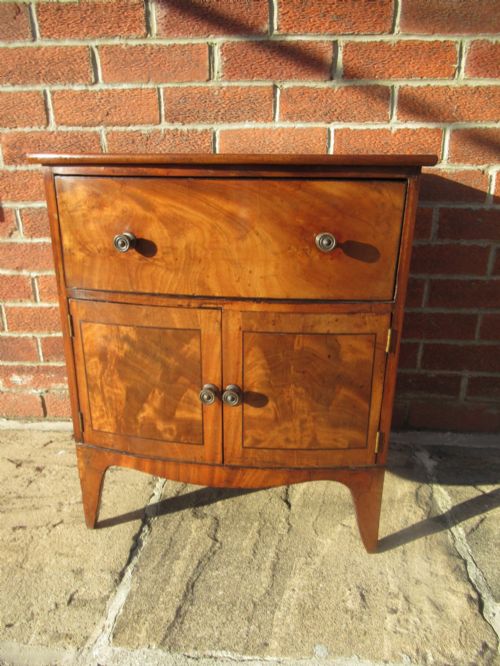
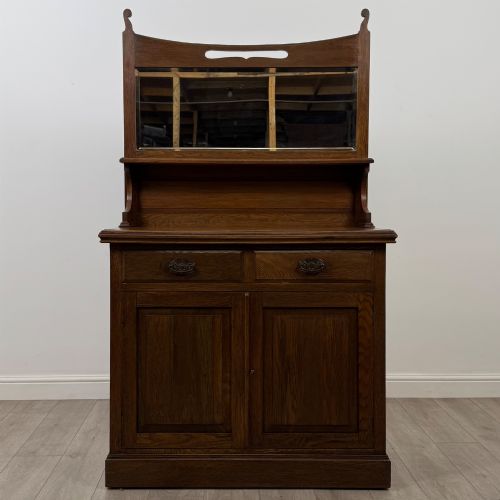
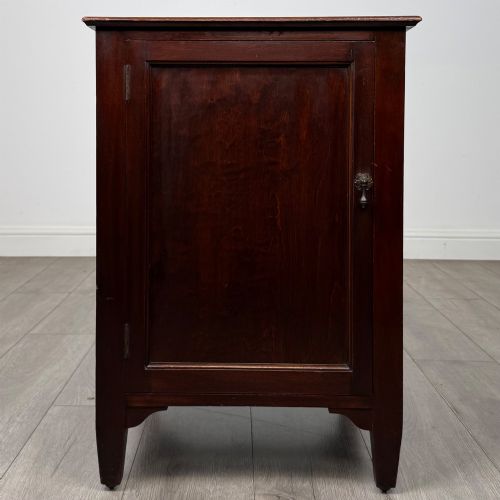
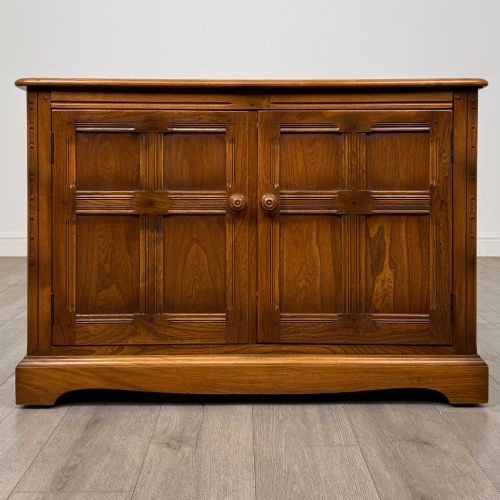
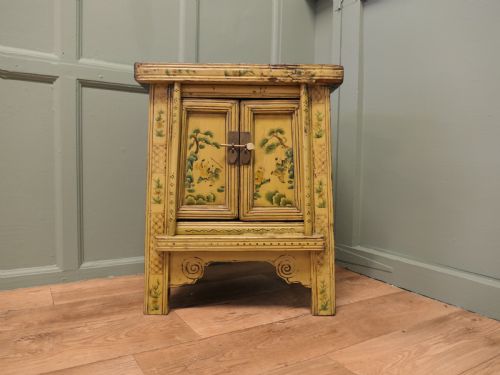
Small Wooden Storage Cabinet
A small wooden storage cabinet brings neat order to a room, offering compact drawers, cupboards, and compartments built to hold daily belongings.
Small Wooden Storage Cabinet
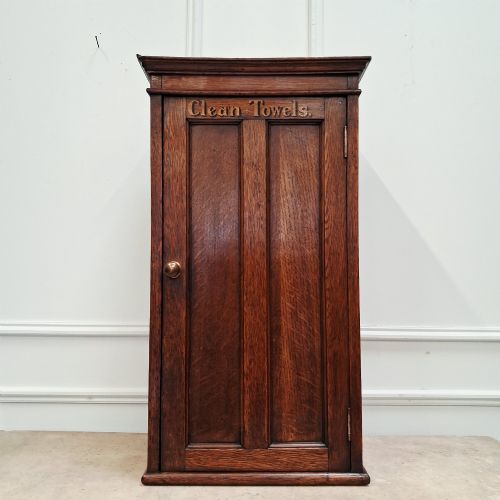
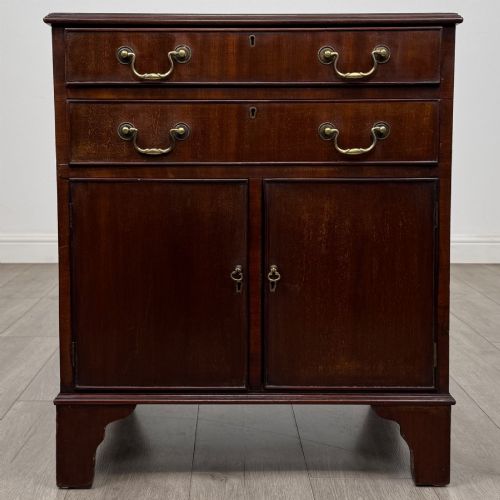
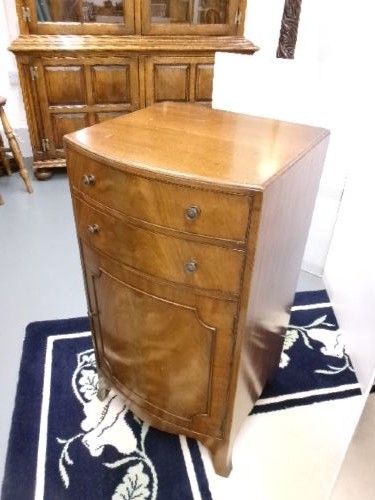
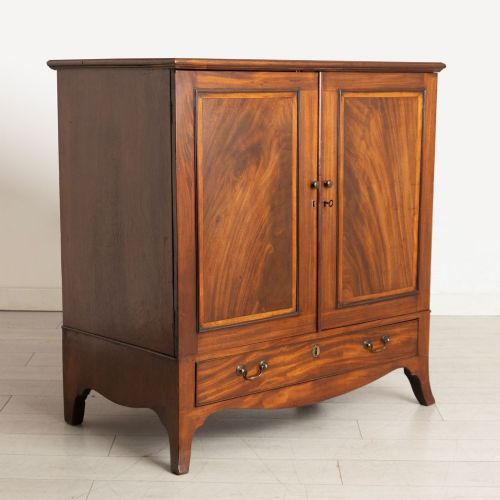
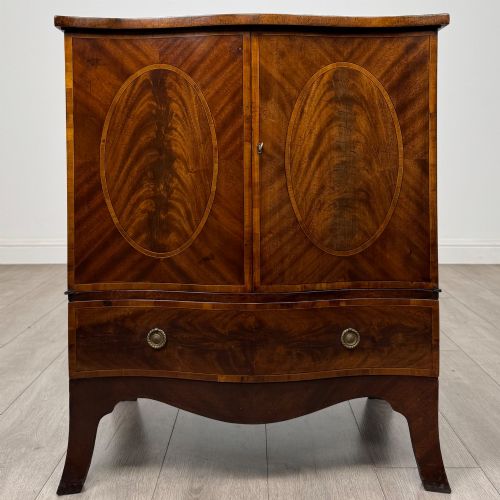
When searching for a small wooden storage cabinet, buyers encounter a diverse selection of antique and vintage pieces designed for domestic utility. The inventory spans from 18th-century Georgian designs to Edwardian and Art Deco pieces from the 20th century.
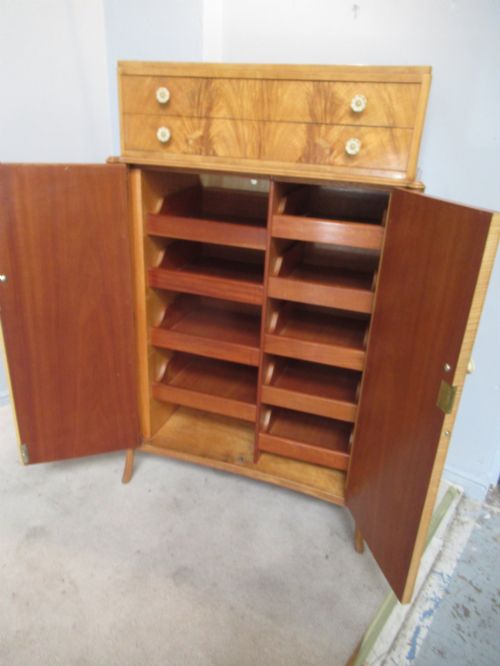
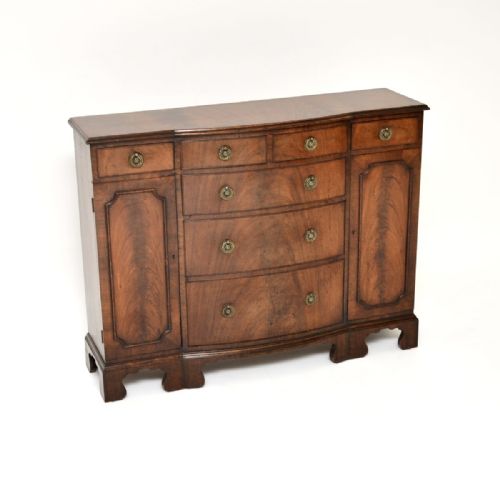
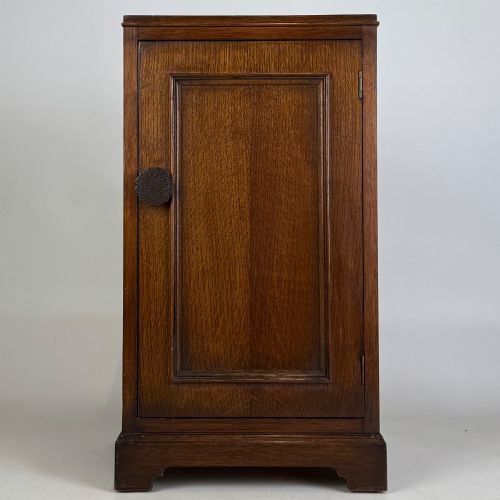
The physical forms vary considerably based on original function, ranging from bedside cabinets and low cupboards to multi-drawer apothecary chests and miniature tabletop chests of drawers. Mahogany, oak, walnut, and pine serve as the primary woods shaping these compact storage units.
Buyers are most likely to meet Edwardian and 19th-century oak or mahogany cupboards and small chests of drawers on this page. These pieces reflect the prevailing domestic requirements of their respective periods, offering functional compartments within modest proportions.
Materials and construction methods
Cabinet makers utilised solid timbers and veneers, selecting oak, mahogany, walnut, satinwood, and pine for their structural and visual properties. Brass hardware, handles, and occasional inlay details complemented the primary wooden carcases.
Construction techniques relied on traditional joinery suitable for domestic furniture, creating stable frames for doors and smooth-running tracks for banks of small drawers. Surfaces received polish, paint, or decorative finishes such as chinoiserie and inlay work.
Among the storage options, specialised doctor's smoking cabinets and sheet music cabinets cater to very specific Victorian and Edwardian pastimes.
Factors determining the grade of a piece
The standard of timber selection and the precision of the joinery define the upper tier of these storage pieces. Selected grain patterns in mahogany or walnut and well-fitted drawer banks demonstrate superior workshop execution.
Subtlety in decorative details, such as inlaid brass, satinwood banding, or carved linenfold panels, separates standard utility items from finer domestic furnishings. The integrity of original drawer linings and brass fittings maintains the internal coherence of the piece.
Gomme·Luxmore's of Ilfracombe
The Small Wooden Storage Cabinet Glossary
- Campaign style
- Furniture constructed with inset brass handles and reinforced corners designed for portable military travel. These pieces offer robust construction and compact storage.
- Chinoiserie
- European decorative style imitating Chinese artistic traditions, often executed in raised lacquer or painted designs. This finish appears on selected 19th-century cabinets.
- Linenfold
- Carved wood panel moulding resembling folded cloth, commonly utilised on Tudor and revival oak cupboard doors. It provides texture to flat wooden surfaces.
- Serpentine
- A gently curved front line on a chest of drawers or cabinet, flowing inward and outward. This shaping requires advanced woodworking skill.
- Bow front
- A convex, outwardly curved front profile found on chests of drawers and sideboards. This design softens the rectangular geometry of storage furniture.
Small Wooden Storage Cabinet: Frequently Asked Questions
What rooms suit a small wooden storage cabinet?
These compact pieces fit easily into bedrooms, hallways, or studies where floor space is limited. Their small proportions allow them to function as bedside tables or auxiliary storage without dominating a room.
Larger variations serve effectively in living areas for organising media or stationery, while specialised multi-drawer cabinets accommodate collections or office supplies.
How do I distinguish Edwardian pieces from Georgian ones?
Georgian pieces, dating from the 18th century and its early revival, often display heavier proportions in solid oak or rich mahogany with restrained classical lines. Edwardian furniture from the early 20th century frequently incorporates lighter satinwood inlay, varied pine carcases, and machine-assisted precision.
Examining the internal drawer construction and secondary woods helps clarify the manufacturing era of the cabinet.
Were apothecary cabinets used in homes?
Apothecary and chemist cabinets were originally built for professional pharmacies and surgeries to organise botanical ingredients, powders, and medical instruments in numerous small drawers. Over time, many migrated into domestic spaces as collectors repurposed them for small household items.
Their dense grid of drawers provides exceptional compartmentalisation for modern desk storage.
How should I care for antique wood storage furniture?
Maintenance involves keeping wooden surfaces away from direct heat sources and strong sunlight to prevent the timber and veneers from drying out. Occasional application of appropriate wax polish maintains the lustre of the finish.
Ensuring stable indoor humidity protects the traditional joinery and keeps drawer mechanisms operating smoothly.