




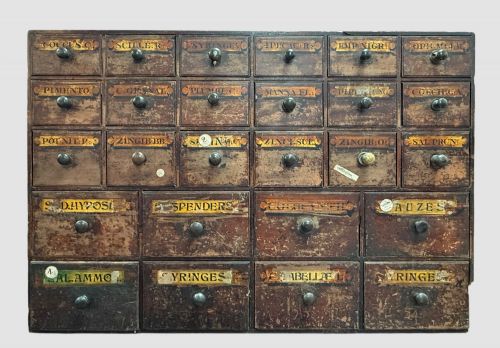
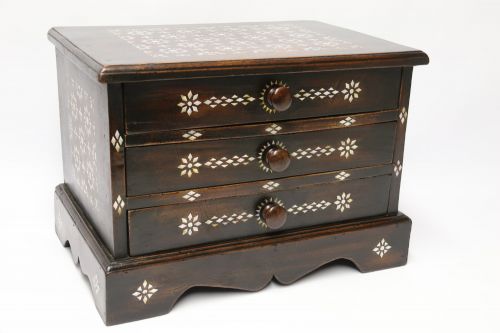
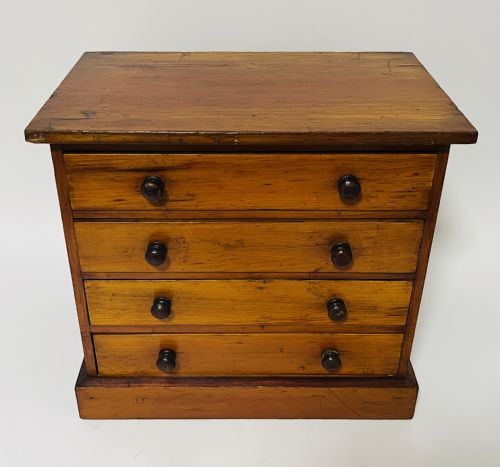
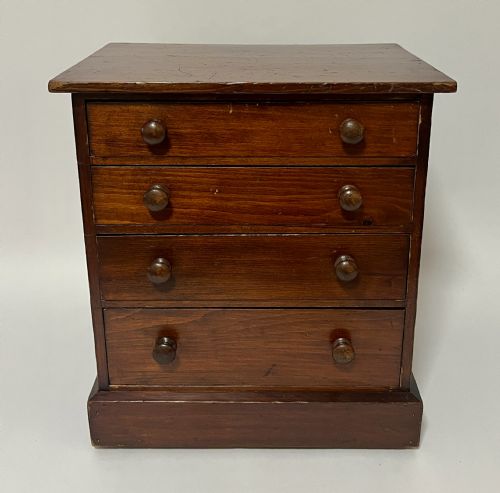
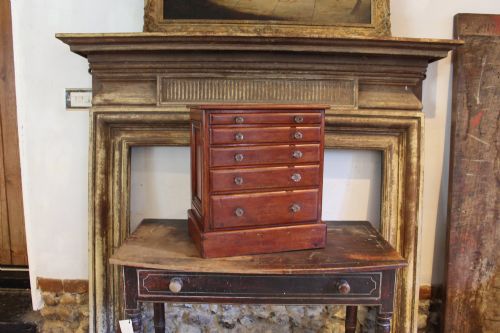
Small Wooden Specimen Cabinet
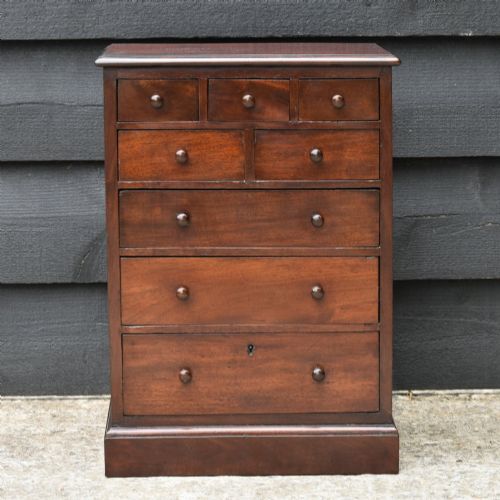
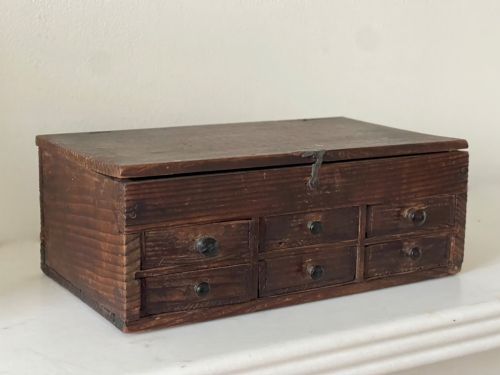
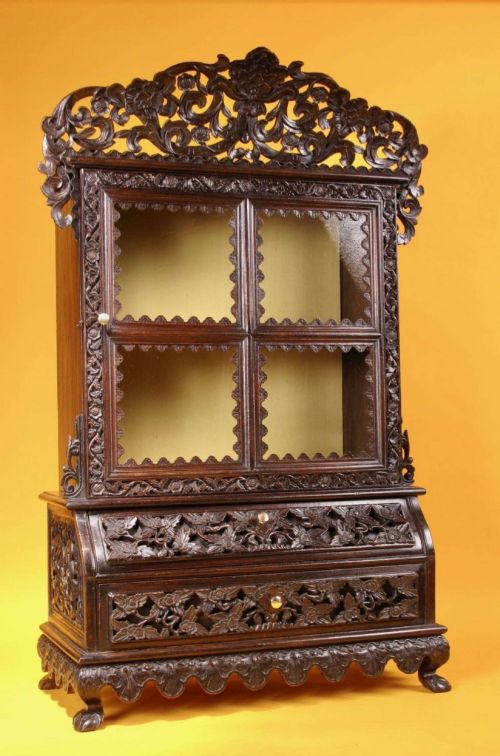
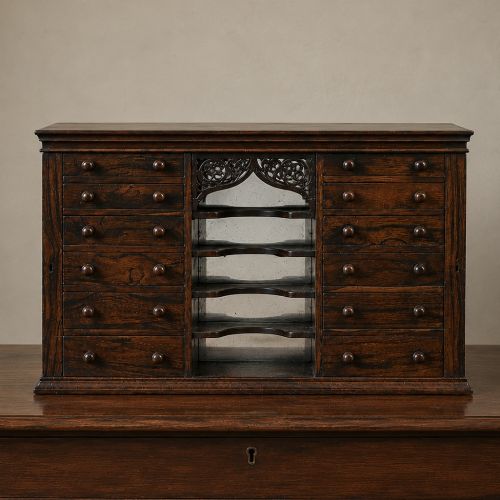
A small wooden specimen cabinet organises tiny treasures, fossils and curiosities in multiple shallow drawers designed for close study.
Small Wooden Specimen Cabinet
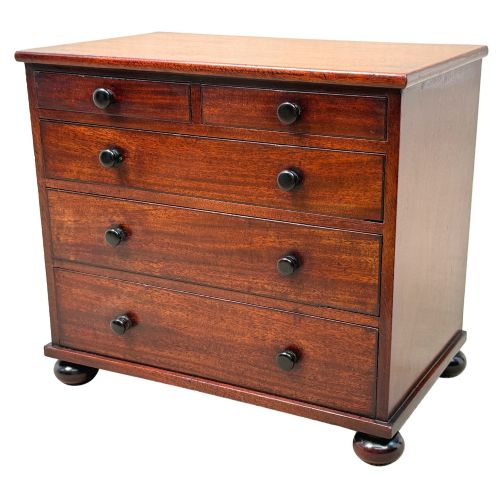
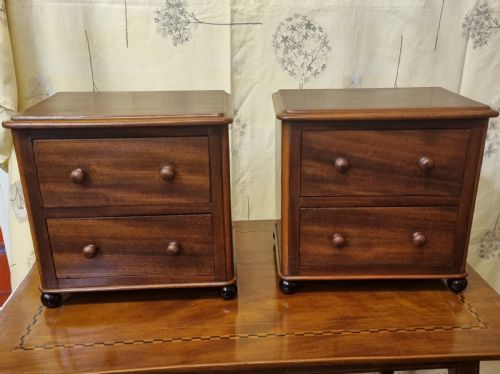
A small wooden specimen cabinet serves to house natural history samples, medals and small antiques in compact drawer arrangements. When you search for this phrase, you encounter table top chests, miniature Wellington chests and desktop cases originating from the Georgian period through to the 1920s.
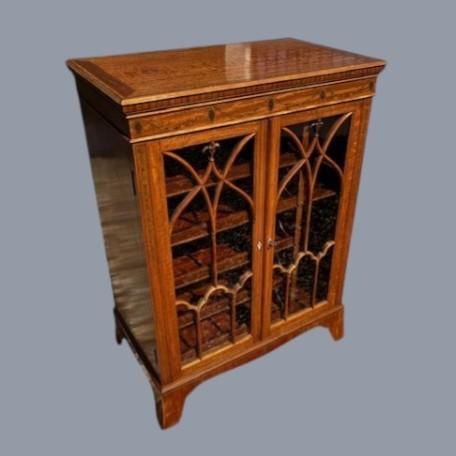
Victorian and nineteenth-century examples dominate the selection, often taking the form of multi-drawer banks or glazed display cases. Makers built these pieces for apothecaries, watchmakers and collectors who needed secure storage for delicate items.
Materials and Construction
Cabinet makers utilised dense hardwoods such as mahogany, walnut, oak and rosewood alongside softer timbers like pine and deal. They frequently incorporated brass handles, campaign mounts and glass doors to protect the contents while allowing clear visibility.
Joinery methods included precision framing for numerous small drawers, sometimes enhanced with marquetry inlay, satinwood banding or brass stringing. Stained finishes and polished surfaces preserved the grain of walnut, amboyna and mahogany.
Small Wooden Specimen Cabinet Retail Price Guide 2026
Typical asking prices for small wooden specimen cabinet among the pieces listed under this phrase on Sellingantiques today, from the lower quarter to the upper quarter. They describe what is for sale here now, not the wider market.
Several medical carrying chests managed to survive centuries of clinical service without losing their tiny drawer pulls.
Evaluating Craftsmanship
Quality reveals itself in the precision of the drawer fit and the selection of timber veneers, such as burr walnut or figured mahogany. Superior pieces exhibit tight joints, matching wood grains across drawer fronts and original brass hardware.
The complexity of the interior configuration, including locking mechanisms with working keys and specialised partitions, separates standard utility chests from finer cabinetmaker output.
Luxmore's of Ilfracombe·D Napier and Sons
The Small Wooden Specimen Cabinet Glossary
- Wellington chest
- A tall, narrow chest of drawers secured by a hinged locking side bar that fastens over the drawer edges. This form originates from the nineteenth century.
- Apprentice piece
- A small scale item demonstrating a craftsman's skill to achieve master status. These miniature chests replicate full-sized furniture designs.
- Campaign style
- Portable furniture constructed for travel, typically featuring recessed brass handles and corner brackets. Cabinets in this style offer robust mobility.
- Marquetry
- Decorative woodwork where pieces of contrasting veneer form pictorial or geometric patterns on the surface. Cabinet makers applied this technique to satinwood and mahogany.
- Apothecary chest
- A multi-drawer cabinet originally utilised by chemists and doctors for storing medical ingredients. They frequently feature numerous small compartments.
Small Wooden Specimen Cabinet: Frequently Asked Questions
What did people store in small wooden specimen cabinets?
Collectors used these multi-drawer chests for natural history specimens, geological samples, insects and botanical collections. Watchmakers and apothecaries also utilised them for tiny components and medical remedies.
The shallow drawers kept delicate items separated and organised for easy examination without risking damage to fragile pieces.
How do I date a Victorian specimen cabinet?
Dating relies on timber choices, construction techniques and hardware styles typical of the nineteenth century. Mahogany and walnut indicate mid to late Victorian periods, while deal and stained pine often point towards the end of the century.
Secondary woods inside the drawers and the presence of dovetailing provide further clues to the manufacturing decade.
Are these cabinets suitable for modern tabletops?
Table top chests and desktop cases fit easily onto modern surfaces while providing practical storage for jewellery, stationery or small collections. Their compact proportions make them versatile additions to studies and living spaces.
The enclosed drawers protect modern contents from dust and light exposure just as they did for nineteenth-century curiosities.
What is the difference between a specimen cabinet and a miniature chest?
Specimen cabinets feature numerous shallow drawers specifically partitioned for small items and collections. Miniature chests generally replicate standard domestic furniture on a smaller scale with deeper drawers.
Apprentice pieces and child size Wellington chests fall into the miniature furniture category rather than serving as dedicated natural history storage.