



Small Wooden Frame
When hunting for a small wooden frame, you are looking at timber wall mirrors, miniature surrounds, and picture housings spanning the Georgian, Victorian, and Edwardian eras.
Small Wooden Frame
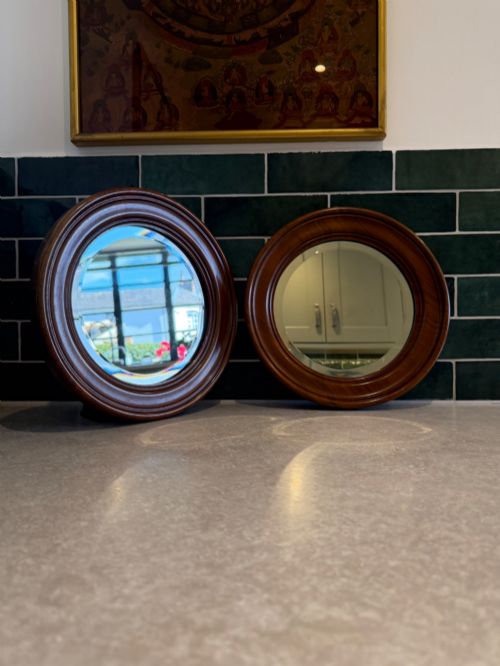
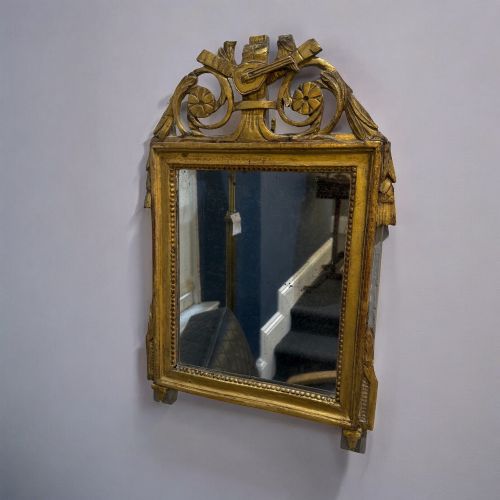
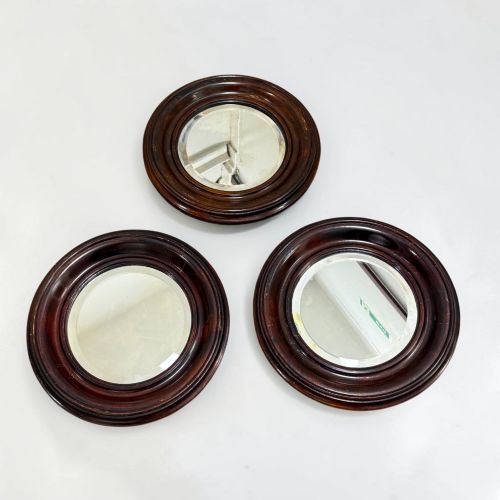
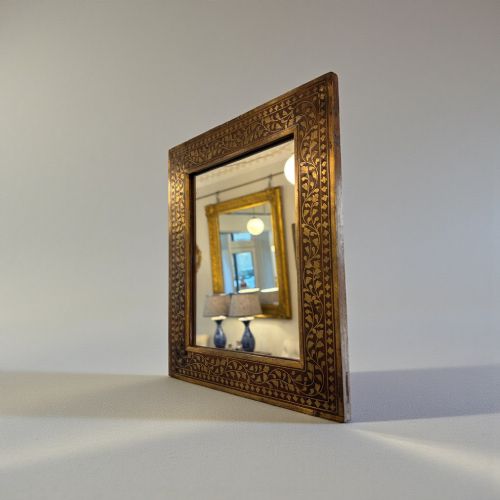
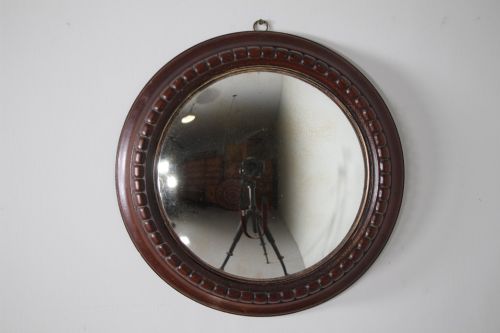
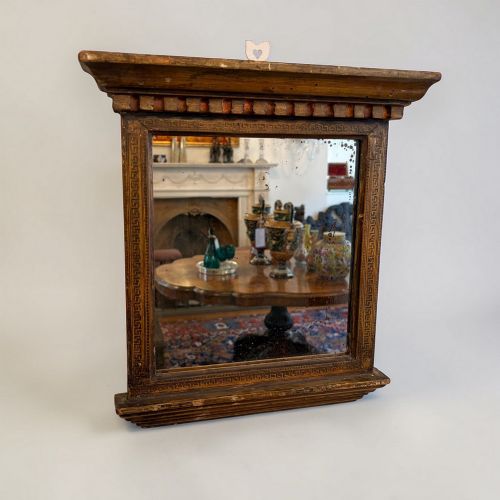
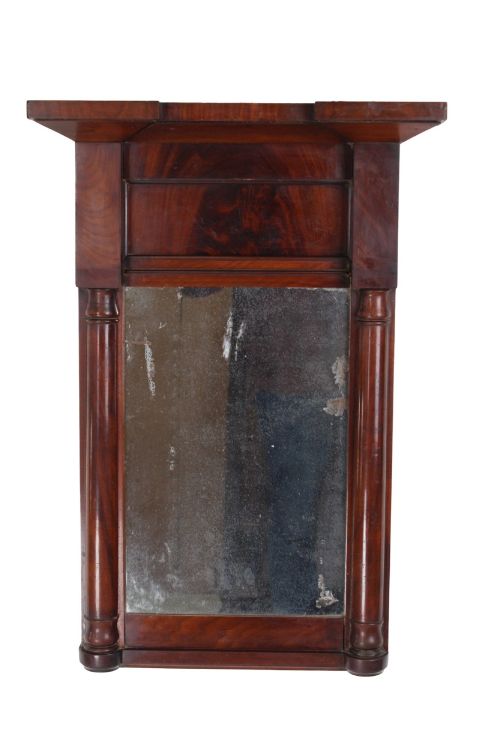
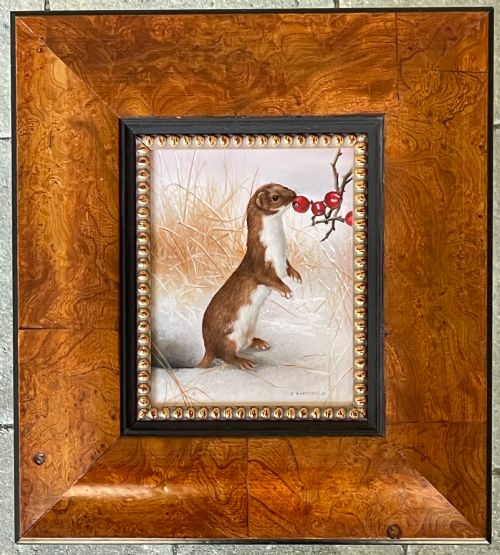
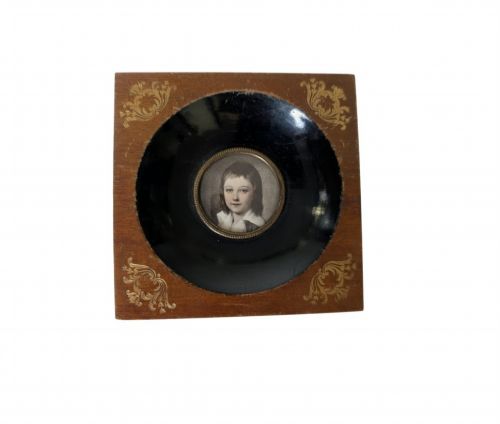
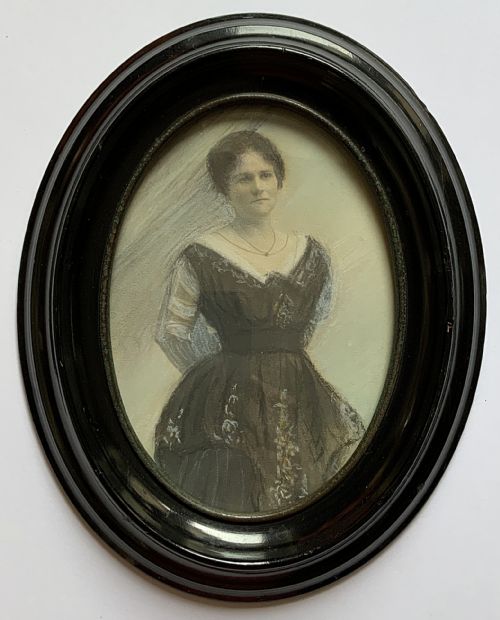
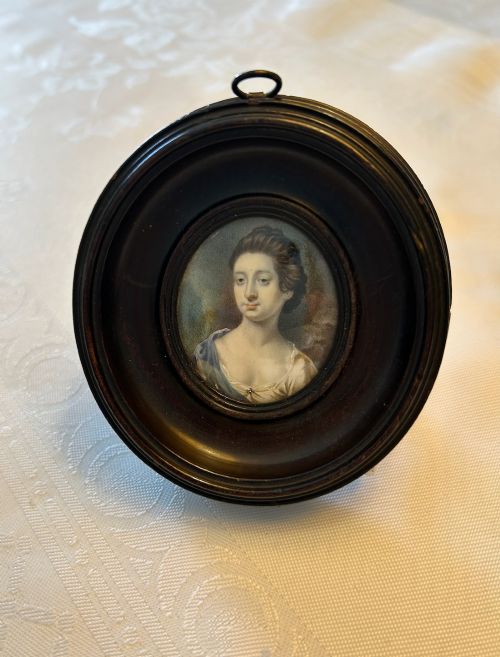
A small wooden frame on this page most frequently takes the form of a wall mirror, a convex looking glass, or an ebonised and giltwood housing for a portrait miniature or oil painting. These pieces emerge primarily from the Victorian and Edwardian periods, alongside earlier Regency and 19th-century examples.
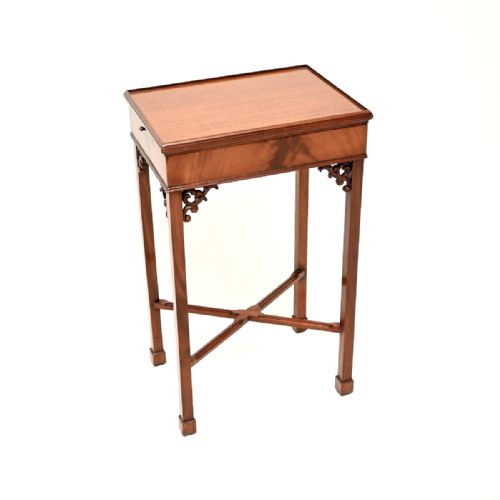
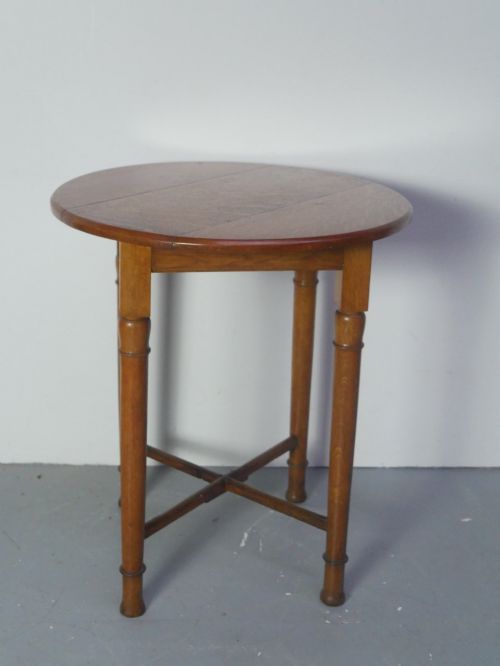
Beyond mirrors and picture surrounds, the selection incorporates timber enclosures adapted for specific domestic items, including small occasional furniture surrounds and bespoke housings derived from older chests or boxes.
The regional origins and stylistic influences span from British oak and mahogany workshops to Anglo-Indian brass inlay work and French-inspired painted or faux bamboo finishes.
How they were made
The construction relies heavily on traditional hardwoods such as mahogany, oak, walnut, and satinwood, frequently paired with applied gesso or gilding for decorative effect.
Joinery methods reflect the period of origin, utilising solid timber frames shaped with turned mouldings, convex glass installations, and intricate brass inlay or carved details.
Small Wooden Frame Retail Price Guide 2026
Typical asking prices for small wooden frame among the pieces listed under this phrase on Sellingantiques today, from the lower quarter to the upper quarter. They describe what is for sale here now, not the wider market.
Materials across the site's listings encompass oak, walnut, mahogany, satinwood, yew, brass, gesso, and mirror glass.
What varies in quality
The distinction between standard domestic pieces and superior examples rests on the crispness of the carving, the depth of the timber grain, and the authenticity of the period surface finish.
Fine craftsmanship shows in the precision of corner joints, the preservation of original mirror glass or backing materials, and the subtlety of decorative inlays like brass or contrasting woods.
Carl Whitfield·Purvis of London·Harrods
The Small Wooden Frame Glossary
- Convex mirror
- A round looking glass set within a curved frame that projects a wide, distorted reflection of the room. These forms became particularly popular during the Regency and Victorian eras.
- Giltwood
- Timber that has been coated with a thin layer of gold leaf over a prepared gesso base. This technique creates a bright, reflective surface characteristic of Neo-Classical and 19th-century frames.
- Ebonised
- Wood treated with a chemical stain or black finish to imitate expensive ebony. This finish was widely utilised on portrait miniature frames during the 18th and 19th centuries.
- Faux bamboo
- A decorative technique where solid wood is carved or turned to resemble the segmented stalks of bamboo. This style gained significant popularity during the Victorian period.
Small Wooden Frame: Frequently Asked Questions
How do I date a wooden frame?
Dating relies on examining the timber species, the construction joints at the corners, and the type of glass or backing used. Hardwoods like oak and mahogany indicate different regional traditions across the 19th and early 20th centuries.
Stylistic markers such as Neo-Classical motifs, faux bamboo turning, or brass inlay provide further clues to the decade of manufacture.
Are these frames meant for mirrors or pictures?
The listings include both functional wall mirrors and dedicated surrounds for oil paintings, watercolours, and portrait miniatures. Many smaller formats were specifically constructed to house miniature artworks.
Some items bridge the categories by combining original timber frames with period prints or paintings.
What is the difference between Victorian and Edwardian frames?
Victorian frames often display heavier ornamentation, dark walnut or mahogany tones, and occasionally elaborate gesso or faux bamboo carving. They lean towards formal, dense decorative schemes.
Edwardian examples tend to be lighter in appearance, frequently utilising bright oak or refined mahogany with simpler mouldings suited to more open domestic spaces.