





Small Wooden Folding Table
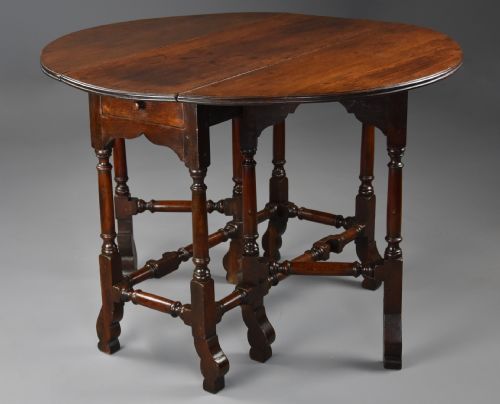
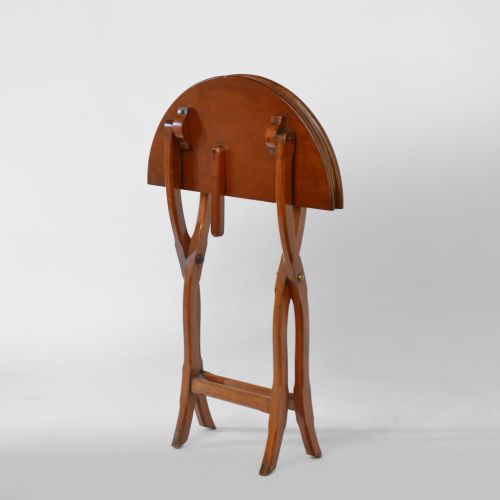
When you search for a small wooden folding table, you seek versatile antique folding, drop leaf, and gateleg furniture that saves space without sacrificing craftsmanship.
Small Wooden Folding Table
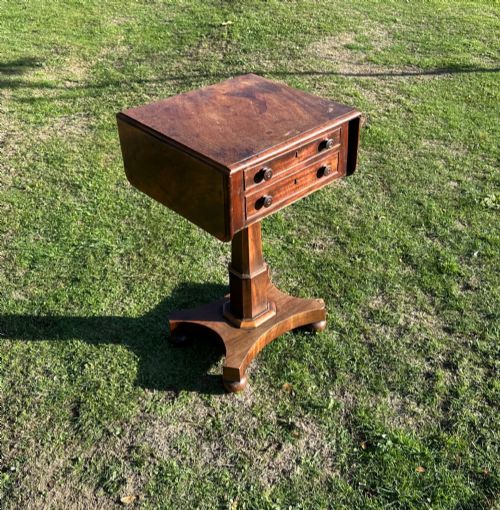
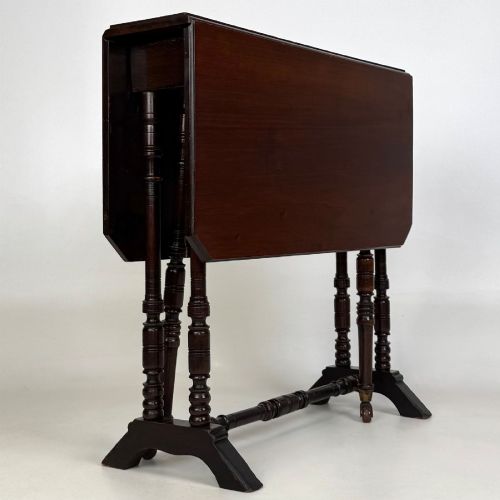
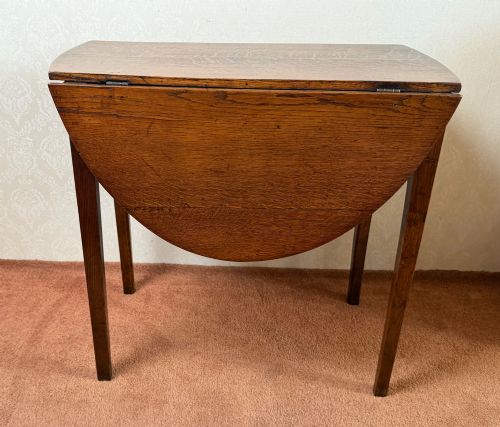
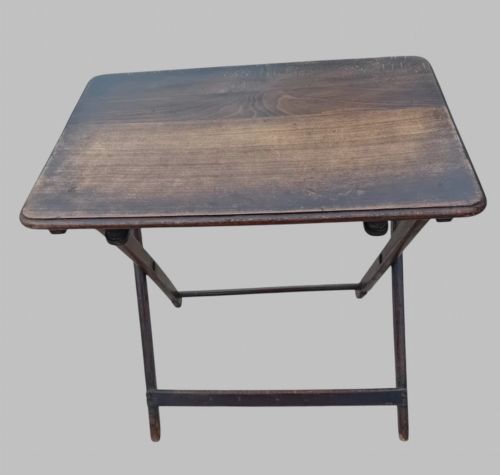
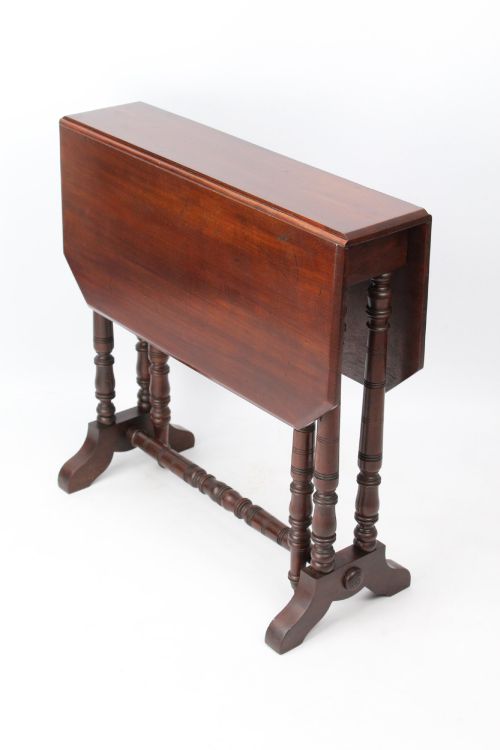
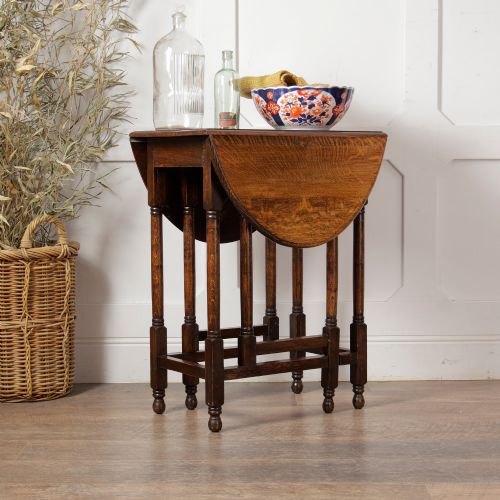
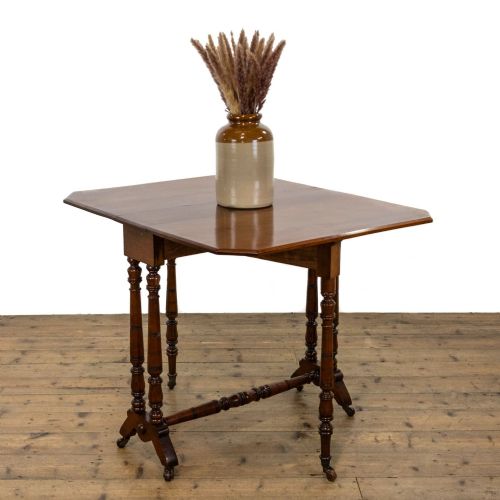
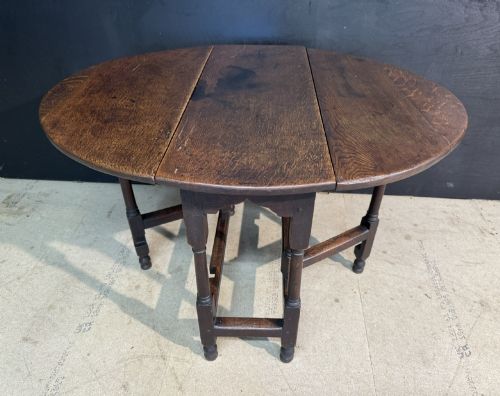
A small wooden folding table encompasses compact occasional furniture designed to fold, drop, or gateleg shut when not in active service. Buyers encountering this category typically find forms like Sutherland tables, Pembroke tables, and campaign tables originating from the Georgian, Victorian, and Edwardian periods.
The primary function of these pieces involves utilitarian adaptability in domestic spaces, shifting easily from side tables to small dining tables. Oak, mahogany, and walnut examples dominate the selection, spanning simple country gatelegs to intricately inlaid Edwardian specimens.
Materials and construction
Cabinet makers utilised dense hardwoods such as mahogany, oak, and walnut, selecting timbers with figured grains or rich natural patina. Structural stability relied on clever gateleg mechanisms, folding spider legs, and drop-flap hinges that allowed tops to collapse cleanly.
Surface decoration frequently incorporated brass fittings, bone inlay, satinwood stringing, and marquetry. These techniques ensured that folding and drop leaf surfaces remained robust through repeated transformation.
Small Wooden Folding Table Retail Price Guide 2026
Typical asking prices for small wooden folding table among the pieces listed under this phrase on Sellingantiques today, from the lower quarter to the upper quarter. They describe what is for sale here now, not the wider market.
Some ingenious Victorian tables managed to fold, drop, and lift simultaneously without losing their teacups.
Factors of quality
Quality rests in the precision of the folding mechanism and the rigidity of the frame when fully extended. Superior pieces display tight joinery, smooth hinge movement, and unwarped timber panels that align perfectly when dropped or folded.
The choice of raw material and secondary decoration elevates certain items above standard utility pieces. Finely figured mahogany, subtle marquetry, and well-preserved brass hardware distinguish exceptional examples from simpler domestic furniture.
The Small Wooden Folding Table Glossary
- Sutherland table
- A narrow drop-leaf table with exceptionally slender folding leaves supported by swinging gate legs. It was designed to occupy minimal floor space when closed.
- Gateleg table
- A table featuring hinged leaves supported by legs that swing outward like a gate. This design provides sturdy support for an extended top.
- Pembroke table
- A small occasional table featuring two hinged drop leaves on opposing sides. It often includes a small drawer and tapered legs.
- Campaign table
- Portable furniture constructed for military officers on the move. These pieces incorporate folding frames and collapsible elements for easy transport.
- Patina
- The surface sheen and mellow colour developed by aged wood through handling, polishing, and exposure to light over centuries.
Small Wooden Folding Table: Frequently Asked Questions
What is a Sutherland table?
A Sutherland table is a specific form of drop-leaf table featuring exceptionally narrow fixed centre sections and wide folding leaves. The leaves are supported by swinging gate legs that pivot outward.
Victorian and Edwardian makers favoured this design for sitting rooms where space was at a premium.
How do gateleg tables work?
Gateleg tables utilise hinged legs that swing away from the central frame to support the drop leaves when raised. When the leaves drop down, the legs fold back flush against the table structure.
This simple mechanical action allows a compact side table to transform into a dining surface.
Where were campaign tables used?
Campaign tables originated as portable furniture for British military officers during field campaigns. They were built to dismantle or fold flat into transport chests.
Today, these robust pieces function as practical folding tables in contemporary homes.
How do I date a wooden folding table?
Dating relies on observing timber choices, hardware materials, and stylistic details such as inlay work or leg turnings. Georgian pieces often show simpler structural lines, while Edwardian examples frequently feature satinwood stringing.
Construction marks and hinge types also provide clues to the manufacturing decade.