
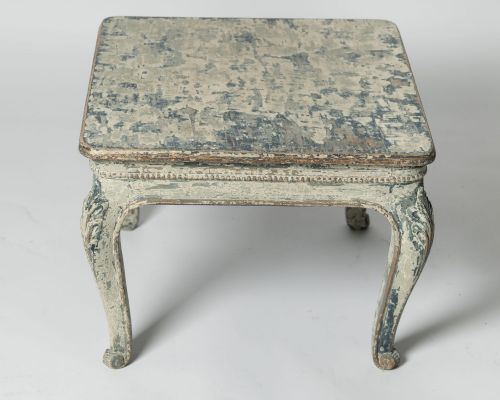


Small Wooden Coffee Table
A small wooden coffee table brings warmth and low-slung utility to a room, drawing on decades of period forms from the nineteenth and twentieth centuries.
Small Wooden Coffee Table
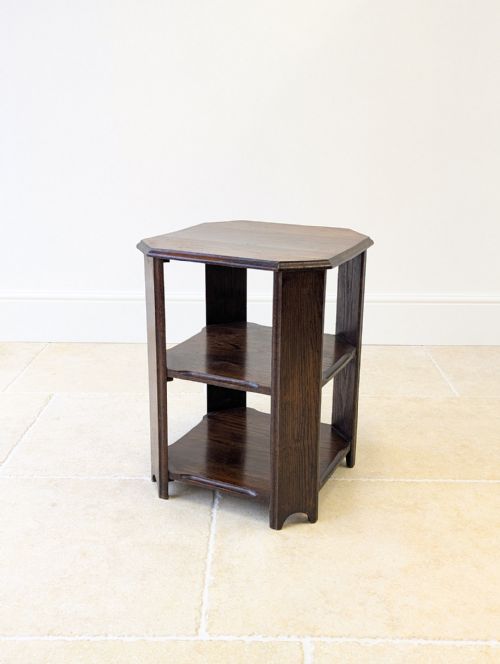
A small wooden coffee table spans diverse functional forms, appearing frequently as lowered occasional tables, nests, gatelegs, and low tables from the Victorian, Edwardian, and early twentieth-century periods. These pieces often originate as adaptations of side tables, wine tables, or low Kang tables brought down in height to suit modern seating arrangements.
Buyers encountering this selection will find an array of shapes, including octagonal, six-sided, circular, and rectangular tops, alongside clever folding and nesting designs. Materials range from traditional English oaks and mahohany to walnut veneers and exotic hardwoods with inlaid brass or chequered details.
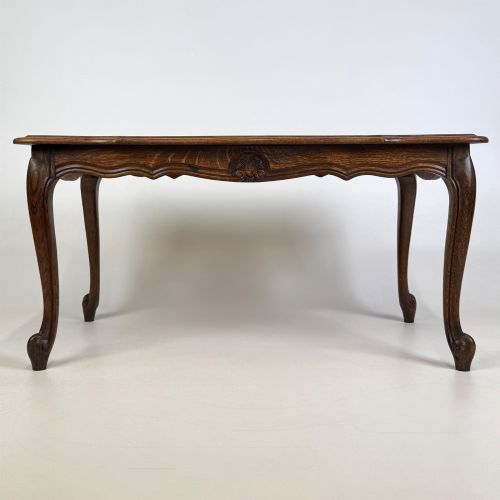
Origin and regional style vary widely, encompassing English country pieces, French provincial designs, Arts and Crafts constructions, and Indian or Chinese imports. Each iteration provides a compact footprint suited to smaller spaces while retaining the distinct craftsmanship of its era.
Materials and construction
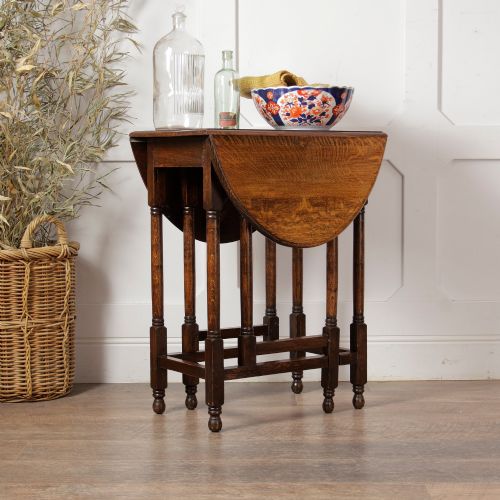
These tables rely principally on solid timbers and selected veneers such as mahogany, oak, walnut, pine, and kingwood, joined through traditional cabinetmaking techniques. Turned legs, spider gatelegs, and hinged dropleaves demonstrate the structural ingenuity employed to maximise utility in compact furniture.
Surface ornamentation ranges from subtle wood grain patterns and hand-carved details to intricate brass inlay and chequered wooden tops. Structural integrity depends on sturdy joinery, whether supporting a heavy nest of four tables or a delicate two-tier occasional piece.
Listings feature periods from the nineteenth century through the 1930s, constructed in oak, mahogany, walnut, and exotic hardwoods with diverse revival styles.
Distinguishing quality across periods
Quality reveals itself in the selection of timber figures, the crispness of turned legs, and the precision of inlaid brass or marquetry work. Finer examples display harmonious proportions and seamless integration of functional elements like dropleaves or nesting tiers.
Condition and originality dictate standing, with pieces retaining their original polish, uncompromised structural joints, and authentic period hardware commanding greater appreciation. The balance between sturdy construction and delicate scaling separates exceptional workshop production from standard utility items.
The Small Wooden Coffee Table Glossary
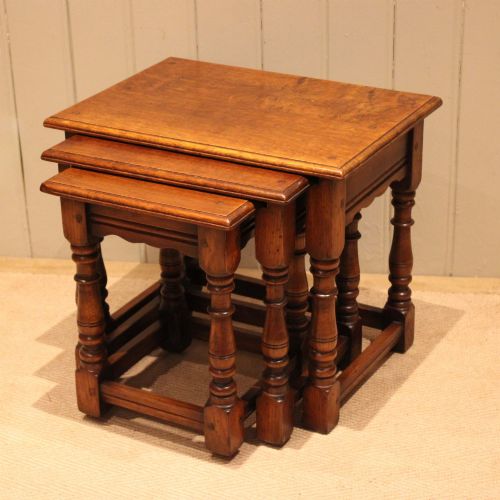
- Nest of tables
- A set of graduated tables designed to fit neatly beneath one another when not in use. This space-saving innovation became especially popular during the Edwardian era.
- Gateleg table
- A table featuring hinged leaves supported by swing-out legs that resemble a swinging gate. It allows the surface area to expand or contract flexibly.
- Occasional table
- A light, movable small table designed for intermittent use around a room. These versatile pieces function easily as lamp, end, or coffee tables.
- Kang table
- A low domestic table originating from China, traditionally used on a heated brick bed or floor platform. Examples on the market are often scaled down for low-level seating.
- Inlay
- A decorative technique where contrasting materials such as brass or light woods are set flush into the wooden surface. It highlights regional workshops and stylistic periods.
Small Wooden Coffee Table: Frequently Asked Questions
What is a small wooden coffee table?
A small wooden coffee table is typically a period side table, occasional table, or nest lowered for use by a sofa or armchair. These pieces span Victorian, Edwardian, and early twentieth-century designs.
They utilise timbers like oak, mahogany, and walnut, offering compact surfaces suited to contemporary living spaces without losing historical character.
How do I date an Edwardian occasional table?
Edwardian occasional tables usually date from roughly 1901 to 1910, often displaying characteristic mahogany frames, satinwood inlay, or tiered shelving. Look at the turning of the legs and the construction methods underneath for clues.
Makers of this period frequently drew inspiration from earlier Georgian or Victorian styles while lightening the overall proportions for modern homes.
Are nest of tables practical for daily use?
A nest of four tables offers exceptional versatility, providing extra surface area when entertaining and occupying minimal floor space when stacked. Their interlocking design makes them ideal for smaller reception rooms.
Care should be taken with older joints during frequent movement, but properly maintained sets withstand daily family life with ease.
How do I care for antique wood surfaces?
Antique wood benefits from gentle dusting with a soft cloth and occasional application of appropriate wax to nourish the timber. Avoid placing these tables in direct sunlight or near heat sources to prevent veneer lifting or wood splitting.
Using coasters and mats protects historic French polish and oiled finishes from moisture rings and heat marks.