

Small Wooden Box with Drawers
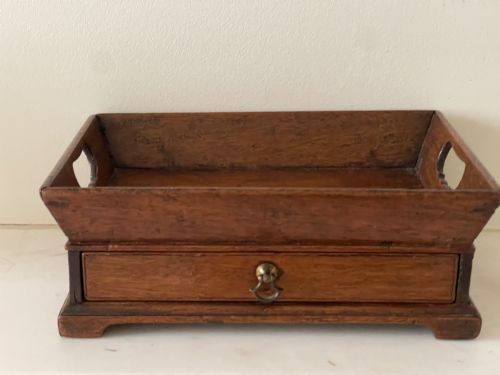
A small wooden box with drawers offers compact storage for trinkets or documents, crafted in timber to sit neatly upon a table or desk.
Small Wooden Box with Drawers
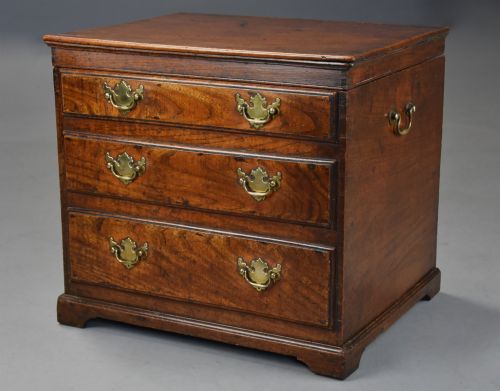
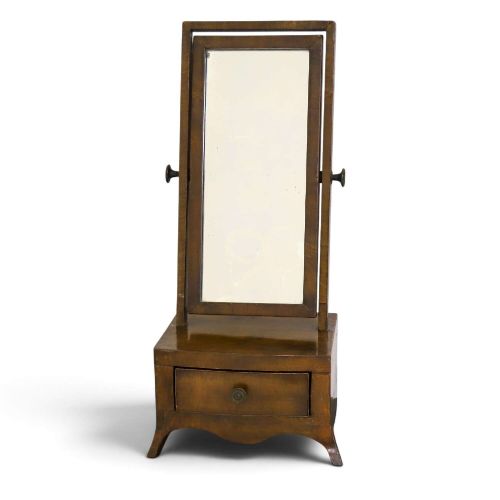
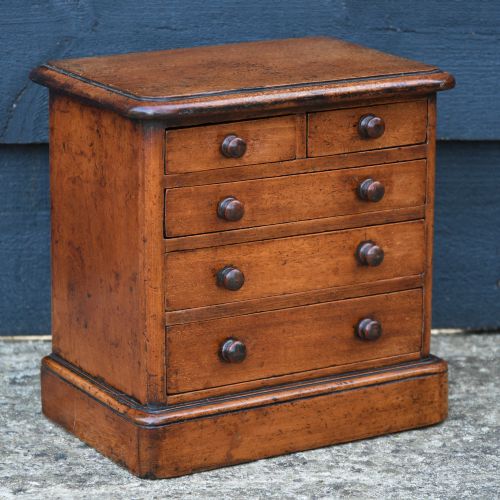
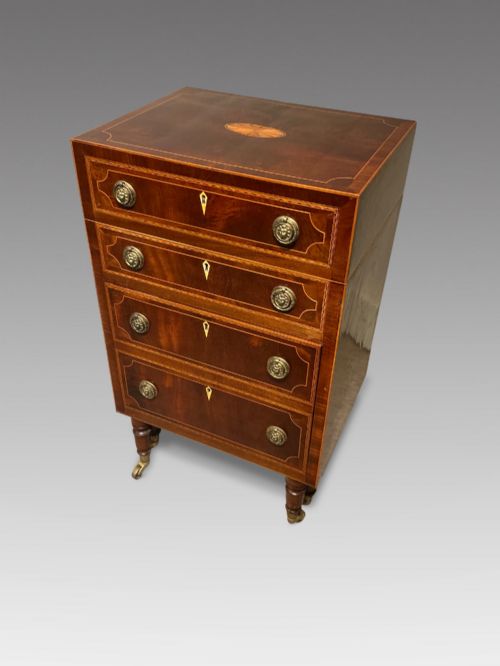
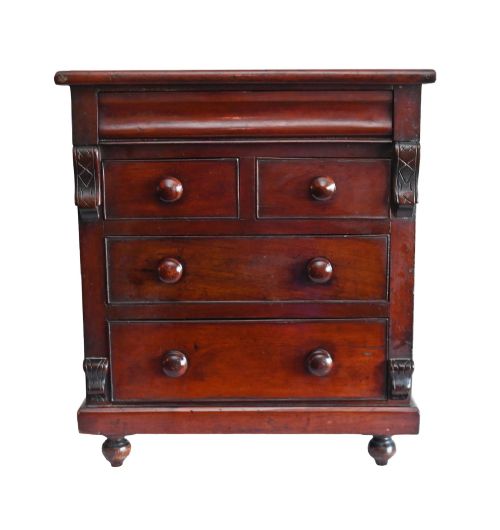
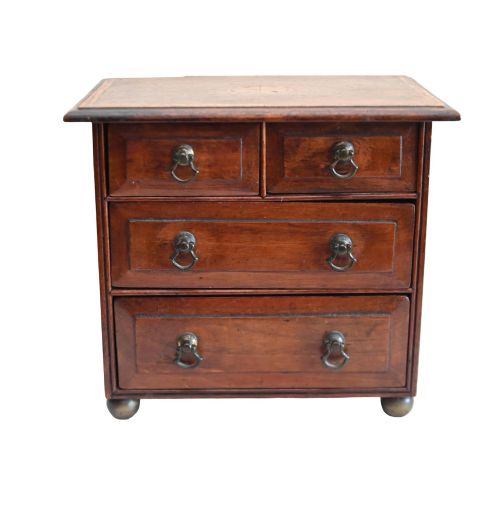
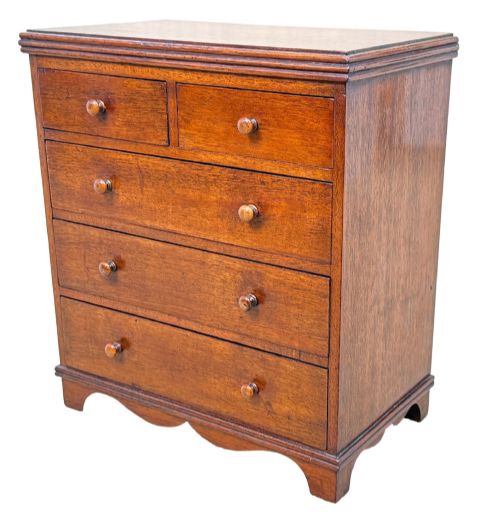
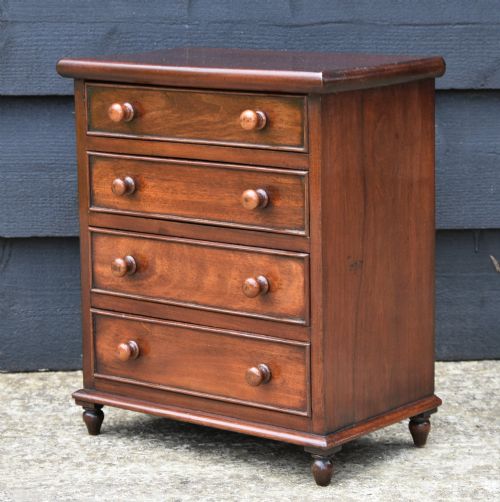
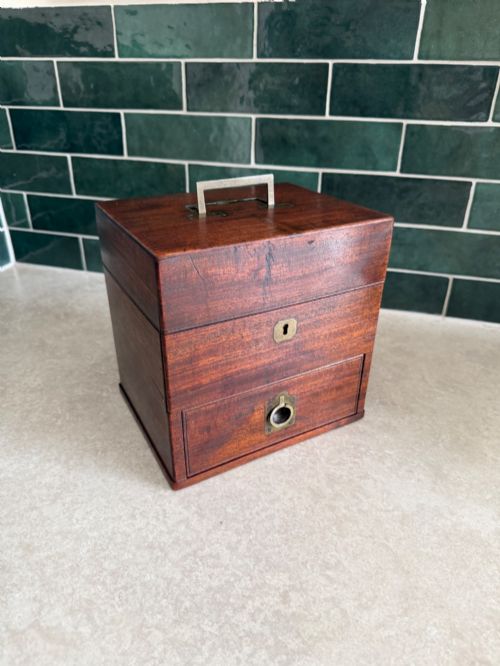
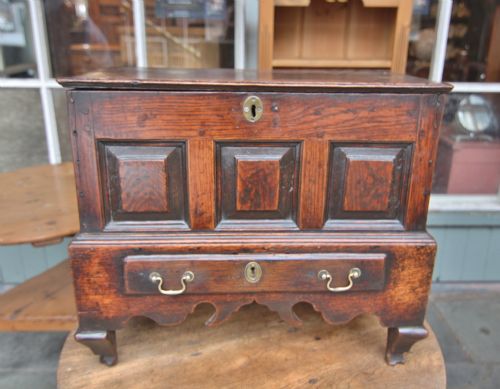
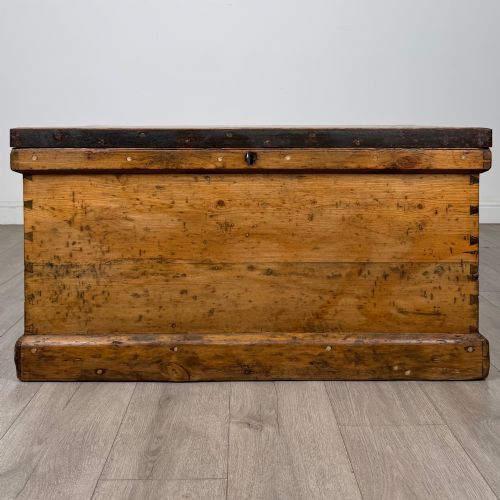
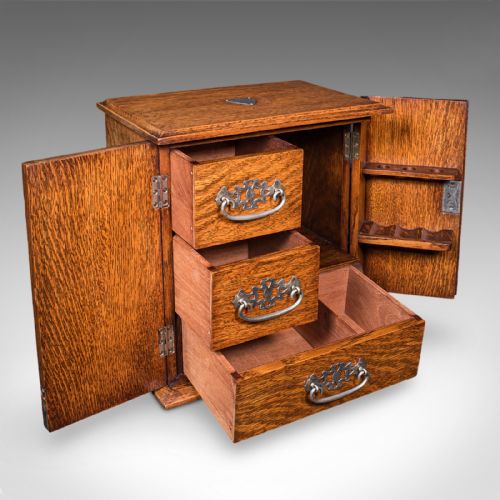
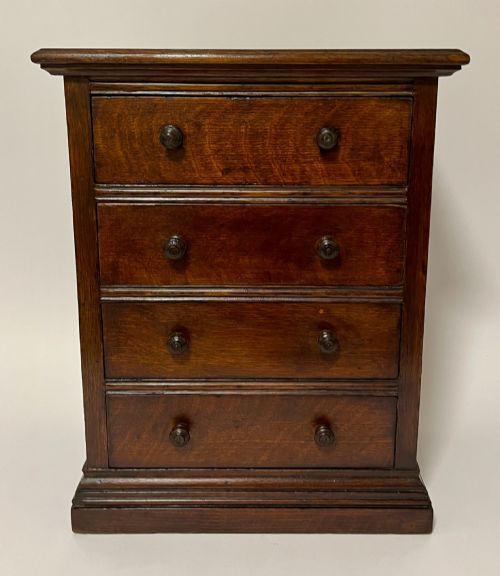
A small wooden box with drawers takes many forms on this page, ranging from miniature chests and apprentice pieces to tabletop cabinets and Welsh coffer bach examples. These items serve as compact storage vessels, designed to hold small valuables, papers, or collection items while occupying minimal surface space.
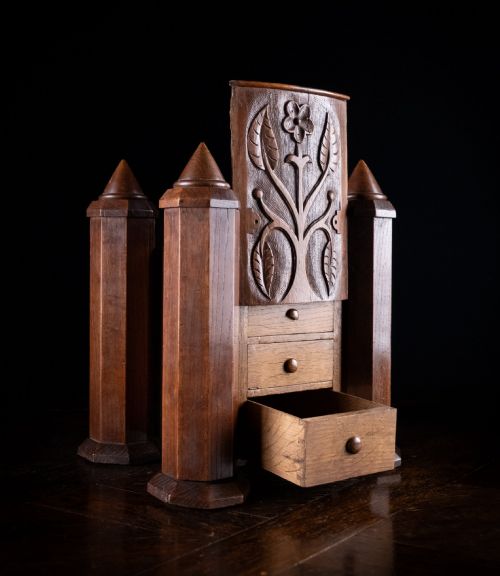
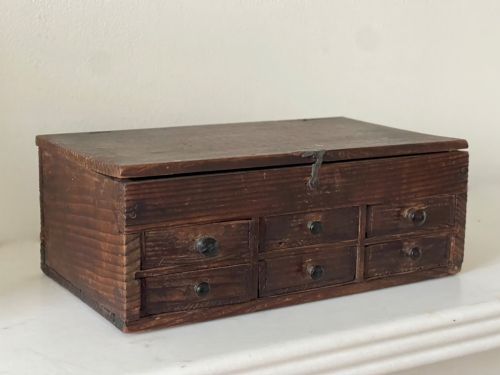
The regional Welsh coffer bach represents a notable tradition among these pieces, usually fashioned from solid oak with small drawers tucked beneath a lidded compartment. Other variations include apothecary cabinets with multiple small drawers and miniature wardrobes dating from the Georgian, Victorian, and Edwardian eras.
Makers fashioned these pieces across several centuries, utilising timber such as oak, burr walnut, pine, and mahogany. Buyers encounter items varying from vernacular country pieces to refined Victorian collectors cabinets fitted with working locks and keys.
How they were made
Construction relies heavily on solid timbers like oak and pine, frequently shaped by hand in regional workshops and vernacular traditions. Craftsmen joined structural elements using traditional joinery methods suited to miniature proportions.
Surfaces often feature brass hardware such as drop handles, escutcheons, and hinges to secure moving parts like drawers and lids. Carved details, including green man motifs or geometric panels, appear on specific regional examples from the eighteenth century.
Small Wooden Box with Drawers Retail Price Guide 2026
Typical asking prices for small wooden box with drawers among the pieces listed under this phrase on Sellingantiques today, from the lower quarter to the upper quarter. They describe what is for sale here now, not the wider market.
Listings feature oak as the most prominent wood, alongside mahogany, pine, and burr walnut across eighteenth, nineteenth, and early twentieth-century periods.
What varies in quality
The degree of refinement in timber selection and cabinetmaking skill distinguishes standard items from superior examples. Finely figured burr walnut veneer or crisp hand-carved details indicate a higher level of workshop ambition.
Original hardware, working locks with keys, and untouched interior drawer arrangements add significantly to the integrity of a piece. Regional authenticity in vernacular furniture, such as an eighteenth-century Welsh coffer bach, commands particular attention from collectors.
The Small Wooden Box with Drawers Glossary
- Apprentice piece
- A small-scale item of furniture created by a craftsman to demonstrate skill before gaining master status. These miniature chests replicate full-size furniture with exact proportions.
- Collector's cabinet
- A specialised tabletop enclosure fitted with multiple small drawers designed for storing specimens, coins, or trinkets. They often feature locking doors to protect contents.
- Escutcheon
- A protective metal plate surrounding a keyhole. On these boxes, they are typically cast in brass to complement the drawer pulls and hinges.
- Vernacular
- Regional furniture built by local craftsmen using traditional local woods rather than following metropolitan fashion. Welsh oak pieces exemplify this honest construction method.
Small Wooden Box with Drawers: Frequently Asked Questions
What were small wooden boxes with drawers used for?
These items served various storage purposes in domestic settings, from holding personal letters and jewellery to keeping apothecary supplies or small collections. Their modest size allowed them to sit securely upon larger furniture or writing desks.
In regional Welsh homes, coffer bach examples held treasured documents or textiles, functioning as important household possessions given during significant life events.
How do I date an antique wooden box?
Dating relies upon observing the timber species, construction techniques, and hardware style present on the piece. Eighteenth-century examples often display vernacular oak construction with hand-cut joints, while Victorian and Edwardian pieces frequently utilise mahogany or walnut with machine-finished elements.
Stylistic cues such as brass escutcheons, carved motifs, and drawer linings also provide clear indicators of the period in which the item was constructed.
Where should I place a tabletop cabinet at home?
These compact cabinets sit comfortably on sturdy sideboards, chest tops, or dedicated display tables where their details can be appreciated. Because they occupy minimal floor space, they integrate easily into both traditional and contemporary interiors.
Placing them away from direct sunlight and heat sources protects the timber surfaces and prevents the wood from drying out or splitting.
What is the difference between a coffer bach and a miniature chest?
A coffer bach combines a hinged lid compartment at the top with one or more drawers situated underneath the main body. This distinct Welsh form bridges the traditional coffer and the drawer chest.
By contrast, a miniature chest consists entirely of stacked drawers from top to bottom, mimicking the exact elevation of a full-scale drawer unit without the lidded chest section.