
Small Walnut Occasional Table
A small walnut occasional table brings warm timber grain and versatile surface space to a corner, a bedside or beside a chair.
Small Walnut Occasional Table
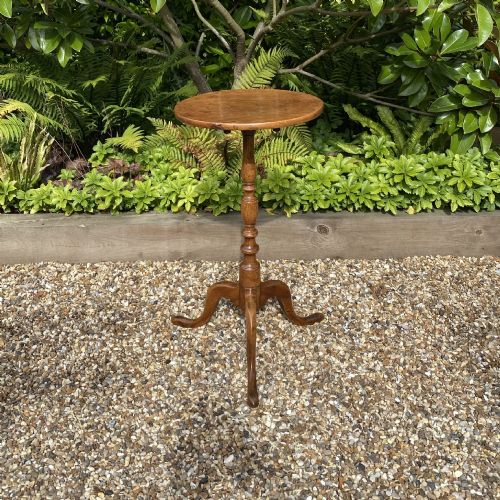
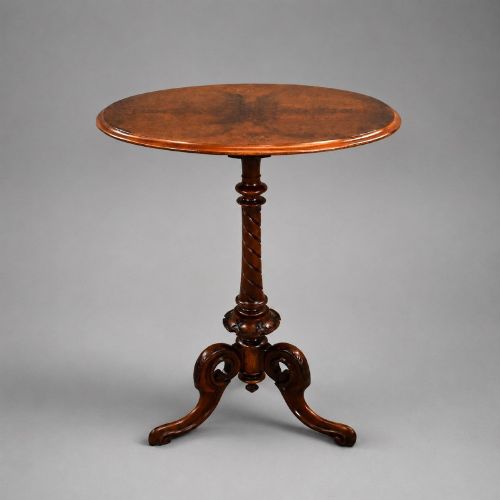
A small walnut occasional table is a compact piece designed for flexible placement around a room, most commonly seen as a Victorian or Edwardian lamp, wine or side table. These pieces serve practical purposes while introducing rich figuring and warm timber tones to interiors.
How they were made
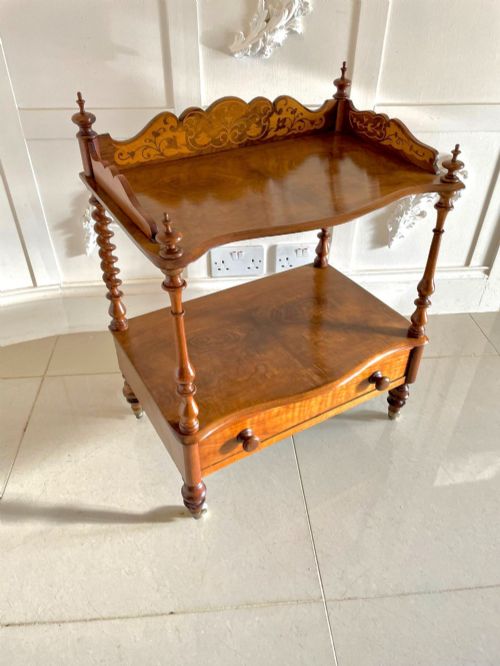
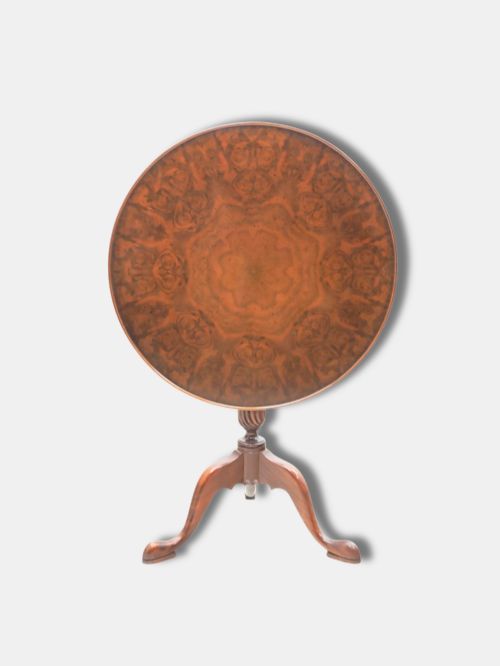
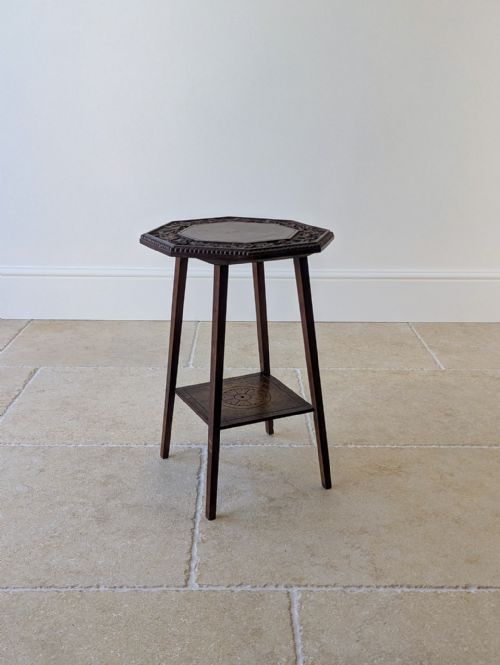
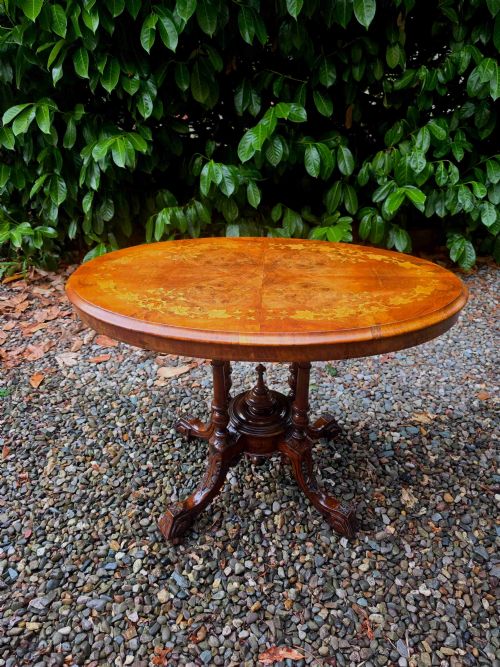
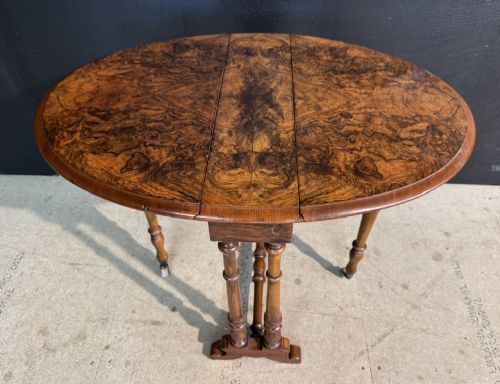
Cabinet makers utilised solid timber alongside decorative veneers, selecting burr walnut and figured walnut for tabletops to display complex grain patterns. Inlays of lighter woods, brass mounts and ceramic elements appear across various revival styles.
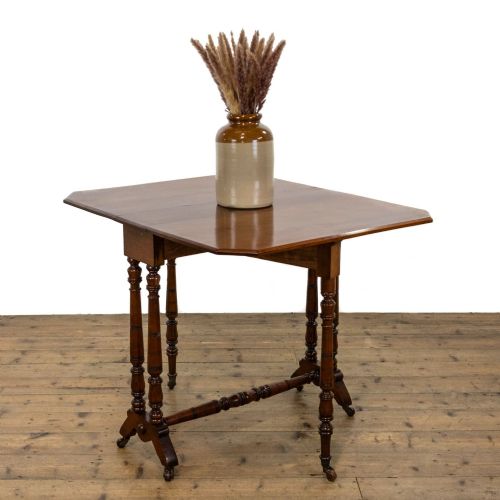
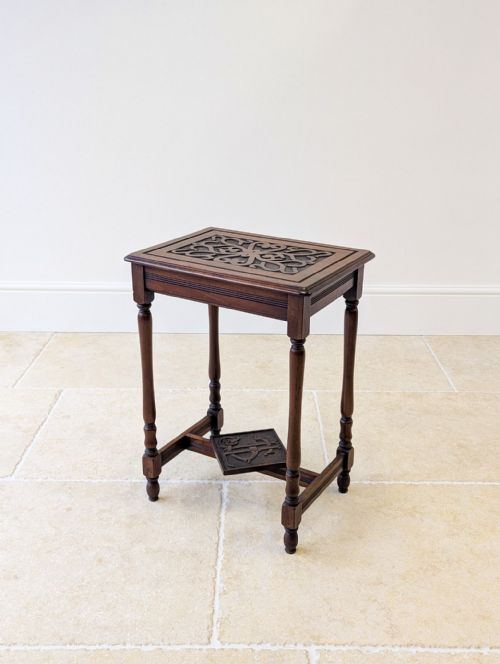
Structural elements rely on traditional joinery, with turned legs, barley twist supports, tripod bases and gate leg mechanisms providing stability. Timber frames were polished to enhance the natural colour and lustre of the walnut.
Listings feature walnut, burr walnut, ebonised wood and mahogany across periods spanning the 18th, 19th and early 20th centuries.
What varies in quality
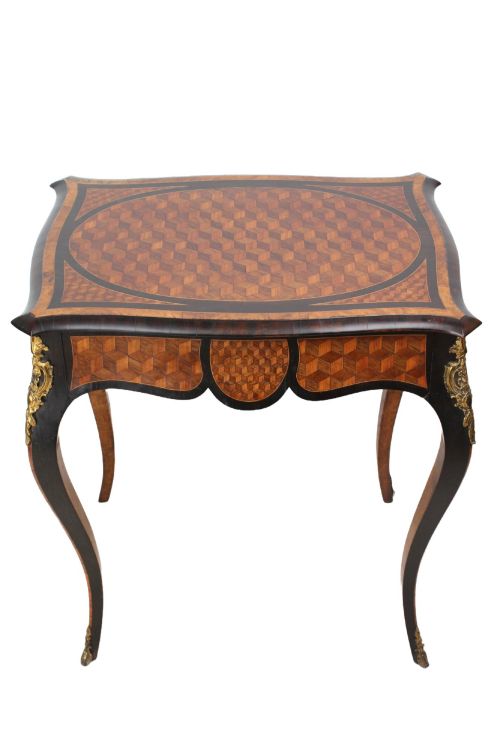
Quality rests upon the choice of veneer and the crispness of the cabinet work, with highly figured burr walnut commanding attention for its visual depth. The precision of inlaid marquetry and parquetry further distinguishes finer workshops from standard production.
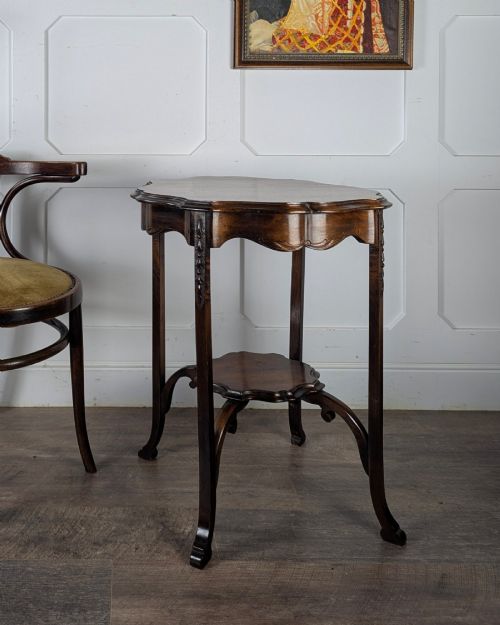
Proportion and structural integrity define the better examples, where turned galleries, carved details and stable tripod or four-legged bases remain well balanced. The depth of the hand-applied polish also separates everyday items from exhibition pieces.
JAS Shoolbred
The Small Walnut Occasional Table Glossary
- Burr walnut
- A veneer taken from the warted growths of a walnut tree, prized for its swirling, highly figured grain patterns. It forms decorative surfaces on Victorian and Edwardian tabletops.
- Tripod table
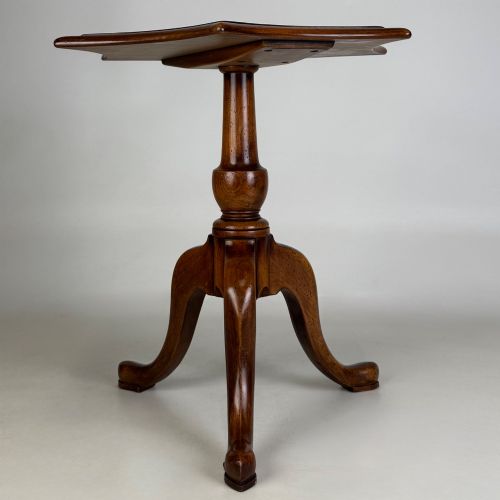
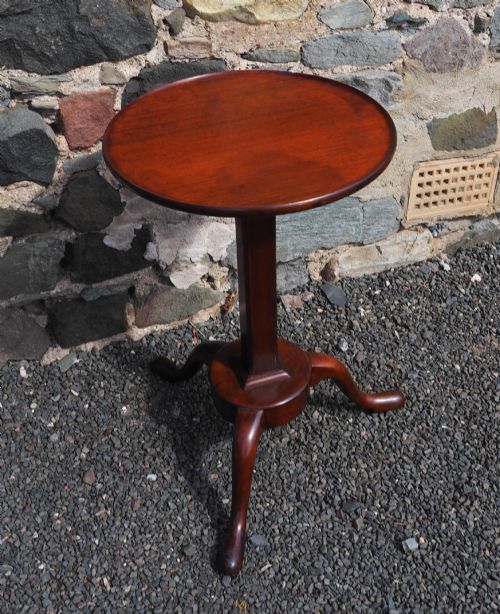
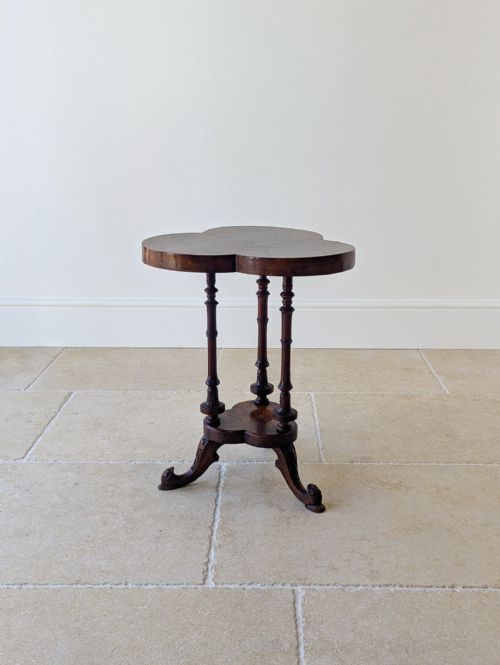
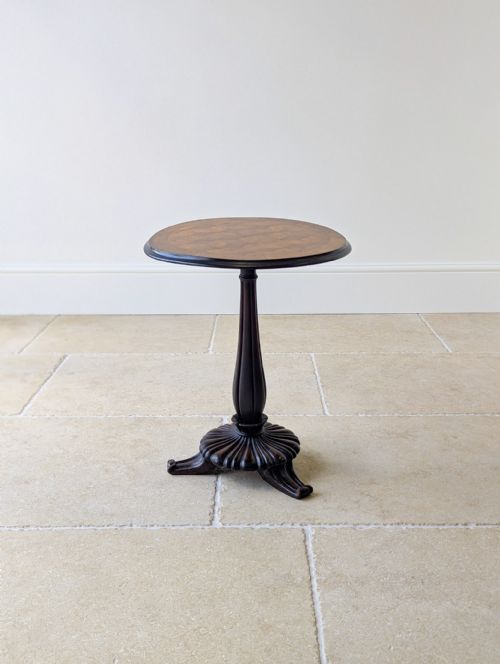
- A small freestanding table supported by a central pillar above three legs. This form appears frequently in walnut wine and lamp tables.
- Sutherland table
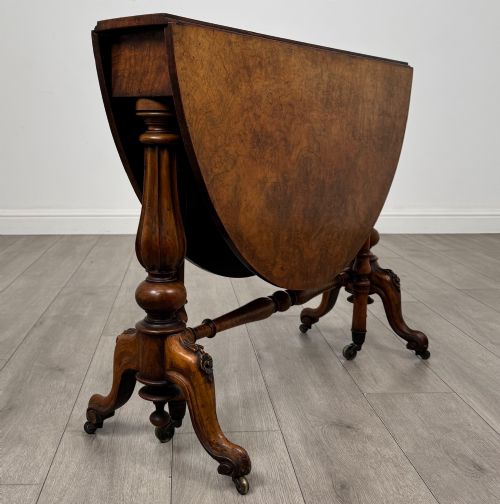
- A narrow drop-leaf table with hinged flaps supported by pivoting gate legs. This design folds down compactly when not in use.
- Parquetry
- Geometric wood inlay work arranged in patterns such as squares and triangles. It decorates the surfaces of writing and occasional tables.
- Lowboy
- A small low table with drawers, originating in the 18th century. These pieces function as side tables or compact writing desks.
Small Walnut Occasional Table: Frequently Asked Questions
Where should I put a small walnut occasional table?
These compact tables fit easily beside armchairs, sofas or beds to hold lamps, drinks or books. Their modest scale allows them to occupy neglected corners without crowding a room.
They also function as display surfaces for small decorative objects or plants, bringing warmth and texture to empty wall spaces.
How do I tell Victorian from Edwardian walnut tables?
Victorian walnut tables often feature darker finishes, heavy burr veneers, elaborate inlays and turned elements such as bobbin galleries. They tend towards rich, deep tones and decorative carving.
Edwardian examples frequently display lighter figured walnut timbers, sleeker lines and delicate stringing, reflecting a shift towards more refined domestic interiors.
What is a wine table used for?
A wine table provides a small round or shaped surface originally intended to hold glasses or bottles during evening gatherings. Their small tops and sturdy tripod bases make them easy to move around.
Today they serve predominantly as lamp tables or decorative accent pieces next to seating.
How do I care for walnut furniture?
Walnut benefits from occasional polishing with traditional beeswax to maintain the lustre of the timber and protect the surface. Avoid placing these tables in direct sunlight or near heat sources to prevent the wood from drying out.
Using coasters and mats helps safeguard antique polished finishes from moisture and heat marks.