



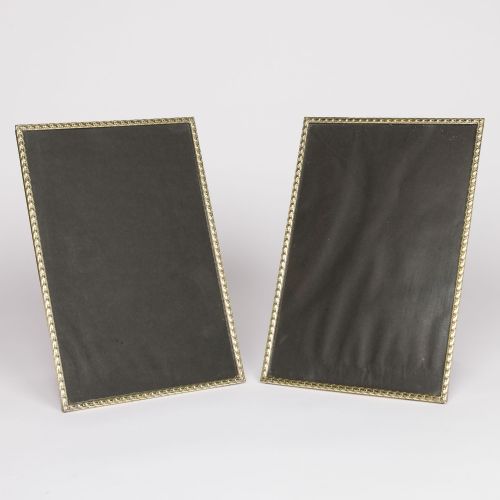

Small Vintage Portrait
These small vintage portrait pieces bring intimate likenesses in miniature, offering historic faces and delicate craftsmanship for collectors of fine historic art.
Small Vintage Portrait
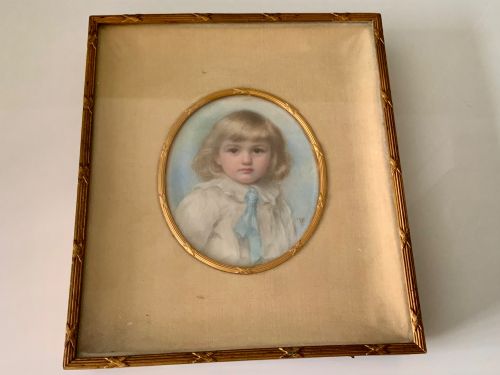
A small vintage portrait captures a likeness on an intimate scale, typically taking the form of a miniature painting, watercolour, or framed photograph. These pieces span multiple eras, including Victorian, Edwardian, and George V periods, featuring subjects from elegant ladies to children and animals.
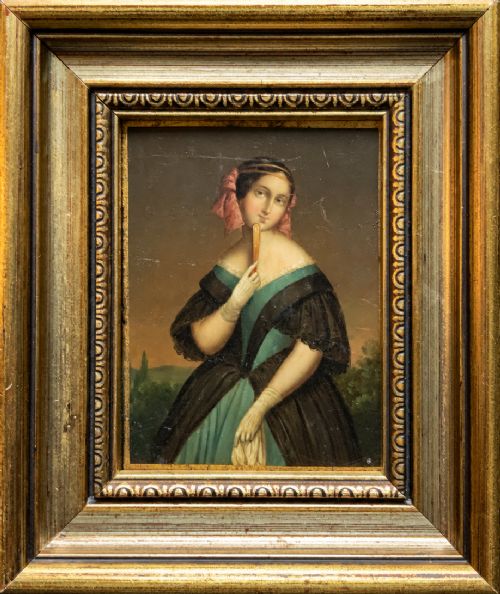
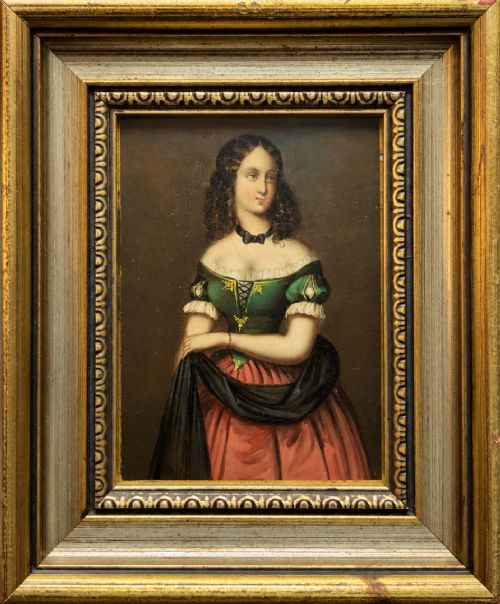
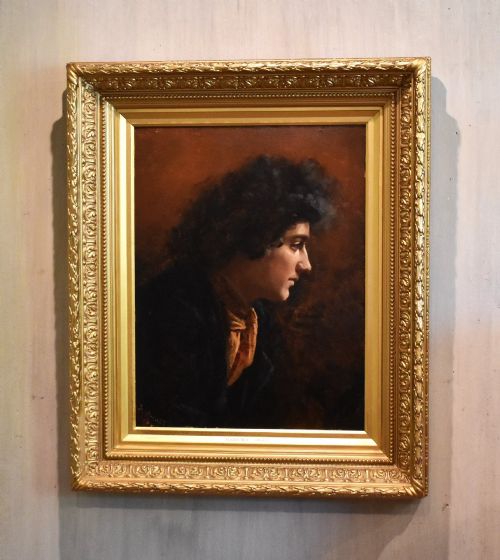
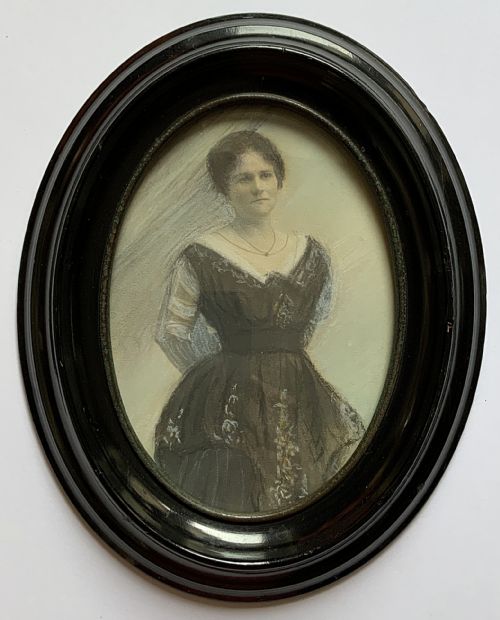
Most examples found here appear as delicate watercolours on paper or ivory, oils on board, or oils on canvas housed within period frames. The selection ranges from traditional realism and continental works to decorative photo frames designed to display cherished likenesses.
Materials and technique
Makers utilised traditional supports such as paper, ivory, canvas, board, and tin to execute these small works using watercolour, pastel, or oil paints. Technique relied on fine brushwork capable of capturing intricate facial details within a confined space.
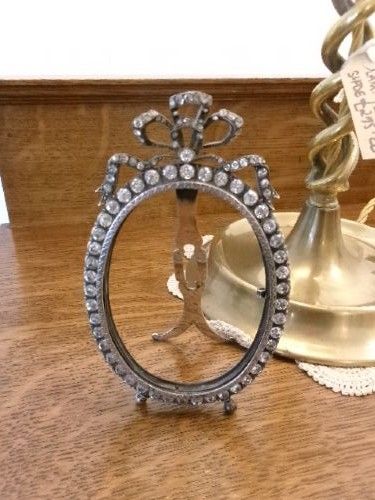
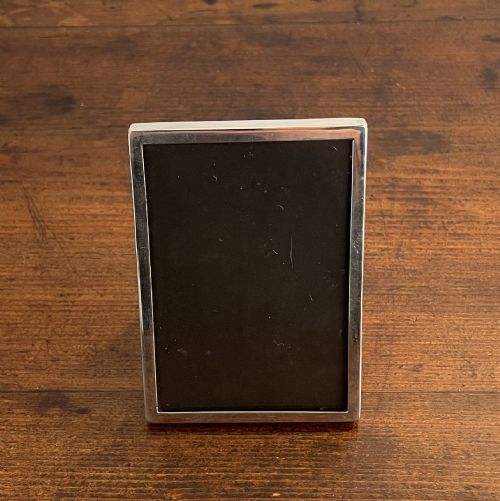
Framing materials include gilt wood, gesso, ebonised wood, and hallmarked silver, often featuring glass protection. Metal frames frequently display decorative details such as engine-turning or incorporate brass and glass elements.
Small Vintage Portrait Retail Price Guide 2026
Typical asking prices for small vintage portrait among the pieces listed under this phrase on Sellingantiques today, from the lower quarter to the upper quarter. They describe what is for sale here now, not the wider market.
Materials recorded across the inventory include glass, watercolour, wood, paper, gilt wood, fabric, ebonised wood, and brass.
Quality and execution
Material integrity of the surrounding frame and mount contributes to overall quality. Original ebonised wood, gilt gesso, or marked silver frames that complement the age and scale of the artwork elevate the piece.
Florence Small·Elisabeth Vigee Le Brun·Moseley
The Small Vintage Portrait Glossary
- Portrait miniature
- A small painting of a person, historically executed on ivory, vellum, or paper. These works require microscopic precision and delicate layering of pigment.
- Ebonised wood
- Timber treated to resemble ebony, frequently utilised for dark, polished frames during the Victorian and Edwardian eras. It provides a stark, contrasting border for miniature artworks.
- Gilt gesso
- A plaster-based material applied to wood frames and covered in gold leaf. This technique creates ornate, reflective surfaces common in period decorative frames.
- Engine-turned
- A decorative metalworking technique involving precise geometric patterns engraved by a machine. It appears frequently on silver photo frames from the early twentieth century.
Small Vintage Portrait: Frequently Asked Questions
How were small portraits displayed?
These small portraits were typically hung in intimate domestic spaces or placed on surfaces within protective frames. Many were designed to be portable or kept close in personal chambers.
Silver frames and hinged easel backs also allowed them to sit on desks and mantelpieces alongside photographs of family members.
What subjects appear in these portraits?
Subjects range from commissioned likenesses of ladies and children to historical figures and animals. Artists also reproduced notable works from major galleries on a miniature scale.
Performers and leading actresses also formed popular subjects for nineteenth-century watercolours and miniature paintings.
How do I date a miniature portrait?
Dating relies on the costume, hairstyle, and painting medium, alongside the construction style of the frame. Ivory supports and specific frame types like ebonised wood point toward Georgian and Victorian periods.
Silver hallmarks and inscriptions on the reverse provide precise manufacturing years for metal frames.
Where should I place them at home?
Due to their modest scale, these pieces suit gallery walls grouped tightly together or placed on narrow shelves where viewers can examine them closely. Keeping them away from direct sunlight protects delicate watercolours and paper supports.
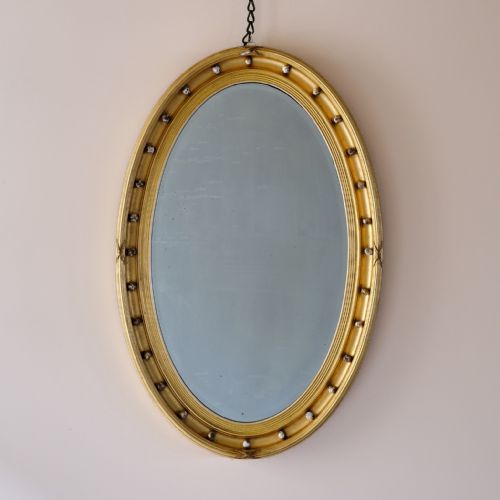
Small frames work well on dressing tables, bookshelves, or paired on either side of larger mirrors.