


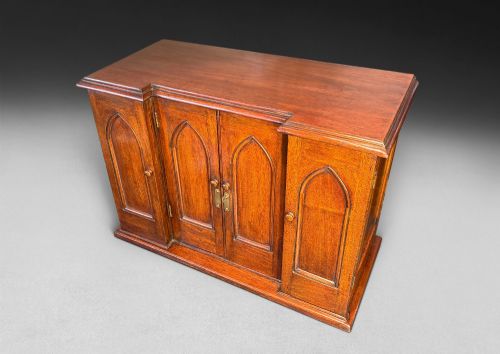
Small Victorian Table
A small victorian table brings compact proportion and varied timber to a room, serving as a versatile side piece or writing surface.
Small Victorian Table
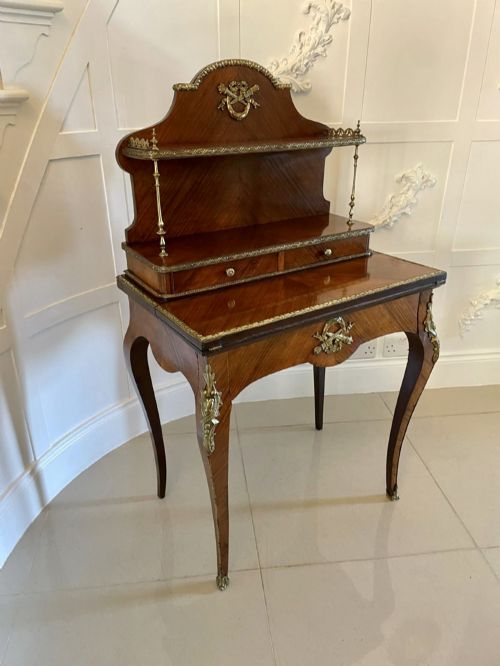
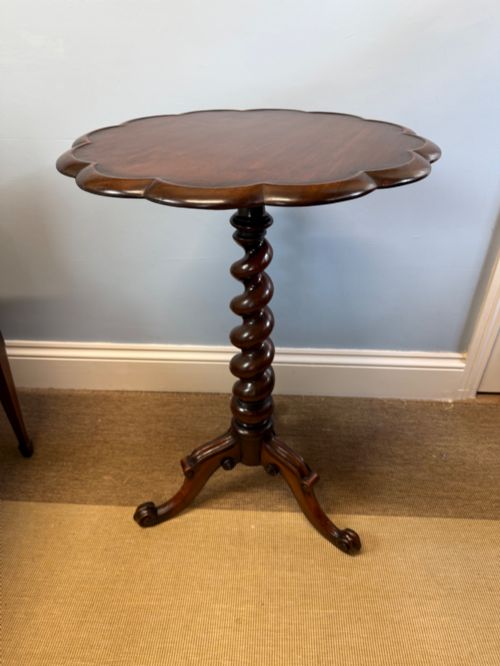
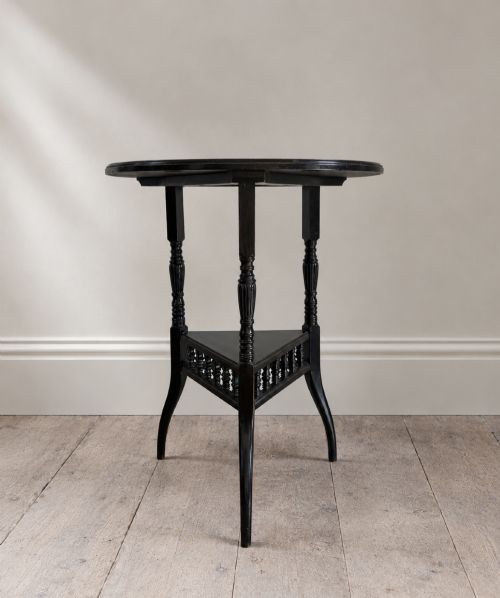
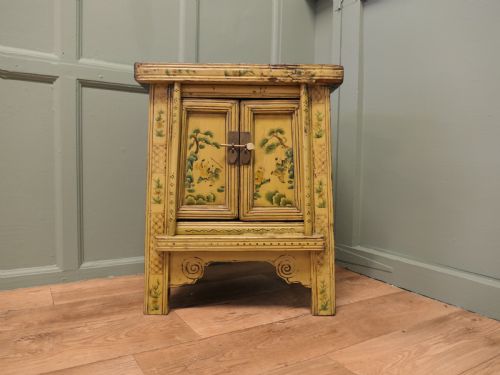
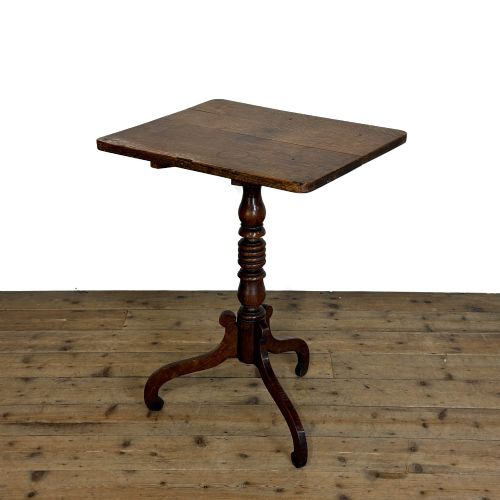
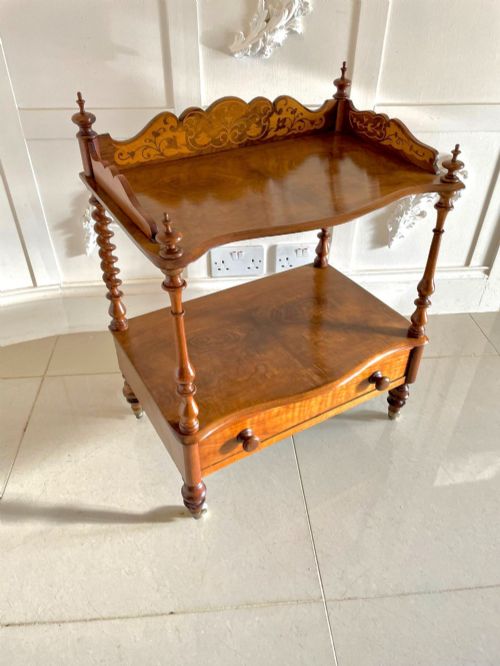
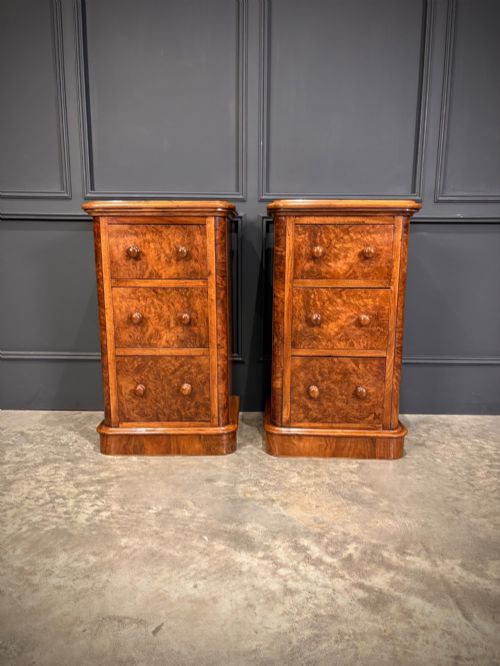
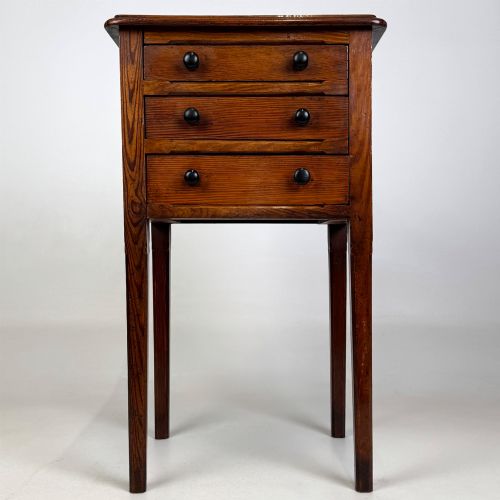
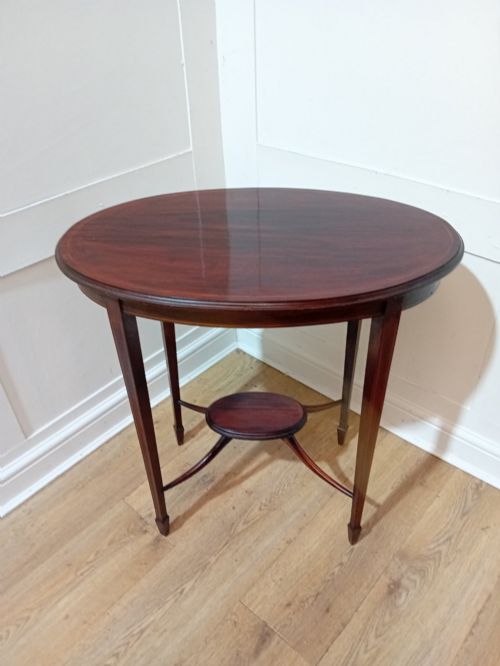
A small victorian table encompasses diverse domestic forms intended for specific rooms and tasks, ranging from side tables and occasional tables to bedside chests and compact writing desks.
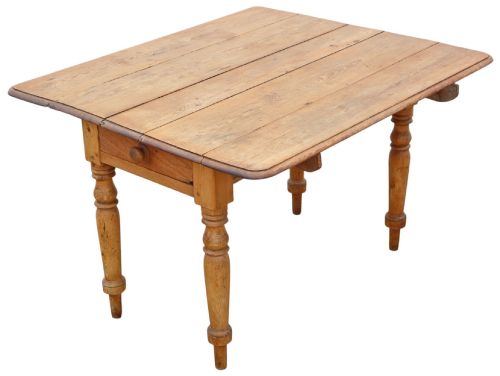
The material selection spans solid mahogany, walnut, oak, and pine, reflecting the functional requirements of nineteenth-century households across dining rooms, bedrooms, and parlours.
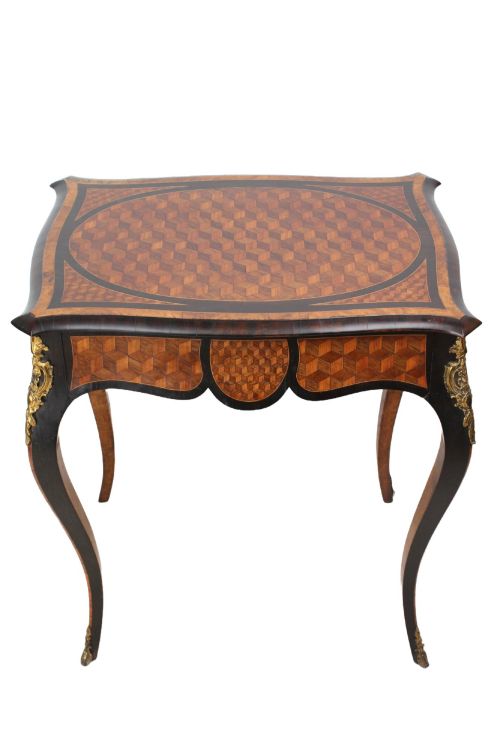
Makers utilised revival styles including Georgian, Regency, Gothic, and French Rococo, alongside Arts and Crafts designs, adapting earlier historical aesthetics for smaller nineteenth-century interiors.
Distinctions in Quality
Quality rests upon the selection of timber, particularly the grain figure visible in burr walnut and mahogany surfaces, alongside the precision of inlaid details.
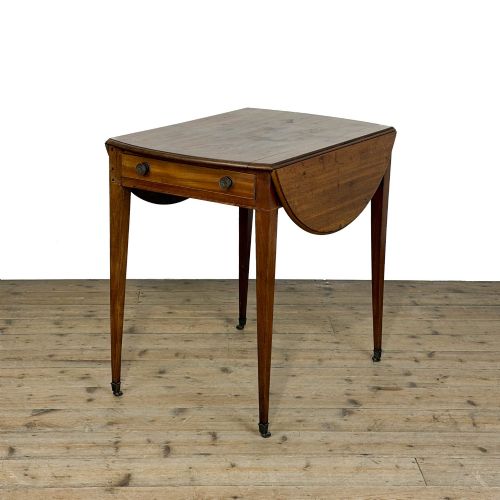
Structural integrity reveals itself in the joinery of drawers, the stability of pedestal bases, and the smooth operation of drop leaves or tilt-top mechanisms.
Design ambition distinguishes standard utility items from pieces displaying refined revival styling or attributed to known cabinetmakers.
Listings demonstrate a strong presence of walnut and mahogany across nineteenth-century occasional and bedside forms.
JAS Shoolbred·William Hutton and Sons·Joseph Fitter·WF Needham
The Small Victorian Table Glossary
- Tilt-top
- A table top hinged to a central pillar, allowing the surface to fold vertically for storage when not in use.
- Pembroke table
- A drop-leaf table featuring hinged flaps on two opposing sides and frequently equipped with one or more small drawers.
- Sutherland table
- A narrow drop-leaf table supported by folding gatelegs, designed to occupy minimal floor space when closed.
- Parquetry
- Geometric patterns formed by fitting small pieces of contrasting wood veneers together onto a solid carcase.
- Purdonium
- A domestic chest or cabinet originally designed to store coal near a fireplace.
Small Victorian Table: Frequently Asked Questions
What rooms suit a small victorian table?
These compact pieces fit easily beside seating in a drawing room or function as bedside storage in a bedroom.
Their varied forms allow them to act as writing desks or lamp stands in narrow hallways and quiet corners.
How do tilt-top tables function?
A mechanism beneath the surface allows the wooden top to pivot from horizontal to vertical, enabling the table to stand flat against a wall.
This practical design saved space in nineteenth-century interiors when the surface was not required for dining or reading.
What timber was most common?
Mahogany and walnut appear frequently across nineteenth-century domestic furniture, offering durability and rich natural grain patterns.
Oak and pine served utility roles in kitchens and bedrooms, while exotic woods like rosewood were reserved for decorative occasional tables.
How can I identify revival styles?
Revival pieces borrow decorative motifs from earlier eras, such as Gothic tracery, Georgian proportions, or French Rococo curves.
Cabinetmakers of the nineteenth century reinterpreted these historical aesthetics using contemporary construction techniques and native timbers.