
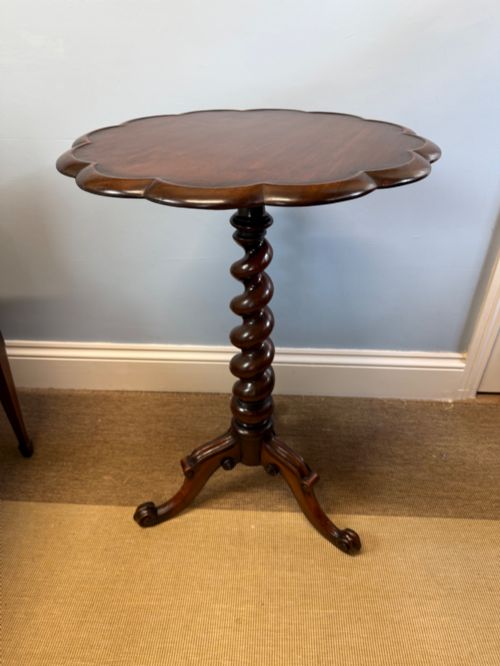
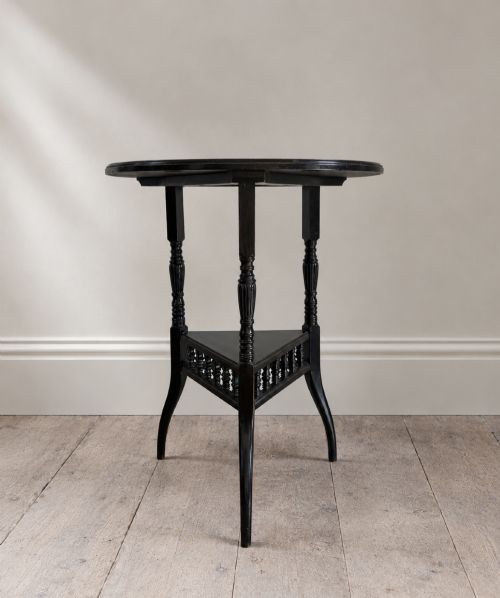
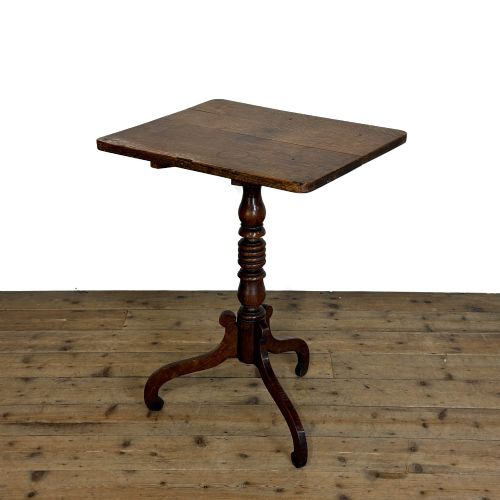
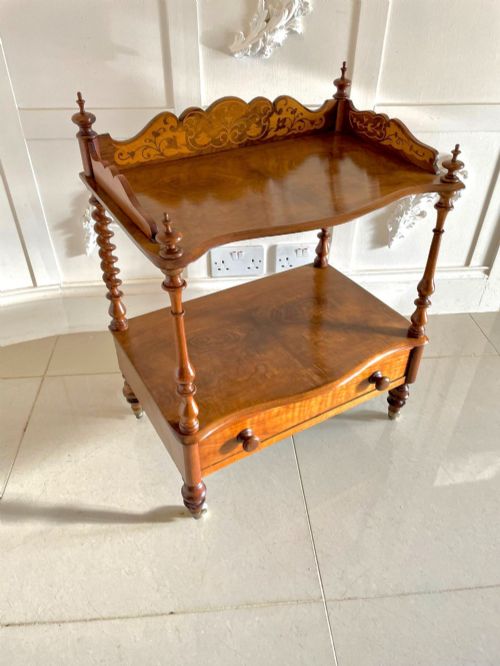

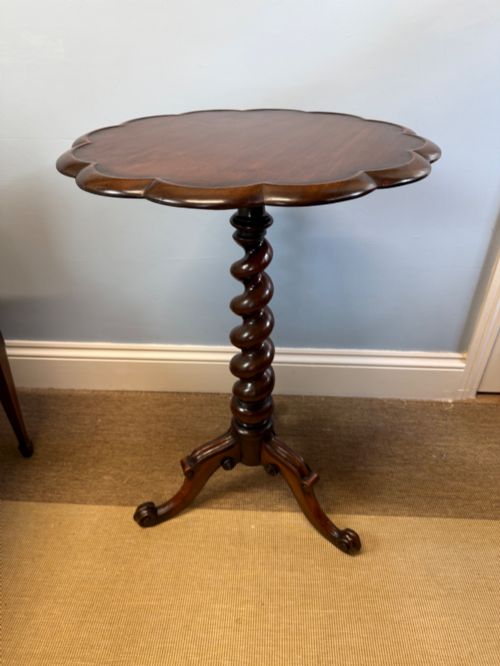
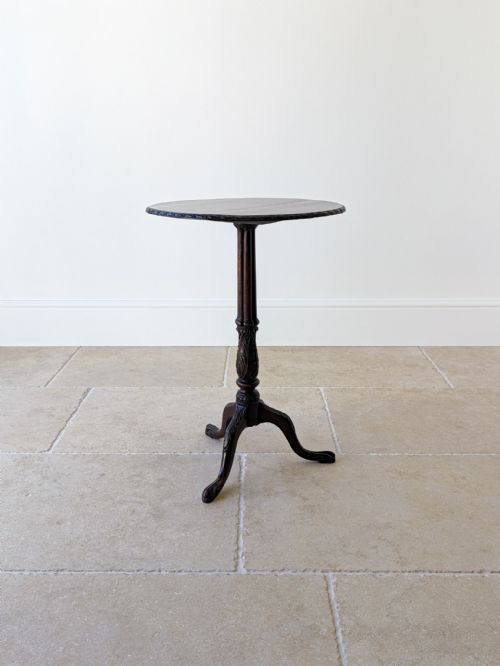
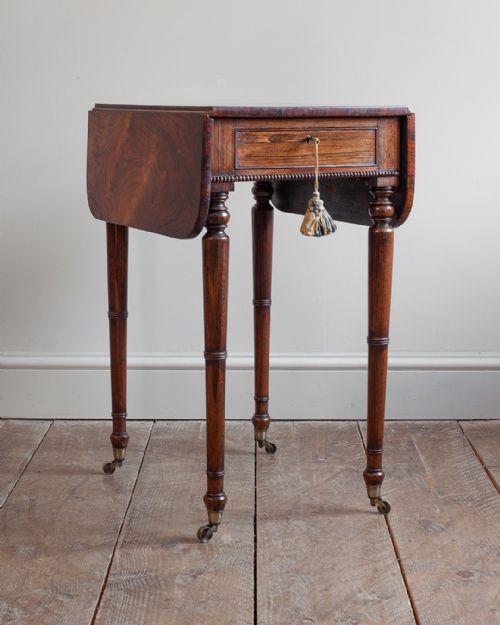
Small Victorian Occasional Table
A small Victorian occasional table offers practical surface space with refined nineteenth-century craftsmanship, making it a versatile choice for modern rooms.
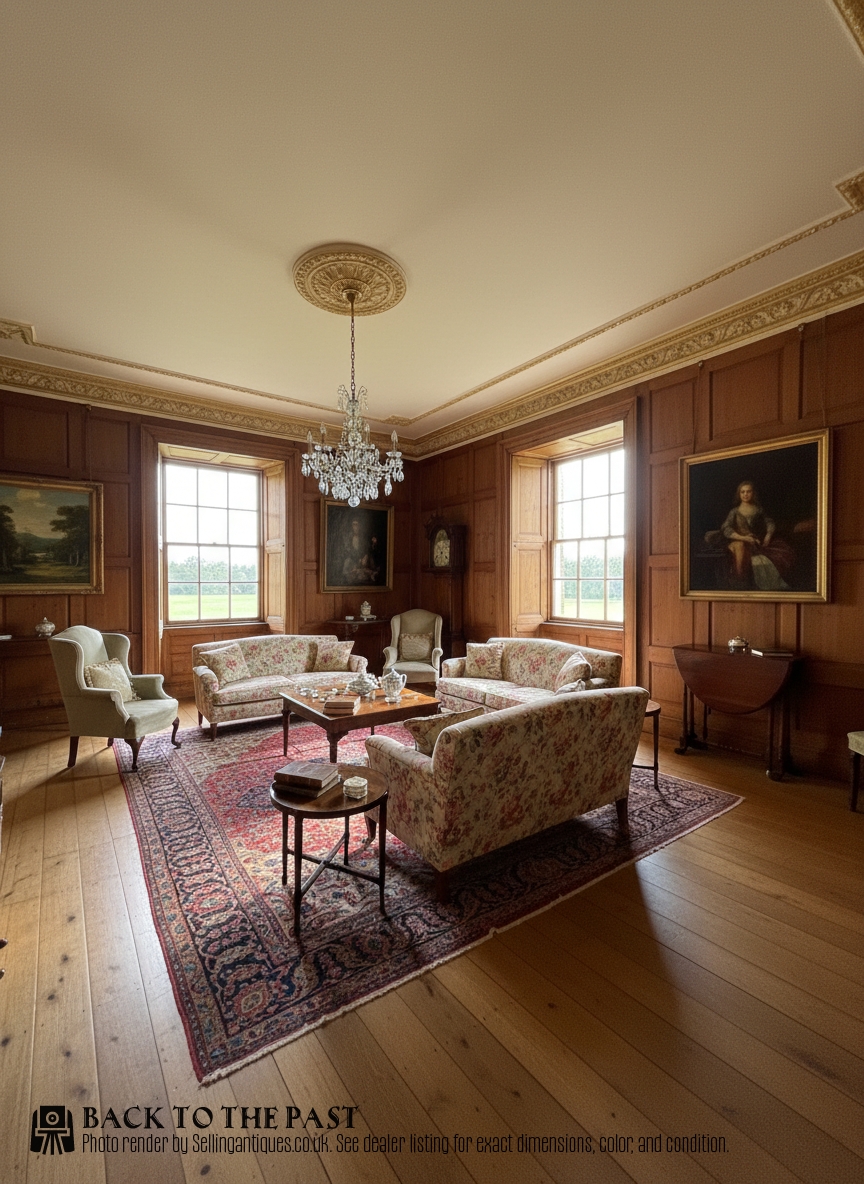
Small Victorian Occasional Table
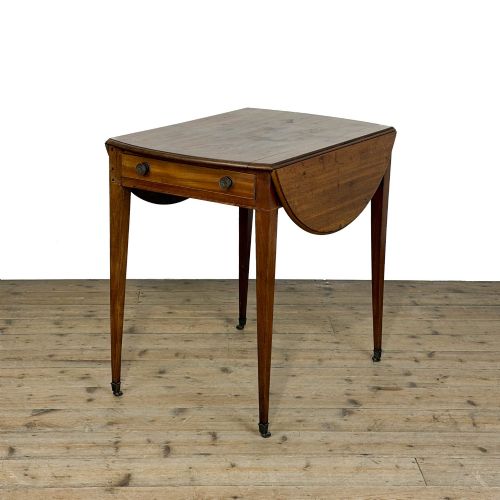
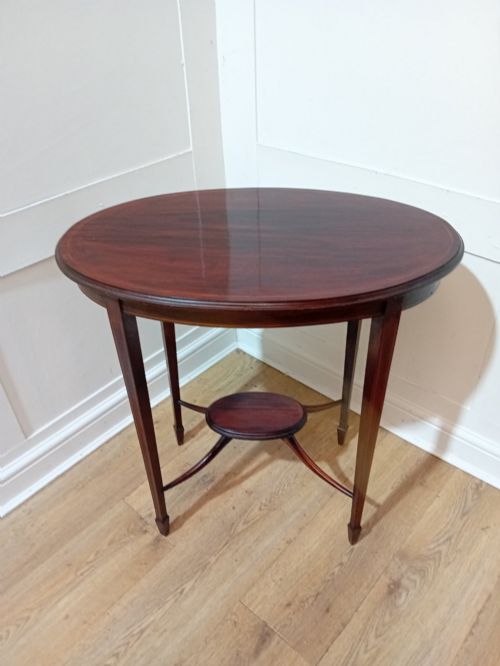
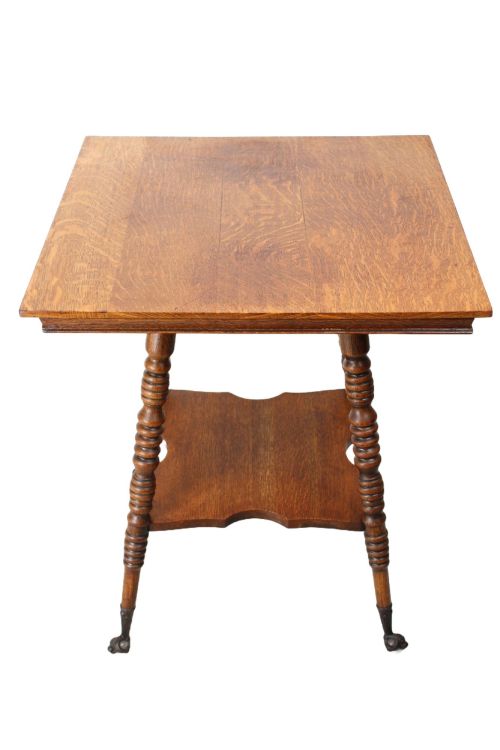
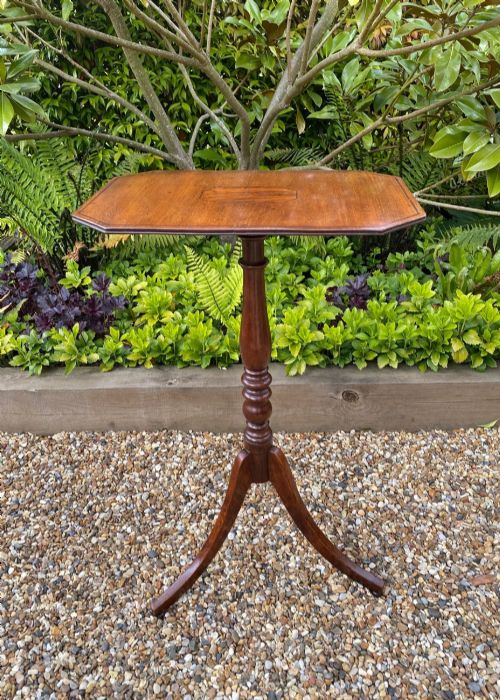
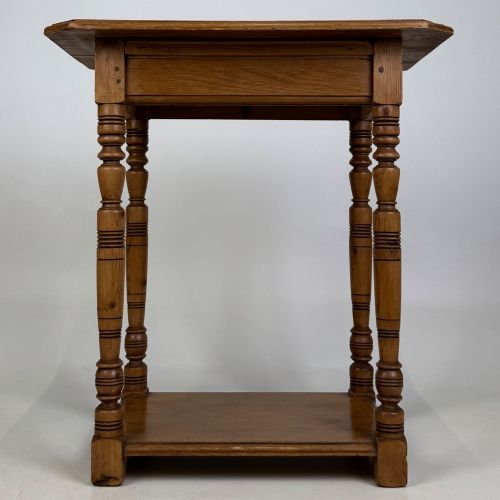
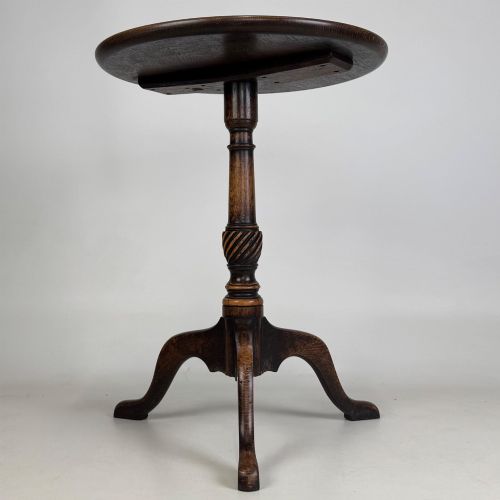
When searching for a small victorian occasional table, buyers encounter compact nineteenth-century furnishings designed for flexible use in parlours, drawing rooms and bedrooms. These pieces encompass various forms such as wine tables, lamp tables, Sutherland tables and bedside tables originating across the Victorian era.
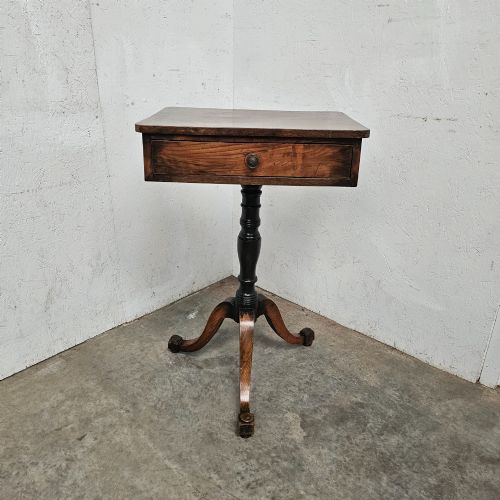
The most common versions met on this page are mahogany and walnut occasional tables featuring circular, octagonal or rectangular tops supported by pedestals or turned legs. Many examples incorporate folding leaves, tiers or tilt-top mechanisms suited to nineteenth-century domestic life.
How they were made
Cabinet makers utilised dense hardwoods including mahogany, walnut, burr walnut and rosewood, often applying figured veneers to create decorative surface patterns on table tops. Secondary timbers like oak and pine provide structural stability within frames and undercarriages.
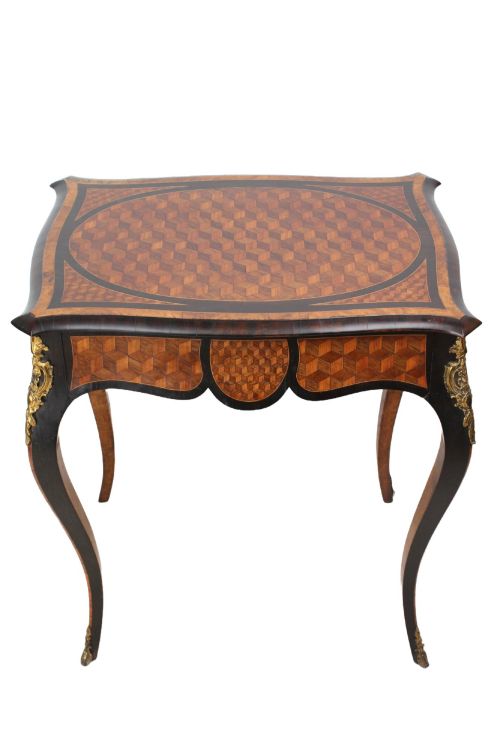
Joinery techniques combined traditional mortise and tenon joints with turned pedestal columns, tripod bases and occasional brass or ormolu mounts. Surface decoration frequently involved marquetry inlay, parquetry, ebonising, chip-carving or polished French polish finishes.
Simulated bamboo occasional tables let nineteenth-century households bring exotic botanical charm into British parlours without travelling to Asia.
What varies in quality
Quality in a small Victorian occasional table rests upon the selection of timber veneers, where highly figured burr walnut, amboyna or rosewood indicates a higher tier of production. The crispness of hand-carved details, precision of marquetry inlay and stability of tilt-top or folding mechanisms distinguish superior examples from standard workshop pieces.
Construction methods also separate utilitarian items from exhibition-grade furniture, visible in the joinery of drawer linings, the thickness of solid timber elements and the original state of the polished finish.
JAS Shoolbred·Gillows
The Small Victorian Occasional Table Glossary
- Sutherland table
- A type of narrow drop-leaf table with hinged flaps that fold down steeply on either side. These tables are supported by swinging gate legs when the leaves are raised.
- Tilt top
- A tabletop mounted on a catch and pivot mechanism that allows the surface to tilt vertically for storage against a wall when not in use.
- Burr walnut
- A prized timber veneer taken from the growth excrescences on walnut trees, displaying intricate, swirling grain patterns. Cabinet makers used it to create highly decorative table tops.
- Marquetry
- The art of applying pieces of veneer to a structure to form decorative patterns and pictures. Makers utilised various exotic woods to achieve contrasting tones.
- Ebonised
- Wood treated with a chemical stain or finish to imitate ebony. This technique gained popularity during the late nineteenth century, particularly within Arts and Crafts and Aesthetic Movement furniture.
Small Victorian Occasional Table: Frequently Asked Questions
What is a small Victorian occasional table used for?
These tables served various domestic functions in the nineteenth century, acting as stands for lamps, tea service, books or decorative ornaments.
Today, they function well in modern interiors as bedside stands, lamp tables or accent pieces in living spaces.
How do I identify a Victorian occasional table?
Identification relies on observing characteristic nineteenth-century timber choices such as mahogany, walnut and rosewood, combined with period joinery methods.
Stylistic cues from Victorian, Arts and Crafts, Aesthetic Movement or revival designs also help determine the era of manufacture.
How should I care for an antique wood table?
Protect the polished wooden surface by avoiding direct sunlight, excessive moisture and extreme temperature fluctuations that can dry out old timber.
Regular dusting with a soft cloth and occasional application of appropriate wax polish helps maintain the finish.