

Small Tier Side Table
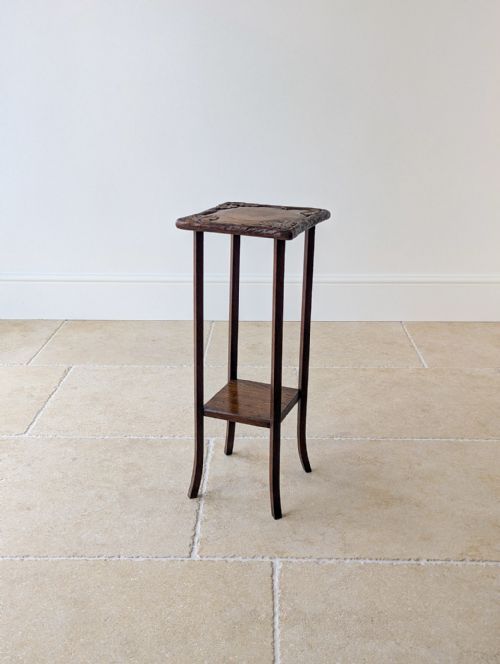
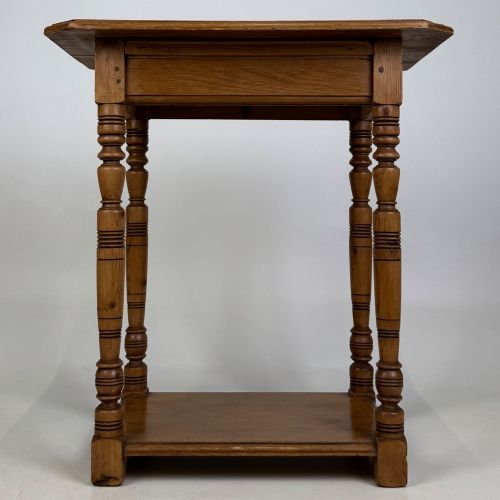
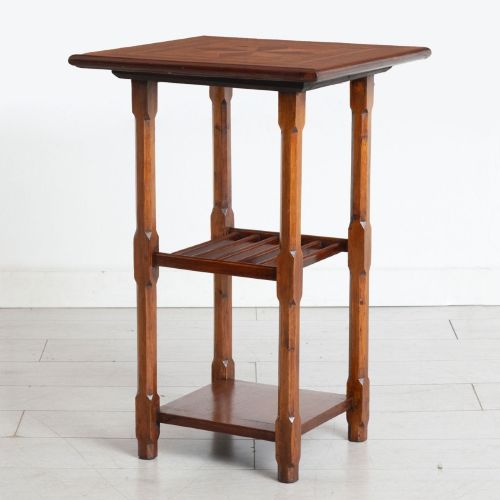
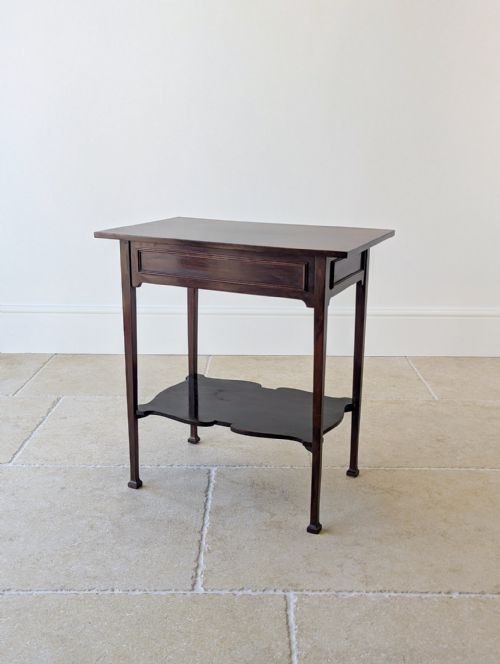
These small tier side tables offer compact surfaces and multiple levels, spanning Victorian and Edwardian periods in mahogany, oak, and walnut.
Small Tier Side Table
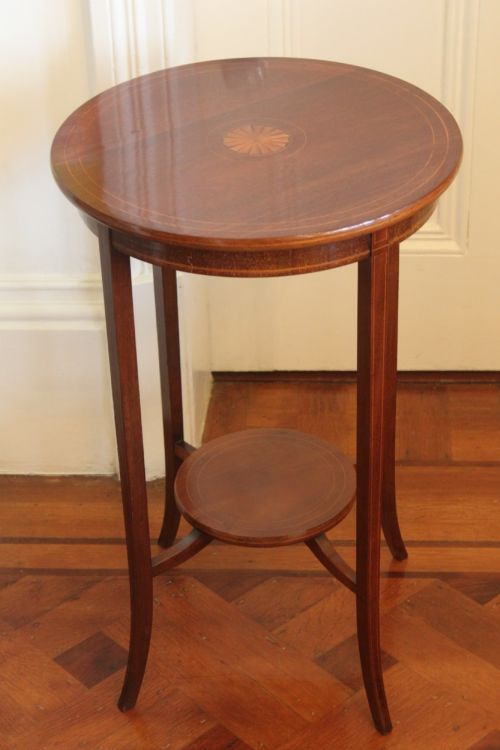
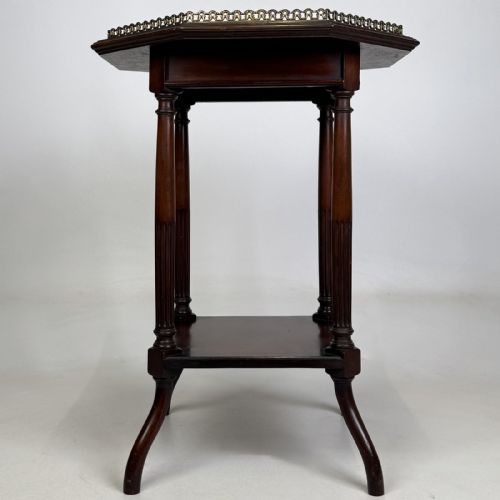
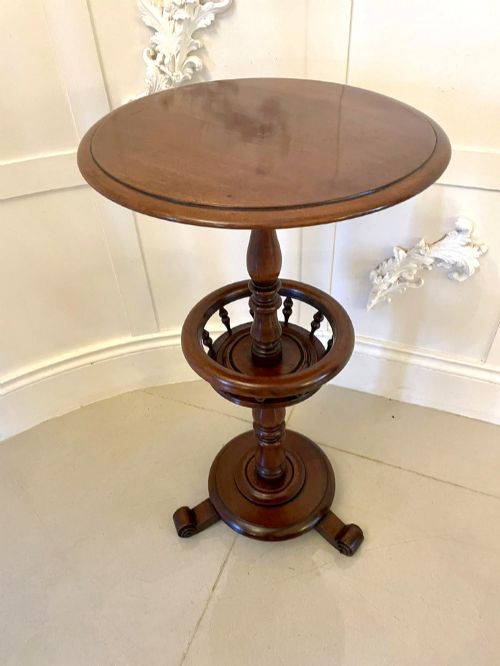
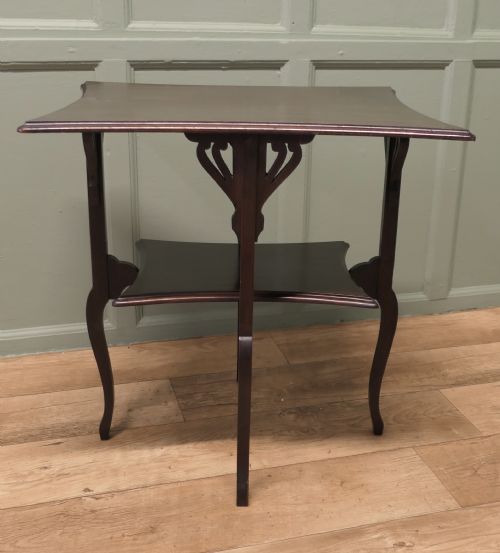
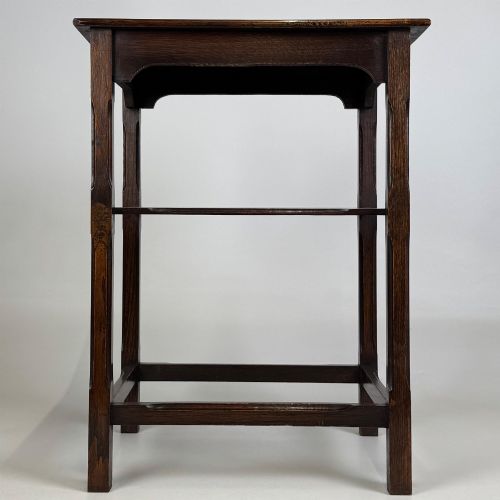
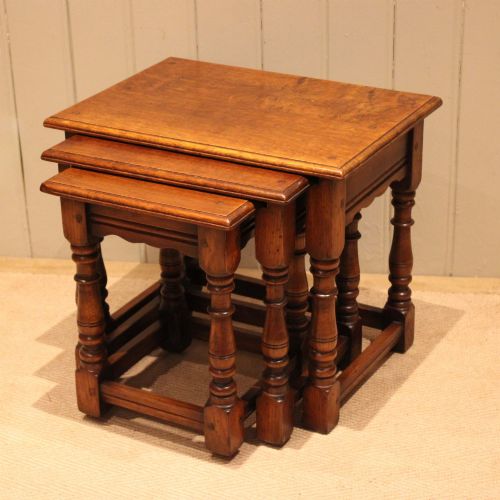
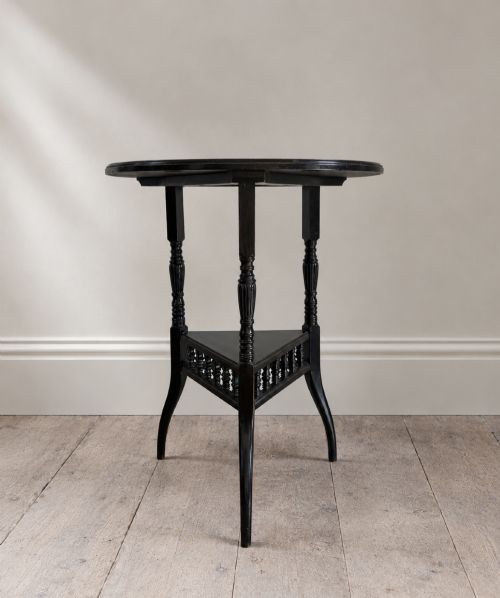
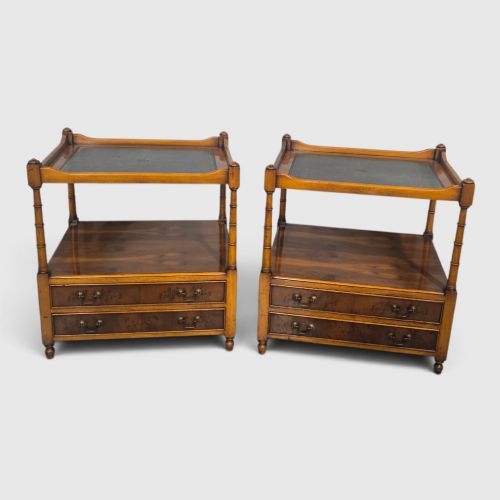
A small tier side table is a compact piece of furniture designed for occasional use, providing multiple surfaces within a minimal footprint. These items appear across Victorian, Edwardian, and early twentieth-century periods as side tables, lamps tables, and étagères.
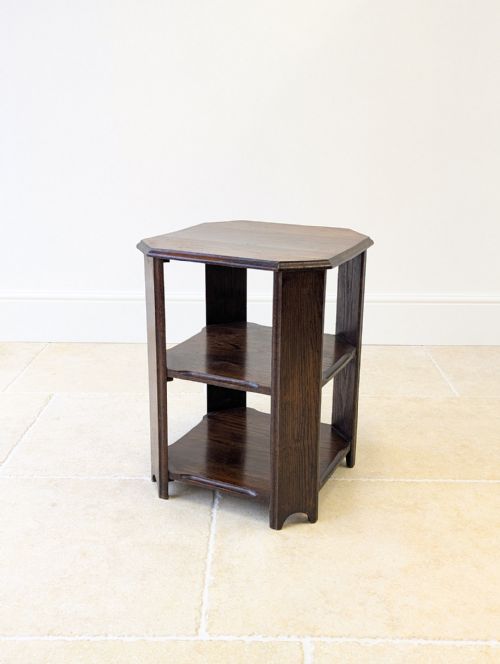
The versions most commonly met on this page include oak and mahogany examples from the Edwardian era, alongside Victorian walnut and nineteenth-century occasional tables. Many feature two or three tiers for storage or display in domestic interiors.
Materials and construction
Timbers such as mahogany, oak, walnut, burr walnut, and yew form the primary structures of these tables, supplemented by brass fittings, leather inserts, and bamboo. Cabinetmakers utilised solid woods and decorative veneers to create contrasting surfaces across different tiers.
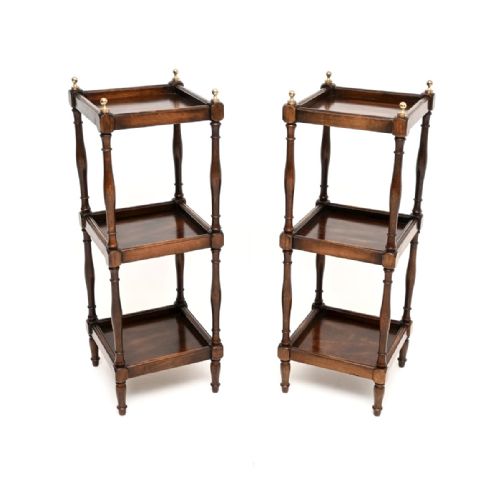
Joinery methods reflect the periods of manufacture, ranging from Arts and Crafts pegged joints to Victorian turned supports and Regency revival styling. Étagères and whatnot designs incorporate tiered platforms held by slender uprights or columns.
The site listings feature tables spanning the nineteenth and twentieth centuries, incorporating materials like mahogany, oak, walnut, yew, and rosewood.
Distinctions in quality
The quality of a small tier side table rests on the selection of timber, such as figured burr walnut or rich mahogany, and the precision of its joinery. Superior pieces display thoughtful grain matching across multiple tiers and robust structural stability.
Maker attribution and refined decorative elements, including inlay, parcel gilt, or brass mounts, separate standard production items from finer workshop pieces. The integrity of the tiered structure and the crispness of turned or carved details define the upper range.
Gillows·W. Turner Lord & Co
The Small Tier Side Table Glossary
- Étagère
- A set of open shelves or tiers for displaying small objects, popular in nineteenth-century furniture design.
- Whatnot
- A piece of furniture consisting of shelves for holding books or ornaments, often constructed with multiple tiers.
- Burr walnut
- Timber taken from a walnut tree outgrowth, prized for its intricate and swirling grain patterns.
- Occasional table
- A small table designed for intermittent use in living spaces, such as a lamp or side table.
- Arts and Crafts
- A design movement emphasising handcraftsmanship, simple forms, and natural materials without excessive ornamentation.
Small Tier Side Table: Frequently Asked Questions
What is a small tier side table used for?
These tables serve as versatile surfaces for lamps, books, and decorative items within domestic rooms. Their multi-tiered design provides extra display space without occupying a large floor area.
They fit easily beside seating or in hallways, functioning as lamp tables, plant stands, or occasional tea tables depending on their height and tier configuration.
How do I identify a Victorian tier table?
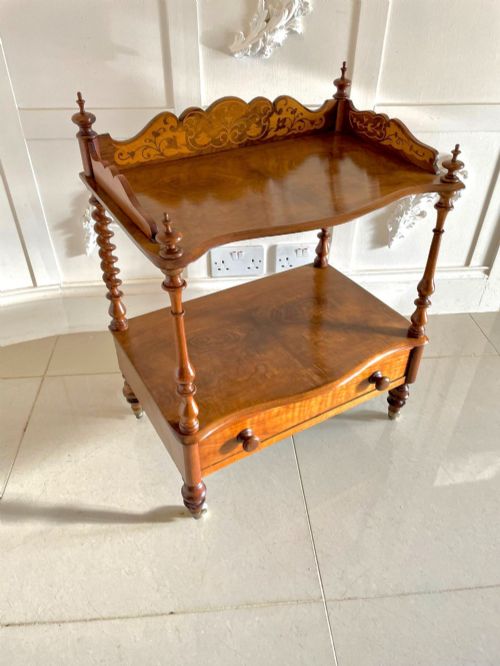
Victorian examples frequently utilise dense timbers like mahogany, walnut, or burr walnut, often featuring rich grain patterns and darker finishes. Construction details include turned wooden supports, heavier proportions, and occasional inlaid decoration.
They often date from the mid to late nineteenth century, reflecting the period's preference for functional yet ornate occasional furniture.
What distinguishes Edwardian two-tier tables?
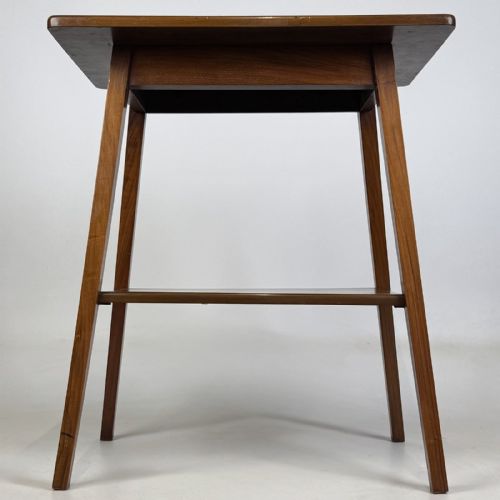
Edwardian tier tables commonly appear in lighter oak or mahogany, aligning with the brighter aesthetic preferences of the early twentieth century. Their forms tend to be more restrained and slender than their Victorian predecessors.
Many incorporate Arts and Crafts influences, displaying simple functional lines, exposed joinery, or pegged construction.
Are étagères and whatnots the same as side tables?
Étagères and whatnots are specific forms of multi-tiered shelving units designed primarily for display rather than general surface utility. While they function similarly to tier side tables, they traditionally emphasise vertical staging.
In historical listings, these terms often overlap as makers adapted tiered shelving formats to serve as occasional side tables.
Where should I place a small tier side table?
These pieces suit compact spaces where surface area is needed alongside vertical storage, such as beside a sofa or armchair. Their multiple tiers allow for placing a lamp on top while keeping books or objects on lower shelves.
They also function effectively in corners or empty hallway spaces as plant stands or display surfaces.