

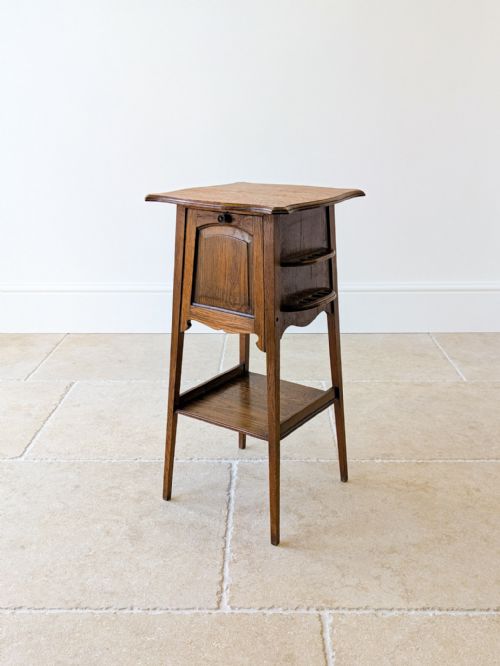
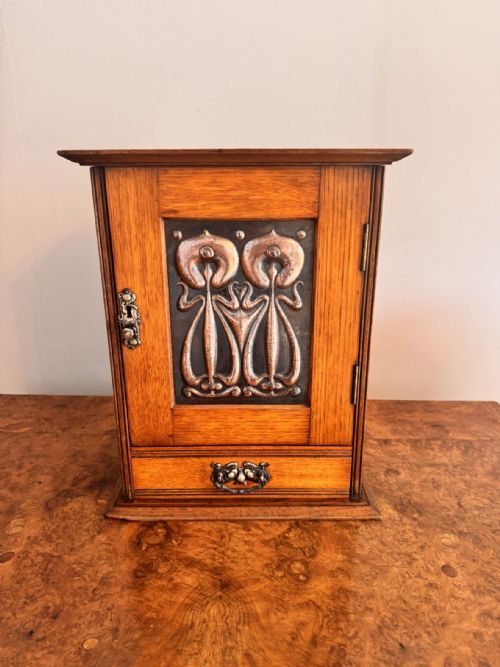
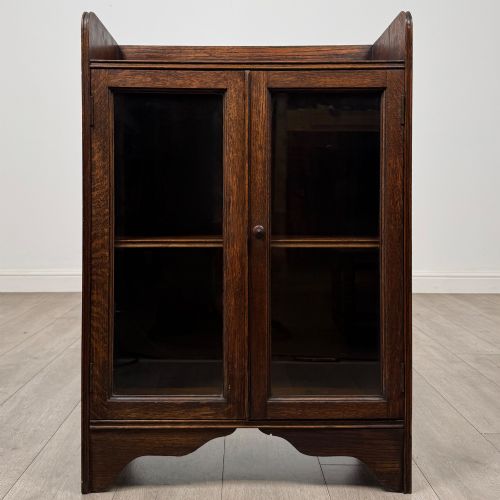
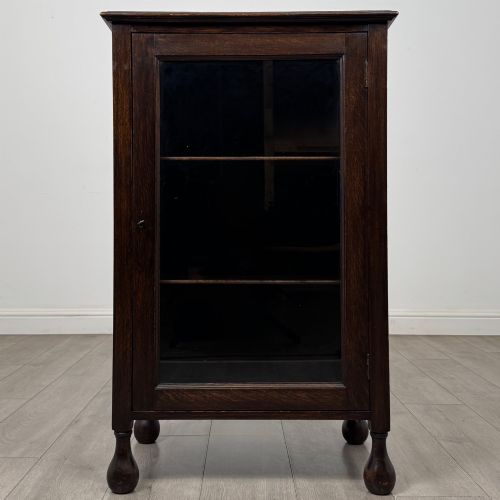
Small Standing Cupboard
A small standing cupboard solves tight corners while holding books, linens, or china with proper period character.

Small Standing Cupboard
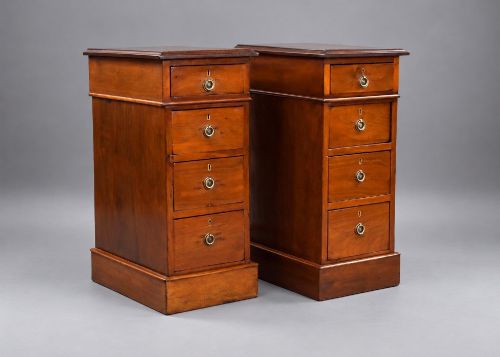
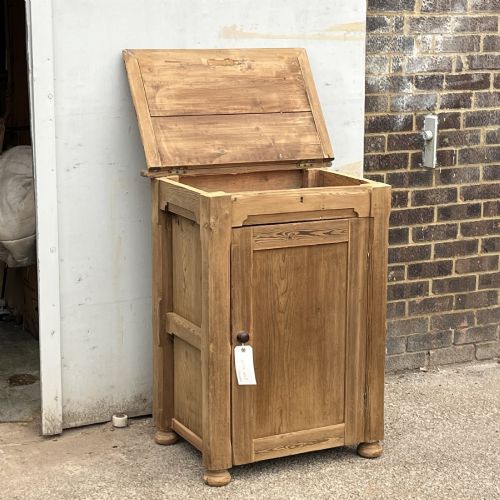
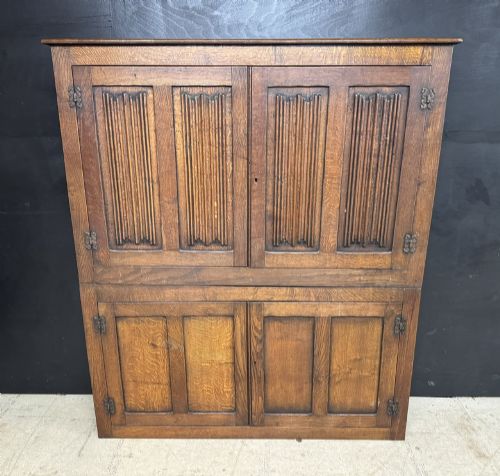
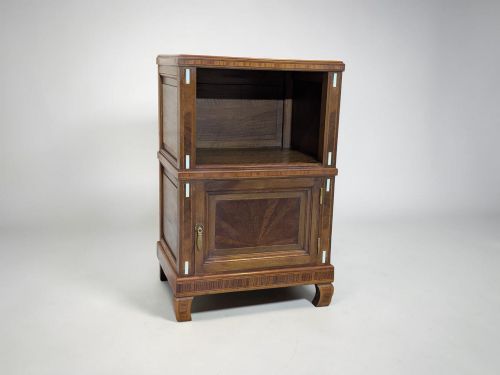
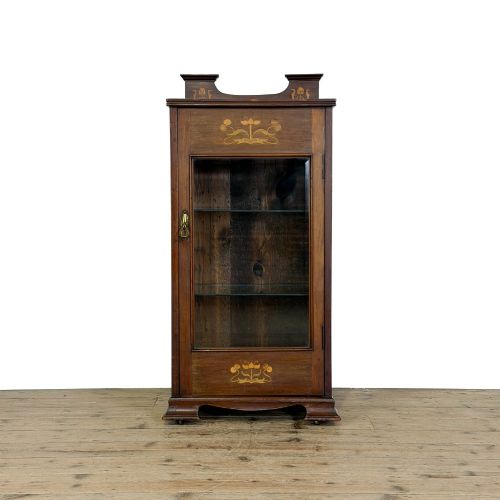
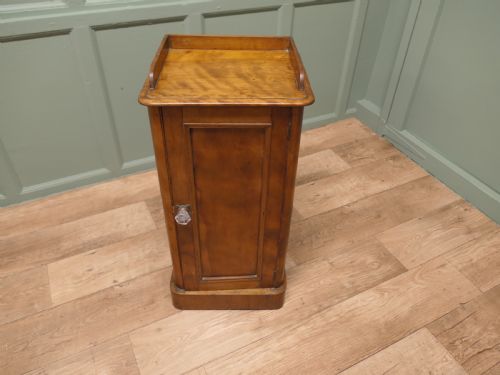
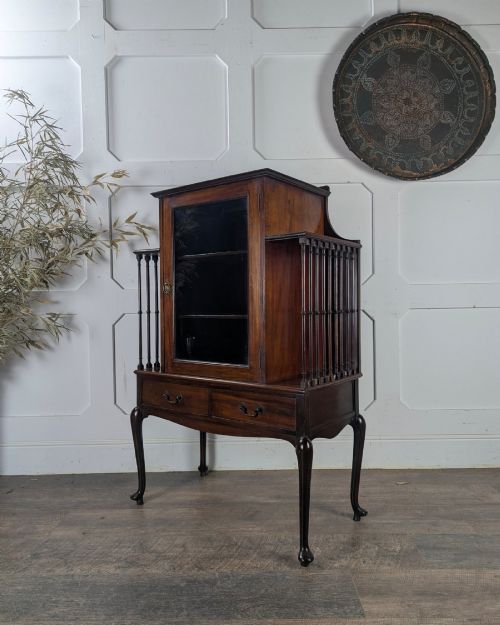
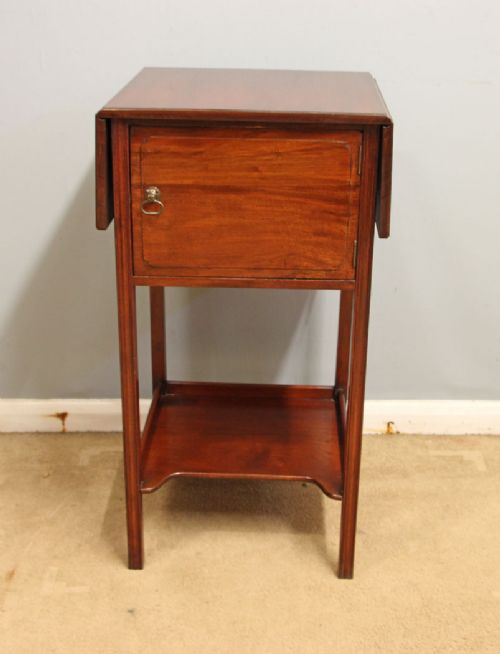
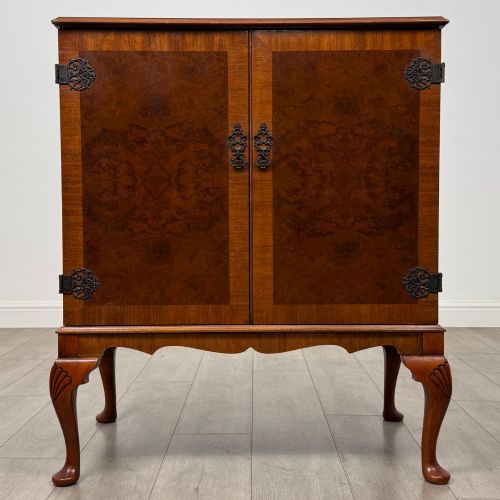
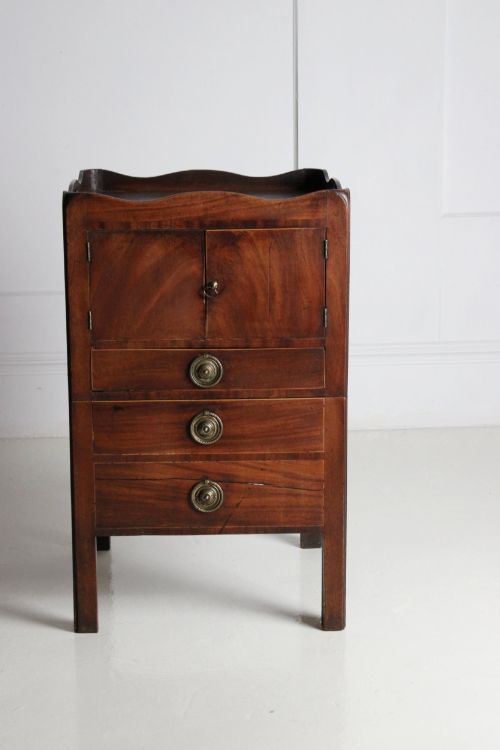
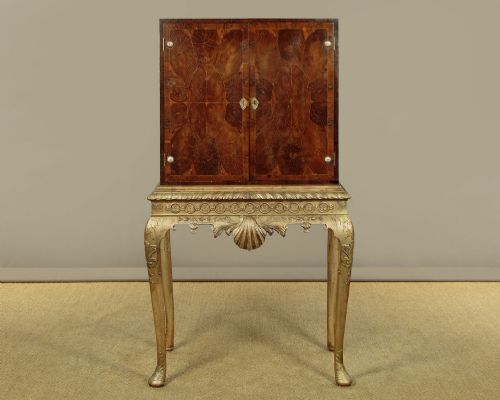
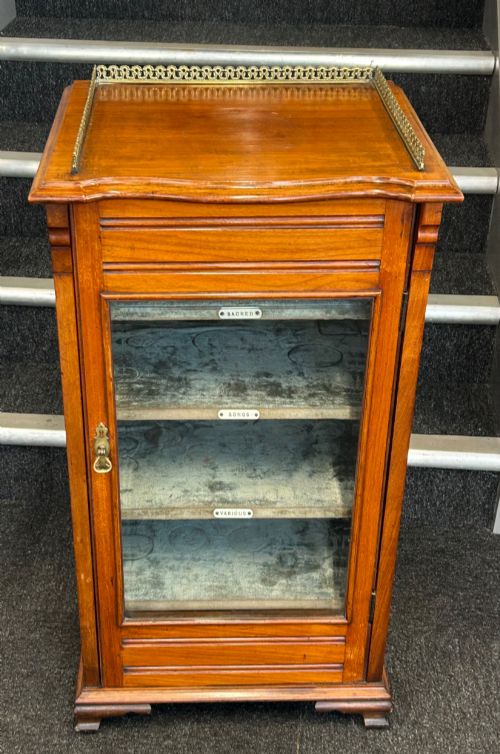
A small standing cupboard offers vertical storage scaled for modest rooms, drawing on centuries of domestic joinery. These pieces range from bedside cabinets and music cabinets to compact bookcases with enclosed lower sections.
Edwardian and early twentieth-century examples in oak or mahogany appear most frequently on this page. Earlier Georgian and Victorian pieces also turn up, alongside heavy seventeenth-century style revivals.
Form follows function closely across these designs, shifting from glazed display fronts to solid panelled doors. Buyers encounter floor-standing corner cupboards, pot cupboards, and low open bookcases fitted with hidden storage compartments.
What varies in quality
The refinement of the timber preparation and the subtlety of the surface finish dictate the standing of a piece. Finer examples display carefully matched wood grains, precise marquetry or inlay work, and hand-carved detailing rather than stamped ornamentation.
Structural harmony separates straightforward utility furniture from exceptional cabinetmaking. Proportions, the neat fit of doors within their frames, and the preservation of original hardware determine the overall standard.
Small Standing Cupboard Retail Price Guide 2026
Typical asking prices for small standing cupboard among the pieces listed under this phrase on Sellingantiques today, from the lower quarter to the upper quarter. They describe what is for sale here now, not the wider market.
Materials appearing across the stock include brass, glass, iron, mahogany, oak, walnut, satinwood, and pine.
Gillows·Harrods·Howard & Sons
The Small Standing Cupboard Glossary
- Pot cupboard
- A small bedside cabinet originally designed to house a chamber pot. These pieces usually feature a single door above or beside a compact drawer.
- Waterfall bookcase
- A set of open shelves diminishing in depth from bottom to top, frequently paired with an enclosed cupboard base. This style gained popularity during the Georgian and Victorian eras.
- Marquetry
- The art of applying decorative veneer pieces to a structure to form geometric or floral patterns. Craftsmen used contrasting timbers like harewood and mahogany to achieve tonal depth.
- Court cupboard
- A heavy, compact form of medieval and Jacobean storage furniture featuring recessed upper tiers and enclosed lower compartments. These pieces are typically constructed from solid oak.
Small Standing Cupboard: Frequently Asked Questions
Where should I place a small standing cupboard?
These compact pieces fit easily into alcoves, hallways, or beside a bed where floor space is limited. Their vertical proportions provide useful storage without overwhelming smaller rooms.
Position them away from direct heat sources and strong sunlight to protect older timbers and polished finishes from warping or fading over time.
How do I identify a Georgian piece?
Georgian furniture relies on clean architectural lines, solid mahogany or oak construction, and restrained decorative elements like brass handles and bracket feet. Look for traditional hand-cut dovetails inside drawers.
Joinery methods on these pieces typically show signs of manual planing and fitting, differing from the more standardised manufacturing techniques of later centuries.
What is the difference between a pot cupboard and a bedside cabinet?
A pot cupboard historically contained a small enclosed space meant for a chamber pot, often disguised as a simple bedside table. Over time, the internal shelf arrangement evolved to store general household items.
Modern usage treats both terms interchangeably for small bedside storage units, though older pot cupboards retain specific internal ventilation holes or marble tops.
How do I care for antique wood furniture?
Maintain a stable room temperature and consistent humidity to prevent timber from cracking or drying out. Dust the surfaces regularly with a soft, dry cloth rather than using silicone-based polishes.
Apply a traditional beeswax occasionally to nourish the grain and preserve the natural sheen of mahogany, walnut, or oak without building up heavy residue.