
Small Round Wine Table
A small round wine table serves as a compact surface for drinks, lamps and books, offering proportion and portability to period interiors.
Small Round Wine Table
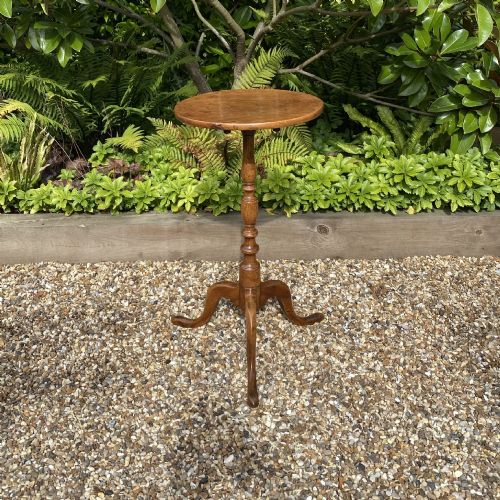
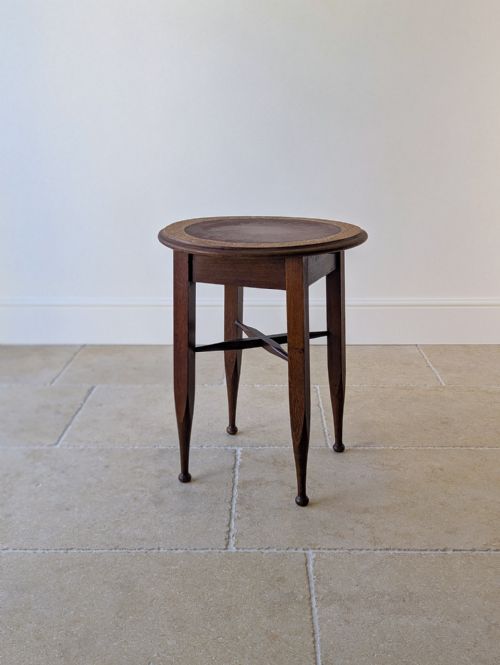
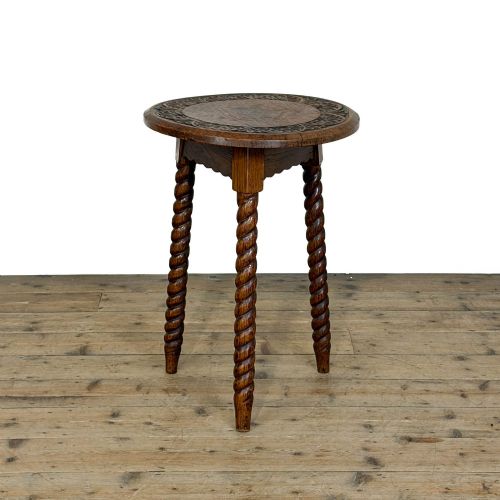
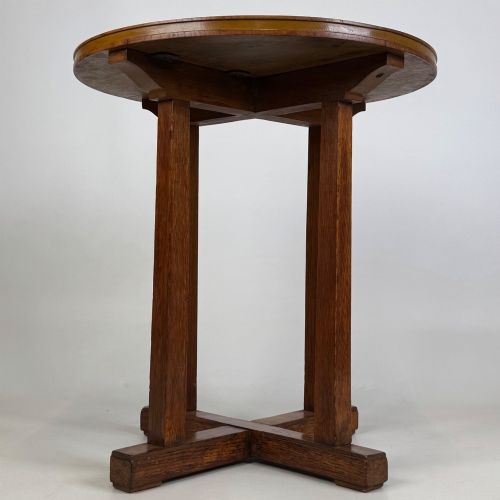
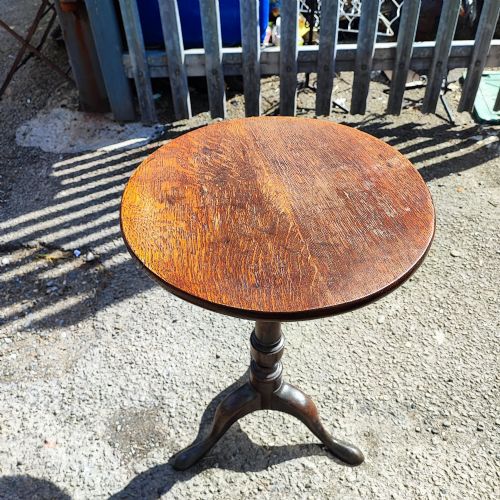
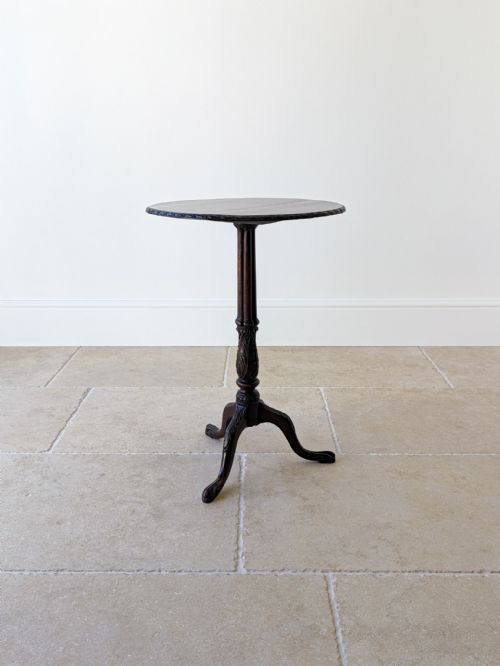
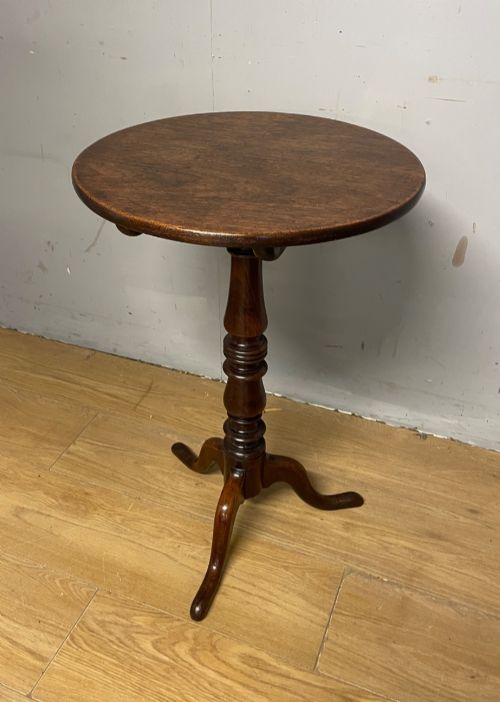
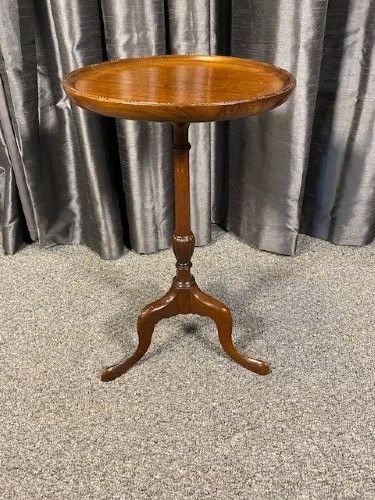
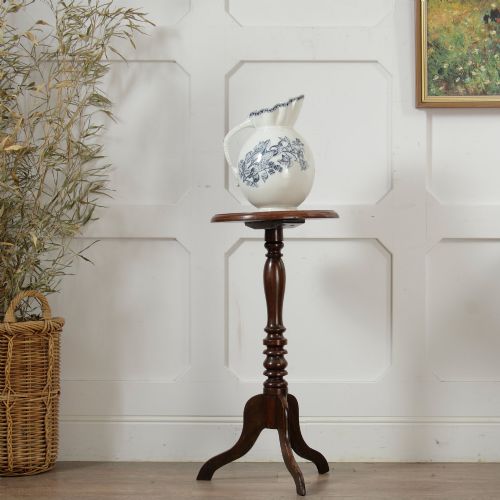
A small round wine table is a compact pedestal piece designed to hold glasses or small objects beside a chair or sofa. When you search for this phrase, you find examples originating from the Georgian, Victorian and Edwardian eras, alongside later revivals.
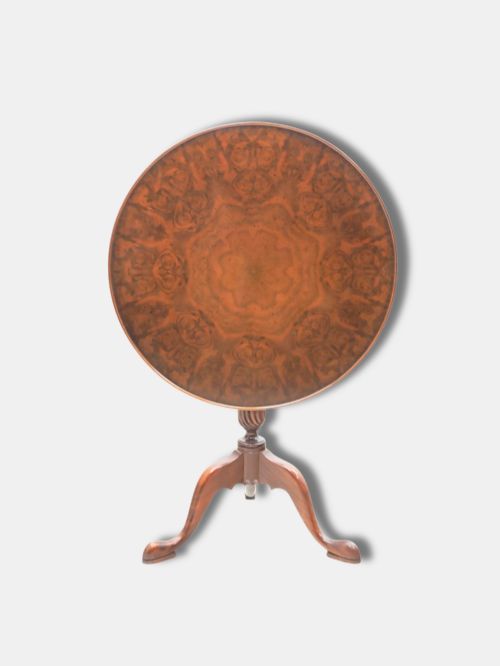
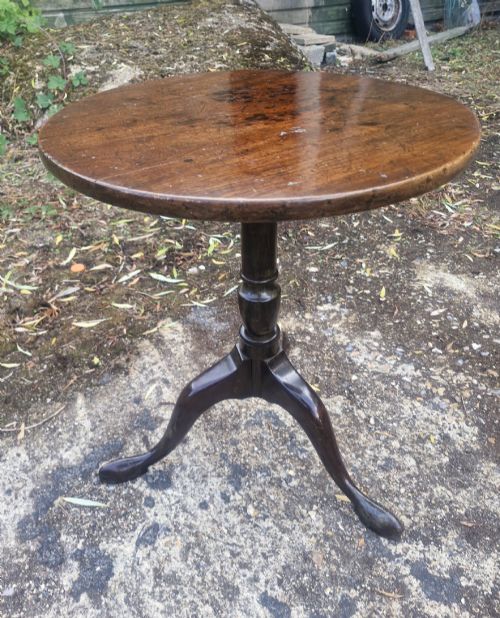
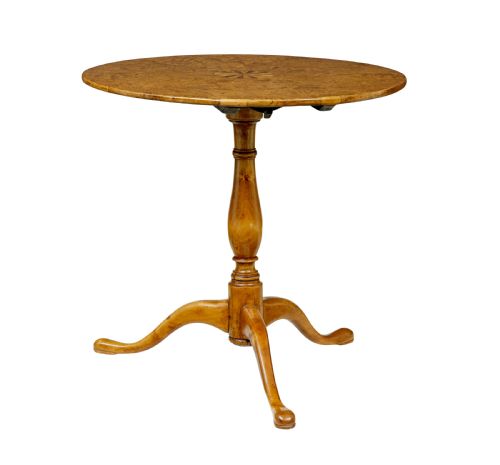
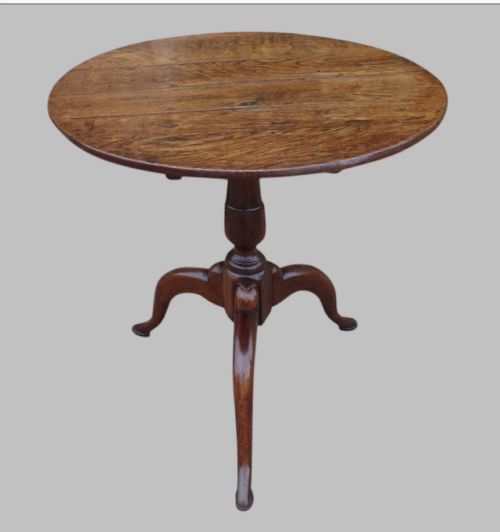
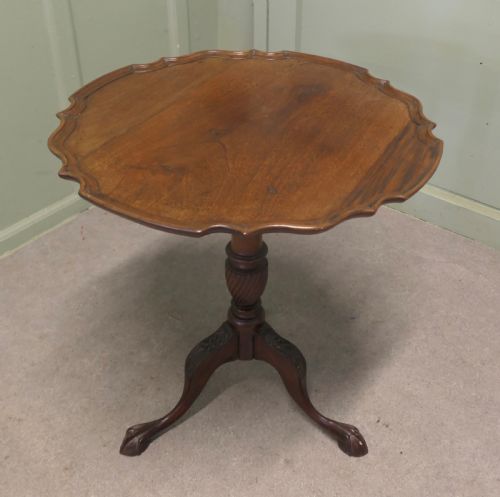
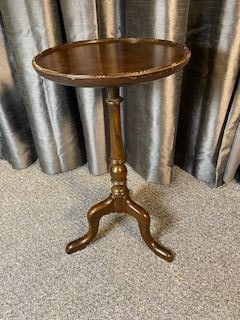
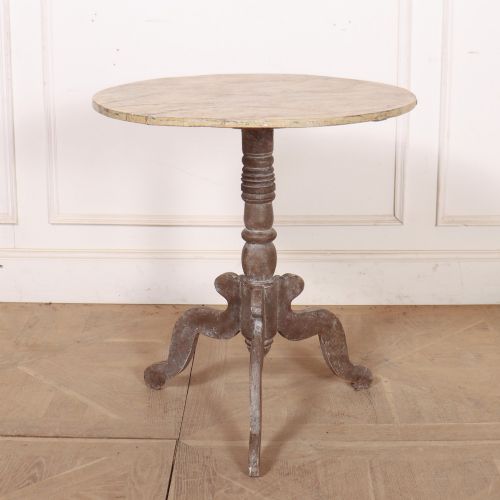
Mahogany and oak dominate the selection, often formed with a circular top supported by a central pillar and three legs. These tripod frames allow the furniture to stand steady on uneven floors while occupying minimal floor space.
Many variations include tilt-top mechanisms, which enable the timber surface to fold vertically when not in use. This practical design allowed eighteenth and nineteenth-century households to store tables against walls to clear rooms.
Materials and Construction
Cabinetmakers constructed these tables using dense timbers such as mahogany, walnut and oak, selecting boards for grain movement and strength. Turning lathes shaped the central pedestals and legs, while hand-carving added detail to knees and feet.
Joinery methods relied on precise tenons and iron fixings to secure the pillar to the tripod base. Tops were frequently attached via wooden birdcage blocks or metal latches that permitted the top to pivot or detach.
Periods represented range from the 18th century through the Victorian and Edwardian eras into the 1930s.
Evaluating Quality
The merit of a small round wine table rests on the crispness of its turned woodwork and the thickness of the timber selected for the top. Superior pieces display well-proportioned pillars and hand-cut joints rather than heavy machine-milled components.
Surface finish and patination reveal how a table has aged, with older wax layers showing depth and warmth across the mahogany or oak. Examples retaining original tilt mechanisms and matching tripod legs hold greater integrity than those with replaced parts.
Waring & Gillow
The Small Round Wine Table Glossary
- Tripod base
- A three-legged support structure beneath the central column. This arrangement ensures the table remains stable on uneven floorboards.
- Tilt-top
- A hinged mechanism that allows the circular tabletop to fold flat against the pedestal. This feature facilitated easy storage in historic rooms.
- Pedestal
- The vertical pillar supporting the tabletop. It is typically turned on a lathe and connects the upper surface to the base legs.
- Pie crust edge
- A raised, carved moulding along the perimeter of the tabletop. This decorative detail resembles the crimped edge of pastry.
- Birdcage
- A wooden framework beneath the tabletop that allows the surface to rotate and tilt. It consists of small spindles enclosed by horizontal rings.
Small Round Wine Table: Frequently Asked Questions
What is a wine table used for?
These pieces functioned historically as portable surfaces for holding glasses, decanters and candles near seating areas. Today they serve equally well beside armchairs as lamp tables or display surfaces.
Their small diameter prevents them from dominating a room, making them versatile additions to both traditional and modern layouts.
How do I identify a tilt-top table?
Look beneath the circular top for a wooden catch or brass latch that fixes the surface to the vertical pillar. When released, the top pivots ninety degrees to stand vertically.
This mechanism was standard on eighteenth and nineteenth-century examples to save space when rooms were cleared.
Are these tables sturdy?
The three-legged tripod design naturally self-levels on historic uneven floors, preventing the wobble associated with four-legged furniture. The weight of the central timber column also anchors the base.
However, care must be taken with heavy objects near the outer edge of smaller tops.
What timber was most commonly used?
Mahogany is the most frequent material found in these listings, prized by Georgian and Victorian cabinetmakers for its rich colour and stability. Oak and walnut also appear regularly, particularly in earlier country pieces and Arts and Crafts designs.
Selection often depended on the fashionable wood of the specific period.