


Small Round Candle Stand
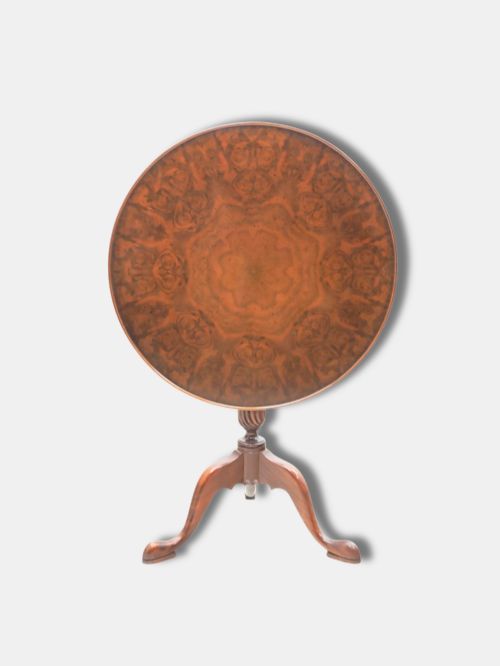
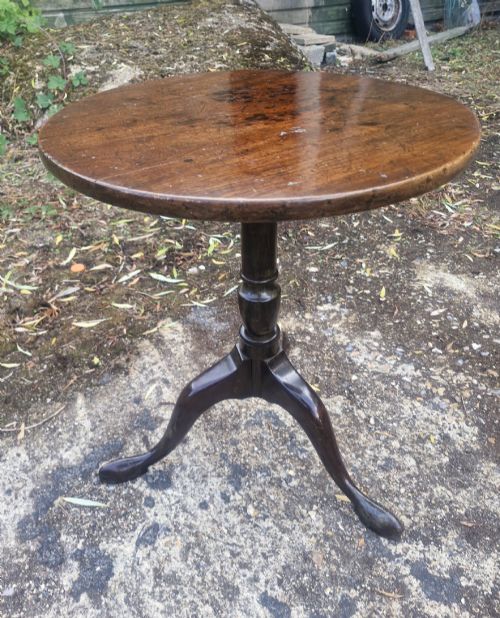
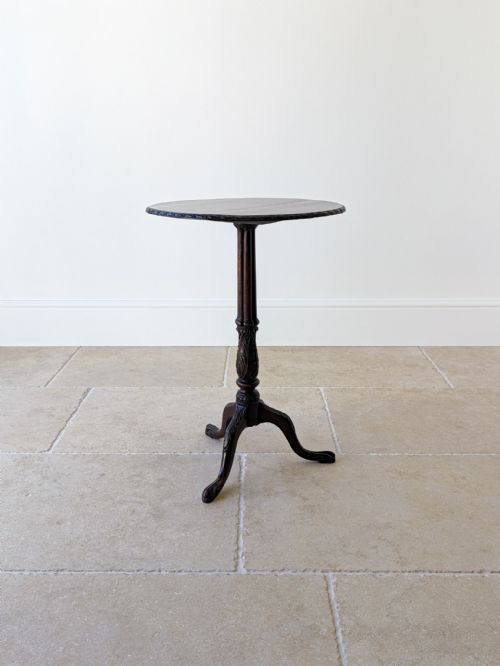
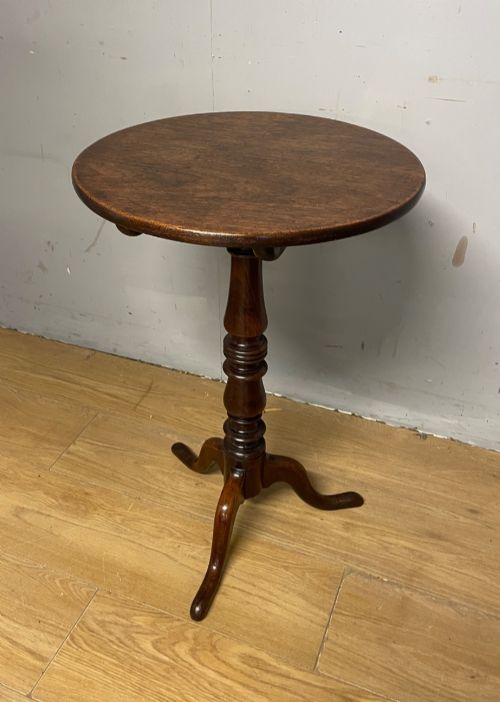
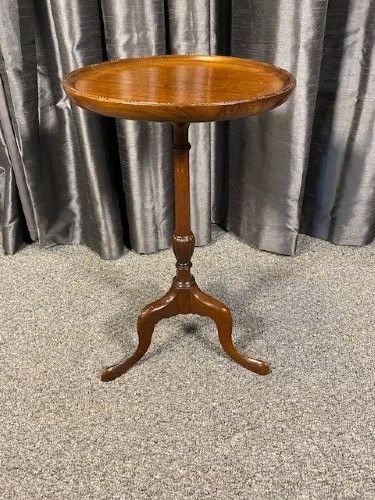
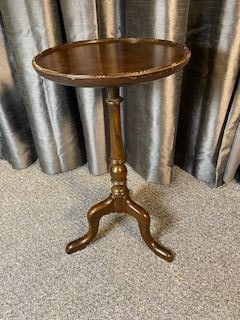
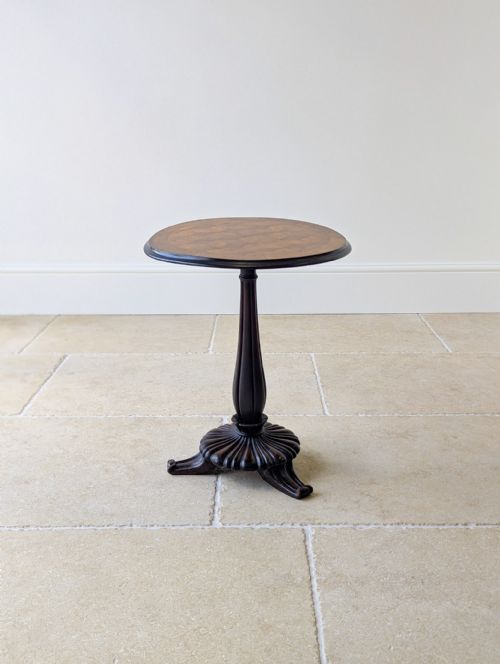
A small round candle stand brings compact utility to a corner, most often appearing as a timber tripod table designed for portable illumination.
Small Round Candle Stand
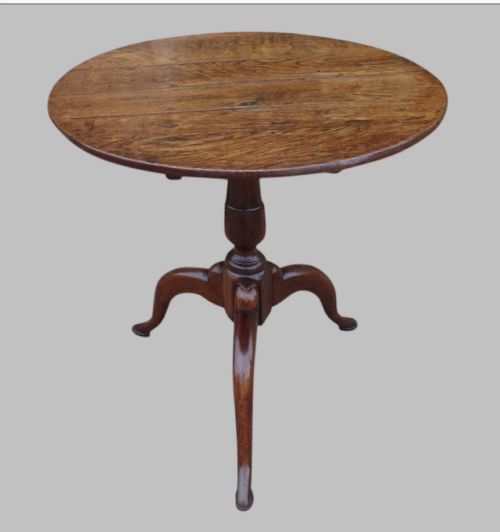
When searching for a small round candle stand, a buyer examines diminutive timber tables intended originally to hold lighting or wine. The pieces appearing most frequently across this selection take the form of tripod wine tables and occasional tables resting on central pedestals.
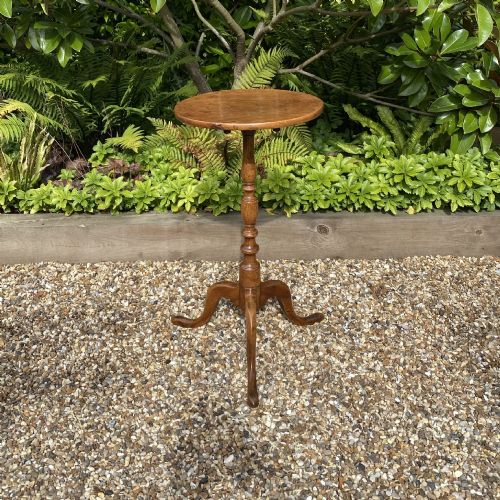
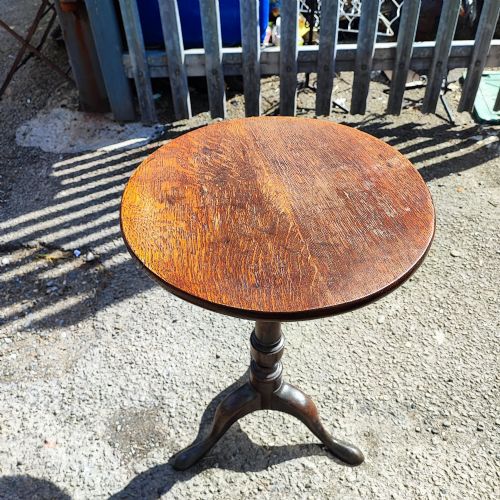
Originating predominantly from the Georgian, Regency, and Victorian periods, these compact items utilise circular wooden tops supported by three splayed legs. Examples range from simple country oak versions to polished mahogany and walnut designs from the nineteenth century.
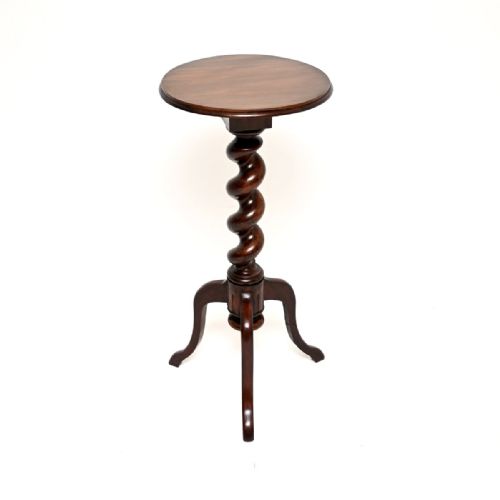
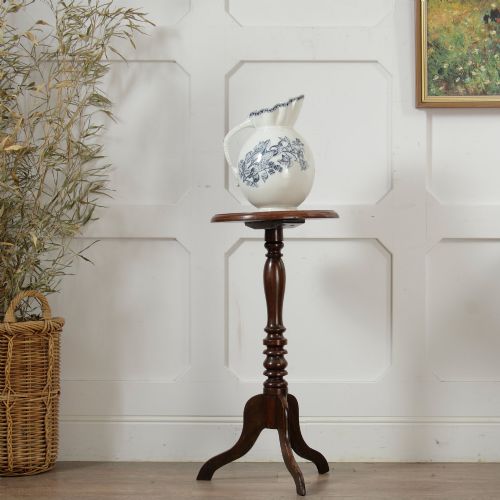
Maker styles span from plain George II and George III country furniture to elaborate Victorian revivals featuring barley twist columns. Their modest proportions make them adaptable as lamp stands or bedside surfaces in modern interiors.
How they were made
Cabinetmakers constructed these stands using dense hardwoods such as mahogany, walnut, oak, rosewood, and yew wood. Selected timber was turned on a lathe to form the central pedestal column and shaped into three supporting legs for stability.
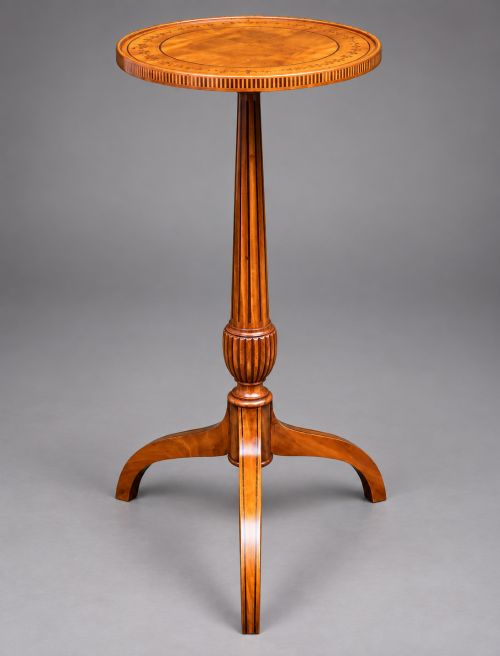
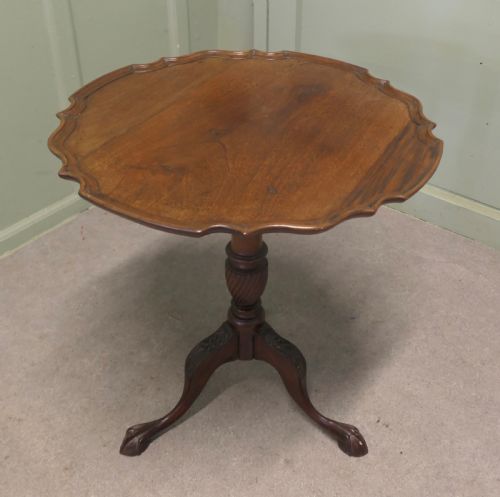
Many tables incorporate a tilt top mechanism, allowing the circular top to fold vertically when not in use. Surfaces occasionally feature decorative wood inlay or distinct edge profiles like dish tops and pie crust borders.
Listings feature woods including mahogany, walnut, oak, rosewood, yew wood, and satinwood across Georgian and Victorian periods.
What varies in quality
The distinction between standard examples and finer pieces lies in the choice of timber and the crispness of the turning. Selected grain patterns in walnut and mahogany elevate the visual weight of a compact stand.
Structural integrity depends on the joinery connecting the tripod base to the central pedestal. Superior specimens retain rigid joints without excessive wobble in the column, while simpler country pieces display straightforward pegged construction.
The Small Round Candle Stand Glossary
- Tripod table
- A small freestanding table supported by a central pillar above three legs. This configuration prevents rocking on uneven floors.
- Tilt top
- A hinged mechanism allowing the tabletop to pivot into a vertical position. This saved floor space in period rooms.
- Barley twist
- A carved spiral column resembling a twisted loaf of bread. This decorative turning is common on Victorian pedestals.
- Pie crust edge
- A raised, scalloped tabletop border carved from the solid wood rim. It prevents items from sliding off the surface.
Small Round Candle Stand: Frequently Asked Questions
What were small round candle stands used for?
These tables served primarily to hold portable lighting devices such as candles or oil lamps beside seating areas. Their small footprints also suited them for holding wine glasses or tea equipment during evening gatherings.
Over time, their utility shifted toward domestic display spaces, acting as lamp tables or occasional surfaces in smaller rooms.
How do I date a tripod table?
Dating relies upon timber choice, leg profile, and the turning style of the central pillar. Georgian examples often show restrained cabriole legs or plain tapered shafts, while Victorian pieces frequently introduce barley twists and rosewood veneers.
Construction marks beneath the top, such as hand-cut screws or peg fixings, provide further clues to the manufacturing decade.
Are tilt top tables stable?
A well-fitted tilt mechanism locks the circular top securely to a wooden catch block mounted on the central column. Minor movement at the hinge is common in older furniture due to historic timber shrinkage.
When lowered properly, the weight of the solid timber top keeps the surface flat and steady for daily use.
Where should I place a small round candle stand?
The compact dimensions allow these stands to fit easily into tight corners, beside armchairs, or between windows. They function effectively as bedside tables or designated spots for a single reading lamp.
Keeping them away from direct heat sources protects the polished timber and prevents the circular top from warping.