



Small Rosewood Bureau
A small rosewood bureau brings compact elegance and rich timber grain to a room, offering a dedicated writing surface with fitted interior compartments.
Small Rosewood Bureau
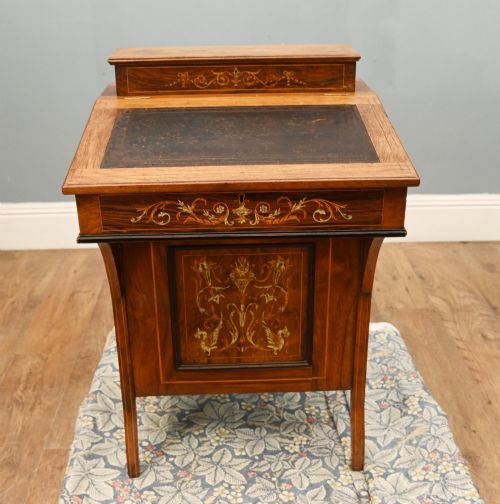
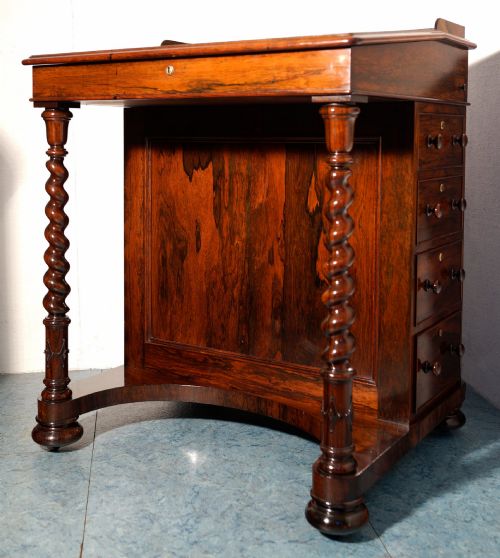
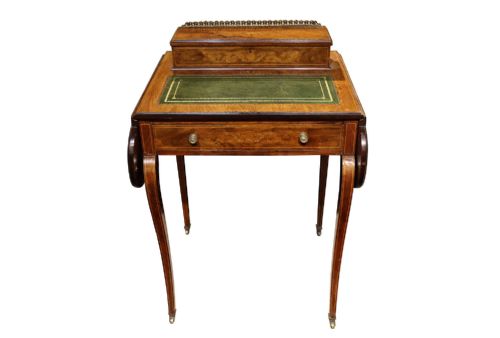
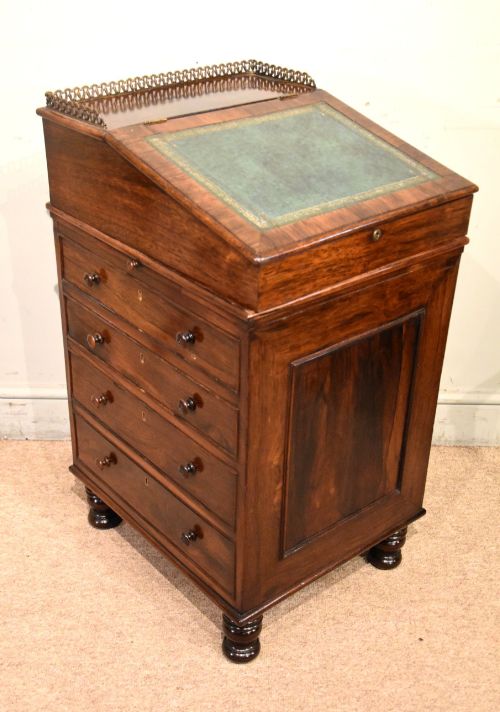
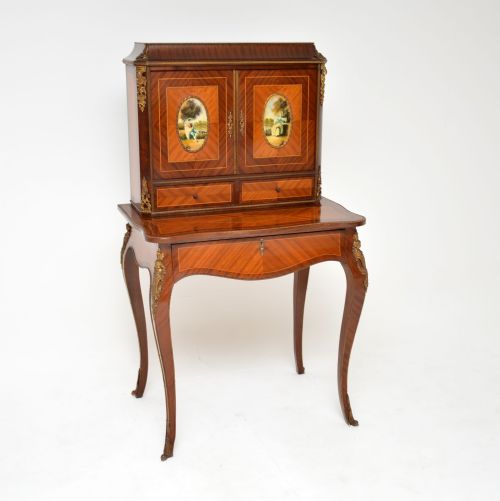
When you search for a small rosewood bureau, you encounter refined writing furniture designed for compact spaces, frequently taking the form of davenport desks or lady's writing tables. These pieces combine a slanted or flat writing surface with storage drawers, often featuring fitted interiors for stationery and inkwells.
How they were made
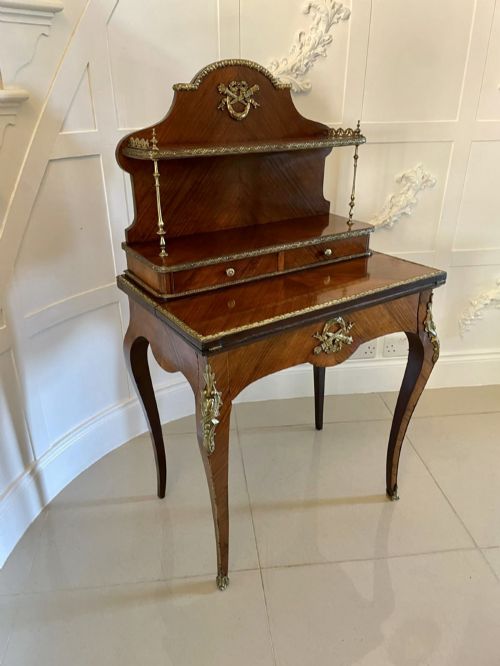
Cabinet makers utilised dense rosewood timber as the primary structural and visual medium, sometimes augmented by contrasting kingwood or satinwood inlay. Metal mounts in brass or ormolu provide structural accents and hinges.
Writing surfaces frequently incorporate inset leather panels to create a durable writing plane. Fine stringing and marquetry patterns demonstrate the intricate cabinet work typical of Victorian and Edwardian workshops.
Small Rosewood Bureau Retail Price Guide 2026
Typical asking prices for small rosewood bureau among the pieces listed under this phrase on Sellingantiques today, from the lower quarter to the upper quarter. They describe what is for sale here now, not the wider market.
Materials appearing across the selection include solid rosewood, kingwood, satinwood inlay, leather, ormolu, and brass.
What varies in quality
The caliber of a piece rests upon the selection of timber figure and the precision of the cabinet work. Richly grained rosewood veneer matched across the fall front or desk body distinguishes finer examples from simpler constructions.
The sophistication of the internal fittings, such as secret drawers, pigeonholes, and quality brass hardware, elevates the standing of the desk. Integrated locking mechanisms and branded maker signatures further separate standard production from superior craftsmanship.
Edwards and Roberts·John McLean
The Small Rosewood Bureau Glossary
- Davenport desk
- A compact box-like desk featuring a sloping writing surface above a pedestal of side drawers. It originated in the late eighteenth century and remained popular through the Victorian era.
- Bonheur du jour
- A light lady's writing desk featuring a small cabinet, shelves, or drawers superstructure above the writing surface. This French form gained favour during the nineteenth century for drawing room use.
- Escritoire
- A writing cabinet or bureau equipped with a fall front that opens to reveal a fitted interior. It provides both storage and a fold-down writing plane.
- Stringing
- Thin inlay lines of contrasting wood used to outline drawers, borders, and panels on cabinet furniture. It highlights the geometric form of the piece.
Small Rosewood Bureau: Frequently Asked Questions
Where were small rosewood bureaux used?
These compact desks were traditionally kept in private chambers, boudoirs, or drawing rooms where space was at a premium. They provided a private space for correspondence and record keeping.
Today, they function well in home offices, living rooms, or hallways as both practical writing desks and decorative accent furniture.
How do I care for rosewood furniture?
Rosewood benefits from stable indoor humidity and protection from direct sunlight to prevent the timber and leather writing surfaces from drying out. Regular dusting with a soft, dry cloth preserves the polished finish.
Avoid placing hot or damp items directly onto the wood or leather. Occasional application of appropriate wax maintains the lustre of the grain.
How can I tell a Victorian desk from a Regency one?
Regency pieces often display classical restraint with clean architectural lines and restrained brass mounts, reflecting early nineteenth century aesthetics. Palisander and rosewood timbers are finished with a subtle sheen.
Victorian examples frequently incorporate more ornate marquetry, satinwood inlay, or elaborate gallery rails. They show the diverse revival styles favoured later in the nineteenth century.