


Small Regency Storage Cabinet
These small regency storage cabinet examples offer compact utility, pairing period timbers with neat proportions for practical modern spaces.
Small Regency Storage Cabinet
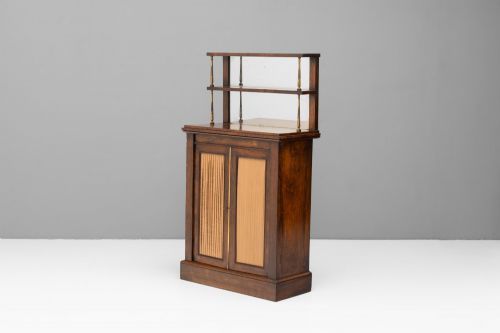
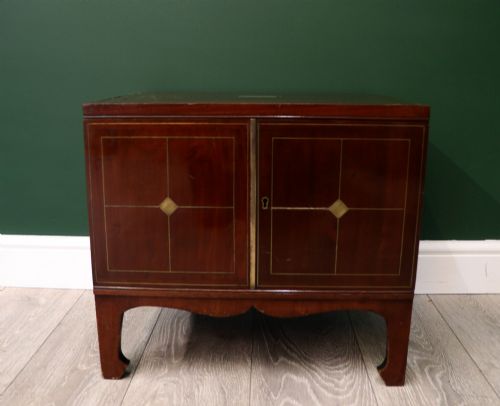
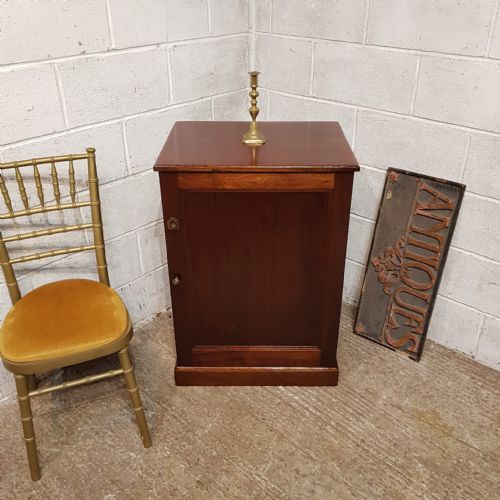
A small regency storage cabinet brings together compact furniture forms such as chiffoniers, side cabinets, and dwarf cupboards from the early nineteenth century and related periods. Buyers look for these pieces to provide enclosed shelving or drawers within rooms where floor space is limited.
Materials and construction
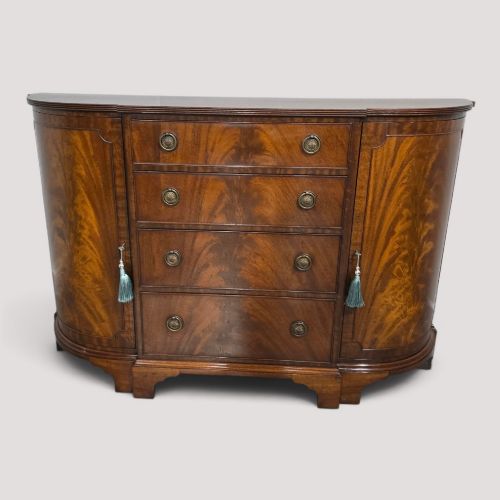
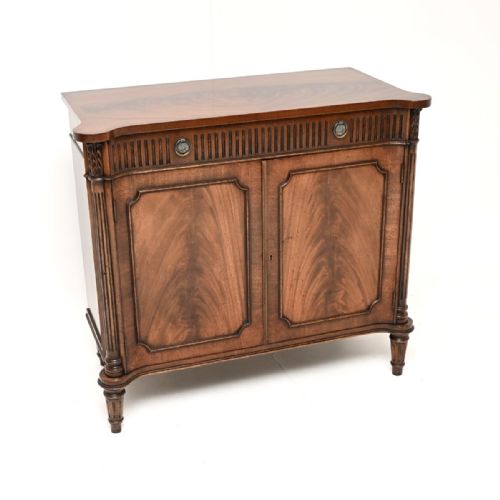
Cabinet makers relied heavily on rich timbers including mahogany, rosewood, burr yew, and pine, frequently applying flame mahogany veneer to visible surfaces. These woods were chosen for their deep grain patterns and stability during construction.
Metal detailing such as brass inlay and campaign mounts complemented the timber work, while fabric panels sometimes lined doors. Joinery methods ensured that neat proportions remained structurally sound for daily use.
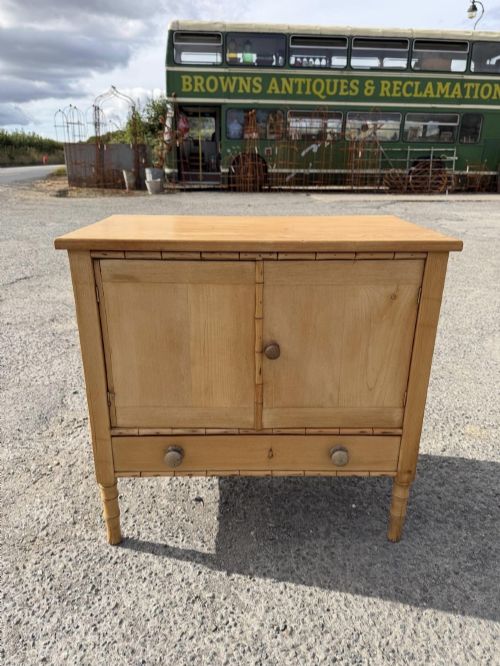
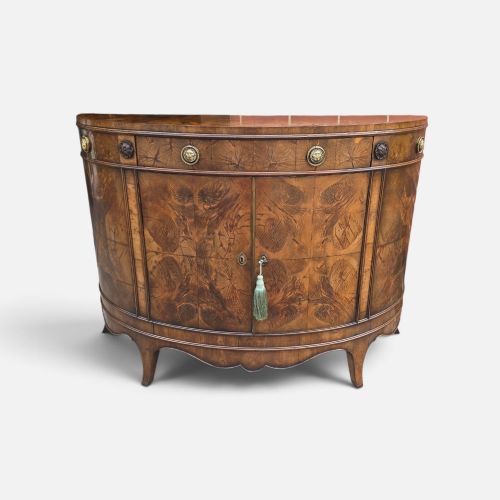
Listings feature woods such as burr yew, rosewood, and flame mahogany veneer, alongside pine carcases.
Distinguishing quality in these cabinets
Quality rests in the selection of timbers and veneers, where well-matched grains and choice woods elevate a piece far above standard utilitarian builds. Finer examples display meticulous attention to proportion, ensuring that compact items maintain balanced lines.
The refinement of secondary details, such as precision brass inlay or careful brass fittings, separates standard work from superior cabinet making. Original condition and surface patination further distinguish pieces that retain their integrity over time.
The Small Regency Storage Cabinet Glossary
- Regency
- A period in British design spanning the early nineteenth century, characterised by classical restraint and refined proportions.
- Chiffonier
- A compact sideboard or low cabinet typically fitted with shelves and enclosed by doors.
- Veneer
- A thin layer of figured wood applied over a secondary timber base to create a decorative exterior surface.
- Demi lune
- A half-moon shape used for the footprint of specialised side cabinets designed to fit snugly against walls.
- Campaign style
- Furniture constructed for travel, often featuring flush brass handles and reinforced corners.
Small Regency Storage Cabinet: Frequently Asked Questions
Where should I place a small regency storage cabinet?
These compact pieces fit easily into hallways, living rooms, or dining spaces where floor space is at a premium. Their neat proportions allow them to serve as functional surfaces for lamps or display items while concealing household clutter.
Because they originate from periods valuing balanced design, they blend readily with both traditional and contemporary interiors. Positioning them away from direct heat sources helps protect the antique veneers and polished timber surfaces.
How do I care for rosewood and mahogany cabinets?
Maintain the timber by dusting regularly with a soft, dry cloth and avoiding silicone-based polishes that build up over time. Applying occasional traditional wax feeds the wood and preserves the natural lustre of the finish.
Keep the cabinet out of direct sunlight to prevent fading or drying of the timber and delicate veneers. Stable indoor humidity levels protect the structural joints and prevent the wood from warping.
What is the difference between a chiffonier and a side cabinet?
A chiffonier is a specific type of low cabinet traditionally featuring enclosed shelving below and sometimes a small shelf or mirror superstructure above. They were designed primarily for dining rooms and parlours to hold tableware and linens.
Side cabinets encompass a broader category of freestanding storage furniture with doors or drawers, lacking the specific superstructure associated with traditional chiffoniers. Both provide practical enclosed storage within compact footprints.
How do I identify a piece from the Regency era?
Regency pieces often display classical architectural influences, restrained ornamentation, and neat proportions inspired by ancient Roman and Greek design. The use of rosewood and mahogany, sometimes highlighted with brass inlay, is typical of this period.
Later interpretations from the Victorian or Edwardian eras frequently echo these stylistic cues but employ different secondary timbers or construction markers. Examining the interior woodwork and dovetails helps clarify the age of the piece.