
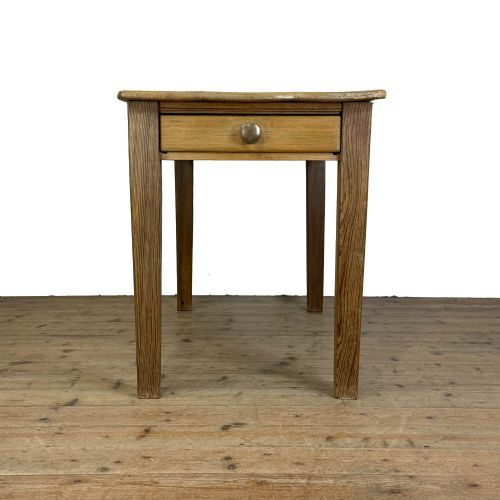
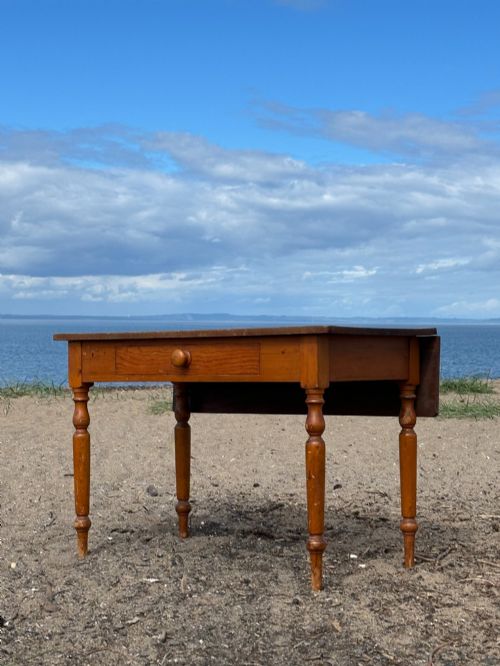
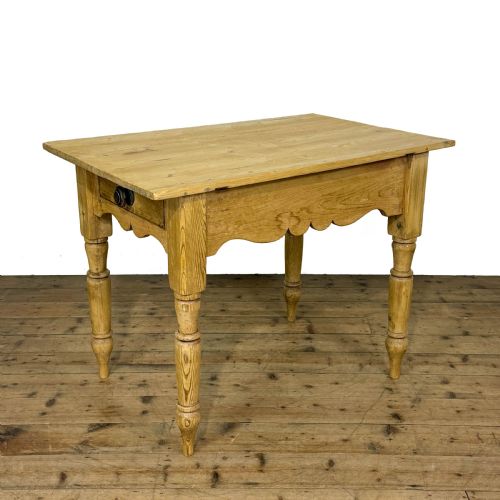


Small Pine Dining Table
A small pine dining table brings unpretentious utility and warmth to a room, offering sturdy charm suited to daily meals.
Small Pine Dining Table
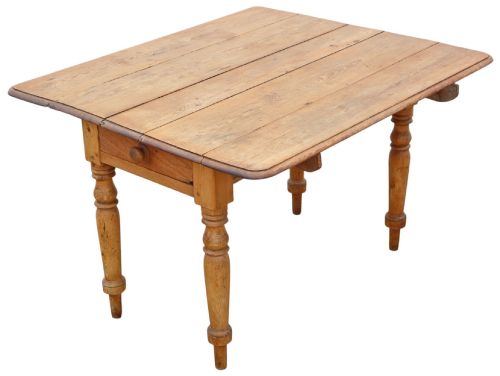
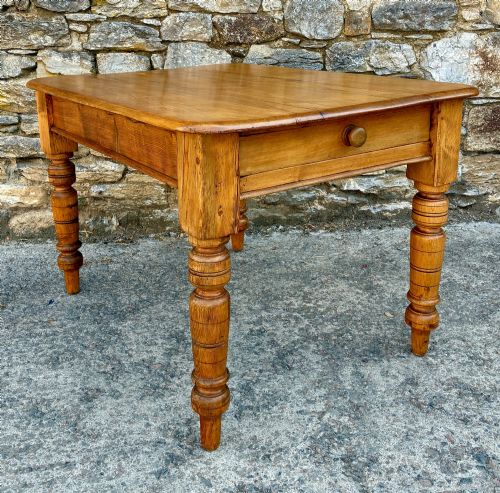
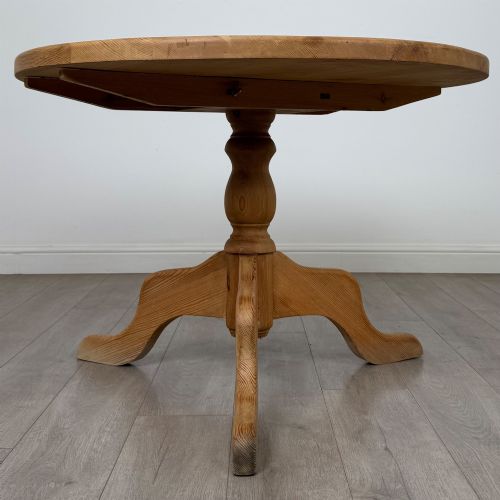
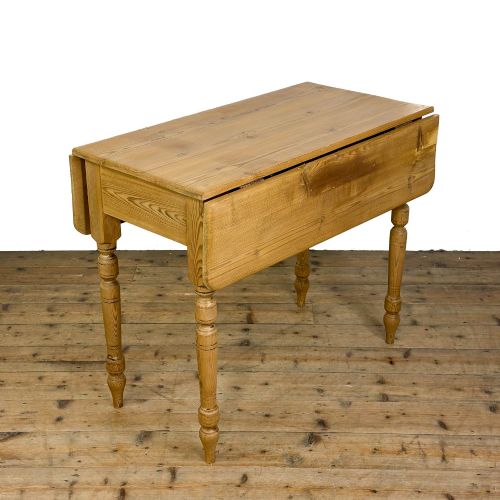
A small pine dining table is a practical piece designed for everyday use in kitchens and dining spaces. These tables trace their origins primarily to the Victorian period and the nineteenth century, including specific years like 1850 and 1890. Forms range from straightforward farmhouse tables to drop-leaf tables, tilt-top breakfast tables, and kitchen preparation tables.
Buyers frequently encounter rustic country and rustic farmhouse styles alongside Victorian examples. Some versions feature painted grey surfaces or combinations of materials such as mahogany and pine, while others incorporate drawers or folding mechanisms for flexible placement in compact areas.
Construction and materials
Construction relies primarily on solid wood, with pine forming the main body of these tables. Cabinet makers and joiners utilised traditional timber framing techniques to build surfaces capable of withstanding heavy daily kitchen work.
Makers occasionally combined secondary materials into the construction, incorporating iron, brass, or oak alongside painted finishes. Surfaces were often waxed or left in a natural rustic state to highlight the grain and character of the wood.
Small Pine Dining Table Retail Price Guide 2026
Typical asking prices for small pine dining table among the pieces listed under this phrase on Sellingantiques today, from the lower quarter to the upper quarter. They describe what is for sale here now, not the wider market.
Chapel tables occasionally double as unexpected dining companions, bringing quiet ecclesiastical history straight to the tea strainer.
Assessing quality and character
Quality in a small pine dining table is evident in the selection of timber and the integrity of the joinery. Tables featuring clever mechanisms such as drop leaves, tilt tops, or fitted drawers demonstrate thoughtful craftsmanship beyond basic utility.
The distinction between standard kitchen furniture and finer pieces often rests on surface finish and proportions. Original paintwork, balanced turnings, and well-maintained structural joints separate everyday workshop items from superior examples.
The Small Pine Dining Table Glossary
- Drop-leaf table
- A table with hinged flaps on the sides that can be folded down to save space or raised to provide a larger surface area. This mechanism makes the table adaptable for smaller rooms.
- Tilt-top table
- A table featuring a mechanism that allows the top to pivot to a vertical position when not in use. It was originally designed to save floor space in domestic interiors.
- Farmhouse table
- A large, sturdy wooden table traditionally used in rural kitchens for food preparation and family meals. These pieces are characterised by honest construction and practical proportions.
- Preparation table
- A heavy-duty utility table designed specifically for culinary tasks in domestic or institutional kitchens. They often include drawers for storing utensils and thick timber tops.
- Pine
- A softwood derived from coniferous trees that is easy to work with and yields a light-coloured finish. It has long been favoured for regional domestic furniture due to its availability.
Small Pine Dining Table: Frequently Asked Questions
Where were these tables used?
These tables served primarily as practical work surfaces in domestic kitchens, farmhouses, and modest dining rooms.
They were built for heavy daily tasks such as food preparation, laundering, and family meals.
How do I fit one in a small room?
Many of these pieces feature drop leaves or folding mechanisms designed specifically to save space when not in use.
Choosing a drop-leaf or tilt-top version allows you to adjust the surface area to suit the room dimensions.
Are painted finishes original?
Some pieces retain early or period paint finishes, such as painted grey surfaces applied to Victorian examples.
Distinguishing between original coatings and later decorative paint requires careful examination of wear patterns and underlying timber.