
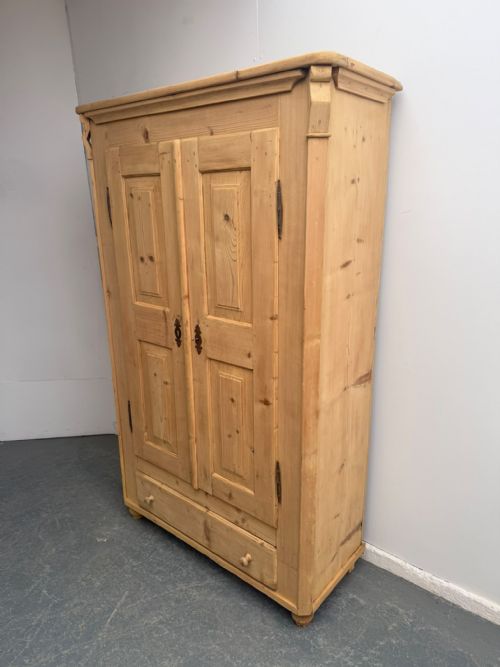
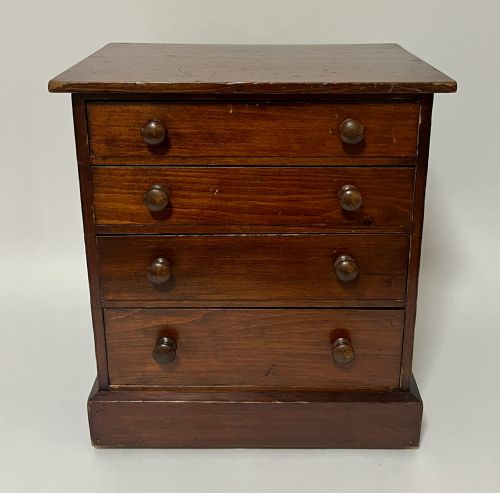
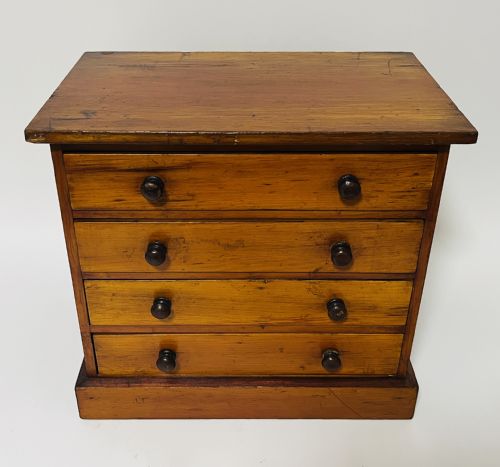
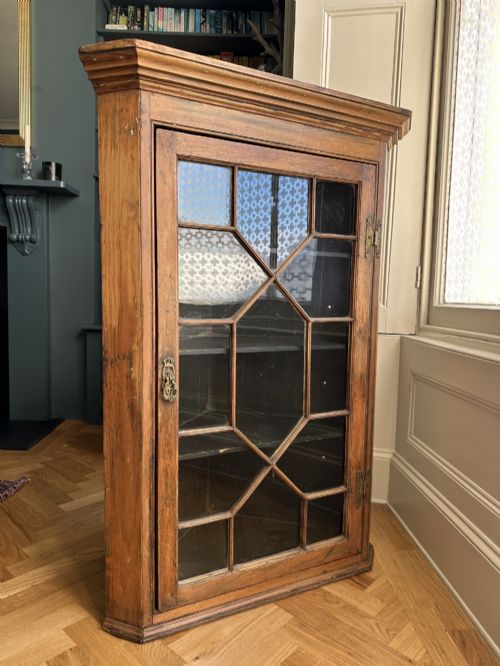
Small Pine Cabinet
A small pine cabinet brings utilitarian warmth to a room, offering compact storage shaped by decades of everyday use.
Small Pine Cabinet
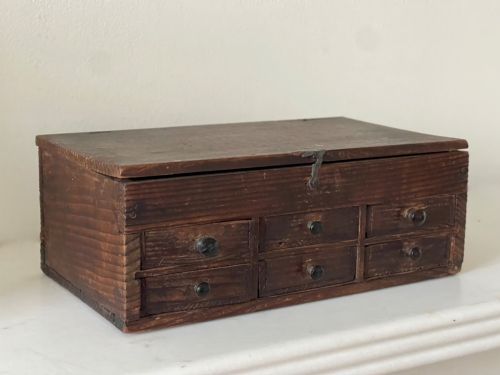
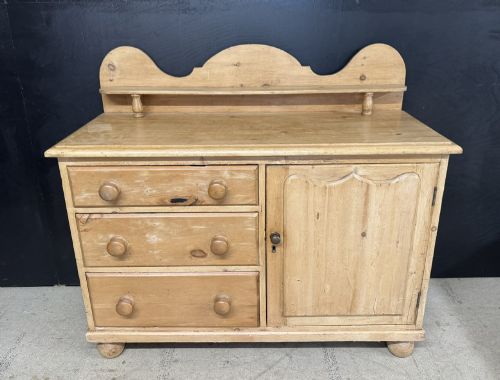
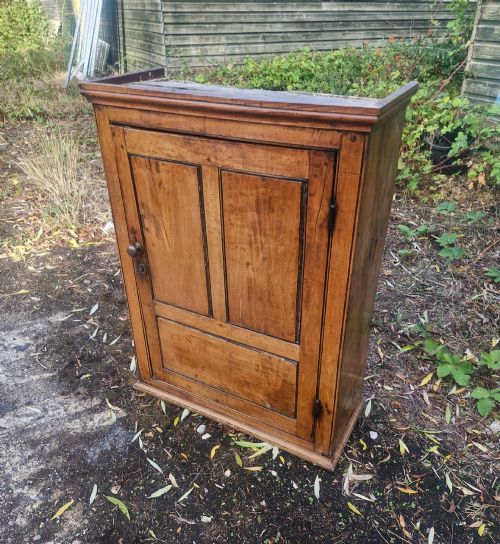
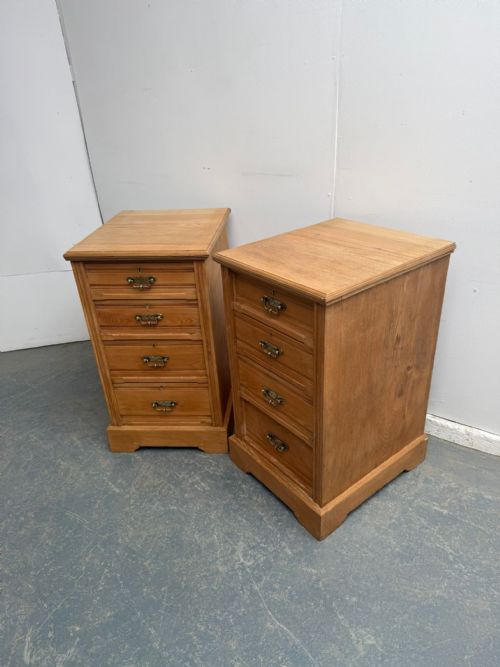
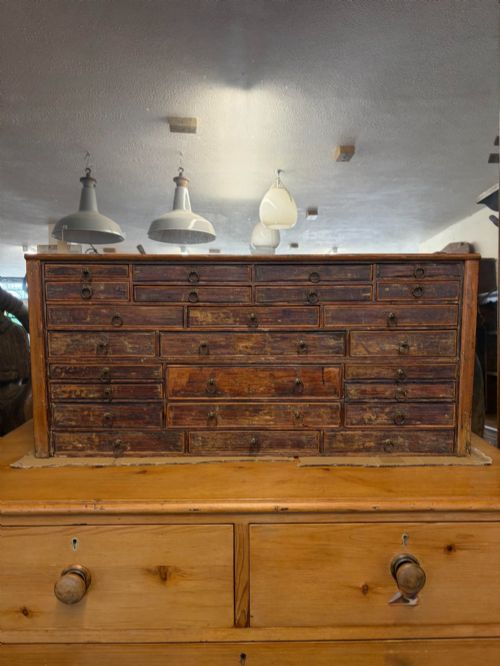
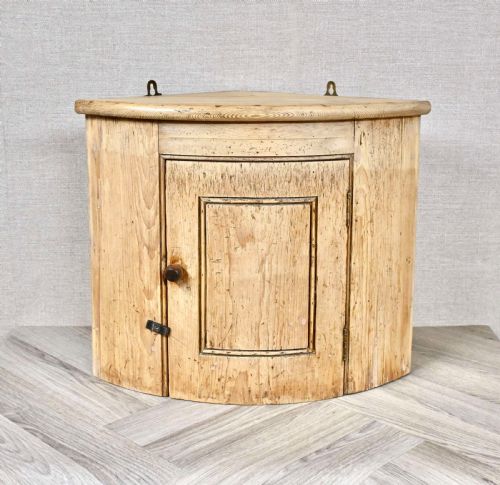
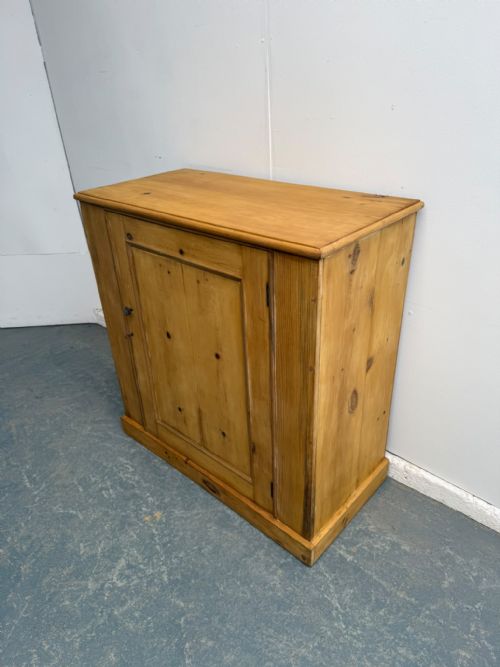
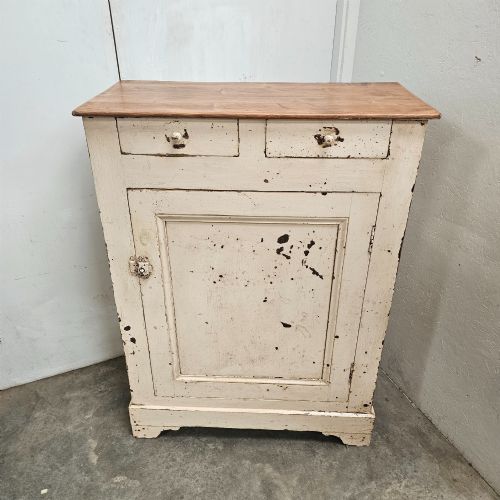
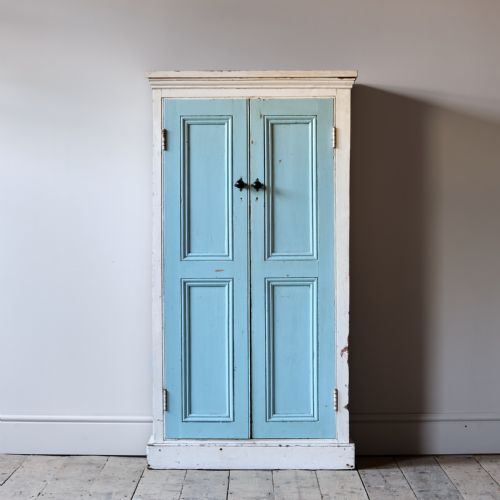
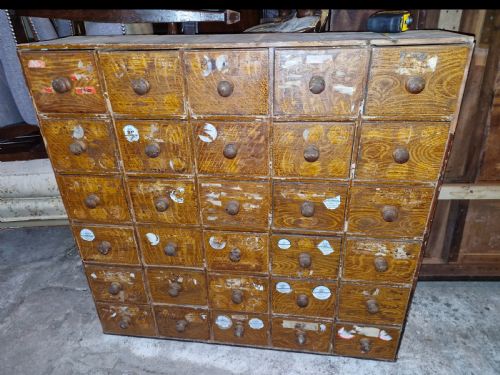
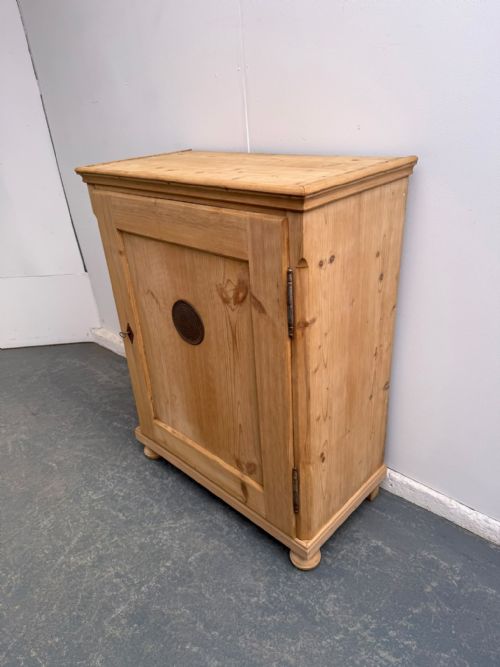
When you search for a small pine cabinet, you encounter a range of compact timber furniture designed for utilitarian purposes across domestic and commercial spaces. The pieces appearing here span the 19th century into the early decades of the 20th century, encompassing styles from Victorian country and Georgian to rustic farmhouse and industrial utility. Typical forms range from wall-mounted cupboards and bedside units to corner cabinets, chiffoniers and small chests of drawers.
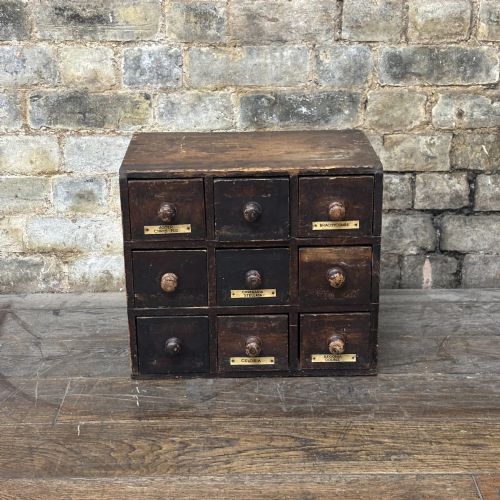
The material identity centres on pine, including pitch pine and painted variants, often accompanied by secondary timbers such as oak or ash. Origins stretch across English, French, Scandinavian and continental workshops, reflecting local vernacular traditions in their construction. Buyers frequently find pieces that served originally as spice boxes, apothecary chests, confituriers or simple hall cupboards, repurposed today for modern storage.
How they were made
Makers constructed these cabinets predominantly from solid pine and pitch pine, sometimes selecting softer woods that accepted paint or wax finishes readily. Surfaces frequently display original paint, simulated wood grain, or stripped and waxed finishes that highlight the natural grain of the timber.
Metal hardware plays a functional role in the construction, utilising brass or iron handles, hinges and latches typical of the period. Glazed doors appear on display and specimen cabinets, while internal shelving and drawer configurations reflect the specific domestic or commercial utility intended by the maker.
Forms on offer include wall cupboards, bedside cabinets, dressers, spice boxes and multi-drawer specimen chests.
What varies in quality
Joinery detail and hardware selection also differentiate the range. Cabinets featuring dovetailed drawer construction, original period brass handles and intact glazed doors demonstrate a higher standard of craftsmanship than later or heavily altered equivalents.
Luxmore's of Ilfracombe·D Napier & Sons·Howard and Sons
The Small Pine Cabinet Glossary
- Pitch pine
- A dense, resinous variety of pine known for its prominent grain pattern and durability, frequently utilised in Victorian furniture.
- Confiturier
- A French jam cupboard traditionally used for food storage, often featuring a small cupboard door and sometimes a drawer above.
- Chiffonier
- A low sideboard or small cabinet developed in the 19th century, typically combining enclosed cupboard storage with drawers or shelving.
- Specimen cabinet
- A small multi-drawer unit originally designed for storing natural history collections, coins or small curiosities.
Small Pine Cabinet: Frequently Asked Questions
What rooms suit a small pine cabinet?
These compact pieces adapt easily to smaller spaces, functioning well as bedside storage in bedrooms or supplementary shelving in kitchens and bathrooms.
Their restrained proportions also allow them to serve as hallway cupboards or display units in sitting rooms without overwhelming the floor plan.
How do I care for waxed pine?
Maintain waxed surfaces by applying a quality natural beeswax periodically to nourish the timber and preserve the historic patination.
Avoid placing pine furniture near direct heat sources or in damp environments, which can cause the timber to warp or split over time.
Are these cabinets made from solid wood?
The majority of pieces utilise solid pine or pitch pine throughout their carcass, drawer construction and internal shelving.
Some variants incorporate secondary woods like oak or ash for specific structural elements such as drawer linings or wall-hanging backs.
How do I distinguish Victorian pine from Georgian pine?
Georgian examples generally exhibit simpler, cleaner lines and earlier construction methods such as hand-cut dovetails and pegged joints.
Victorian pieces often display more robust proportions, varied hardware options, and sometimes decorative mouldings or pitch pine construction.