




Small Oval Portrait
A small oval portrait offers a remarkably intimate glimpse into past lives through delicate hand-painted miniatures and framed studies.
Small Oval Portrait
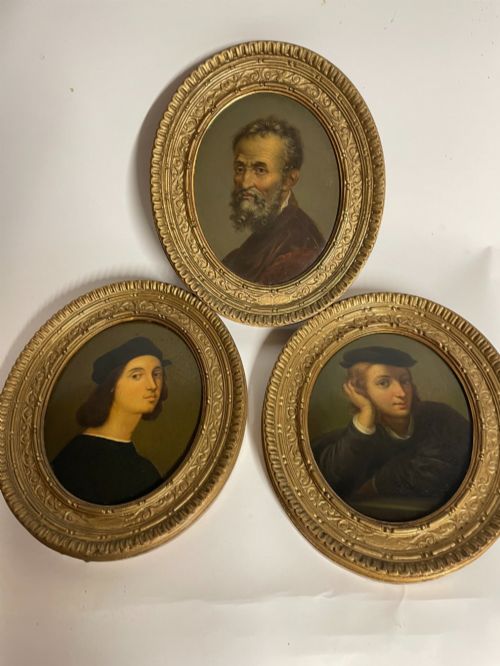
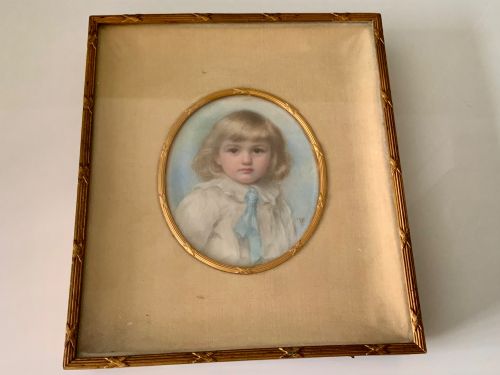
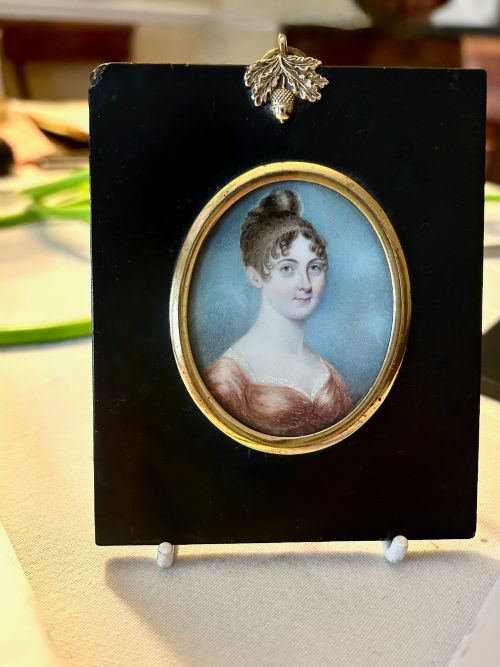
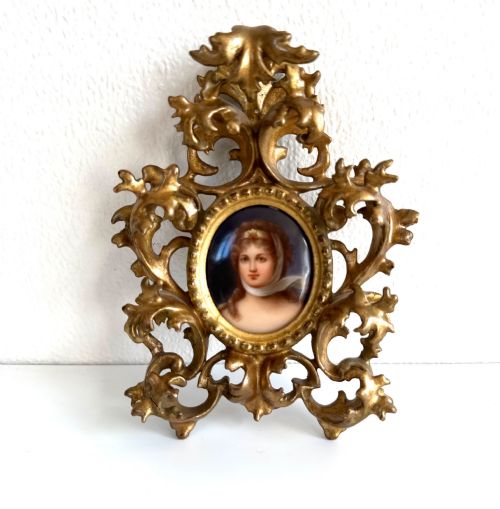
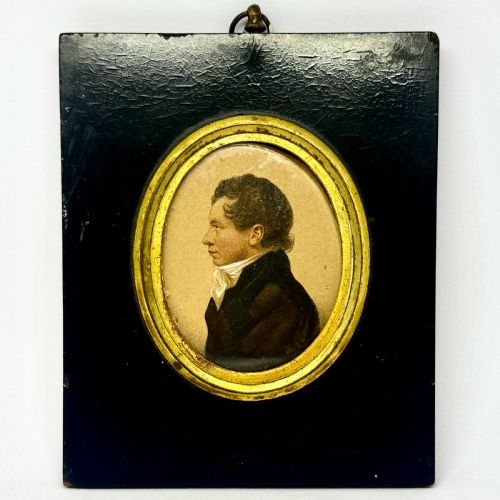
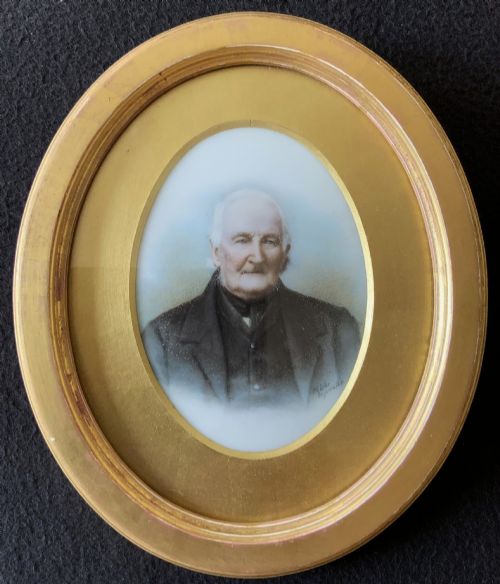
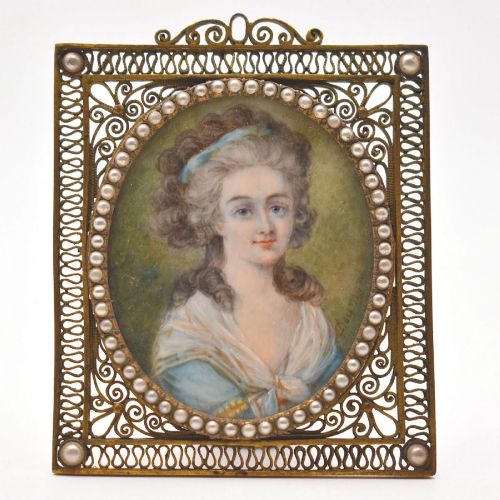
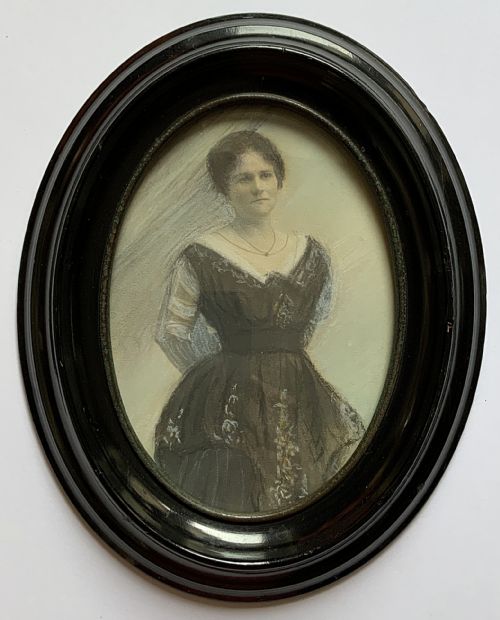
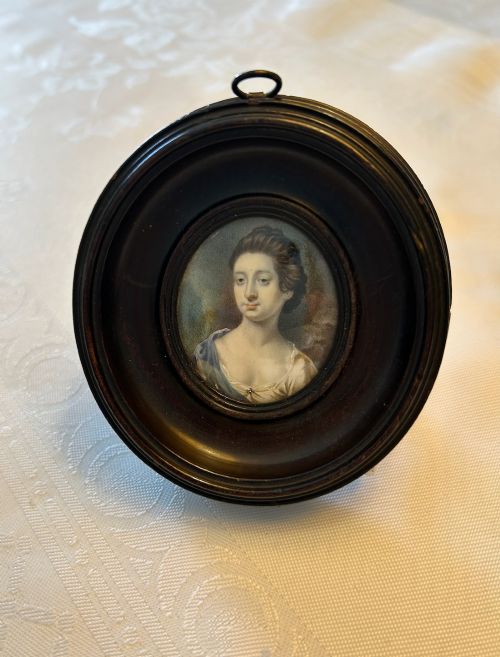
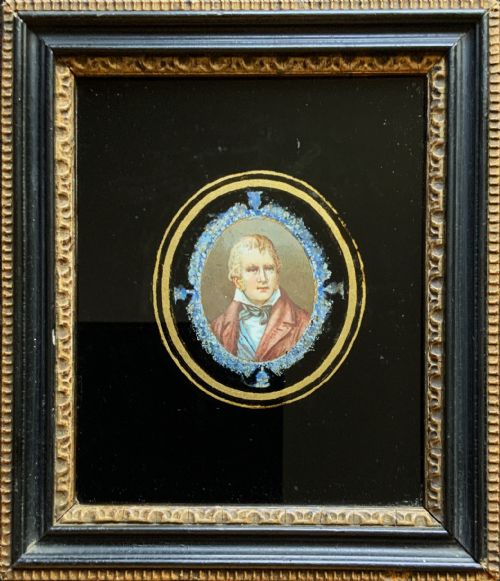
A small oval portrait focuses on miniature paintings and portrait miniatures executed across the eighteenth and nineteenth centuries. These pieces capture likenesses of ladies, gentlemen, children, and historical figures in compact formats.
You will most frequently meet watercolour and oil paintings housed in brass, gilt metal, ebonised wood, or gesso frames. The selection spans Georgian, Regency, and Victorian periods, often featuring original glass coverings.
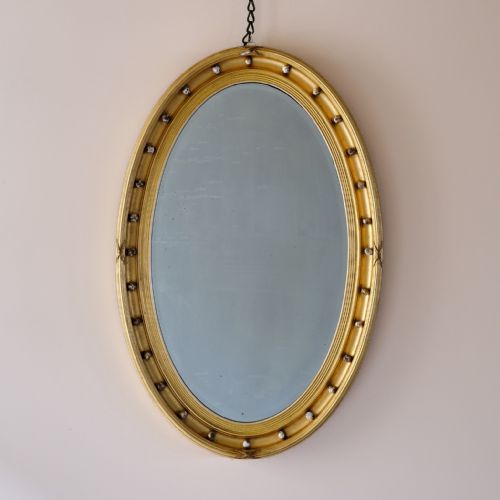
The format also extends occasionally to small mirrors and framed companion pairs. Each piece relies on diminutive scale to achieve remarkable visual presence.
Materials and construction methods
Artists painted these miniature portraits on paper, glass, or ivory using watercolour, pastel, and oil paints. The delicate pigments required immense precision on a tiny surface.
Small Oval Portrait Retail Price Guide 2026
Typical asking prices for small oval portrait among the pieces listed under this phrase on Sellingantiques today, from the lower quarter to the upper quarter. They describe what is for sale here now, not the wider market.
Listings feature works spanning the eighteenth, nineteenth, and early twentieth centuries, executed in watercolour, oil, and pastel.
Judging the quality of these works
Quality rests upon the fineness of the brushwork and the psychological depth captured in the sitter's expression. Superior examples display meticulous control of light and facial contours.
The integrity of the original housing matters significantly, as authentic period brass, gilt metal, and ebonised frames contribute to the historical value of the artwork.
Richard Cosway·Dumont·George Hargreaves·Isaac Wane Slater
The Small Oval Portrait Glossary
- Portrait miniature
- A small painting of a person, typically executed in watercolour or enamel during the eighteenth or nineteenth century.
- Ebonised wood
- Timber treated to resemble ebony, frequently utilised for dark, contrasting portrait frames.
- Gilt metal
- Metal coated with a thin layer of gold, common in nineteenth-century miniature framing.
- Watercolour on glass
- A specific technique where pigment is applied directly to glass to achieve a luminous finish.
Small Oval Portrait: Frequently Asked Questions
How were portrait miniatures displayed?
These small pieces were designed to be carried in pockets, worn as lockets, or hung in intimate rooms where visitors could examine them closely.
Many also featured small stands or loops for tabletop and wall display.
What periods do these portraits cover?
The pieces span from the mid-eighteenth century through the Georgian, Regency, and Victorian eras up to the early twentieth century.
Most examples originate from the nineteenth century.
Are these portraits usually signed?
Some miniatures carry signatures or inscriptions on the front or reverse, while many others remain unattributed works of British or continental schools.
Attributions often rely on stylistic comparison to known artists.
What framing is typical?
Common surrounds include ebonised wood frames, gilt metal mounts, and brass stands designed to protect the fragile painted surface.
Original glass covers are frequently preserved.