


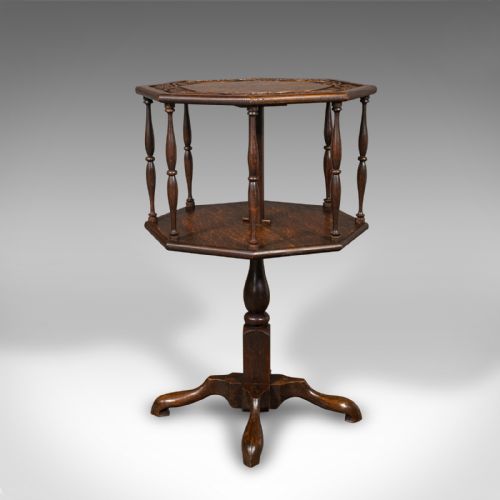


Small Oak Book Table
These small oak book table pieces combine a compact surface with integrated book storage for easy placement in tighter spaces.
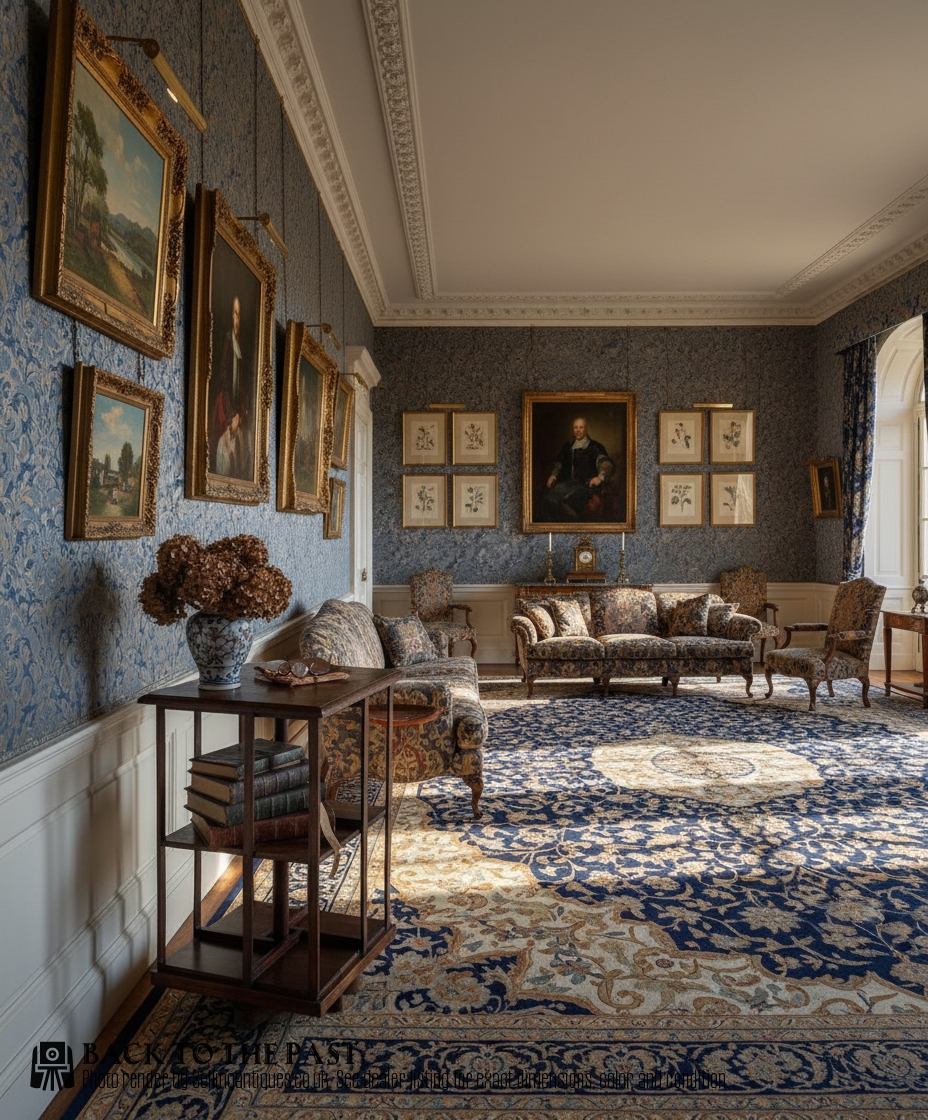
Small Oak Book Table
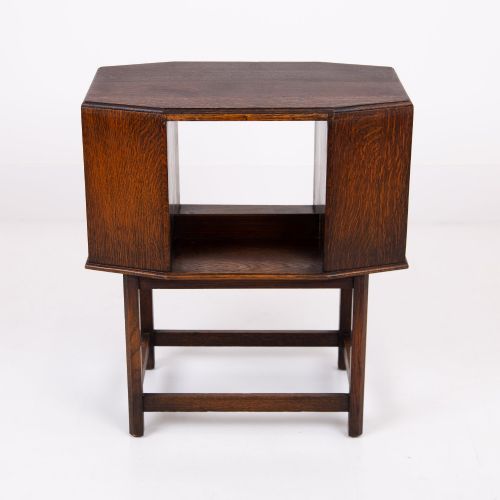
A small oak book table serves as both a functional surface and a compact storage unit for volumes, drawing on forms like side tables, occasional tables, and desktop bookcases. These items appear across periods including the Victorian era, the Edwardian period, and the 1930s, alongside stylistic influences such as Arts and Crafts, Art Deco, and Gothic Revival. Buyers seeking a small oak book table will encounter pieces designed for tabletops, floors, and corners, often incorporating shelves, racks, or revolving mechanisms.
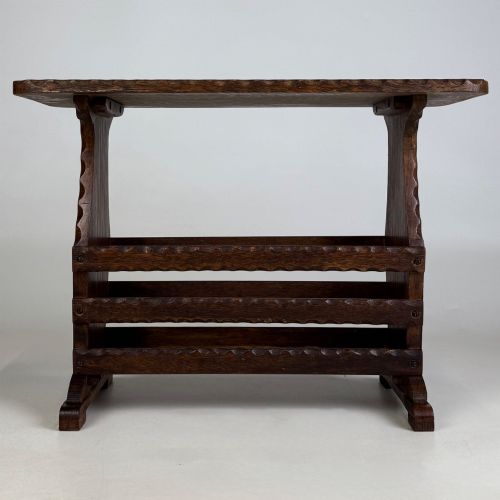
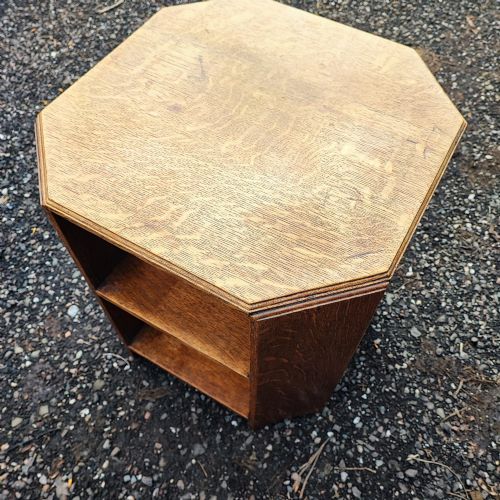
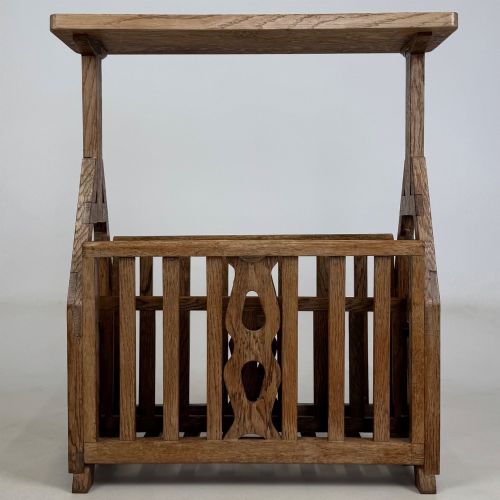
The construction typically involves solid timber frames paired with integrated book storage, fulfilling the practical need to keep reading material close at hand without dominating a room. Pieces range from open-front slope-shelf designs and octagonal occasional tables to revolving tabletop units and side tables with magazine racks. Most examples reflect early twentieth-century or late nineteenth-century manufacture, prioritising utilitarian function within domestic interiors.
How they were made
Makers utilised solid oak for the primary structural frames and surfaces, often selecting quartersawn timber to reveal distinct grain patterns. Iron hardware appears in specific designs, particularly for adjustable mechanisms and fastenings, while cane is occasionally incorporated for texture and contrast in panels or detailing.
Joinery methods varied according to the period and style, ranging from visible pegged joints in Arts and Crafts examples to simpler mechanical fixings in later twentieth-century production. Revolving tabletop models required internal ball-bearing or spindle assemblies to allow smooth rotation, while adjustable bookcases employed sliding brackets or hinged supports.
One tear drop table managed to sneak in among the bookcases, proving that even furniture needs a change of shape now and then.
What varies in quality
Quality depends upon the selection of timber and the precision of the joinery, with quartersawn oak displaying more durable properties and more pronounced figuring than plain-sawn boards. The weight and stability of revolving mechanisms or adjustable brackets also separate robust workshop production from lighter commercial output.
Proportion and execution of stylistic details distinguish different grades of manufacture. Pieces adhering closely to Arts and Crafts or Art Deco design principles through considered restraint and solid timber construction stand apart from mass-produced equivalents.
Good Furniture Units·Heals
The Small Oak Book Table Glossary
- Quartersawn oak
- Timber cut radially from the log to produce a straight grain pattern with prominent medullary rays. This method yields stable boards historically favoured in quality cabinet making.
- Revolving bookcase
- A rotating storage unit designed to hold books upright around a central vertical axis. These units appear in both floor-standing and tabletop formats.
- Arts and Crafts
- A design movement spanning the late nineteenth and early twentieth centuries that emphasised traditional craftsmanship, visible construction, and simple forms. Makers in this style focused on honest materials rather than excessive ornamentation.
- Adjustable bookcase
- A shelving unit equipped with movable supports or hinged sections that alter the angle or capacity of the storage space. These configurations allowed users to customise the display of volumes.
Small Oak Book Table: Frequently Asked Questions
What is a small oak book table?
A small oak book table is a compact item of furniture that combines a flat surface with integrated storage for books and periodicals. These pieces take various forms, including side tables with magazine racks, octagonal occasional tables with lower shelves, and revolving tabletop units.
Designed for domestic spaces, they provide accessible storage for reading material while serving as functional surfaces for lamps or decorative objects. Their dimensions suit placement beside seating or upon larger pieces of furniture.
How were these tables used?
These tables functioned primarily beside armchairs and in libraries to keep current reading material within arm's reach. Revolving versions allowed users to select volumes from any seated position without moving the entire unit.
Desktop variants sat upon larger desks or tables to organise reference books in studies and offices. Floor-standing versions provided dedicated storage in compact domestic settings where space remained at a premium.
How do I identify an Arts and Crafts piece?
Arts and Crafts pieces are distinguished by visible construction methods, such as pegged joints and exposed grain, which highlight the nature of the timber. The decoration remains minimal, relying instead on the proportions of the oak frame and functional utility.
These designs often feature simple geometric lines, sometimes accompanied by hammered iron fittings or subtle chamfered edges. They reflect a deliberate departure from heavy Victorian ornamentation in favour of straightforward craftsmanship.
How do I care for antique oak furniture?
Antique oak benefits from stable indoor humidity levels and protection from direct sunlight, which can dry out the timber and fade the finish. Regular dusting with a dry, soft cloth prevents the accumulation of particulate matter on the grain.
Occasional applications of appropriate wax maintain the sheen of the surface without building up excessive residue. Avoid placing hot or wet items directly onto the oak surface to prevent staining.