
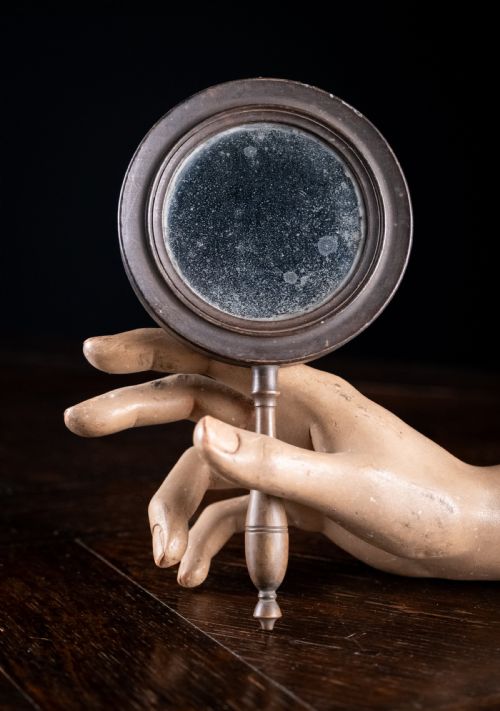


Small Mahogany Vanity Mirror
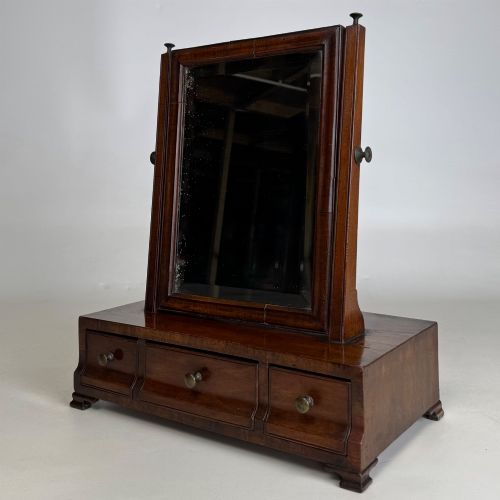
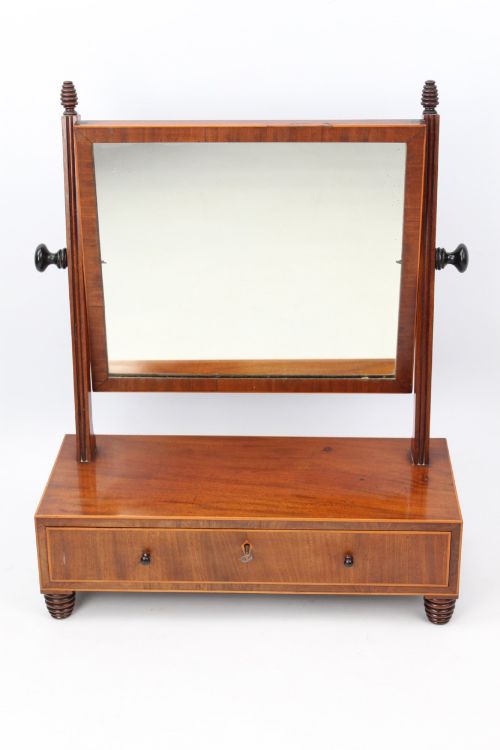
These small mahogany vanity mirror pieces are compact dressing and toilet glasses designed for tabletop use across Georgian, Regency, and Victorian periods.
Small Mahogany Vanity Mirror
When you search for a small mahogany vanity mirror, you encounter compact dressing glasses, toilet mirrors, and tabletop pieces spanning Georgian, Regency, and Victorian eras. These items served daily grooming needs in bedrooms and dressing rooms, often featuring pivoting plates mounted on upright stands.
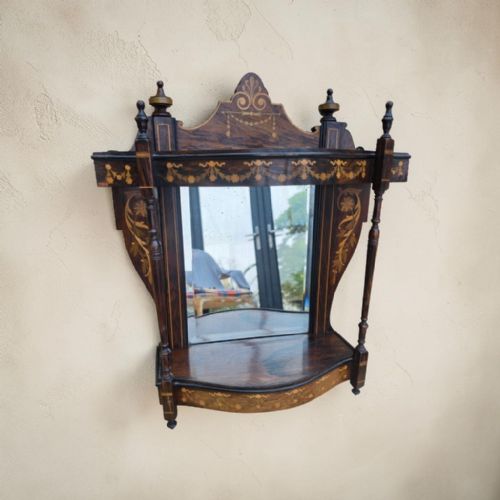
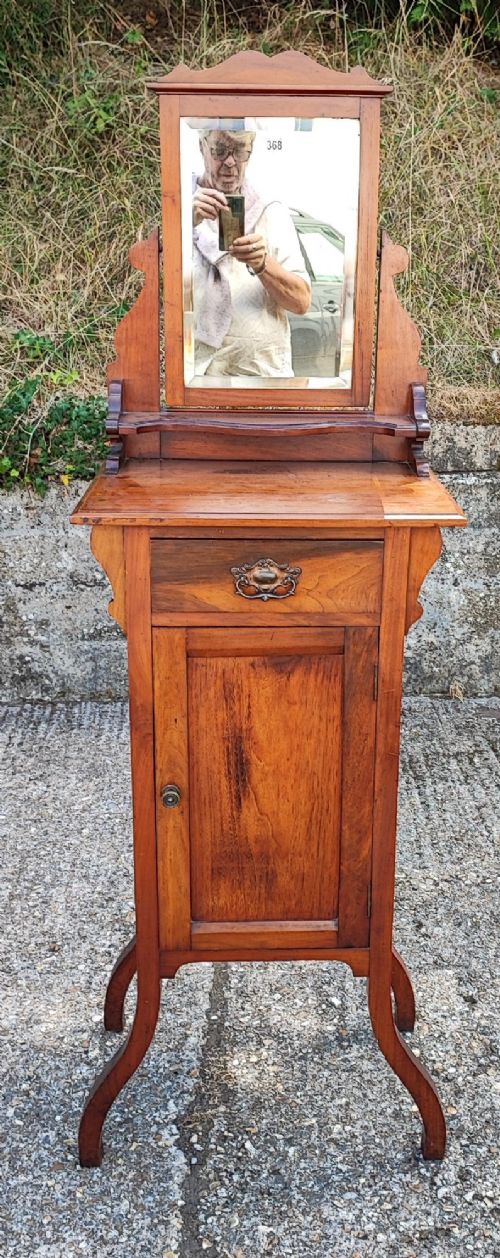
The versions most commonly met on this page include Georgian and Regency toilet mirrors alongside Victorian standing dressing tables and desks. Surviving examples range from simple swivel glasses on box bases to elaborate pieces incorporating drawers, shelves, and satinwood or boxwood inlay.
Makers across the 18th and 19th centuries produced these mirrors in various regional styles, including Scottish and campaign formats. Each piece reflects the domestic habits of its period, providing both a functional reflective surface and a polished mahogany accent for the room.
How they were made
Cabinetmakers constructed these frames and stands using solid mahogany, frequently incorporating secondary timbers and delicate boxwood or satinwood inlay for decorative contrast. The timber was selected for grain pattern and rich natural colour before being polished to a smooth finish.
Brass fittings such as adjustable screw knobs, hinges, and small carrying handles were utilised to secure the pivoting mirror plates and facilitate movement. Glass panels were hand-silvered and fitted into rebated wooden frames to ensure durability during daily use.
Listings feature mahogany, brass, satinwood, and boxwood inlay across Georgian, Regency, and Victorian periods.
What varies in quality
Quality in these pieces rests upon the precision of the cabinetwork and the selection of figured mahogany veneers. Superior examples display tight joinery, balanced proportions between the glass frame and the base, and finely executed string inlay.
The integrity of the original brass hardware and the clarity of the glass plate further distinguish finer specimens from simpler utility pieces. Attention to detail in the secondary woods and the craftsmanship of internal drawer linings mark the upper tier of production.
The Small Mahogany Vanity Mirror Glossary
- Toilet mirror
- A small mirror designed to sit upon a dressing table, chest of drawers, or washstand. These pieces typically feature a swivelling glass mounted within upright arms attached to a box base.
- Bonheur du jour
- A light writing desk featuring a small superstructure of drawers, shelves, or a cabinet above the work surface. This French form became popular in mahogany during the Victorian and Edwardian periods.
- Campaign mirror
- A portable mirror made for travel, often fitted with folding stands or protective cases for military officers. These items utilise robust brass reinforcements and compact designs.
- Inlay
- A decorative technique where contrasting materials such as boxwood or satinwood are inserted into recesses within the mahogany surface. This method creates geometric borders and floral motifs.
- Pivoting plate
- The movable glass section of the mirror suspended between two side posts by means of screw pins. This mechanism allows the user to adjust the viewing angle.
Small Mahogany Vanity Mirror: Frequently Asked Questions
What is a toilet mirror?
A toilet mirror is a tabletop dressing glass designed for personal grooming in bedrooms and dressing rooms. These pieces sit atop chests of drawers or dedicated tables rather than standing on the floor.
Most examples feature a swivelling frame mounted between two upright arms, often resting on a small base fitted with miniature drawers for storage.
How do I date a mahogany mirror?
Dating relies on observing construction methods, timber selection, and stylistic details associated with periods like the Georgian, Regency, and Victorian eras. Early pieces often show hand-cut joinery and simpler proportions.
Hardware such as brass screw knobs and hinges also provides chronological clues, alongside the specific type of mahogany grain and veneer work utilised by the cabinetmaker.
Where were these mirrors placed?
These mirrors were traditionally positioned on dressing tables, washstands, or chests of drawers where natural light from a window fell across the face. They served as essential items for daily grooming and styling.
In modern interiors, they function effectively on top of sideboards, desks, or mantelpieces, adding reflective depth and traditional warmth to a room.