

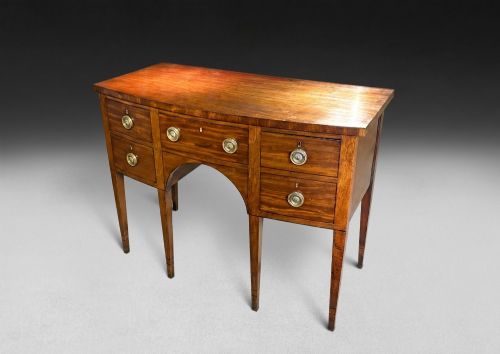
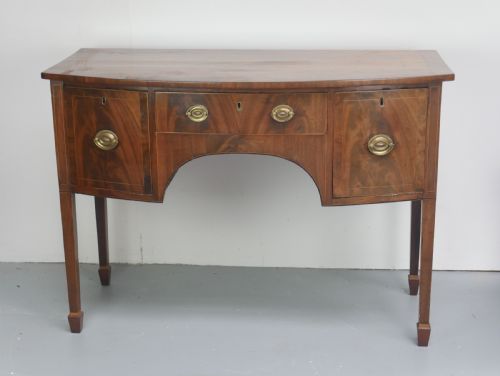


Small Mahogany Server
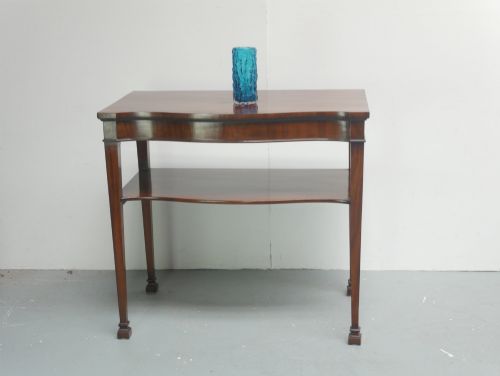
A small mahogany server brings compact dining room storage and surface utility, combining rich timber figure with Georgian or Regency proportion.
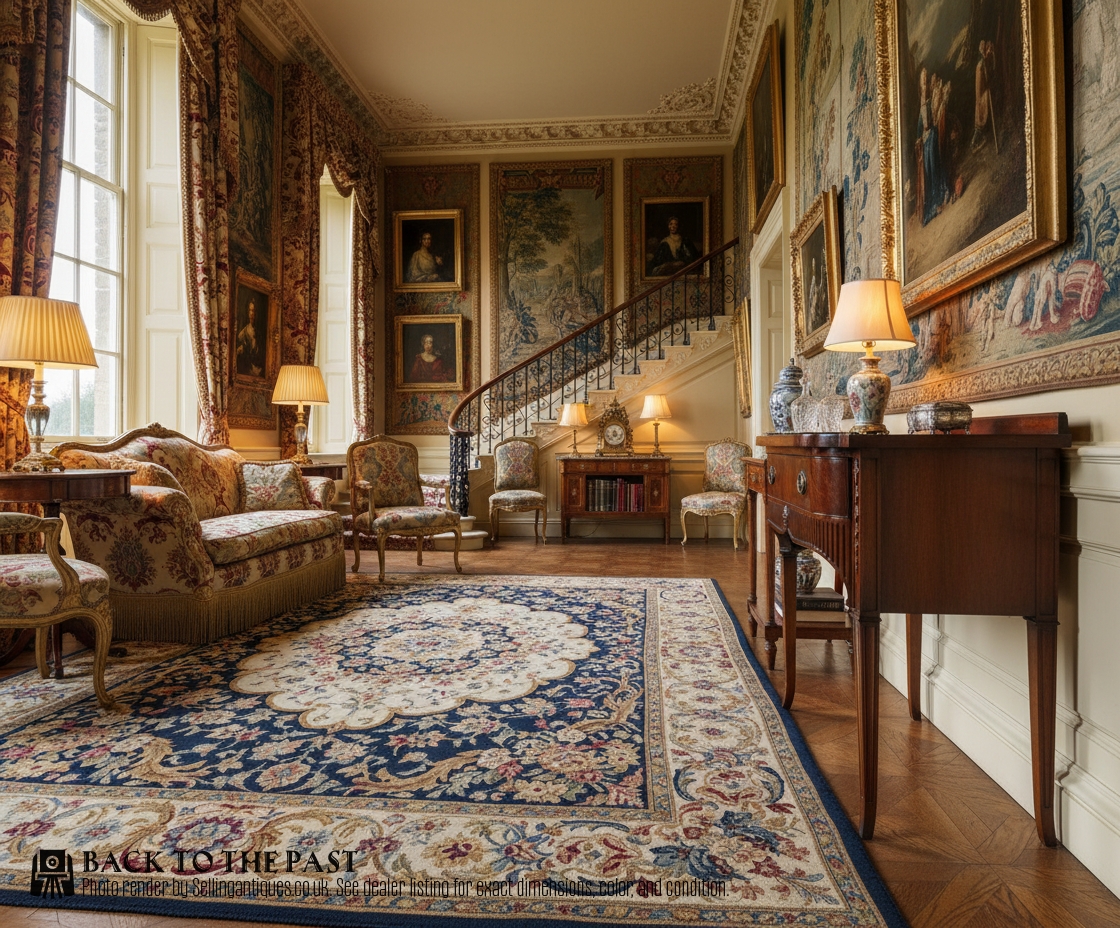
Small Mahogany Server
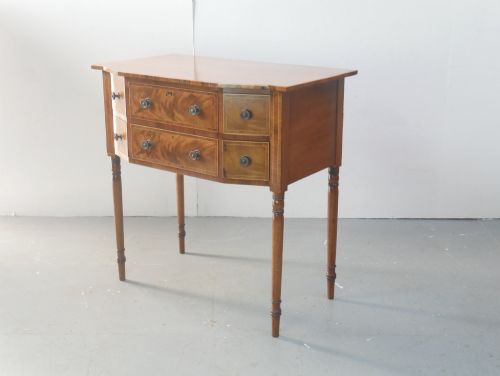
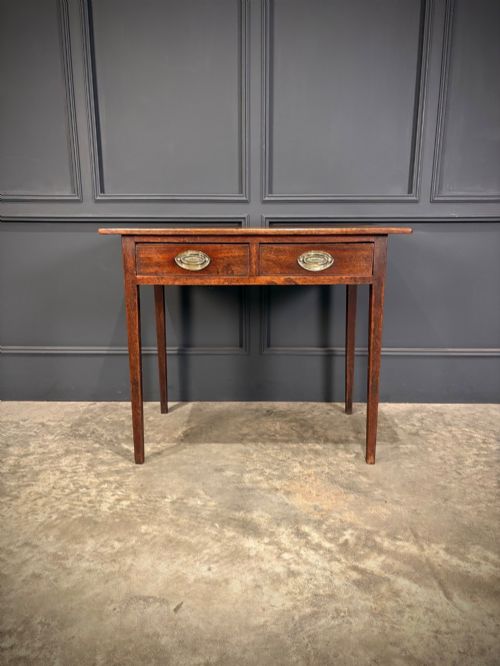
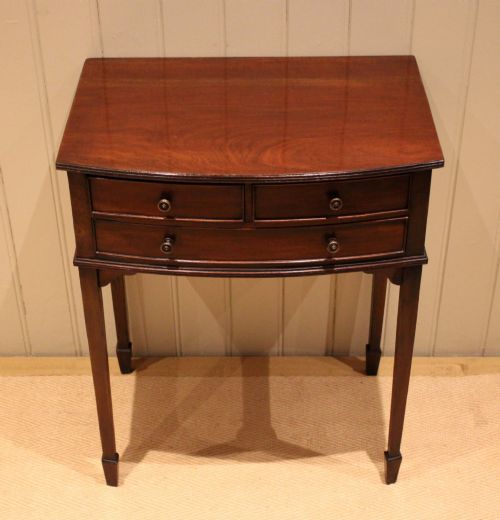
When you search for a small mahogany server, you are looking at compact dining room and serving furniture designed to fit modest spaces while offering surface space and cupboard or drawer storage. The pieces meeting this description span several periods, most notably the eighteenth century, the Georgian era, the Regency period, and the nineteenth century, taking forms such as sideboards, chiffoniers, lowboys, and side tables.
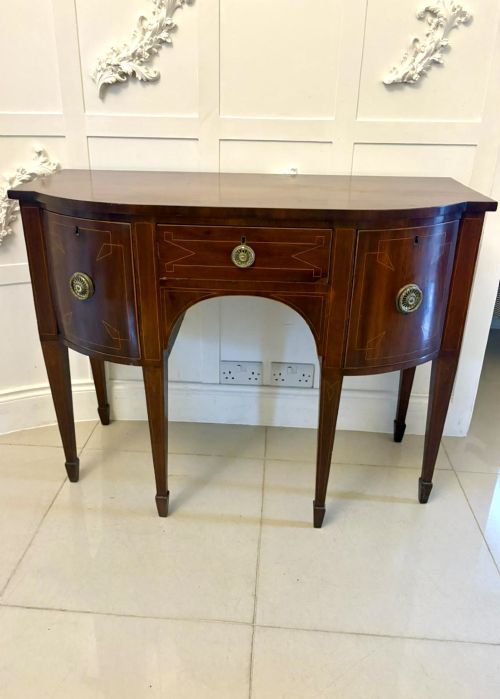
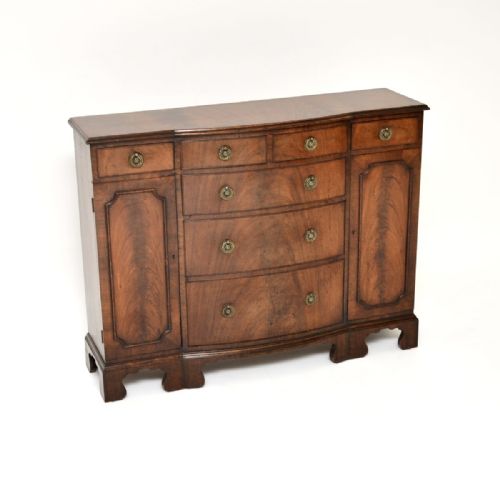
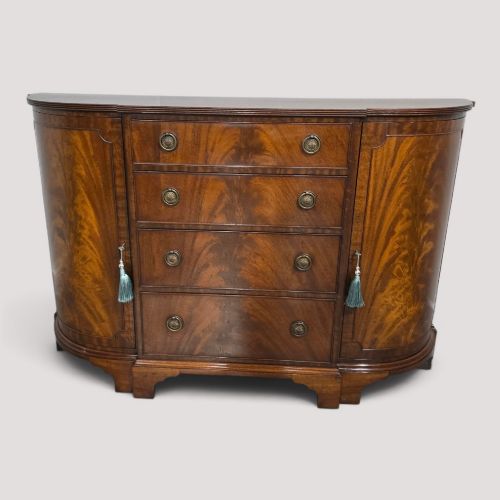
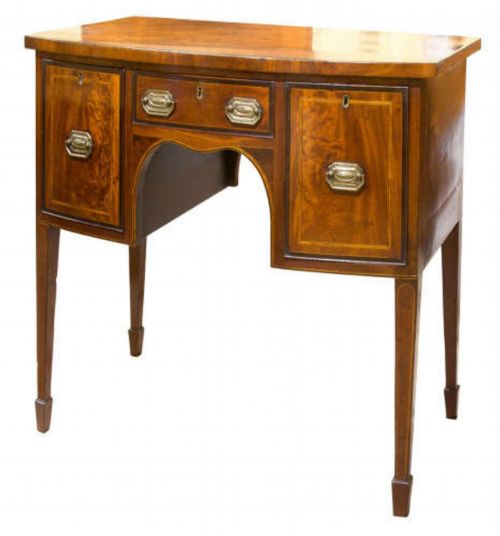
The version you are most likely to meet on this page is a bowfront sideboard or a compact chiffonier dating from the Georgian or Regency periods. These examples combine restrained proportions with practical drawers or cupboards, often finished with curved fronts designed to sit neatly against a dining room or hallway wall.
Makers and cabinet makers of these periods produced servers to assist with the service of food and the storage of dining linen, silverware, or bottles. The form evolved from side tables into enclosed sideboards and chiffoniers, maintaining a narrow depth that distinguishes them from larger dining furniture.
How they were made
Cabinet makers constructed these servers using solid mahogany and flame mahogany veneer applied to secondary timbers such as oak, relying on traditional framing and dovetail joinery for drawer construction. The choice of timber determined the visual depth of the surface, with figured grains carefully selected for the most prominent display areas.
Decoration relied on contrasting timbers and linear banding rather than heavy carving, utilising boxwood and satinwood for fine inlay work. Ebony stringing and purpleheart banding added crisp borders to drawer fronts and top edges, while brass hardware provided functional handles and escutcheons.
Inlay materials recorded across these servers include boxwood, satinwood, and ebony, frequently paired with purpleheart banding and oak drawer linings.
What varies in quality
The distinction between ordinary and superior pieces rests on the choice of timber and the precision of the cabinet work. Finer examples display highly figured flame mahogany veneers that have been matched symmetrically across the front, whereas lesser pieces use plainer, unfigured timber with simpler construction.
Detailing separates the work of skilled workshops from standard production. Sharply executed inlay, crisp ebony stringing, original brass fittings, and secondary timbers like oak used for drawer linings indicate higher execution standards than later or more utilitarian replacements.
The Small Mahogany Server Glossary
- Bowfront
- A curved front that bulges outward in the centre, common in small servers and sideboards to maximise internal storage while maintaining a shallow overall depth. This shape softens the profile of the room.
- Chiffonier
- A low cabinet or sideboard featuring enclosed lower cupboards, sometimes surmounted by a shelf or small superstructure. They appear frequently in nineteenth-century dining and reception rooms.
- Lowboy
- A small table with one or more rows of drawers, standing on relatively tall legs. They served various household functions before evolving into dedicated dining room servers.
- Inlay
- A technique where pieces of contrasting wood, such as boxwood or satinwood, are inserted into hollowed-out recesses in the mahogany surface to form decorative patterns or borders.
- Stringing
- Thin, linear strips of contrasting timber or ebony inlaid flush into the surface of the wood. It outlines drawers, tabletops, and legs with sharp geometric precision.
Small Mahogany Server: Frequently Asked Questions
What is a small mahogany server used for?
These servers provide surface space for food and drink presentation alongside internal storage for dining room accessories. Their compact footprint allows them to sit comfortably in smaller dining rooms or hallways.
Historically, they assisted servants during meals by holding serving dishes and silverware near the dining table. Today, they function equally well as display surfaces or practical storage cabinets in domestic interiors.
How do I date a mahogany server?
Dating relies on observing construction methods, timber selection, and stylistic details such as leg shapes and inlay patterns. Georgian and eighteenth-century examples often feature solid timber construction and hand-cut dovetails.
Later nineteenth-century and Edwardian pieces introduce machine-sawn elements and different veneer thicknesses. Comparing the secondary woods inside the drawers helps confirm the period of manufacture.
Are bowfront servers harder to place?
The curved front of a bowfront server requires slightly more wall clearance at its deepest point but takes up less space at the ends. This shape helps break up rigid lines in rectangular rooms.
Their shallow profile ensures they do not project too far into narrow hallways or compact dining spaces. They fit well against flat walls where a standard rectangular cabinet might feel heavy.
What is the difference between a server and a sideboard?
A server is generally smaller and lighter than a full sideboard, designed primarily for holding dishes rather than extensive storage. Many examples share similar proportions and drawer configurations.
Sideboards often incorporate larger cellaret drawers for bottles and more substantial cupboards. The terms overlap frequently in historical descriptions of compact dining furniture.