


Small Keepsake Box
These small keepsake box pieces span centuries of timber and metalwork, offering neat desktop storage that rewards close inspection.
Small Keepsake Box
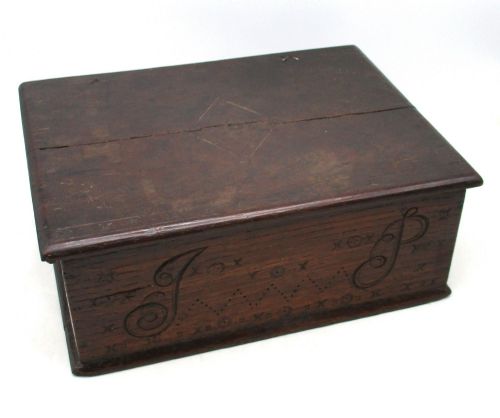
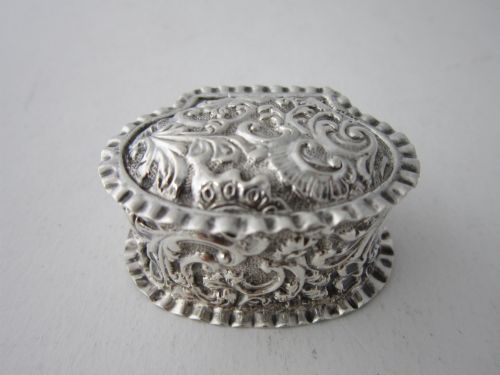
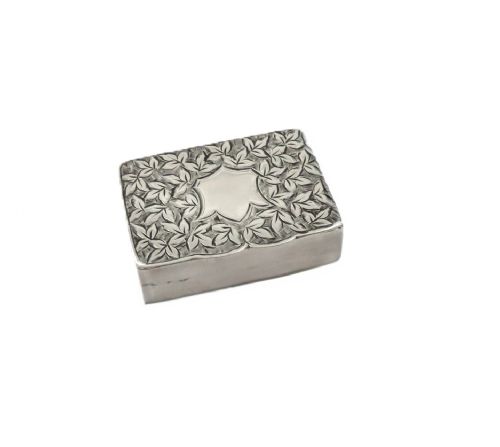
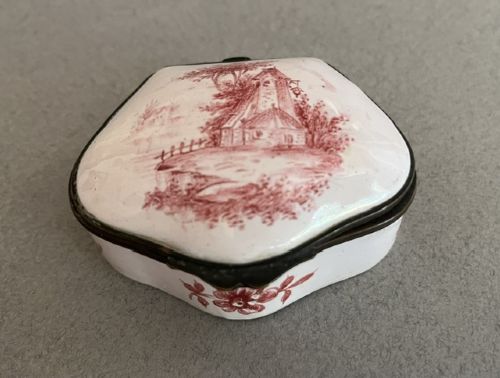
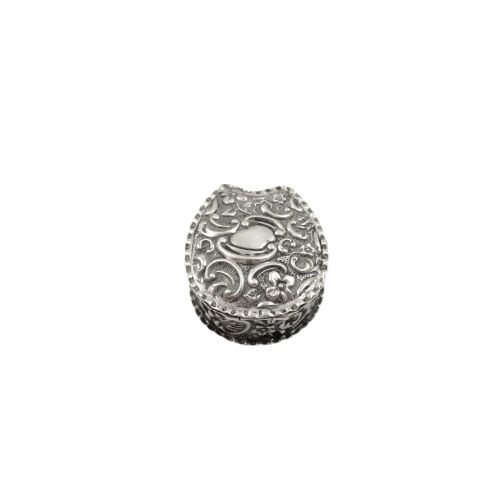
A small keepsake box serves to store personal treasures, letters, and small valuables on a desk, dressing table, or shelf. When searching for a small keepsake box, collectors encounter various forms ranging from Georgian tea caddies and Victorian silver pill boxes to seventeenth-century oak document chests.
The materials span native timbers like oak, mahogany, and pine alongside imported woods such as camphor, teak, and rosewood. Metal examples utilise sterling silver, brass, iron, and pewter to create durable receptacles for snuff, patches, and trinkets.
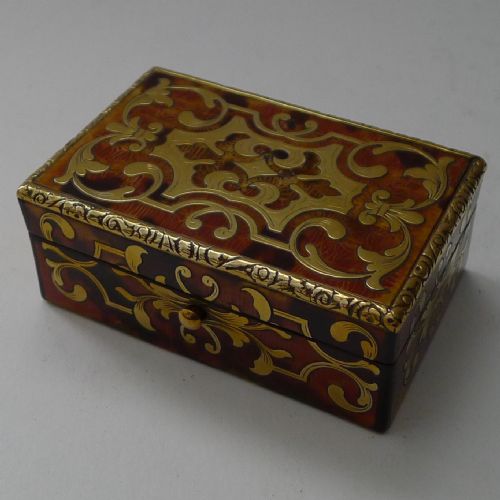
European and Asian traditions meet across these listings, encompassing Scandinavian painted pine, French boulle work, Japanese lacquer, and Indian miniature campaign trunks. Buyers most frequently meet nineteenth-century wood and silver items alongside regional folk art pieces.
How they were made
Cabinetmakers constructed wooden boxes using dovetail or mitred joints, often incorporating intricate inlay, carving, or painted decoration directly onto the surface. Pine, oak, and mahogany formed the sturdy carcasses of document chests and storage boxes.
Metal boxes rely on silversmithing techniques, casting, and embossing to shape sterling silver, pewter, and brass into hinged pill boxes and snuff boxes. Decorative treatments include enamel work, chip carving, and boulle marquetry applied across nineteenth-century examples.
The recorded eras span the seventeenth, eighteenth, and nineteenth centuries, alongside Edwardian pieces and specific dates like sixteen-ninety-five.
What varies in quality
The refinement of the surface decoration and the integrity of the original construction dictate the tier of a piece. Fine chip carving, precise inlay, and well-preserved paintwork distinguish superior examples from plain utility boxes.
Hardware such as working locks, original hinges, and intact spring mechanisms elevate a box's standing. The choice of materials, from solid sterling silver to dense hardwoods like rosewood and teak, also marks the distinction between everyday items and luxury receptacles.
The Small Keepsake Box Glossary
- Trinket box
- A small container designed for holding rings, brooches, and personal ornaments. These frequently feature velvet or satin linings inside.
- Pill box
- A miniature lidded receptacle created to hold medicinal pills or breath-freshening lozenges. Many surviving examples are fashioned from sterling silver or enamel.
- Document box
- A rigid chest built to protect important papers and deeds. These often feature secure locking mechanisms and sturdy timber construction.
- Snuff box
- A small pocket-sized container intended for holding powdered tobacco. They appear in materials ranging from carved wood to silver and pewter.
- Tunbridge ware
- Woodworking craftsmanship characterised by mosaic patterns assembled from tiny coloured wood blocks. This decorative technique creates intricate geometric designs on box lids.
- Boulle work
- An elaborate form of marquetry utilising tortoiseshell and brass inlay. This technique adorns decorative French items from the nineteenth century.
Small Keepsake Box: Frequently Asked Questions
What were small keepsake boxes used for originally?
These receptacles held valuable personal items, letters, medicinal pills, snuff, or documents depending on their specific size and internal fittings. Wealthy households utilised them on dressing tables and desks for daily organisation.
Simpler lidded boxes served general storage purposes in regional homes, keeping small commodities secure away from damp and dust.
How do I date an antique wooden box?
Dating relies on examining the timber species, construction joints such as dovetailing, and the style of any surface decoration. Tool marks and fastener types offer further clues regarding manufacturing eras.
Comparing hardware like locks and hinges against known period styles helps narrow down the decade of production.
Are silver pill boxes marked with hallmarks?
Many British silver boxes bear official assay office hallmarks indicating the year of manufacture and the maker's mark. These tiny stamped symbols provide reliable evidence for dating.
Foreign silver and unmarked items require stylistic analysis and comparison with documented regional manufacturing traditions.
How should I clean a painted pine box?
Painted surfaces require gentle dusting with a soft dry cloth to preserve delicate historic pigments. Moisture and chemical cleaning agents can damage old paintwork permanently.
Keeping boxes away from direct sunlight and heavy humidity protects both the timber substrate and the decorative finish.