





Small Jewellery Chest
A small jewellery chest offers neat tabletop storage, turning miniature furniture and collector cabinets into compact homes for precious trinkets.
Small Jewellery Chest
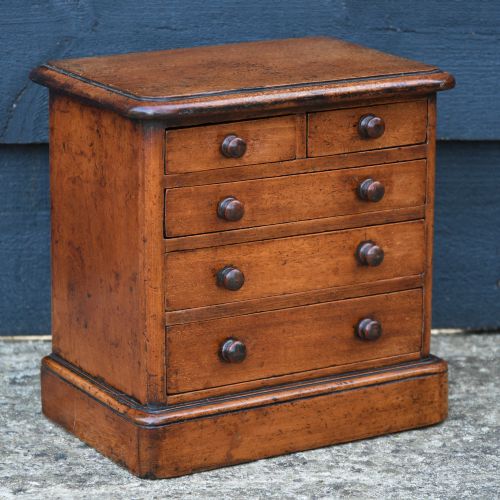
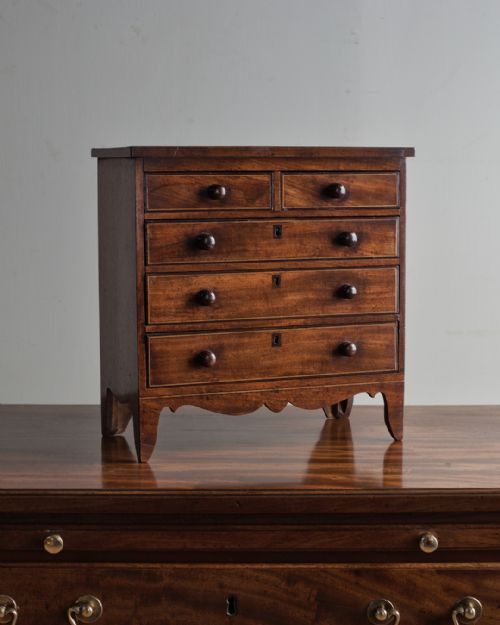
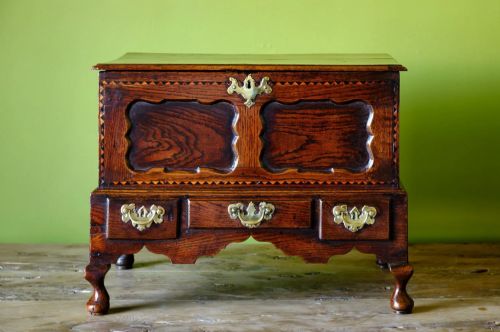
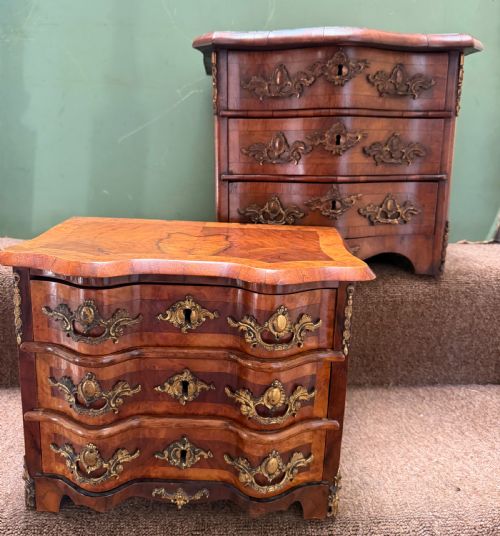
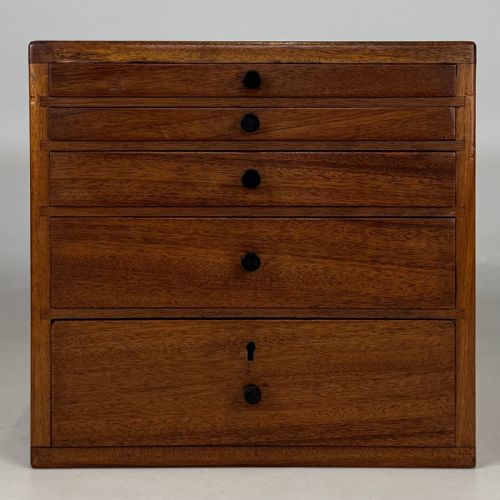
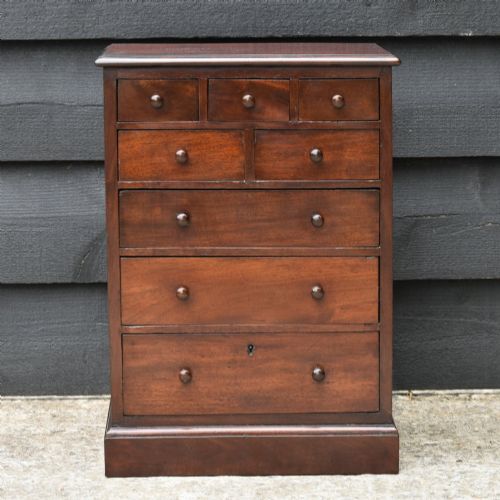
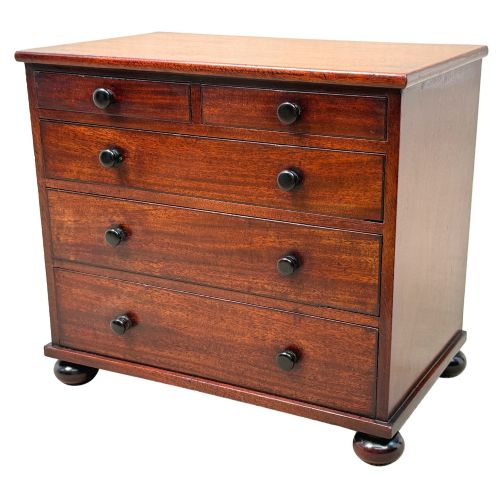
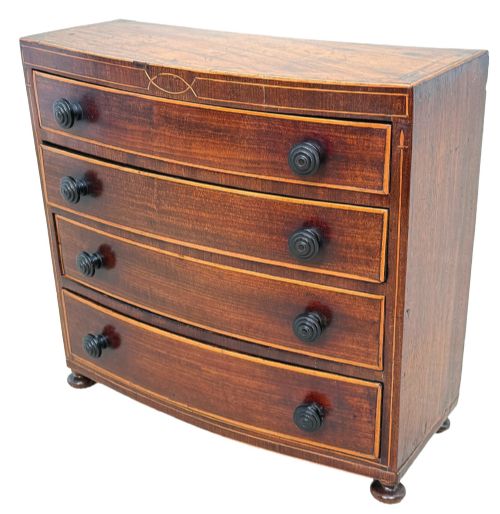
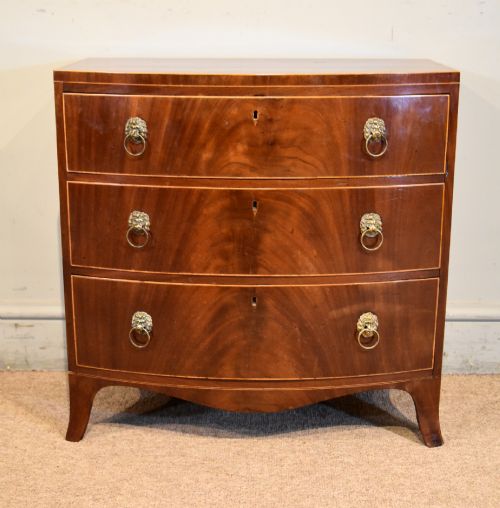
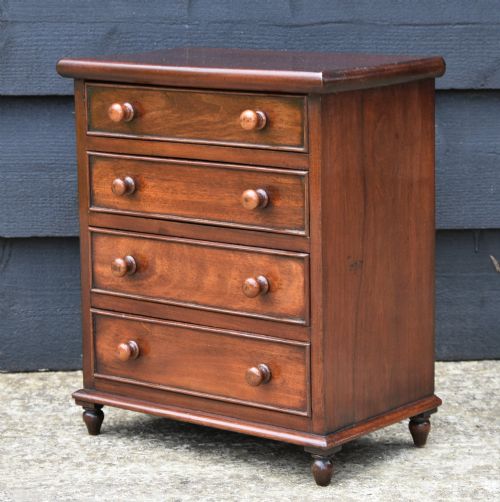
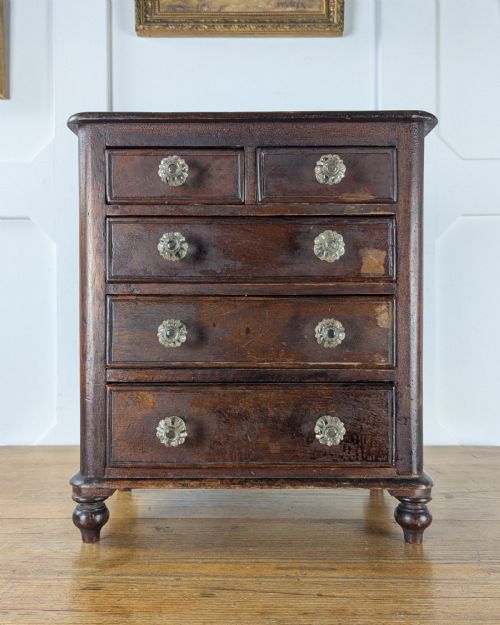
A small jewellery chest serves as a miniature version of full-sized furniture, often taking the form of a chest of drawers or a tabletop cabinet designed to hold small valuables. These pieces appear frequently as apprentice pieces, apprentice chests, and collector cabinets from various historical periods.
The materials and construction mirror domestic furniture of the era, scaled down for display, travel, or demonstration of skill. Mahogany, oak, rosewood, and walnut form the primary carcasses, frequently fitted with tiny brass handles, escutcheons, and secret drawers.
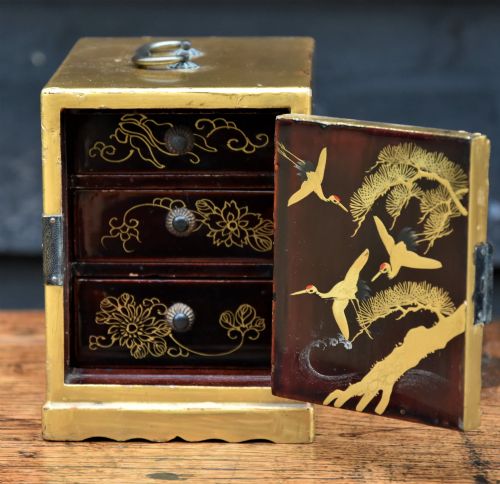
Buyers encounter Victorian and Georgian examples most often on this page, alongside Edwardian variations and Japanese lacquer work. Forms range from bow-fronted drawer stacks to tabletop coffers and armoires.
How they were made
Cabinet makers built these small chests using solid hardwoods like mahogany, oak, and rosewood, alongside decorative veneers and wood inlay. Marquess work, painted finishes, and brass hardware provide the primary surface decoration across the inventory.
Joinery techniques follow standard cabinet-making practices of the eighteenth and nineteenth centuries, scaled down to diminutive proportions. Turned feet, mirrored doors, and secret locking mechanisms demonstrate the same level of craftsmanship found in domestic furniture.
Small Jewellery Chest Retail Price Guide 2026
Typical asking prices for small jewellery chest among the pieces listed under this phrase on Sellingantiques today, from the lower quarter to the upper quarter. They describe what is for sale here now, not the wider market.
Miniature chests of drawers and collector cabinets represent the most common object types found within this search group.
What varies in quality
Proportion and scale separate the finest miniature furniture from coarser workshop examples, as maintaining correct architectural balance at a small size requires considerable skill. The precision of the drawer joints and the crispness of the carved details or wood inlay reveal the maker's proficiency.
The selection of timber grain and the survival of original brass fittings significantly influence the character of each piece. Superior examples retain matching veneer figures, working locks with keys, and uncompromised internal drawer linings.
The Small Jewellery Chest Glossary
- Apprentice piece
- A demonstration piece created by a trainee cabinet maker to prove competency before joining a guild. These often take the form of miniature chests of drawers.
- Collector's cabinet
- A small tabletop cabinet designed to store natural history specimens, coins, or trinkets in shallow fitted drawers. They frequently feature locking panel doors.
- Bow front
- A convex curved cabinet front that swells outwards at the centre. This decorative shape appears frequently on nineteenth-century miniature chests.
- Secret drawer
- A hidden compartment concealed behind movable mouldings or within the carcass structure. Cabinet makers built these to secure small valuables.
- Kodansu
- A traditional Japanese small chest or cabinet fitted with multiple internal drawers and compartments. Examples often feature gilt lacquer decoration on black grounds.
Small Jewellery Chest: Frequently Asked Questions
What is an apprentice chest?
An apprentice chest is a small-scale piece of furniture constructed by a trainee craftsman to demonstrate mastery of woodworking joints and proportions. These functioned as portable portfolios for young makers seeking employment.
Over time, these sturdy miniature chests found a second life inside the home as practical storage for personal trinkets and keepsakes.
How were these small chests used?
Historically, these diminutive cabinets sat upon larger dressing tables, sideboards, or desk tops to secure rings, brooches, and small documents. Some served specialised roles for travelling naturalists or coin collectors.
Today, they function as decorative desktop storage for modern accessories while adding period character to small interior spaces.
How do I date a miniature chest?
Dating relies upon examining the secondary woods used for drawer linings, the style of the brass handles, and the construction methods of the carcass. Georgian examples typically display hand-cut dovetails and bracket feet, whereas Victorian pieces often feature turned feet and rosewood or mahogany veneers.
Matching stylistic details against full-sized furniture of the same period provides the most reliable guide to age.
Are keys usually included?
Original working keys are occasionally present with Edwardian and Victorian collector cabinets, though many older pieces survive without them. Locks can often be worked by a specialist if access to a secure compartment is required.
The presence or absence of a key has little impact on the structural charm of the piece.