





Small Gold Mirror
A small gold mirror brings warmth and focused light to a room, appearing in forms from Regency convex glasses to French marriage mirrors.
Small Gold Mirror
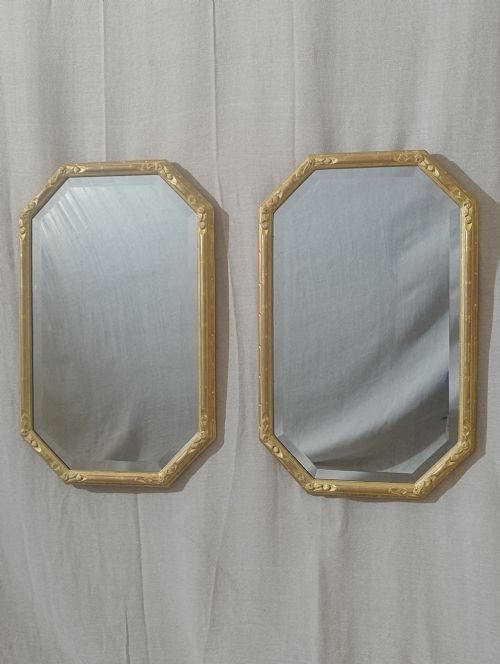
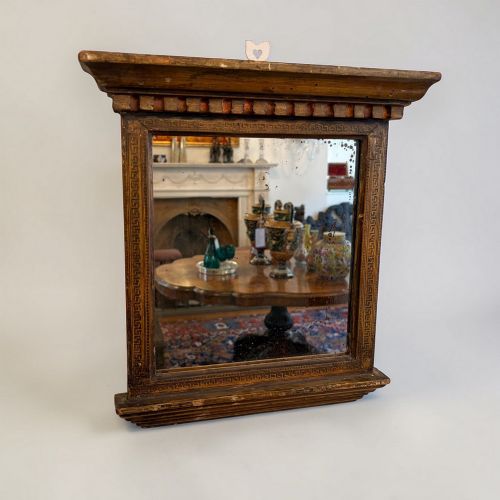
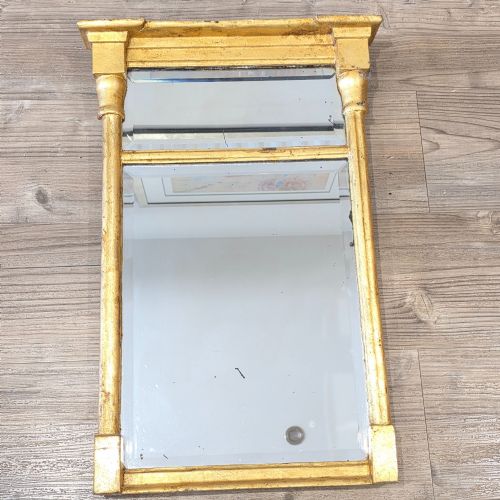
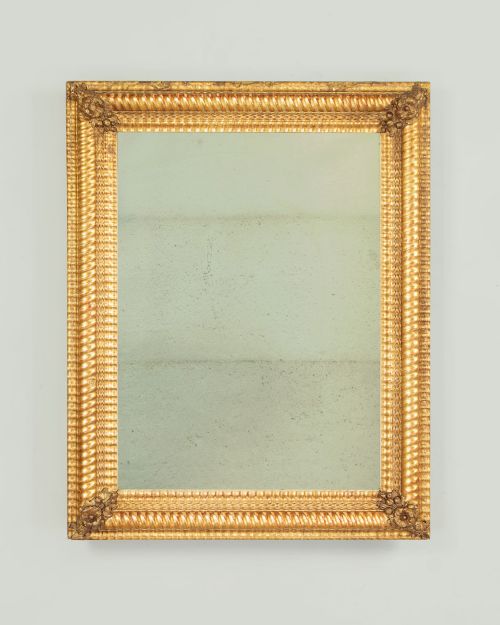
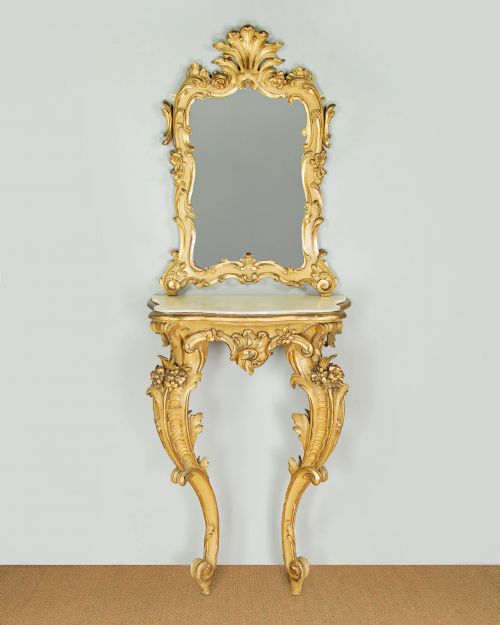
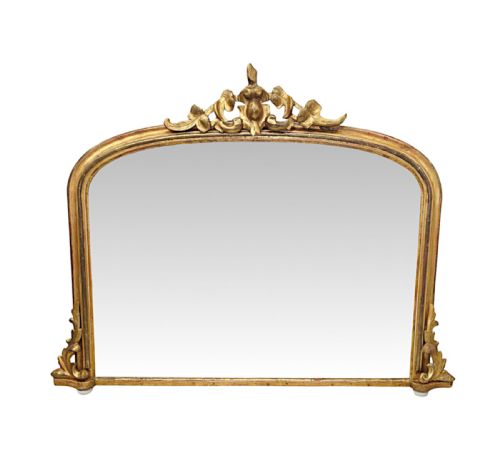
A small gold mirror acts as a traditional focal point in compact spaces, reflecting light while adding metallic warmth to a wall or mantel. When you search for a small gold mirror, you encounter pieces designed for intimacy, such as vanity glasses, console pairings, and neat overmantels.
The selections span several centuries, drawing heavily from nineteenth-century Victorian production, Regency elegance, and eighteenth-century Italian and French workshops. Styles range from restrained neoclassical lines to ornate Rococo and Baroque curves.
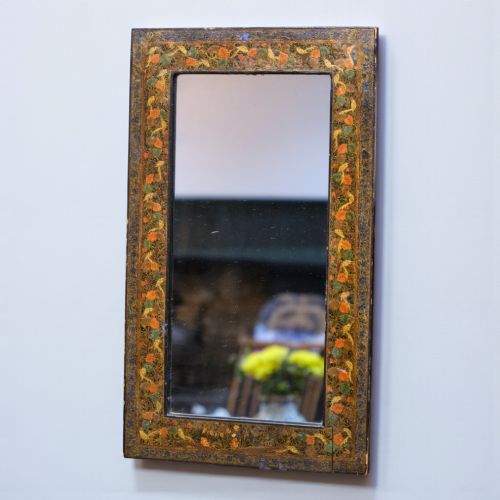
Most examples rely on giltwood, gesso, and brass frames, often scaled down to suit smaller architectural niches or dressing tables. Regional variations appear too, including Kashmiri painted wooden surfaces and Venetian micro mosaic details.
How they were made
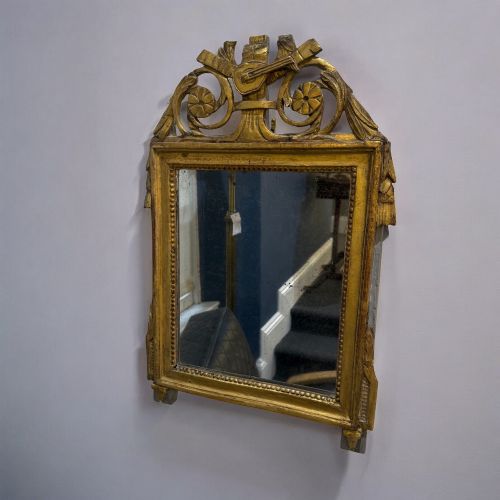
Artisans built these frames using carved wood or moulded gesso as a base, applying thin layers of gold leaf or water gilding to achieve a luminous metallic finish. The application of gesso allowed makers to create crisp relief ornamentation, from floral scrolls to delicate beadwork.
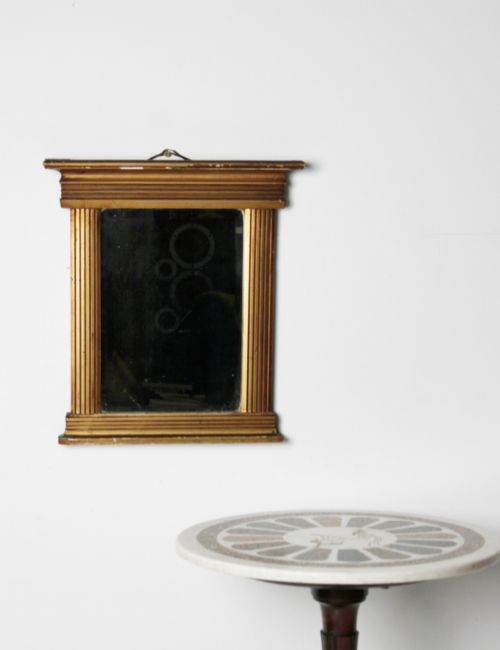
Mirror plates of the period frequently exhibit characteristic ageing, such as foxing and slight distortions, housed within frames joined by traditional corner construction. Brass and ebonised wood alternatives also emerge, utilising cast metalwork or contrasting dark tones to frame the reflective glass.
Some nineteenth-century convex mirrors include candle arms attached to the frame, designed to multiply the flickering illumination by candlelight.
What varies in quality
The distinction between standard items and exceptional pieces rests upon the crispness of the hand-carving and the depth of the gilding technique. Water gilding over a prepared bole provides a richer, burnishable lustre compared to simpler metallic paint finishes.
Proportion and originality dictate long-term appeal, where untouched period surfaces and original mercury or early silvered glass plates retain greater integrity. The finesse of the gesso mouldings and the preservation of the underlying timber structure further separate routine decorative objects from finer examples.
The Small Gold Mirror Glossary
- Giltwood
- Timber coated with gold leaf or gold powder. This surface method defines the warm appearance of traditional mirror frames.
- Gesso
- A plaster mixture applied to wood frames to create a smooth surface for carving or gilding. It enables intricate relief decoration.
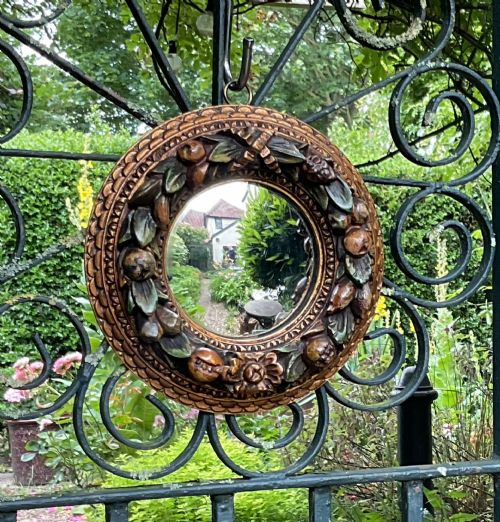
- Convex mirror
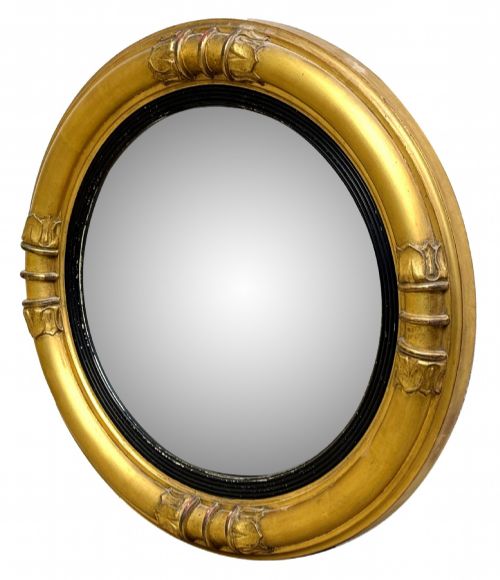
- A round glass surface that curves outward to capture a wide panoramic reflection of the room. These pieces were popular in Regency interiors.
- Foxing
- Age-related brown spots and speckles within the mirror glass plate. This chemical process occurs naturally in older silvering.
- Pier mirror
- A tall, narrow glass designed to hang on the wall space between windows. They often sit directly above matching console tables.
Small Gold Mirror: Frequently Asked Questions
Where should I hang a small gold mirror?
These compact pieces suit narrow wall spaces, hallways, or above small mantelpieces where larger frames would overwhelm the proportion.
They also function effectively on dressing tables or paired alongside console furniture to bounce light into darker corners.
How do I identify a Regency convex mirror?
Regency convex mirrors typically feature circular frames surmounted by carved eagles or ornamental balls, housing a curved spherical glass.
They often include reeded ebony inner bezels designed to catch and refract light across the room.
What is a French marriage mirror?
A French marriage mirror is a traditional decorative piece historically given as a wedding gift, often adorned with symbolic motifs like love birds and floral garlands.
These eighteenth and nineteenth-century items usually incorporate detailed gesso work over wooden frames.
How do I care for antique giltwood frames?
Dust the carved surfaces gently with a soft, dry brush to prevent accumulation without disturbing the delicate gold leaf.
Avoid using liquid cleaners or abrasive cloths, as moisture and harsh chemicals damage historic water gilding and gesso.