

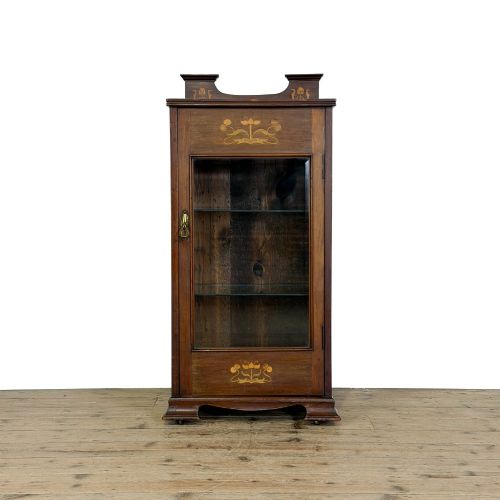
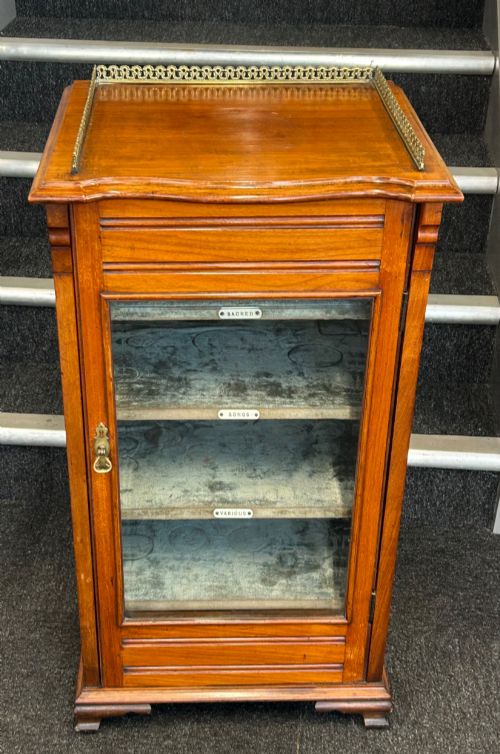
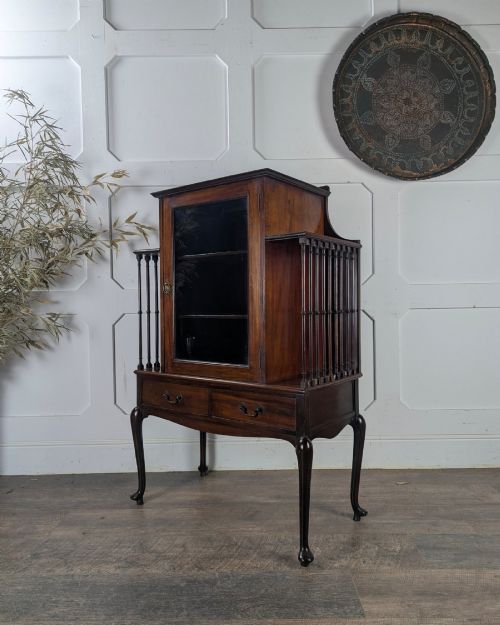
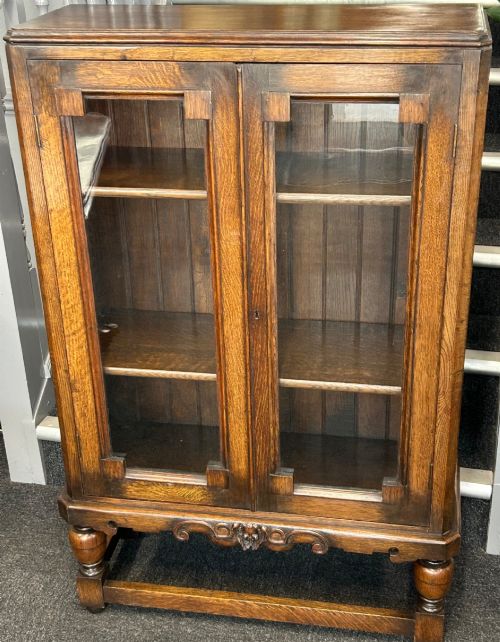


Small Glazed Standing Cabinet
A small glazed standing cabinet brings glass and polished wood together to hold books and display pieces without dominating a room.
Small Glazed Standing Cabinet
A small glazed standing cabinet serves primarily to exhibit or store cherished items in a compact footprint. These pieces span several distinct eras, with Edwardian and 1900 examples appearing frequently alongside Victorian, Georgian, and Regency antecedents.
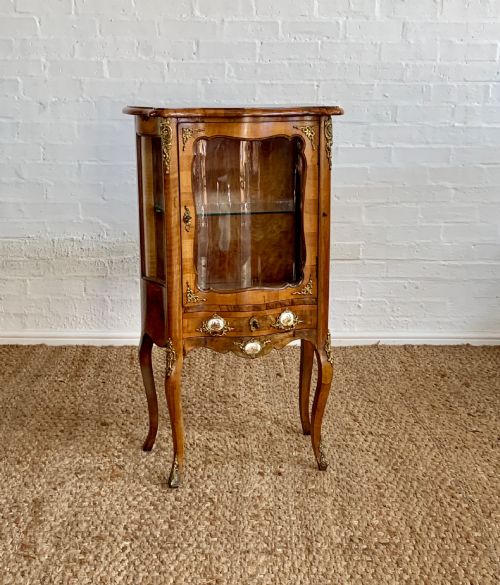
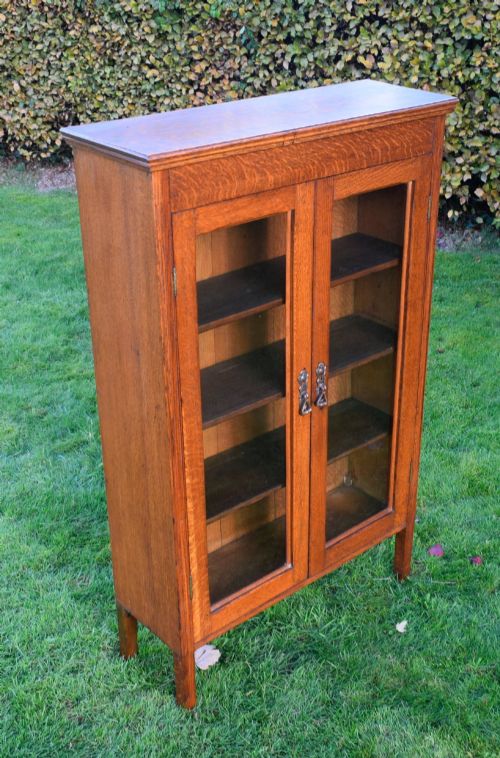
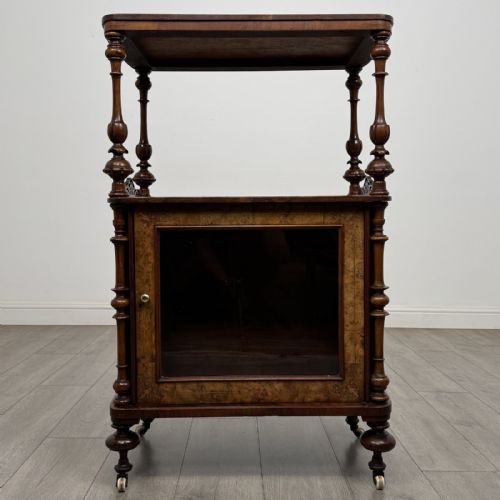
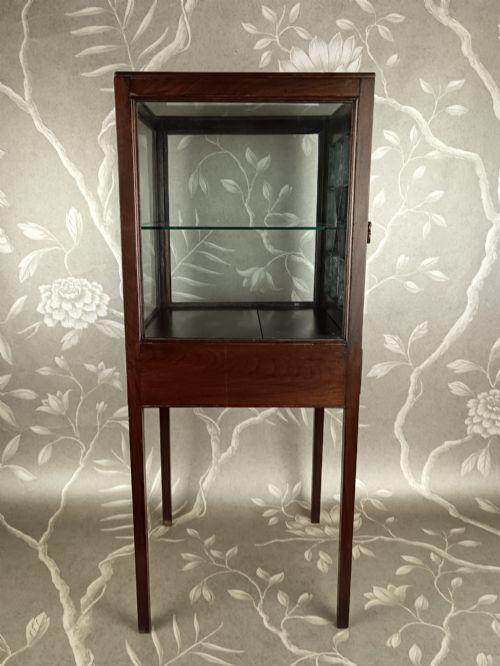
Forms vary according to their original domestic function, encompassing upright display cabinets, music cabinets, bookcases, and vitrines. Many stand directly on the floor while others are elevated on stands or feature enclosed cupboards beneath the glazing.
The materials and detailing reflect the prevailing style of the period, ranging from plain oak utility to inlaid mahogany and burr walnut. Buyers encounter variations in door configuration, from single glazed panels to two-door setups with accompanying woodwork galleries.
Materials and construction
Makers relied heavily on hardwoods such as mahogany, oak, and walnut, often accentuating the primary timber with satinwood crossbanding, intricate inlay, or burr veneers. Glass panels were integrated into timber doors to protect the contents while maintaining visibility.
Brass fittings appear routinely as hinges, handles, and locks, while internal shelving relies on simple timber supports or adjustable brackets. Some specialised variations incorporate fabric linings or tile tops to suit specific domestic uses.
Small Glazed Standing Cabinet Retail Price Guide 2026
Typical asking prices for small glazed standing cabinet among the pieces listed under this phrase on Sellingantiques today, from the lower quarter to the upper quarter. They describe what is for sale here now, not the wider market.
Several music cabinets still retain their original internal partitions, ready to sort your sheet music or keep your stray correspondence neatly filed away.
Assessing craftsmanship and finish
Quality reveals itself in the choice of timber and the precision of the joinery, particularly where inlay or crossbanding is applied to mahogany and walnut surfaces. Superior pieces display thoughtful grain matching and well-fitted doors that operate smoothly within their frames.
Finer examples often incorporate subtle decorative elements such as brass mounts, concave glass panels, or gallery rails that elevate the piece beyond standard utility furniture.
The Small Glazed Standing Cabinet Glossary
- Crossbanding
- A decorative border technique where thin strips of veneer are laid across the grain of the primary wood panel. This method frames the central surface and provides a distinct contrast in tone.
- Bijouterie cabinet
- A specialised display case with a glazed top and shallow compartment intended for holding small valuables, jewellery, or medals. They often stand at a convenient height for viewing items from above.
- Whatnot
- An open-shelved piece of standing furniture used for displaying ornaments and small books. Some variations include enclosed lower cupboards or glazed sections.
- Gallery
- A raised ornamental border placed around the top edge of a cabinet or bookcase. It typically consists of pierced woodwork or small spindles designed to prevent items from sliding off.
Small Glazed Standing Cabinet: Frequently Asked Questions
Where should I put a small glazed standing cabinet?
These compact cabinets suit alcoves, hallways, or smaller reception rooms where floor space is limited. Their glazed doors keep collections visible while protecting them from dust.
Position them away from direct sunlight to prevent the timber finishes and interior fabrics from fading over time.
How do I clean and maintain the wood?
Dust the exterior regularly with a soft, dry cloth to prevent buildup on the polished surfaces. Avoid using silicone sprays or harsh chemical cleaners that can degrade antique finishes.
Apply a traditional beeswax polish sparingly once or twice a year to nourish the mahogany, walnut, or oak grain.
Can these cabinets hold heavy books?
Many examples function as small bookcases with sturdy timber shelves suitable for standard volumes. However, inspect the internal shelf supports before loading them with dense or heavy sets.
Music cabinets and delicate vitrines are generally engineered for sheet music or lightweight display objects rather than large libraries.
How do I distinguish Edwardian pieces from Victorian ones?
Victorian cabinets often favor darker, heavier timbers like burr walnut and feature more robust carving or elaborate inlay. Edwardian and 1900s pieces frequently display lighter mahogany or satinwood with refined, slender proportions.
Stylistic cues such as Sheraton Revival influences or Art Nouveau curves also help pinpoint the era of manufacture.