
Small Folding Table
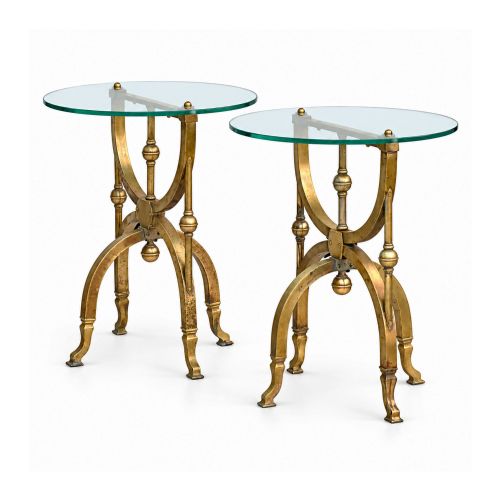
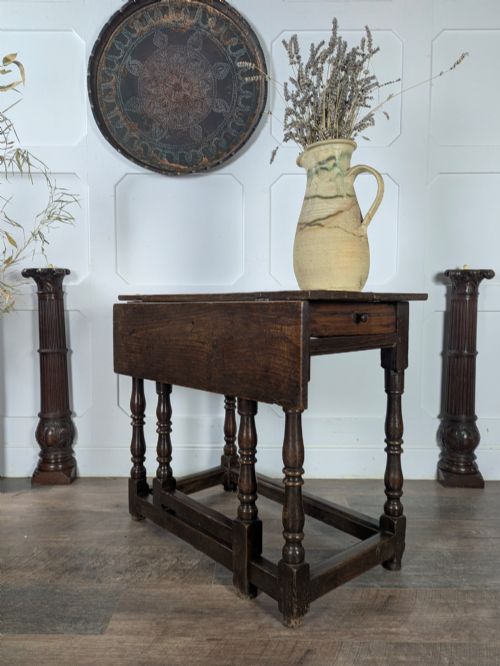
A small folding table offers compact versatility, bringing drop leaves, gatelegs, and swivel tops together in mahogany, oak, and walnut.
Small Folding Table
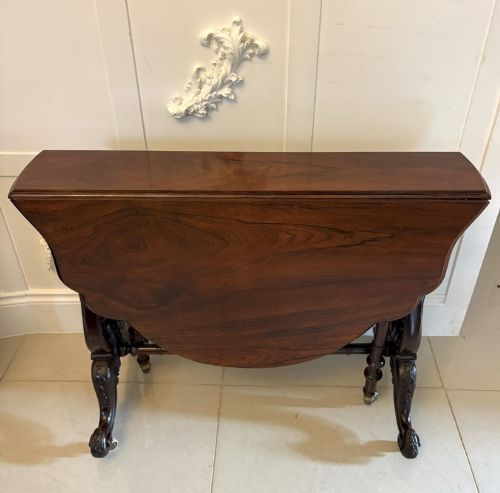
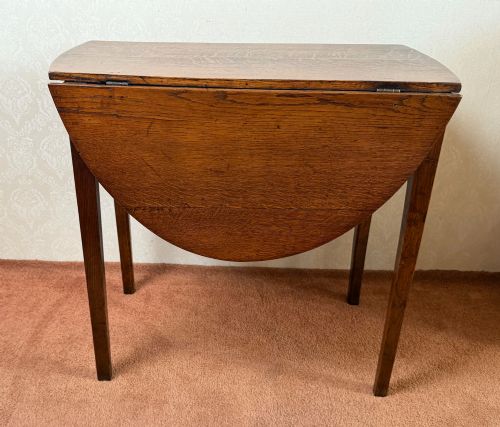
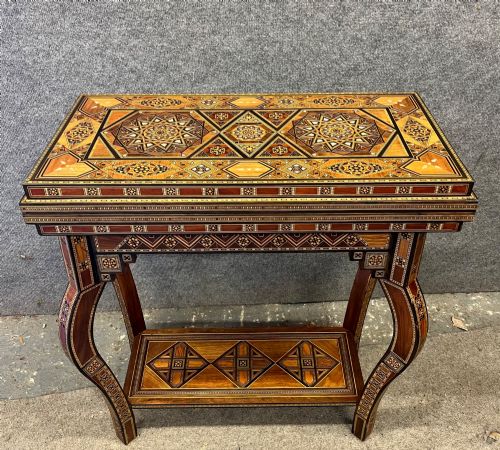
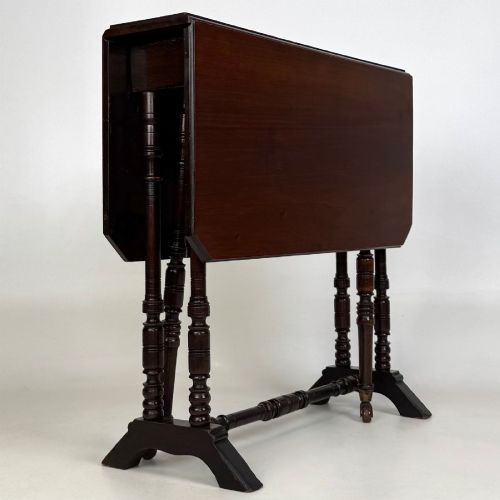
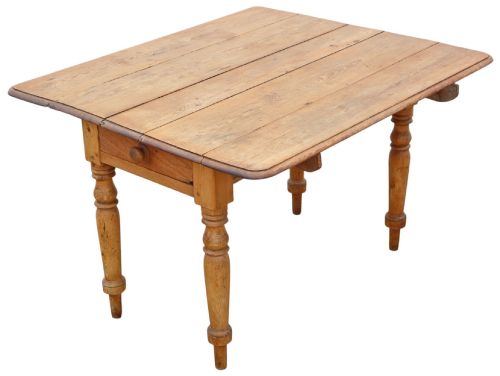
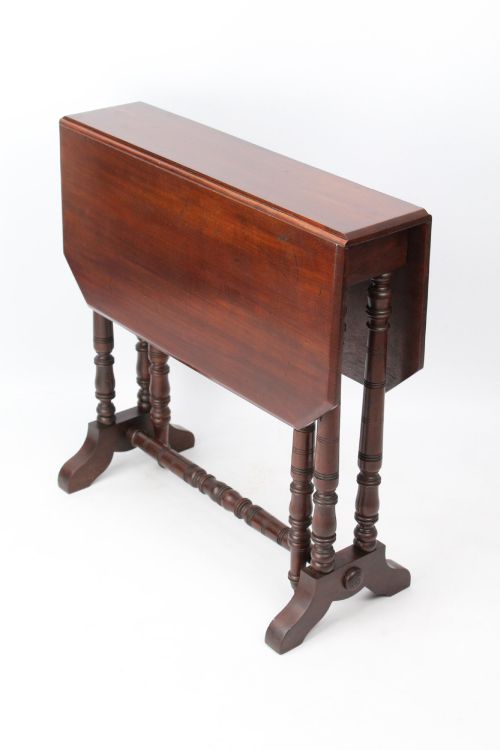
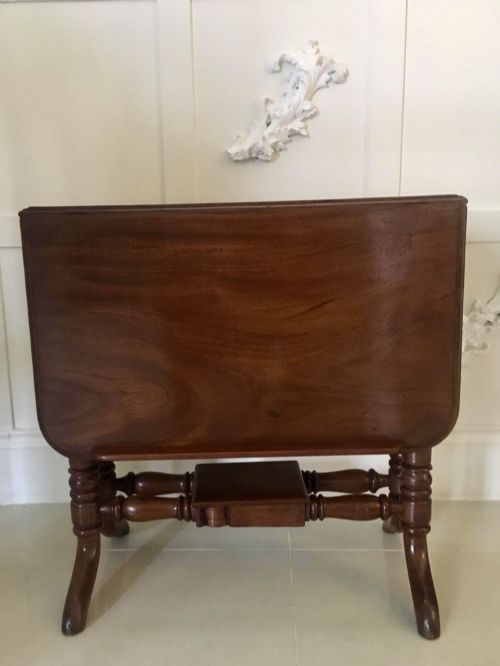
A small folding table serves domestic spaces through drop leaves, gatelegs, and hinges that allow the surface area to expand or contract. These pieces include Sutherland tables, Pembroke tables, card tables, and gateleg tables originating from the Georgian, Victorian, and Edwardian periods.
Mahogany and oak dominate the selections, alongside walnut, burr walnut, satinwood, and beech. Makers and cabinetmakers utilised these timbers to build occasional tables, side tables, and dining tables designed for flexible placement in domestic rooms.
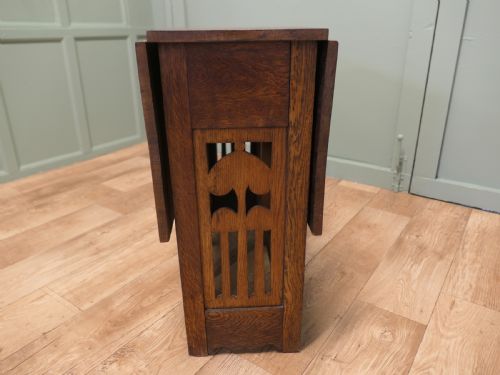
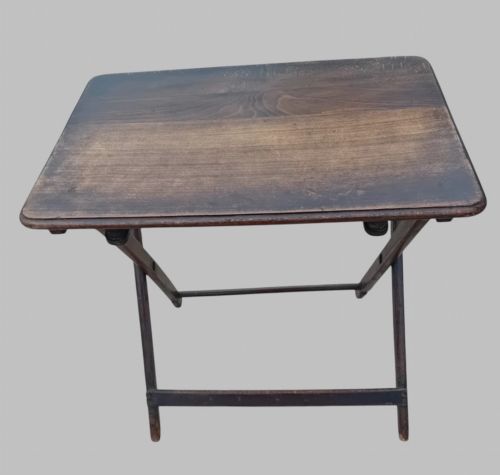
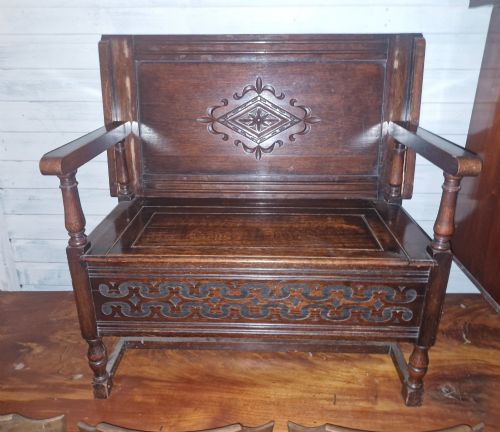
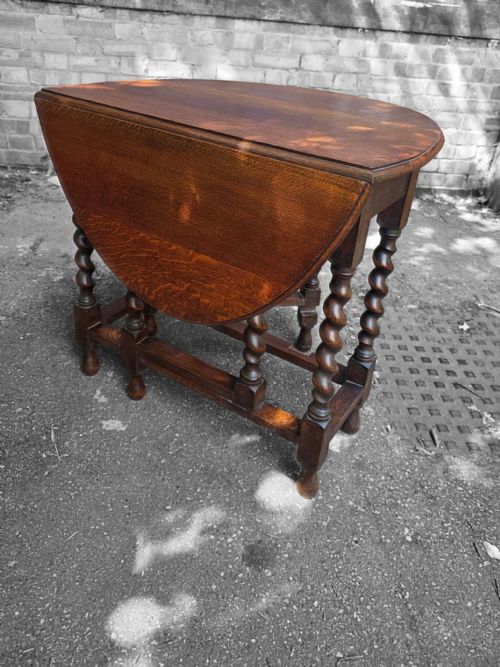
Victorian and Edwardian examples appear frequently alongside 18th-century pieces, showing styles from Arts and Crafts to Jacobean Revival and Campaign. Buyers encounter variations such as inlaid satinwood, barley twist legs, and carved details on folding frames.
Evaluating craftsmanship
Quality rests in the selection of timber, such as finely figured mahogany or burr walnut, and the crispness of inlaid details or carved barley twists. Superior examples maintain structural integrity in their folding actions and gateleg pivots.
Proportions and surface patina separate standard workshop production from finer cabinetmaking, particularly in 18th-century red walnut and Edwardian satinwood pieces where timber choice dictates the visual weight of the folding frame.
Object types include Sutherland tables, Pembroke tables, gatelegs, card tables, and occasional tables.
Maple & Co
The Small Folding Table Glossary
- Sutherland table
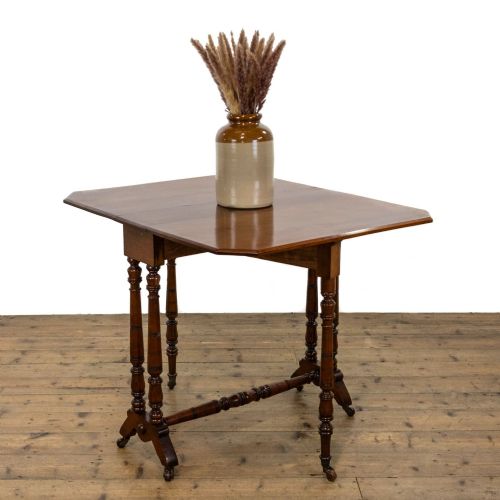
- A narrow drop-leaf table with exceptionally small flaps and long legs, designed to fold down flat when not in use. They became popular during the Victorian and Edwardian eras.
- Gateleg table
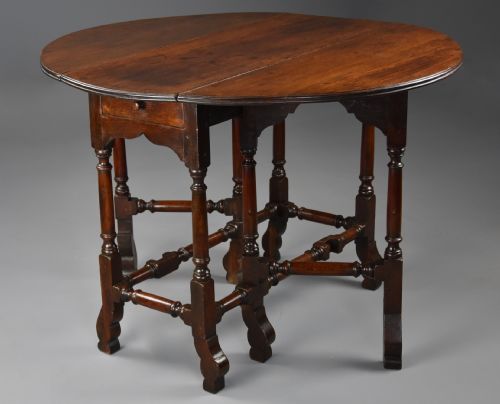
- A table with hinged legs that swing out to support drop leaves when raised. The legs form a gate-like structure.
- Pembroke table
- A small rectangular table with two hinged drop leaves on opposite sides. Many include a single drawer.
- Campaign style
- Portable furniture designed for travel, typically featuring folding frames, brass corners, and recessed handles. Pieces were built for easy dismantling.
- Demilune
- Half-moon shaped, commonly used to describe the top of a card table or side table placed flush against a wall.
Small Folding Table: Frequently Asked Questions
What is a Sutherland table?
A Sutherland table is a specific type of drop-leaf table characterised by very narrow flaps supported by swinging gate legs. When folded completely, the top is minimal in width.
Victorian and Edwardian makers produced these tables extensively in mahogany, walnut, and satinwood for use in drawing rooms and parlours.
How do gateleg tables work?
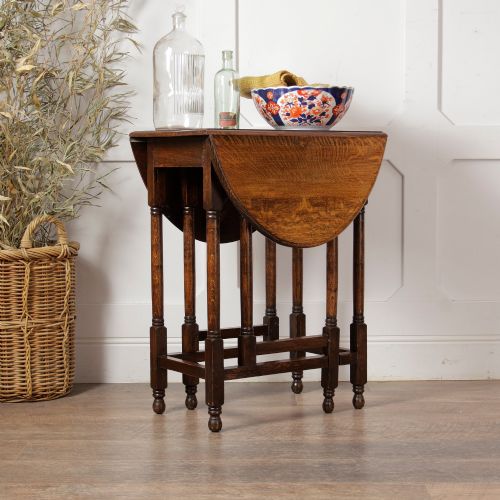
Gateleg tables utilise hinged legs that pivot outward on wooden or pinned joints to support the drop leaves. This creates a sturdy surface from a compact frame.
Examples range from 18th-century solid oak pieces to early 20th-century honey oak versions with barley twist supports.
Where should I place a small folding table?
These tables suit hallways, sitting rooms, and bedrooms where surface space is needed intermittently. A demi-lune card table fits flat against a wall, while a drop-leaf lamp table opens out beside a chair.
Their folding mechanisms allow you to adjust their footprint depending on the room layout.
How do I date a folding table?
Dating relies on timber choice, construction methods, and stylistic details such as brass hardware, leg turning, and inlay. Georgian pieces often show simpler mahogany or walnut lines, while Edwardian versions frequently feature satinwood or marquetry.
Oak versions span from 18th-century gatelegs to 1920s barley twist variants.