



Small Floor Standing Clock
A small floor standing clock brings the commanding presence of a full-size case into rooms where height and footprint are at a premium.
Small Floor Standing Clock
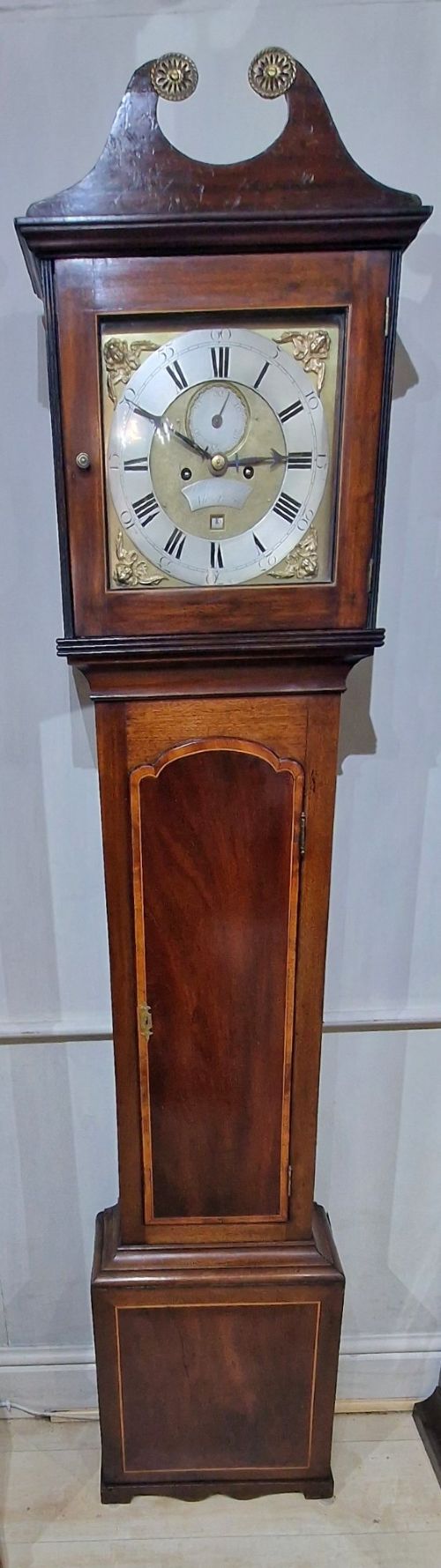
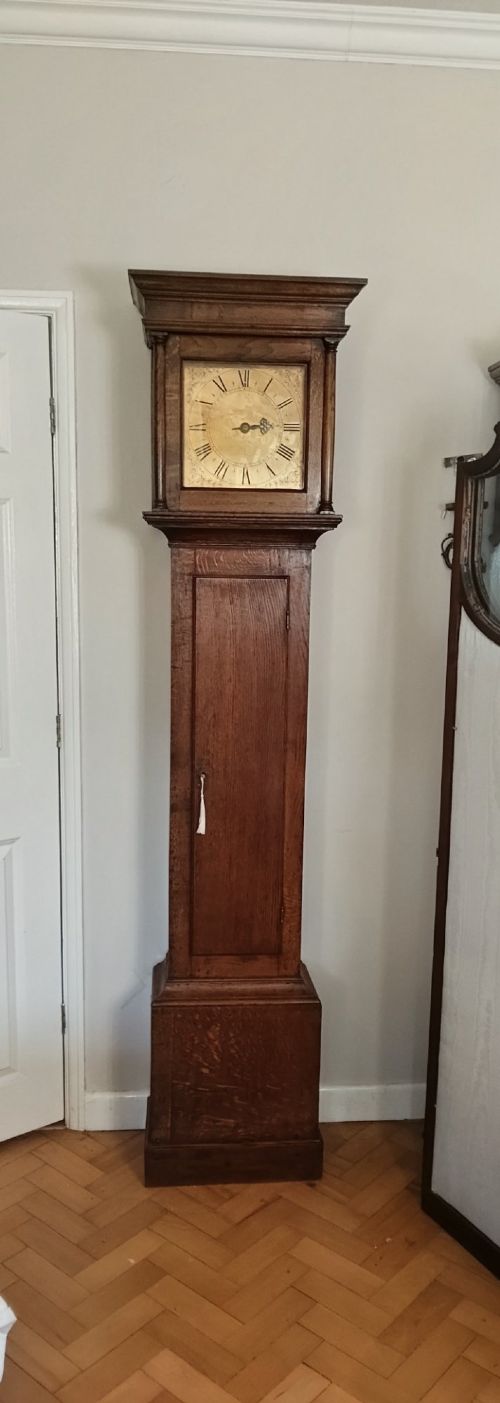
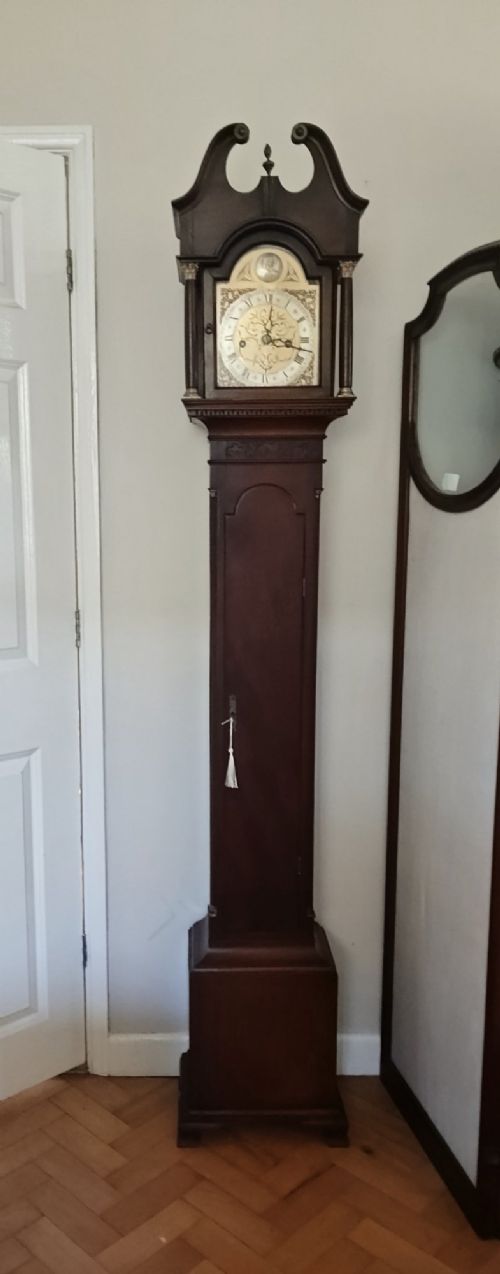
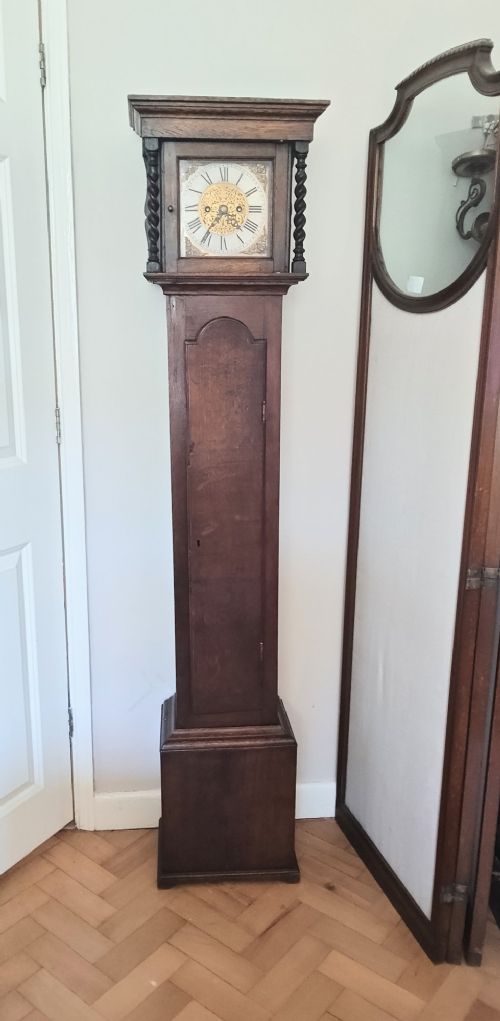
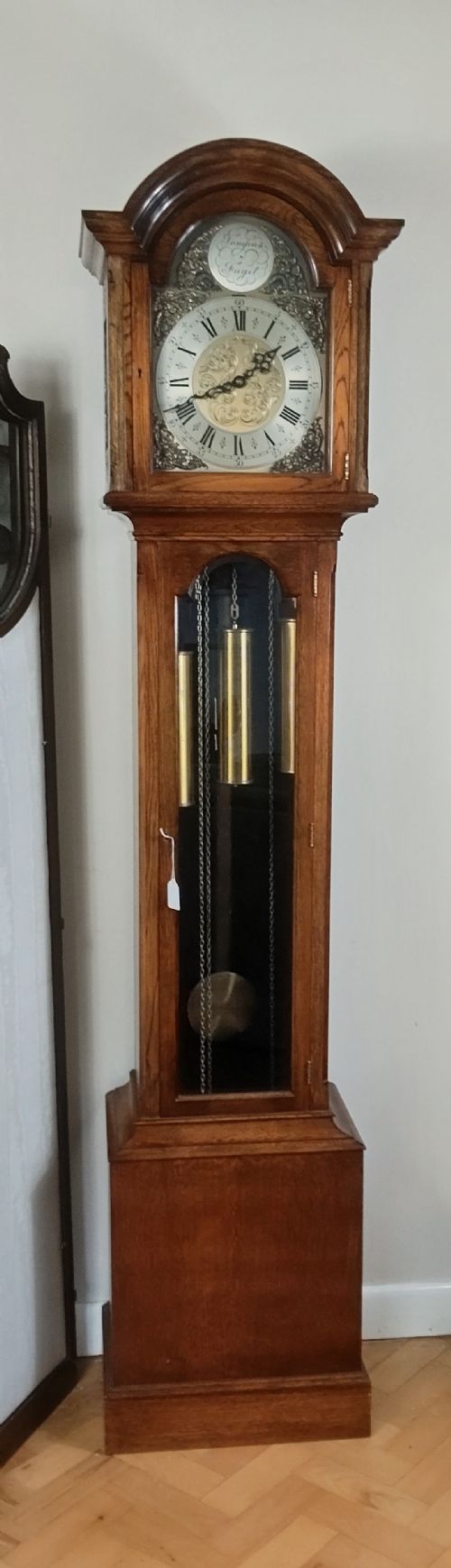
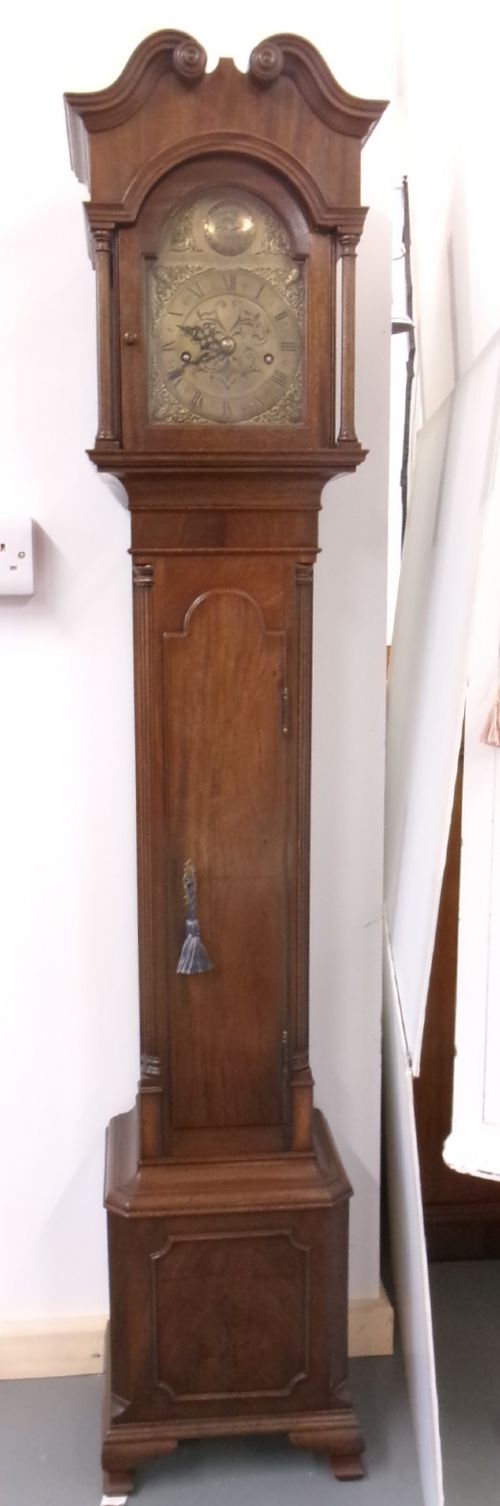
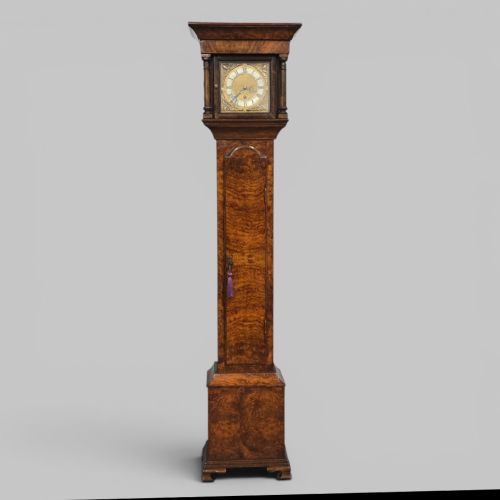
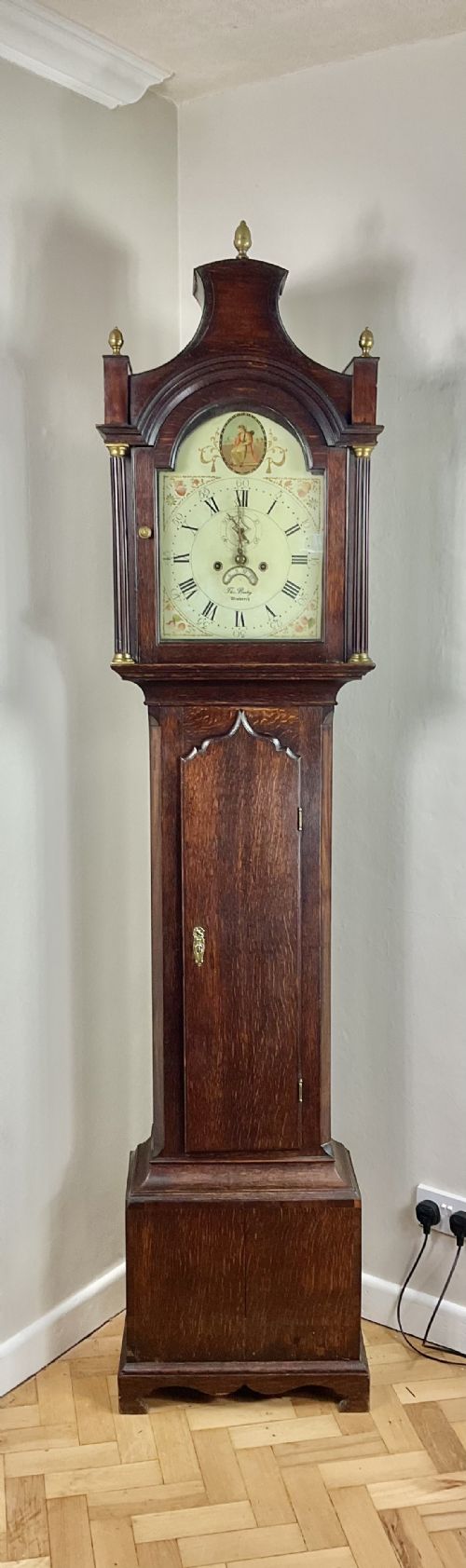
When you search for a small floor standing clock, you encounter slender longcase clocks, grandmother clocks and granddaughter clocks spanning the seventeenth century through to the twentieth century. These pieces scale down the traditional tall proportions of grandfather clocks while retaining mechanical movements and fitted timber hoods and trunks.
Oak and mahogany dominate the offerings, frequently appearing alongside burr walnut, ebonised wood and iron components. Pieces range from early Georgian examples to Edwardian and later revivals in Queen Anne and Chippendale styles, offering compact horological options for domestic spaces.
Materials and construction
Movements span eight-day timepieces, quarter-chiming configurations and musical mechanisms. Iron is utilised within internal weight systems and structural fixings to support the mechanical action inside the timber housing.
Even the smallest granddaughter clock still demands a weekly winding date with its trusty brass key.
Evaluating craftsmanship and proportion
Quality rests in the harmony of the case proportions and the crispness of timber detailing, such as carved mouldings, fretwork friezes and marquetry inlay. Superior examples maintain balanced scale between the narrow trunk and the glazed dial hood.
The sophistication of the internal movement further differentiates pieces, with quarter-chiming and musical mechanisms representing greater horological complexity alongside standard time-and-strike systems.
Nathaniel Pyne·Harrods·Herbert of Haversham·Smith of Chester·Robb of Montrose
The Small Floor Standing Clock Glossary
- Grandmother clock
- A small floor standing clock, typically standing shorter than a standard grandfather clock. These pieces generally date from the twentieth century or late nineteenth century.
- Granddaughter clock
- An even more diminutive version of the longcase clock. This term describes the smallest category of floor standing timepieces.
- Longcase clock
- A tall pendulum clock enclosed in a wooden case consisting of a hood, trunk and base. They are also widely known as grandfather clocks.
- Fusee movement
- A mechanical clock drive incorporating a cone-shaped pulley designed to equalise the declining power of a driving spring as it unwinds. This mechanism improves timekeeping accuracy.
- Marquetry
- Decorative veneer work arranged in intricate patterns using various coloured woods. It frequently adorns the door panels and hoods of early longcase pieces.
Small Floor Standing Clock: Frequently Asked Questions
What is the difference between a grandmother and grandfather clock?
A grandfather clock generally stands over six feet tall with standard full-size proportions. Grandmother and granddaughter clocks scale down these dimensions to fit rooms with lower ceilings or tighter floor spaces.
Despite their smaller stature, these compact floor standing clocks often house full mechanical movements, including striking and chiming functions.
How do I wind an eight-day longcase clock?
Eight-day clocks require winding via the dial face using a specific crank key every week. You insert the key into the winding holes on the dial and turn it gently until the weight rises or the spring reaches tension.
Care must be taken not to overwind the movement, stopping as soon as resistance increases.
Where should I place a small floor standing clock?
These clocks require a stable, level floor and a secure attachment to a wall through the back of the case to prevent tipping. Placing them away from direct sunlight and heavy foot traffic protects the timber finish and keeps the pendulum swinging evenly.
Because they have a narrower footprint than traditional longcase clocks, they fit comfortably in hallways, landings and studies.
How can I tell the period of a longcase clock?
Dating relies on examining the timber species, dial design, case proportions and construction methods. Early examples from the seventeenth and eighteenth centuries often feature square brass dials and solid oak or walnut cases.
Later Edwardian and revival pieces display specific stylistic traits such as Chippendale frets or polished mahogany finishes characteristic of twentieth-century production.