
Small Drop Flap Side Table
A small drop flap side table offers versatile surface space through folding leaves, answering the need for compact furniture in period rooms.
Small Drop Flap Side Table
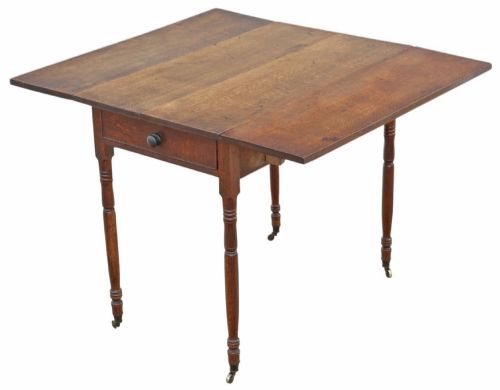
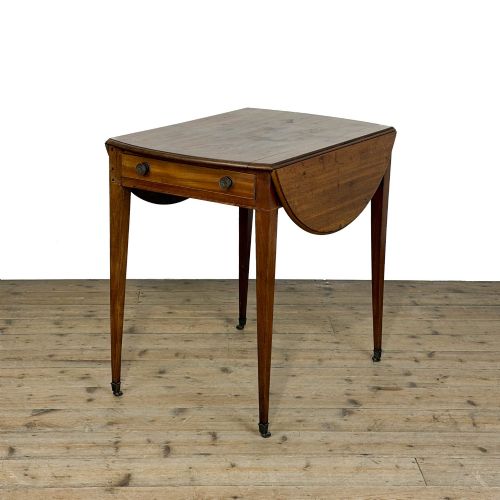
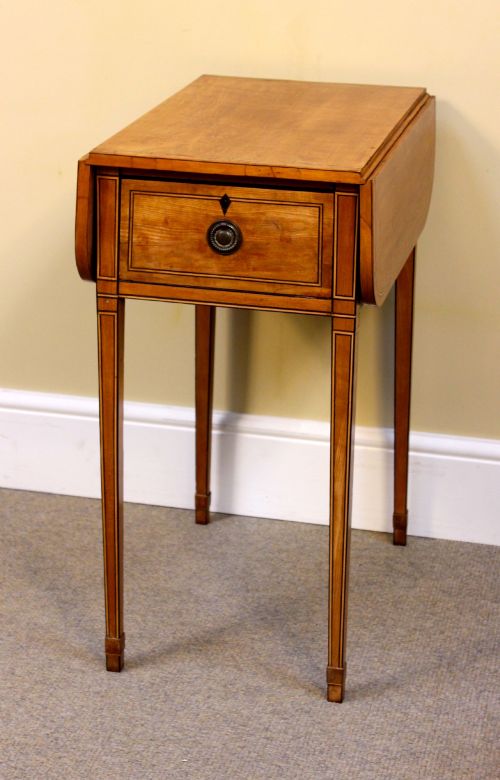
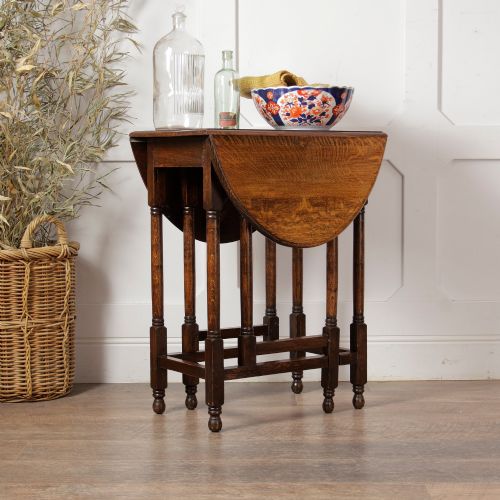
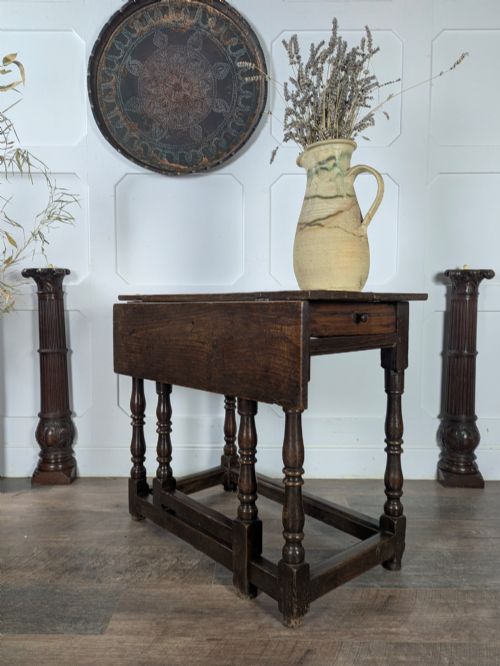
A small drop flap side table provides functional surface area in compact spaces through folding leaves attached to a central top. These pieces appear across multiple periods, including the seventeenth, eighteenth, and nineteenth centuries, alongside Edwardian and 1920s examples.
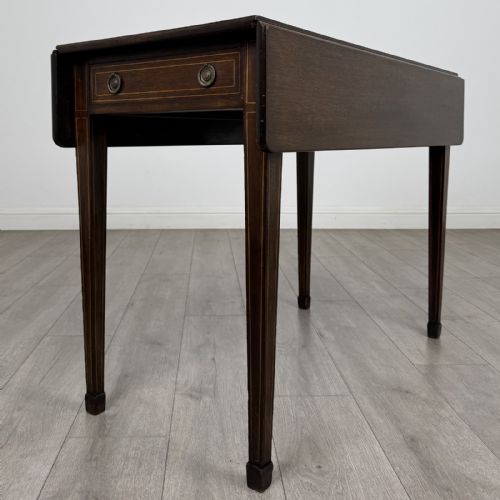
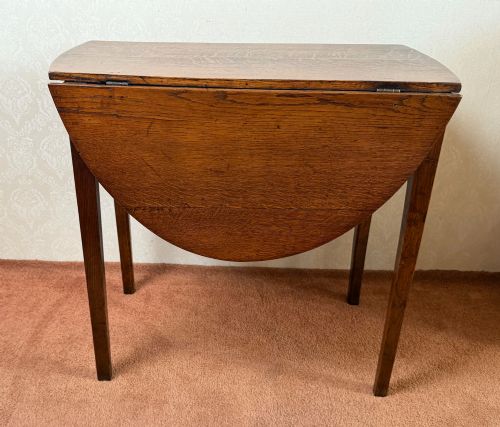
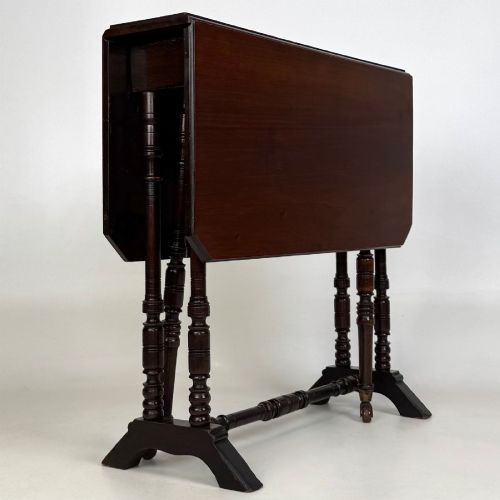
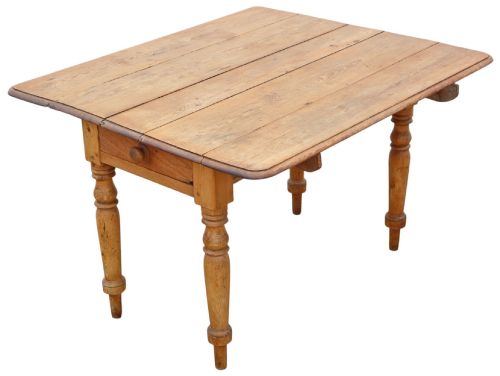
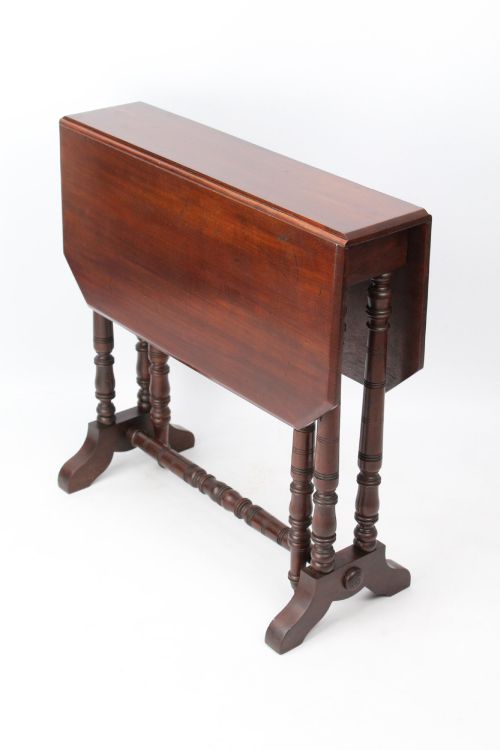
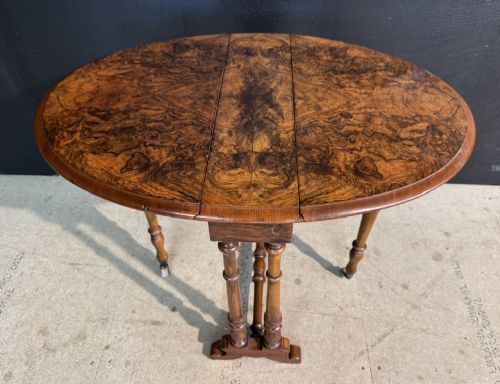
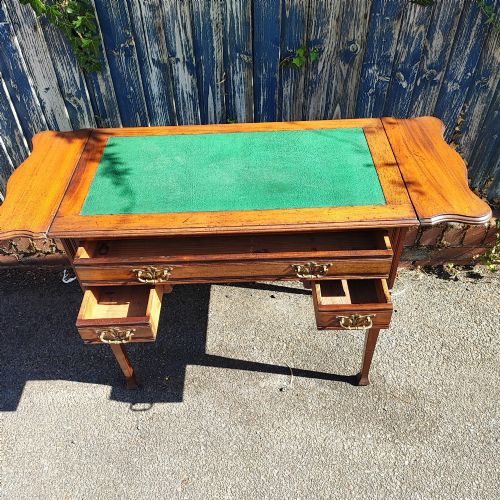
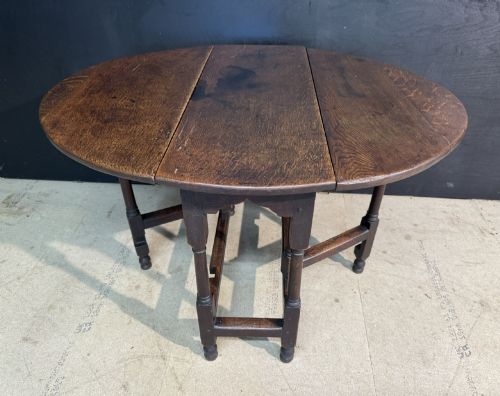
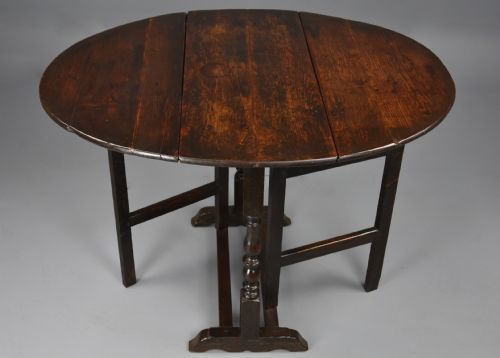
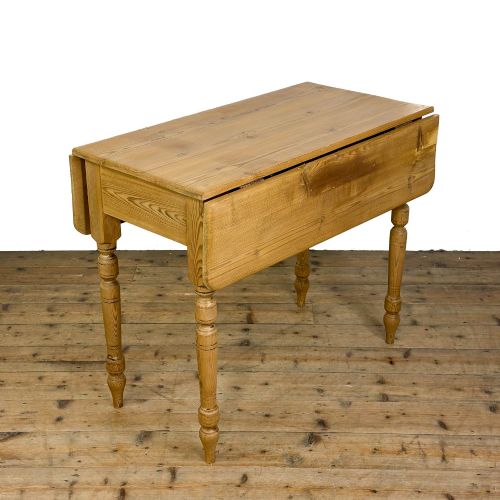
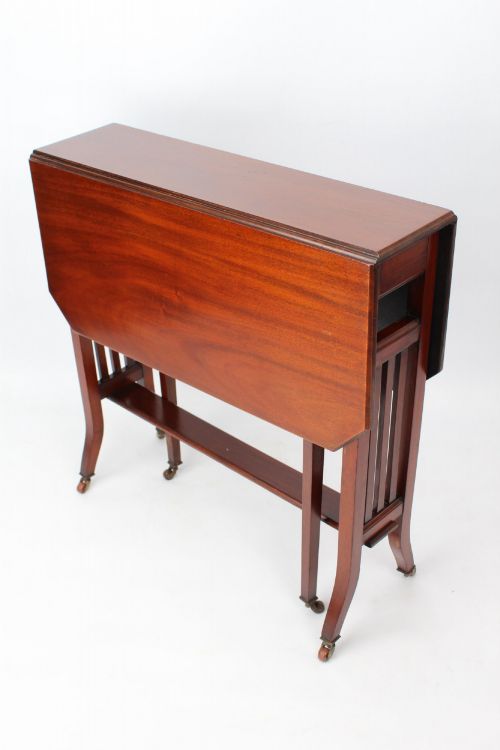
Makers produced these tables in various forms such as Pembroke tables, gateleg tables, and Sutherland tables, constructed from timbers like mahogany, oak, walnut, and pine. The selection ranges from rustic country designs to refined Regency and Victorian pieces with drawers or lamp table configurations.
What varies in quality
The choice of timber dictates the upper and lower tiers of the range, with figured mahogany, burr walnut, and satinwood commanding greater attention than plain pine or utilitarian fruitwood. Superior examples display dense grain patterns and restrained decorative additions like boxwood stringing.
Structural integrity and proportion separate standard pieces from exceptional ones, particularly in the crispness of turned legs, such as barley twists or baluster posts, and the smooth operation of folding leaf mechanisms. Original patina and unaltered surfaces hold significant weight in determining the standing of an individual piece.
The inventory spans seventeenth-century gateleg forms to 1920s lamp tables and folding kitchen tables.
Gillow
The Small Drop Flap Side Table Glossary
- Drop flap
- A hinged leaf attached to the main table top that lowers or rises to alter the surface area. This mechanism allows the table to fit into smaller spaces when not in use.
- Pembroke table
- A small rectangular table with two hinged drop leaves on opposing sides, frequently fitted with one or more drawers. It gained popularity during the Georgian period.
- Gateleg table
- A table with hinged legs that swing outward like a gate to support the drop leaves when raised. This design provides sturdy support beneath the extended leaves.
- Sutherland table
- A narrow table featuring exceptionally slender drop leaves that fold down almost vertically. These tables originate from the Victorian era and save maximum floor space.
- Patina
- The surface sheen and colour developed over decades through oxidation, handling, and waxing. Original patina is a key indicator of age and undisturbed history.
Small Drop Flap Side Table: Frequently Asked Questions
How do I use a small drop flap side table?
These tables function well beside seating or against walls where floor space is limited. Lowering the flaps creates a narrow footprint, while raising them provides extra room for lamps, books, or dining.
Their adaptable design suits living rooms, bedrooms, and hallways. Many include drawers or lower shelves for additional storage.
How do I tell an 18th-century table from a 19th-century one?
Eighteenth-century tables commonly feature solid oak or mahogany with hand-cut joinery and heavy gateleg frames. Timber choice and construction marks often point directly to this earlier period.
Nineteenth-century examples frequently utilise machine-sawn components, rosewood, or satinwood, and may incorporate slimmer turned legs or elaborate brass fittings characteristic of the Victorian and Regency eras.
What is the difference between a Pembroke table and a gateleg table?
A Pembroke table typically has two smaller drop leaves supported by hinged wooden brackets or pivoting wooden arms beneath the top. It often includes a single drawer and four fixed legs.
A gateleg table relies on extra movable legs that swing out from the central frame to support large leaves that usually span the full length of the table top.
Can I place a lamp on a drop flap side table?
A lamp sits securely on the central fixed portion of the top without interfering with the folding leaves. This makes them practical as lamp tables or occasional tables in corners.
Ensure the weight sits centrally rather than on the movable flaps to maintain balance. Models labelled specifically as lamp or end tables are well proportioned for this purpose.