




Small Dressing Table Mirror
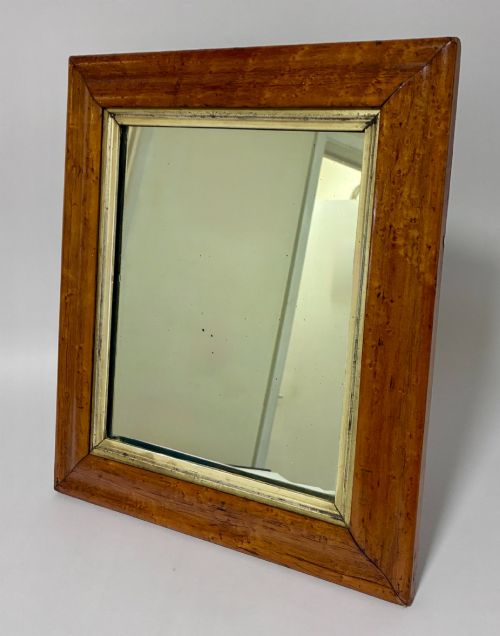
These small dressing table mirror pieces sit upon chests and surfaces, offering compact reflection and period charm for a bedroom.
Small Dressing Table Mirror
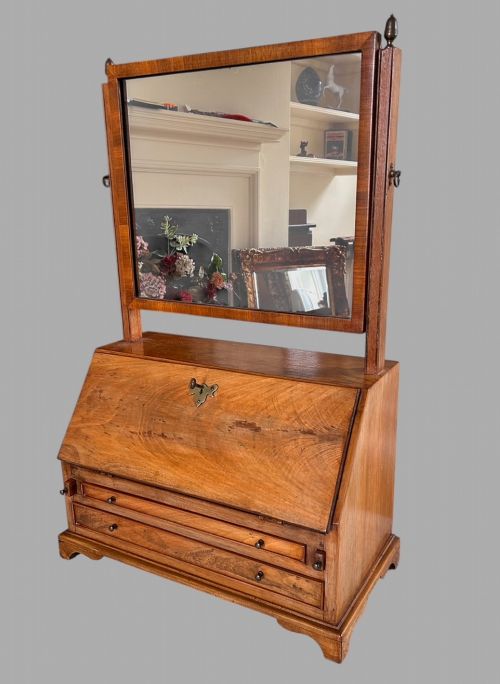
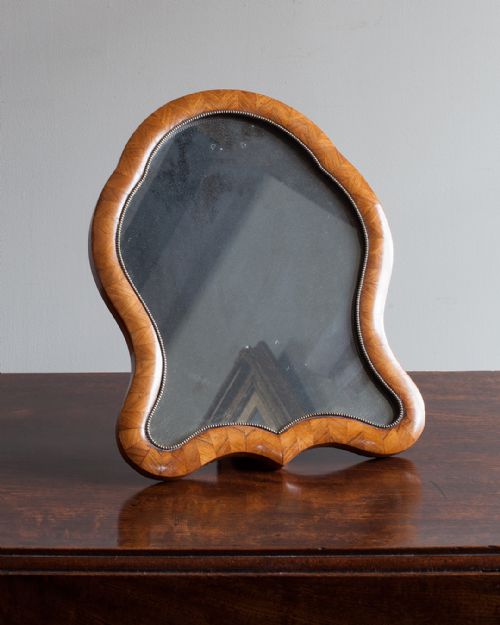
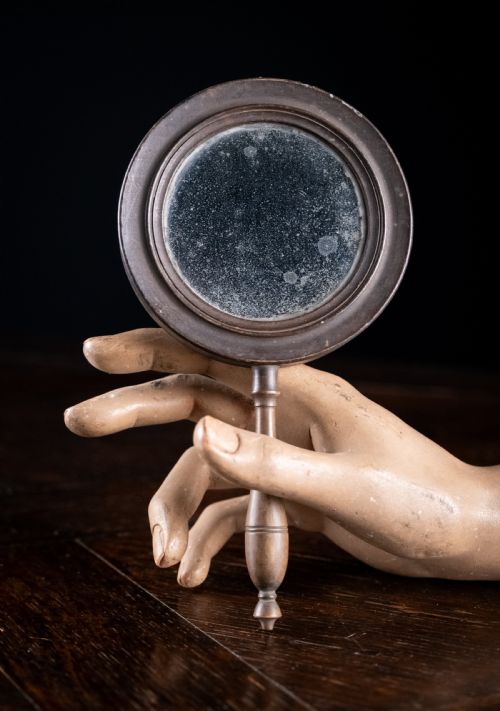
A small dressing table mirror sits upon a chest or tabletop, providing a movable surface for grooming and personal reflection. These pieces appear across Georgian, Regency, and Victorian periods, taking forms such as toilet mirrors and swing mirrors.
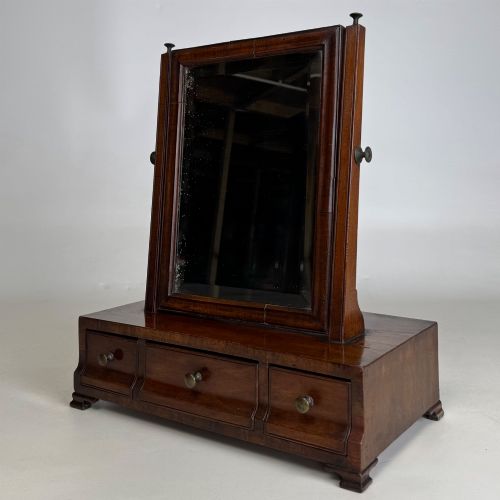
The most common version met on this page is the compact mahogany or walnut table mirror, often featuring a small box base or drawer. Examples range from simple early nineteenth-century designs to ornate late-nineteenth-century brass and Edwardian styles.
How they were made
Cabinetmakers utilised dense timbers like mahogany, walnut, and satinwood to construct the frames and supportive boxes, frequently employing fine veneers. Brass fittings provide pivot points and hinges, allowing the mirror plate to tilt at various angles.
Metalwork techniques such as repoussé appear on brass frames from the Edwardian era, creating textured surface patterns. Mirror glass is set within rebated wooden mouldings, secured traditionally with small pins and backing boards.
Small Dressing Table Mirror Retail Price Guide 2026
Typical asking prices for small dressing table mirror among the pieces listed under this phrase on Sellingantiques today, from the lower quarter to the upper quarter. They describe what is for sale here now, not the wider market.
Listings feature woods such as mahogany, walnut, satinwood, and kingwood alongside polished brass and mirror glass.
What varies in quality
The choice of timber grain and veneer selection dictates the visual depth of mahogany and satinwood pieces. Higher quality items display thoughtful figuring in the wood and precise dovetail joints within any integrated box base.
Refinement in the turning of support uprights and the crispness of brass hardware distinguish finer examples from simpler workshop output. The retention of original mirror glass and authentic backing materials also influences the integrity of the piece.
harrods
The Small Dressing Table Mirror Glossary
- Toilet mirror
- A small mirror designed to sit on a dressing table or chest of drawers. These often incorporate small drawers in the base.
- Swing mirror
- A mirror plate hung on pivots between two upright posts, allowing the glass to tilt. This mechanism is standard in period dressing mirrors.
- Repoussé
- A metalworking technique where a design is hammered into relief from the reverse side. This finish appears on brass frames.
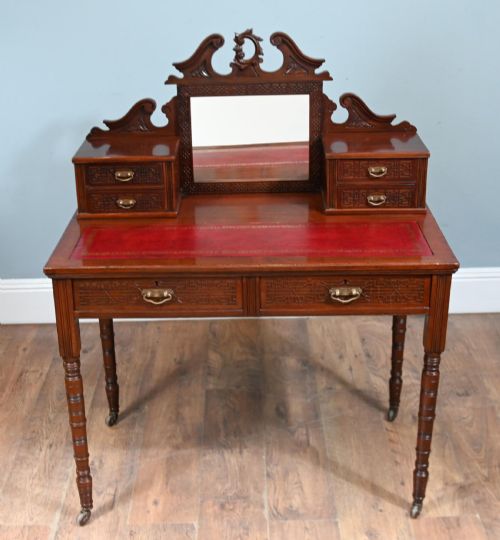
- Bonheur du jour
- A light lady's writing desk, frequently incorporating small drawers and a tabletop mirror or cabinet structure. These combine writing and dressing functions.
Small Dressing Table Mirror: Frequently Asked Questions
How do I date a mahogany mirror?
Dating relies on timber characteristics, construction methods, and the style of the supporting frame. Georgian examples often show simpler lines with fine mahogany veneers.
Victorian and Edwardian pieces tend to introduce heavier mouldings, brass embellishments, or alternative woods like walnut and satinwood.
Where should I place a table mirror?
These mirrors suit placement on dressing tables, chests of drawers, or sideboards in bedrooms and hallways. Their compact footprint requires minimal surface area.
They provide both a functional reflection and a decorative period accent on top of wooden furniture.
Are these mirrors adjustable?
Most period examples use side pivots or screws that connect the mirror frame to the upright supports. This allows the glass angle to tilt forward or backward.
Over time, these pivot fittings may loosen or require careful adjustment to hold the glass firmly in position.