
Small Crystal Pendant
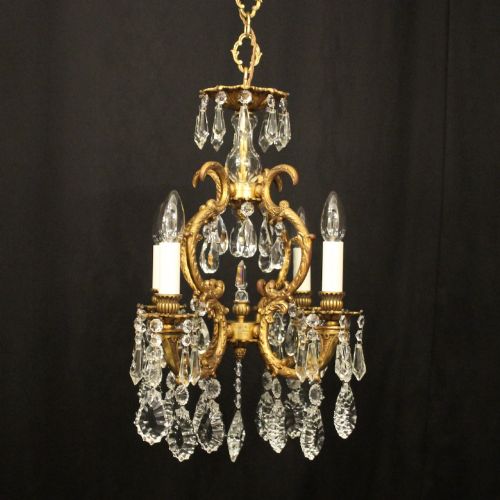
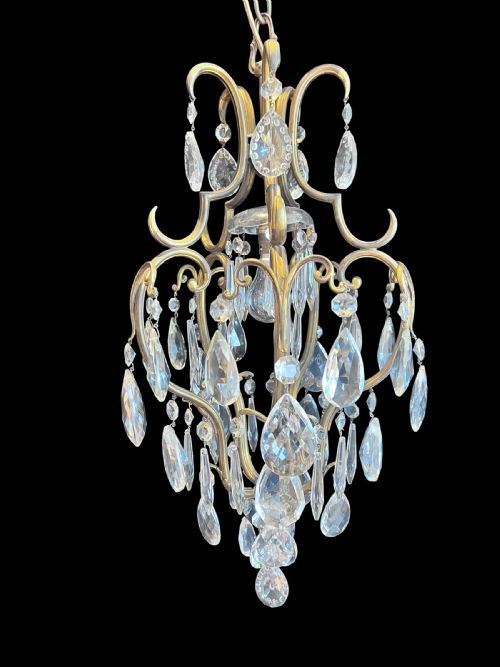
A small crystal pendant brings brilliant refraction and period charm to compact spaces, combining brass mounts with shimmering cut glass.
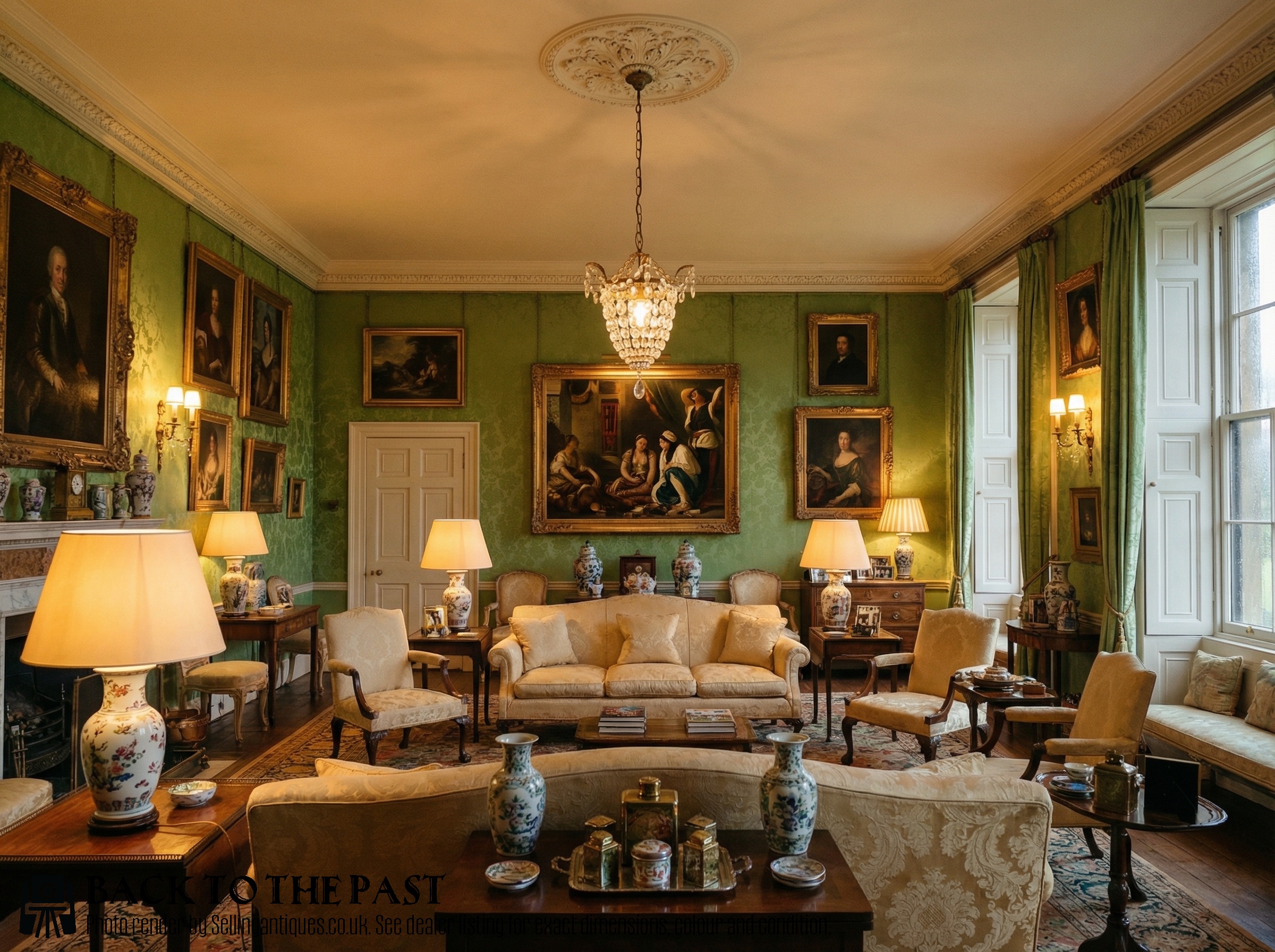
Small Crystal Pendant
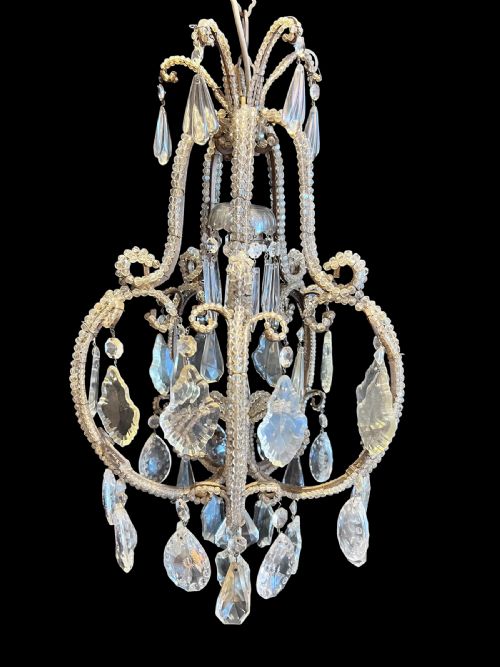
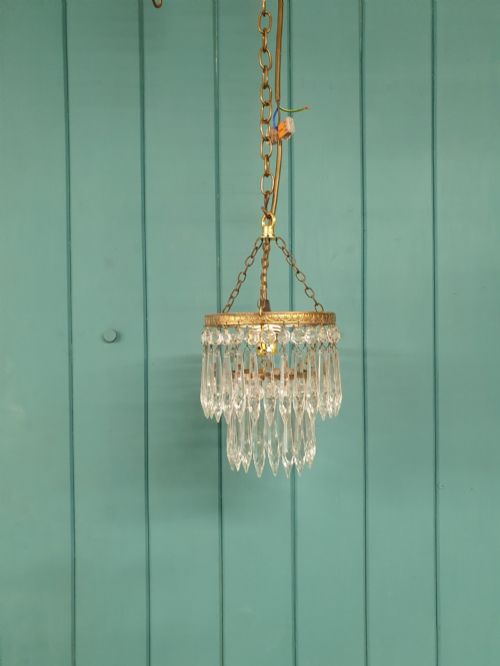
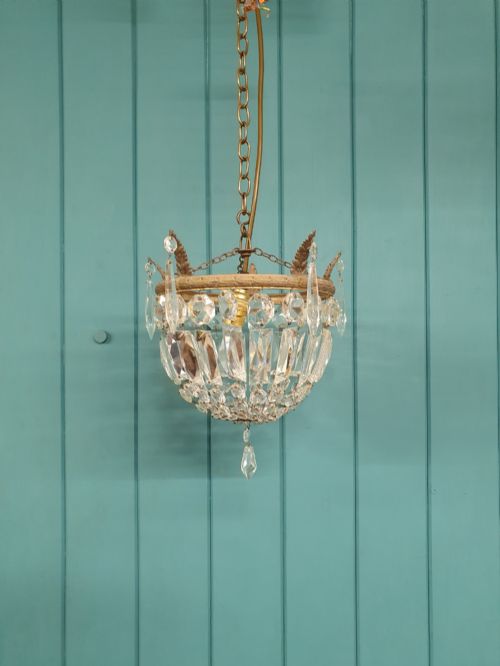
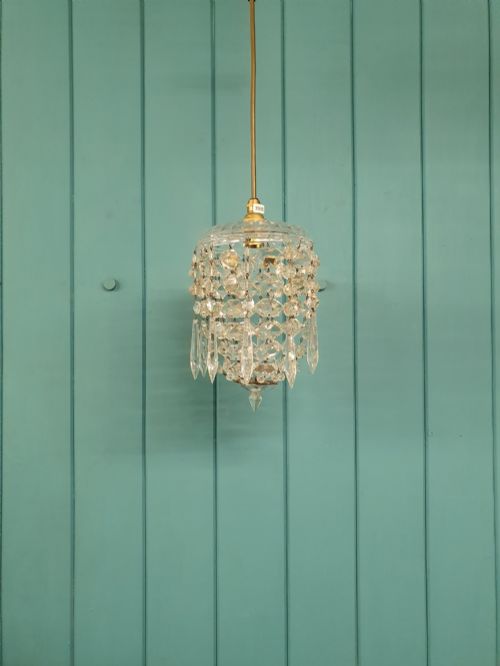
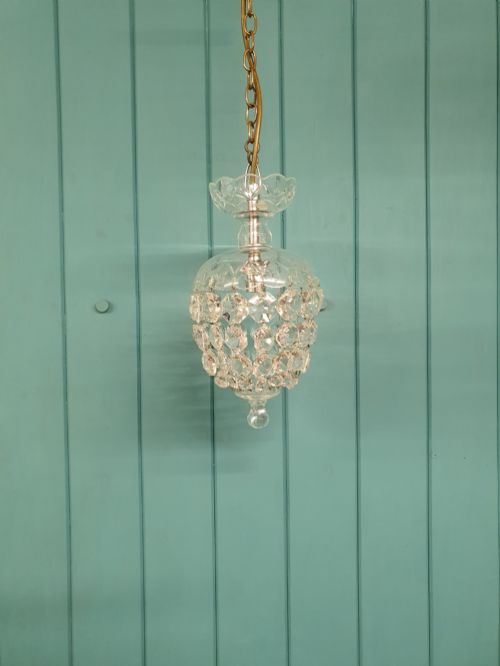
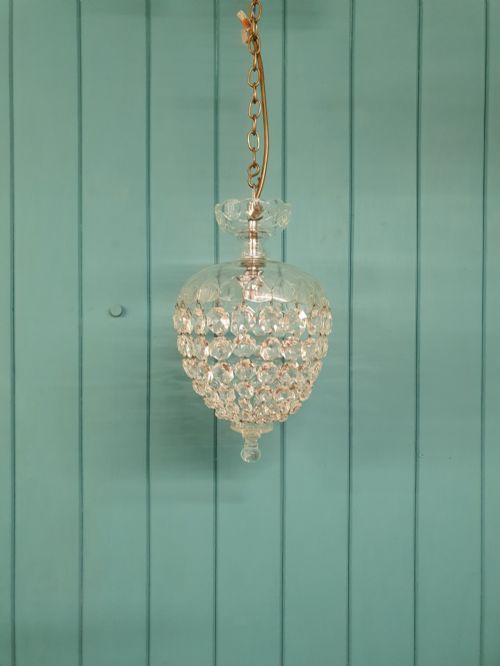
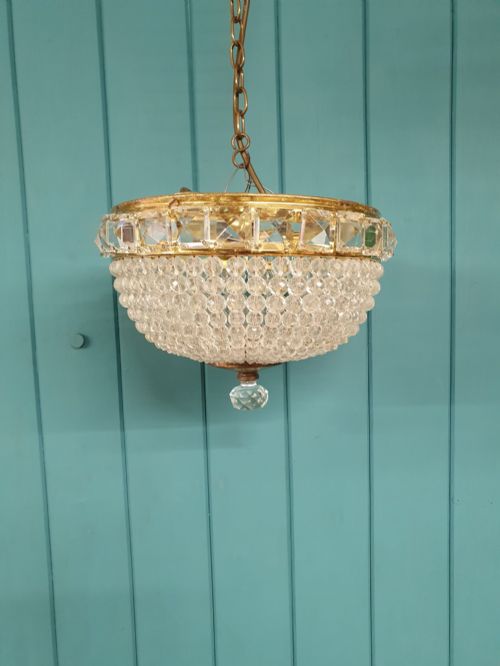
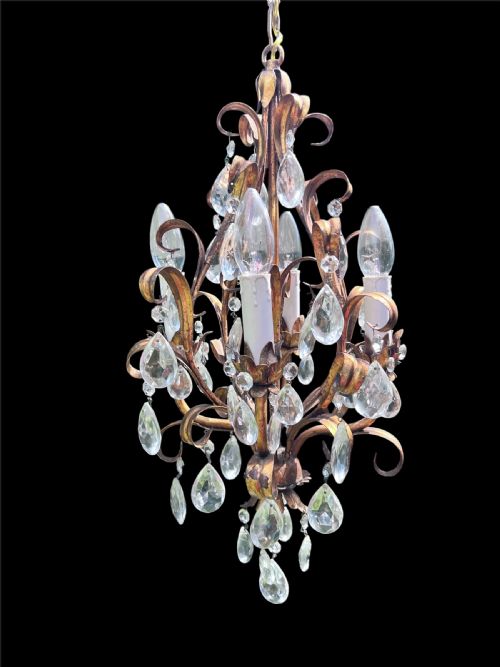
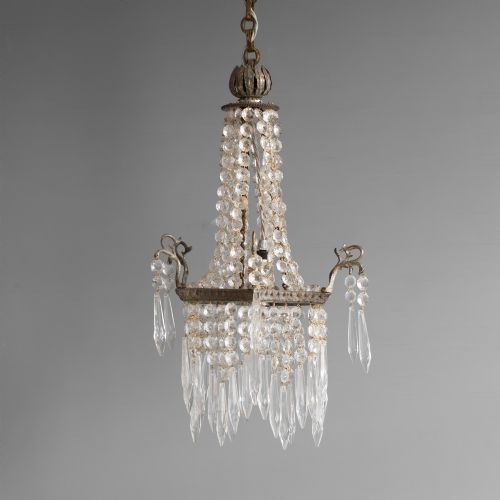
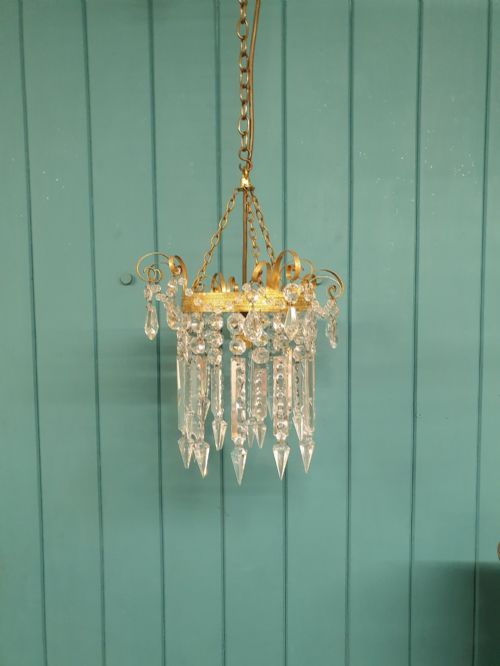
A small crystal pendant encompasses compact ceiling light fittings, small chandeliers, and bag chandeliers originating from the Edwardian era through the 1930s. These hanging fixtures are designed to provide concentrated illumination and decorative brilliance in smaller rooms or hallways.
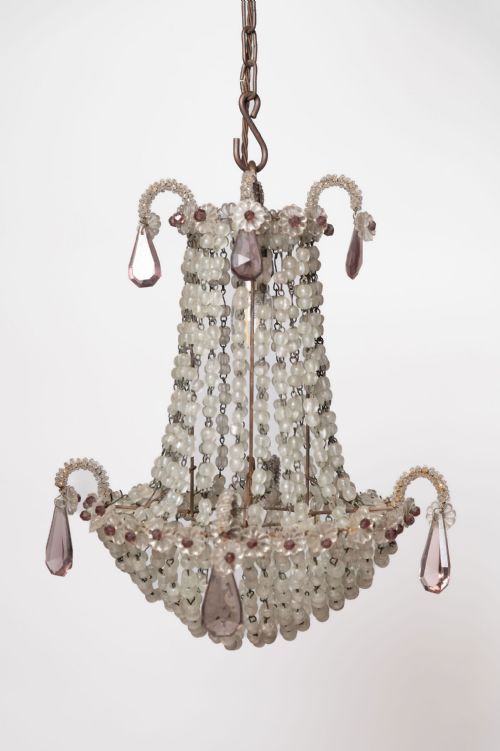
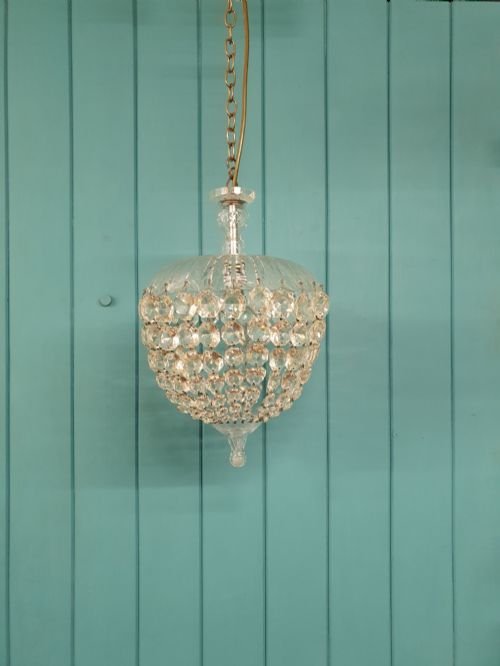
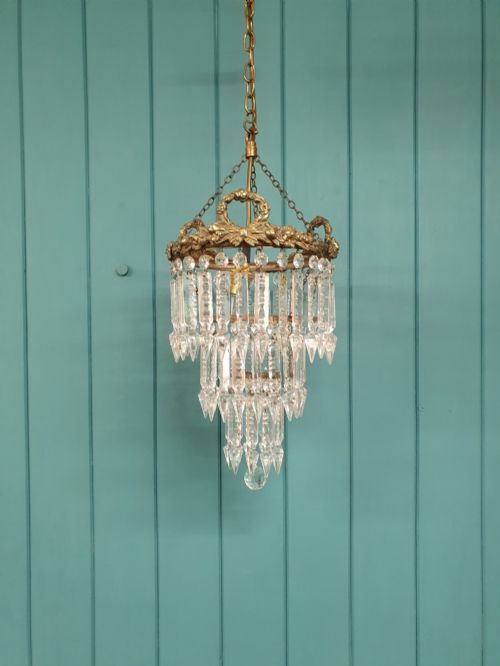
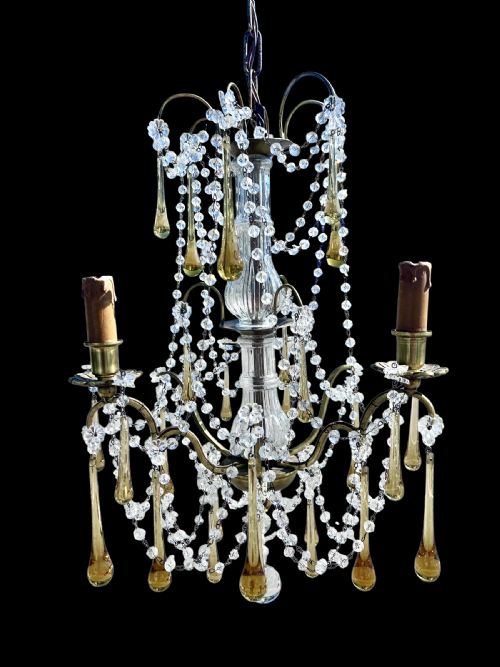
The most common examples encountered on this page take the form of spike chandeliers, dome top lights, and bag chandeliers featuring brass or gilt metal frames. French and Italian workshops produced many of these designs, incorporating tiered prisms, beads, and cut glass elements.
Buyers seeking a small crystal pendant will find pieces spanning Edwardian, 1900, 1910, 1920, and 1930 periods. These lights rely on diminutive proportions, often measuring between five and thirteen inches, to suit lower ceilings or more intimate domestic spaces.
How they were made
Metal structures form the backbone of these fixtures, utilising brass, gilt brass, gilt bronze, and metal wire to support the glass elements. These frames are cast, shaped, and gilt to create secure armatures for the hanging components.
Cut glass, crystal glass, and moulded glass elements are wired individually to the metal framework using tiny metal pins or rings. Prisms, beads, and coffin drops are cut and polished to catch and refract light effectively from single or multiple internal bulbs.
Listings feature small crystal pendants utilising brass, gilt bronze, and cut glass across Edwardian, 1920, and 1930 periods.
What varies in quality
The intricacy of the glass cutting and the clarity of the crystal glass set individual pieces apart. Finer examples display sharper facets on cut glass prisms and beads, producing superior light refraction compared to simpler moulded alternatives.
The substance of the metal mountings creates a distinct gradation in craftsmanship. Solid brass and gilt bronze frames with detailed leaf work or precise casting represent a higher standard than lighter wire and stamped metal structures.
The Small Crystal Pendant Glossary
- Bag chandelier
- A lighting fixture featuring a flattened or rounded base shaped like a purse or bag, densely hung with glass beads and prisms. This form became popular for diffusing light effectively in smaller rooms.
- Spike chandelier
- A hanging light characterised by protruding glass spikes or spears arranged around the frame. These pointed prisms create a distinctive starburst silhouette when illuminated.
- Coffin prism
- A long, flat-backed glass drop with a pointed or tapered end resembling the shape of a traditional coffin. They hang from the outer edges of the fixture to catch ambient light.
- Tent and bag chandelier
- A combination form where strings of beads form an upper tent shape leading down to a gathered bag of crystal drops below. This construction layers different glass cuts within a single fixture.
Small Crystal Pendant: Frequently Asked Questions
Where should I hang a small crystal pendant?
These compact fixtures suit hallways, small bedrooms, cloakrooms, and low-ceilinged reception rooms where standard chandeliers would overwhelm the space. Their diminutive scale allows them to provide focal points without dominating the room.
Position them centrally in smaller areas or use matching pairs to create balanced lighting in longer corridors. Ensure adequate ceiling clearance so the hanging drops remain safe and visible.
How do I clean a crystal pendant?
Maintenance involves gentle cleaning of the glass prisms and metal frames using a soft cloth and a mild glass cleaning solution. Many components can be wiped in situ without dismantling the entire fixture.
Take care with older gilt brass and bronze mounts to preserve the finish while dusting or wiping the surrounding metalwork. Regular upkeep maintains the refractive sparkle of the cut glass.
How do I date an Edwardian crystal pendant?
Dating relies on examining the combination of metal framing styles, wiring methods, and specific glass cuts associated with the early twentieth century. Edwardian and 1930s pieces often feature distinct brass mounts, wire cages, and cut glass spikes.
Compare the proportion of the brass or gilt metal frame with the types of prisms used, such as coffin drops or faceted beads. The presence of specific construction details helps align the piece with its production era.