


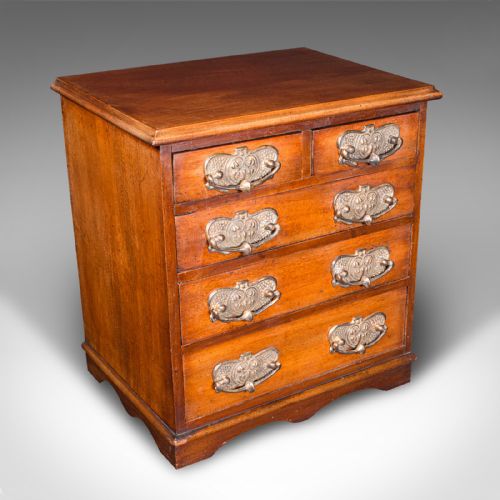

Small Coin Cabinet
A small coin cabinet organises precious currency and medals in secure, neatly arranged drawers.
Small Coin Cabinet
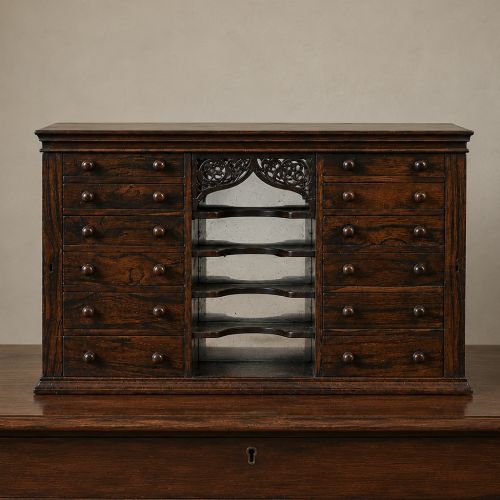
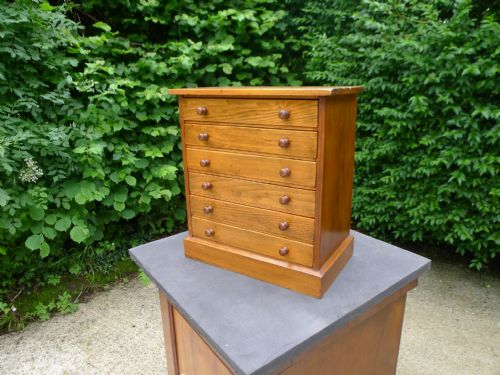
A small coin cabinet provides dedicated storage for numismatic collections, taking the form of collectors chests, specimen cases, and miniature chests of drawers. These pieces appear across several distinct periods, with Victorian examples and 1900s variants appearing most frequently alongside Regency, Georgian, and 1820 items.
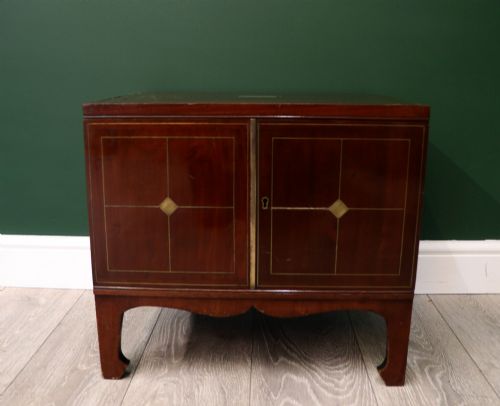
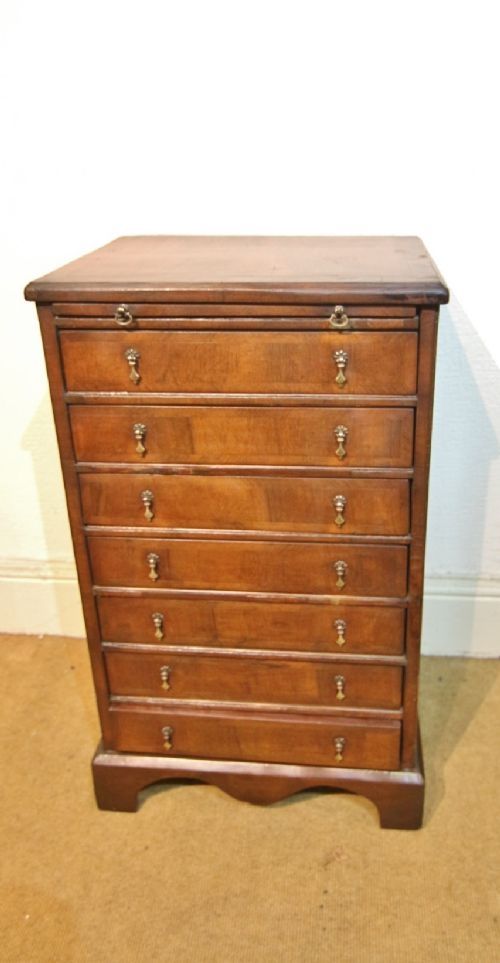
The layout typically involves multiple shallow drawers housed within a compact wooden carcase, sometimes protected by a glazed door or a locking mechanism. Woods like mahogany, oak, walnut, and rosewood predominate, occasionally incorporating brass campaign handles or inlay work for portability and decoration.
Materials and construction
Cabinet makers utilised dense timbers such as mahogany, oak, walnut, and rosewood to construct the outer carcase and internal drawer dividers, ensuring structural stability for heavy metal contents. Secondary woods like pine and deal also appear in internal framework or lesser-seen examples.
Metal fittings such as brass drop handles, locks, and inlaid strips reinforce the campaign style and provide functional security. Glass panels feature in front-facing display doors to allow viewing of the contents without opening individual drawers.
Listings span the Georgian, Regency, and Victorian eras through to the 1920s, constructed predominantly in mahogany, oak, walnut, and rosewood.
Distinctions in craftsmanship
The choice of timber creates a clear division in quality, ranging from figured English oak and Cuban mahogany to stained deal and plain pine. Finer pieces display careful grain matching and precise brass inlay work rather than simple painted or stained finishes.
Internal execution separates standard storage from superior examples, particularly the precision of the drawer construction and the inclusion of original locking mechanisms with working keys. The presence of integrated mirrored panels or specialised glazed display doors further elevates the build.
The Small Coin Cabinet Glossary
- Campaign style
- Furniture designed for military officers to travel easily, typically featuring flush brass handles and reinforced corners. These pieces prioritise robust portability.
- Specimen case
- A cabinet built to store natural history samples, coins, or small collectables in shallow drawers. They often include glass doors for inspection.
- Wellington chest
- A tall, narrow chest of drawers secured by a locking side flap that fastens over the drawer edges. This design prevents unauthorized access.
- Satin birch
- A pale, figured wood utilised for decorative veneer work on Victorian and later cabinets. It provides a contrasting lighter tone against darker carcases.
- Deal
- A general historical term for pine or fir timber used in secondary framing or simpler cabinet carcases. It offers a lighter weight and softer texture.
Small Coin Cabinet: Frequently Asked Questions
What were small coin cabinets used for?
These cabinets served collectors, naturalists, and gentlemen who needed a secure, organised way to store valuable currency, medals, and small specimens.
The shallow drawers prevented items from piling on top of one another, keeping delicate pieces separated and protected from dust and handling.
How do I date a small coin cabinet?
Dating relies on observing the timber choices, construction techniques, and hardware styles associated with periods like the Georgian era, the Victorian reign, or the early twentieth century.
Simpler deal and pine versions often point towards the turn of the twentieth century, whilst Cuban mahogany and figured oak frequently indicate eighteenth or nineteenth century origins.
Can I use these for modern storage?
The shallow drawers suit modern collections of coins, stamps, jewellery, and small trinkets perfectly without modification.
Placing them on a desk or tabletop allows you to integrate antique storage into a contemporary room while keeping small valuables secure.
What is the difference between a specimen case and a cabinet?
Specimen cases often lean towards display and portability, sometimes featuring glazed fronts or carrying handles suited for desktop use.
Cabinets generally present as larger chests of drawers with full carcases, though the terms overlap frequently in historical descriptions.