

Small Circular Occasional Table
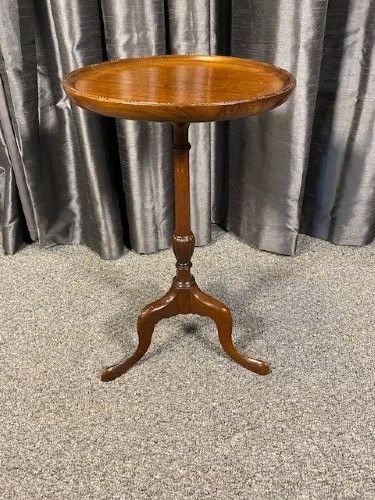
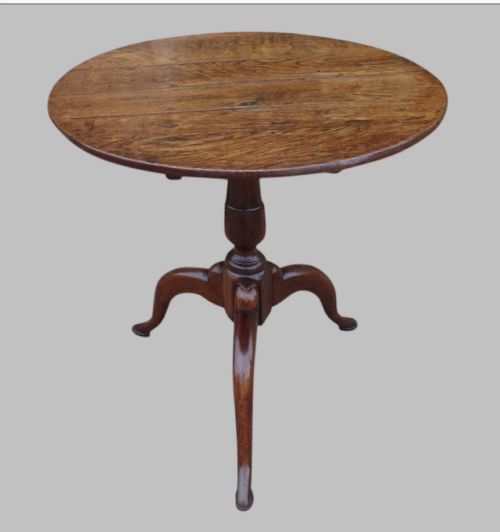
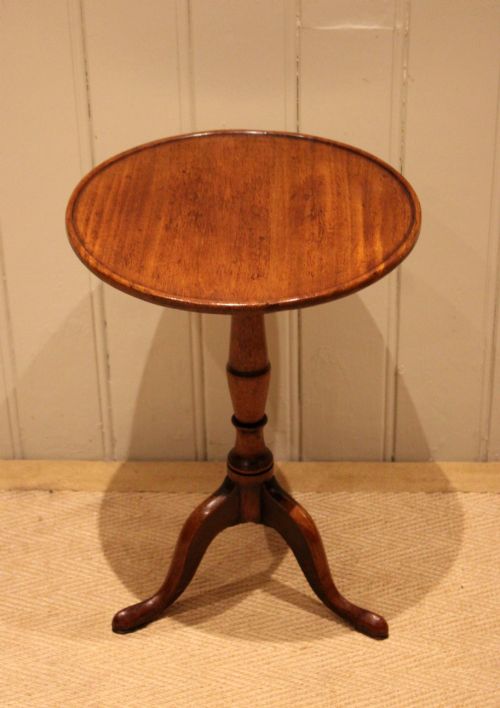
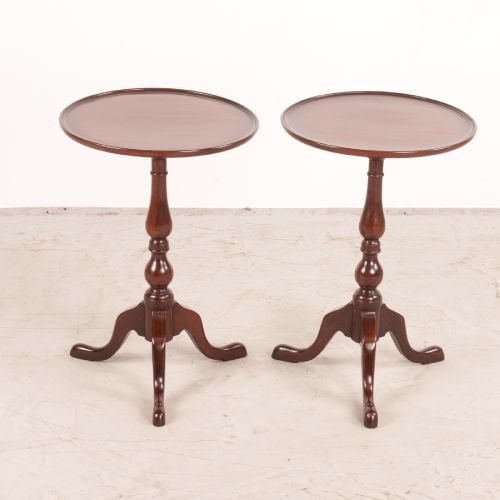
These small circular occasional table pieces offer compact surfaces crafted in mahogany, oak, walnut and rosewood across Georgian, Victorian and Edwardian periods.
Small Circular Occasional Table
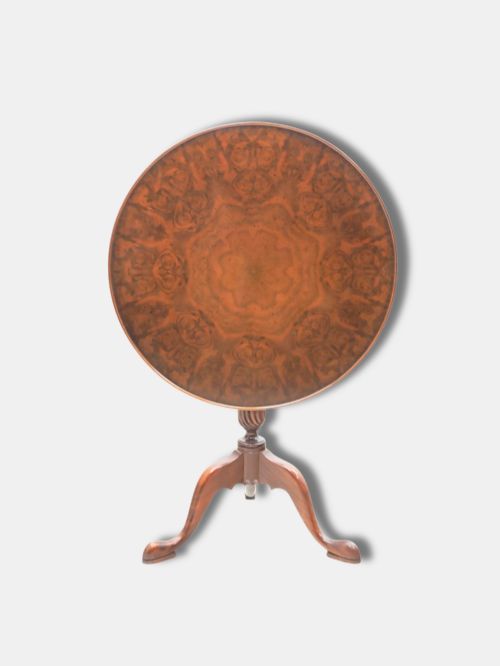
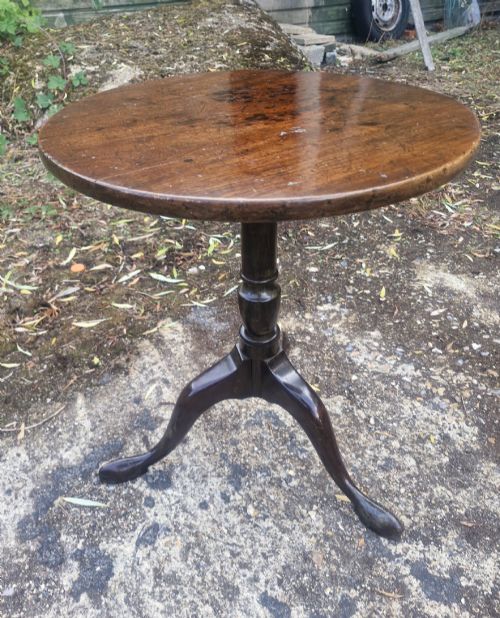
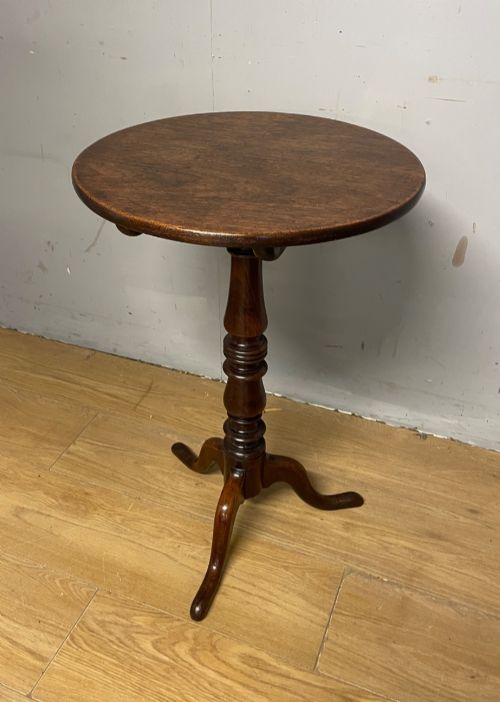
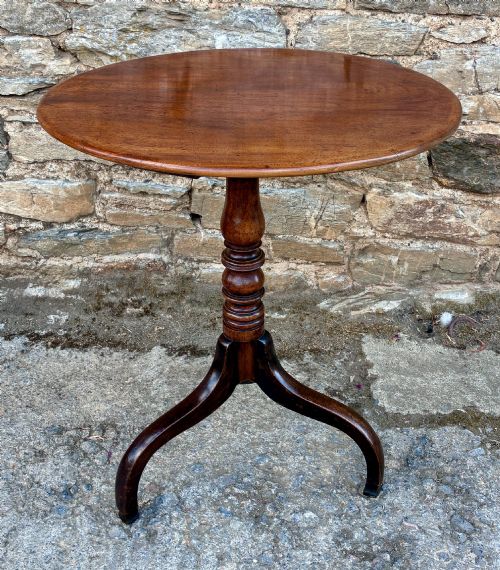
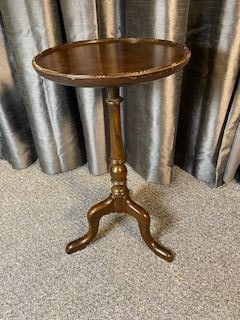
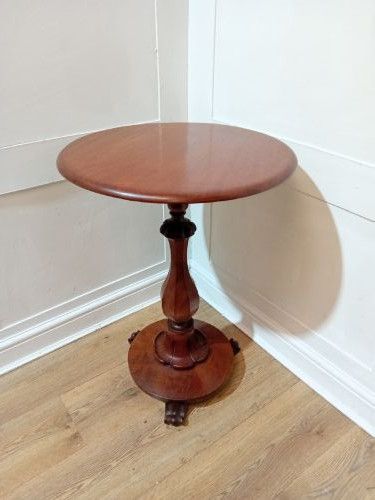
A small circular occasional table serves as a versatile, compact surface that appears frequently across Georgian, Victorian and Edwardian periods. You will most often encounter mahogany wine tables and tripod designs, alongside occasional pieces in oak, walnut and rosewood.
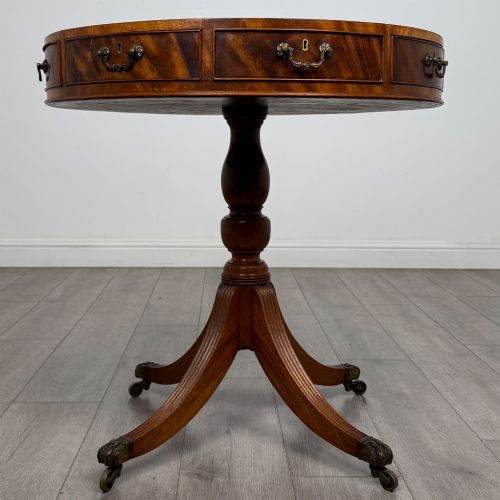
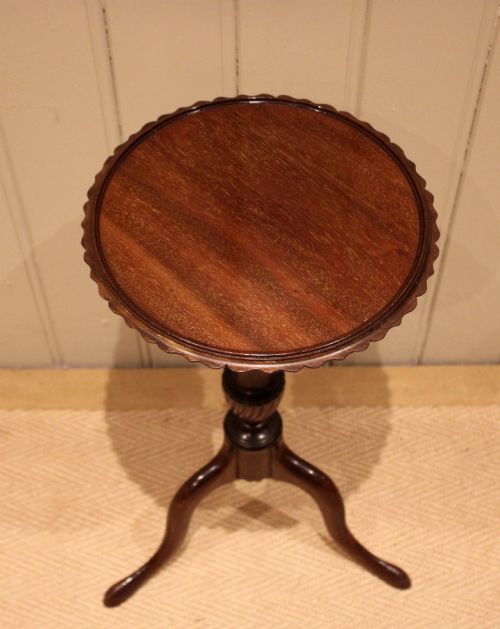
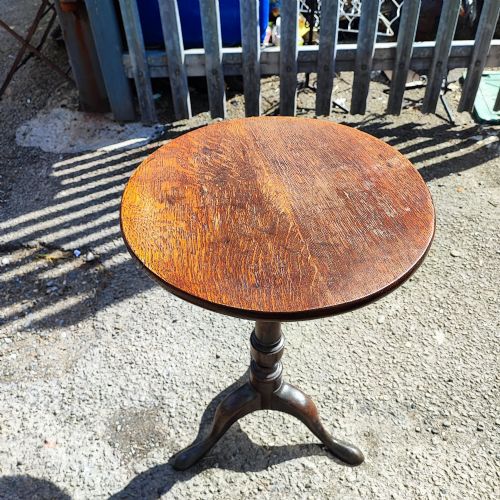
The selection ranges from early eighteenth-century oak examples to Edwardian mahogany interpretations and later twentieth-century revivals. Forms include tilt-top wine tables, pedestal lamp tables and drum tables suited to domestic spaces.
How they were made
Cabinetmakers utilised solid timbers and veneers such as mahogany, oak, walnut, rosewood and satinwood, often shaping tops to rest upon central tripod pillars. Brass inlay, hand-painted details and leather inserts appear on specific Regency and Victorian iterations.
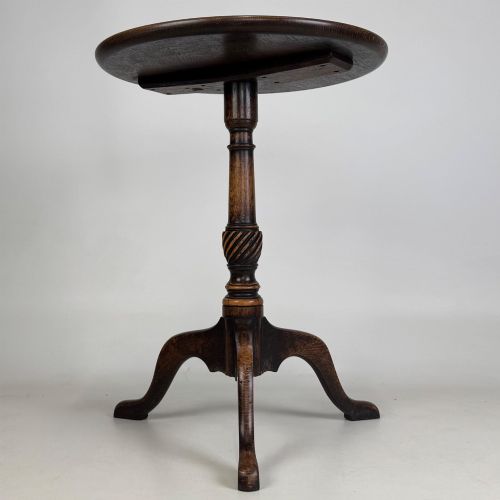
Tilt-top mechanisms allowed tables to fold away when not in use, requiring precise joinery in the balancing catch and pedestal joints. Turning and carving on the central columns demonstrate period carpentry techniques.
Some tables were built to tilt completely upright so they could hide discreetly against the parlour wall between sips.
What varies in quality
Quality rests upon the selection of timber figures, such as burr walnut or figured mahogany, and the crispness of the turned pedestal and leg profiles. Superior examples exhibit balanced proportions and stable tripod joinery without excessive timber movement.
Refined detailing, including precise brass inlay, hand-painted decoration or well-fitted tilt mechanisms, distinguishes finer workshop production from simpler country pieces.
Waring & Gillow·A Hugnet Paris
The Small Circular Occasional Table Glossary
- Tripod table
- A small freestanding table supported by a central pillar on three legs. This form dominated eighteenth and nineteenth-century occasional furniture.
- Tilt-top
- A hinged tabletop mechanism that allows the surface to pivot vertically for storage. It is commonly found on wine tables.
- Drum table
- A circular library or occasional table with a deep frieze skirt resembling a drum. They often feature leather-lined tops.
- Gueridon
- A small French occasional table or stand, often round and supported by a central column. Examples utilise materials like mahogany and brass.
Small Circular Occasional Table: Frequently Asked Questions
What is a wine table?
A wine table is a small, portable circular table designed originally to hold glasses and bottles during evening gatherings.
They typically feature a central tripod base and frequently include a tilt-top mechanism for easy storage against a wall.
How do I date a tripod table?
Dating relies upon timber choice, leg profile and construction methods rather than a single marker. Eighteenth-century versions often use oak or early mahogany with plain cabriole or straight legs, while Victorian and Edwardian pieces show heavier turning and varied veneers.
Looking at the underside block and pivot mechanism also reveals period joinery practices.
Where should I place a small circular table?
These tables fit easily beside armchairs as lamp surfaces or in hallways as decorative stands. Their compact circular footprint avoids sharp corners in narrow circulation areas.
They also function effectively as freestanding accents in corners or between windows.
What is a gypsy table?
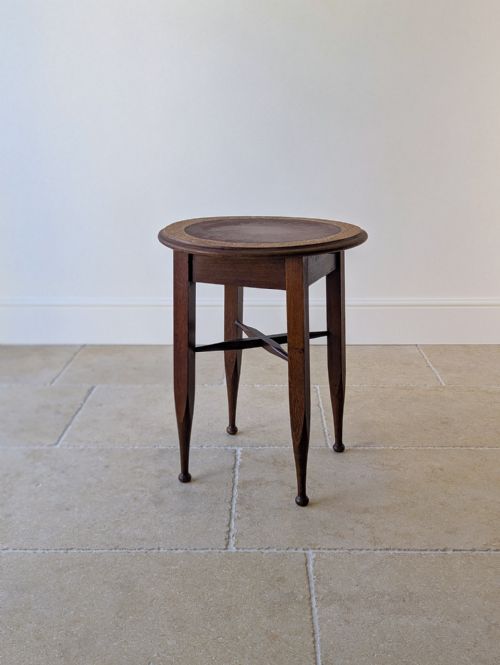
A gypsy table is a light occasional table with a circular top supported by three slender legs. They gained popularity during the late Victorian and Aesthetic Movement periods.
They were often draped with textiles or used to display decorative ornaments.