

Small Circular Mahogany Table
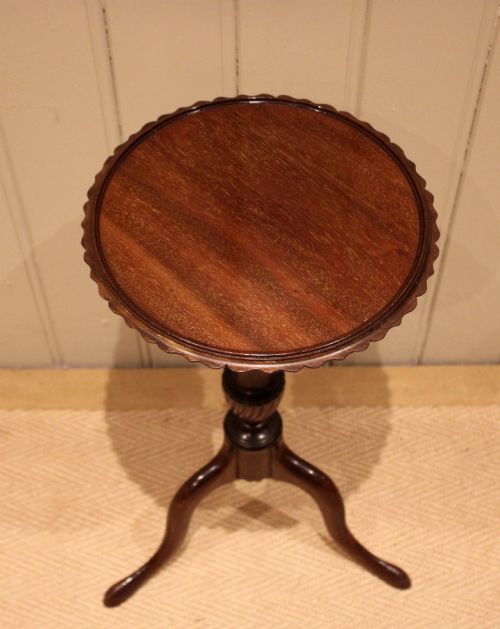
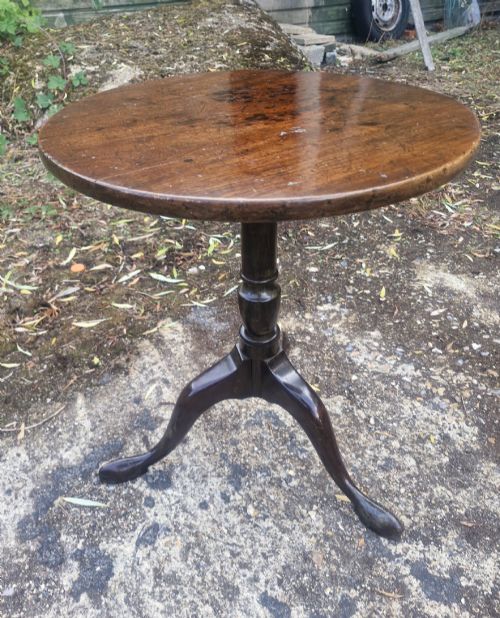
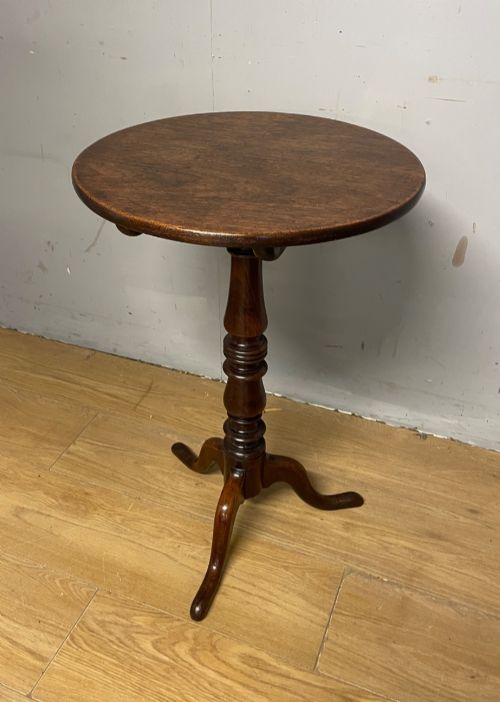
A small circular mahogany table offers practical elegance for a corner or beside a chair.
Small Circular Mahogany Table
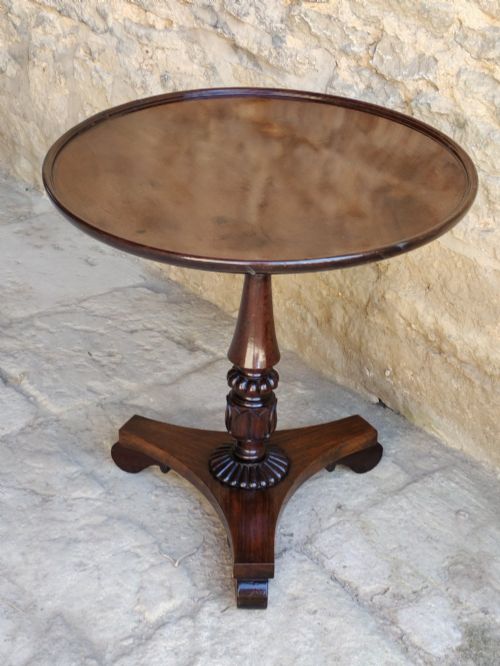
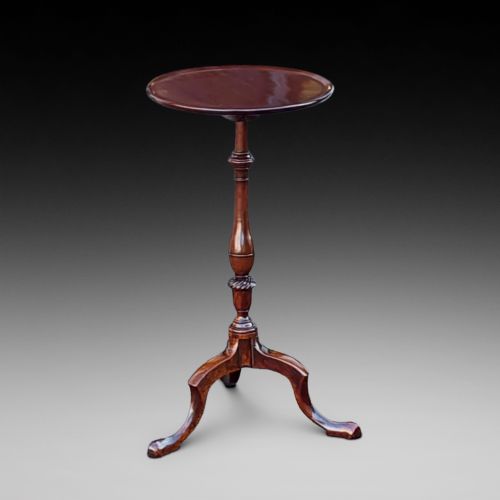
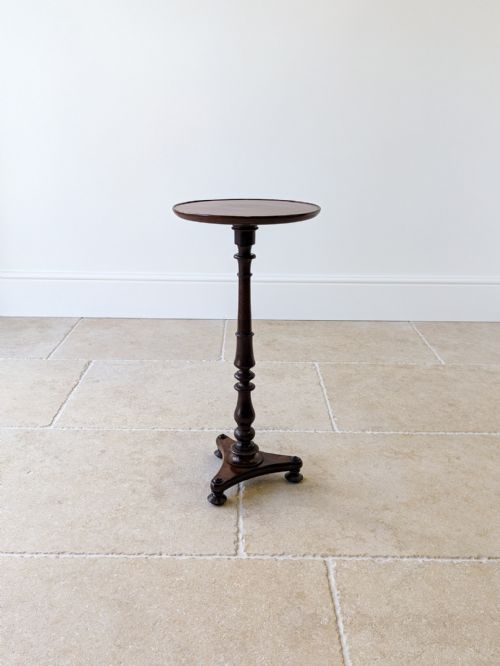
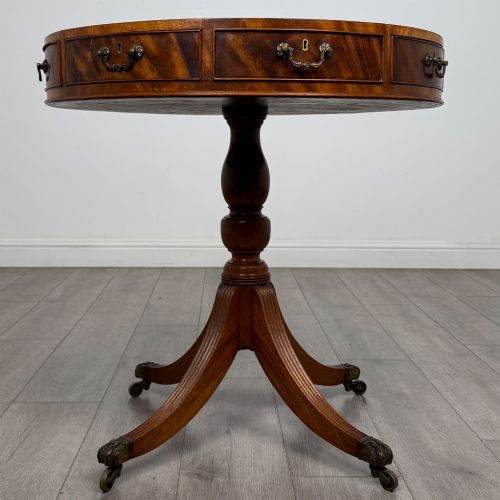
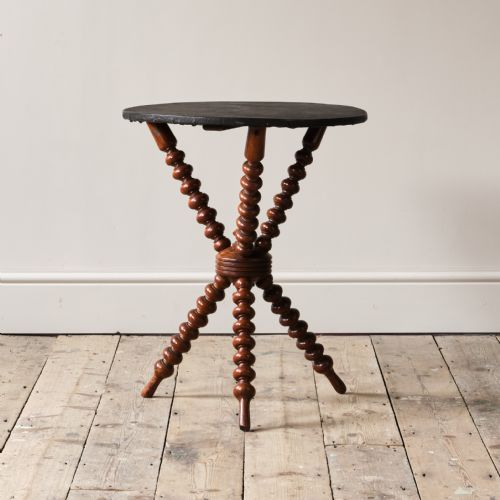
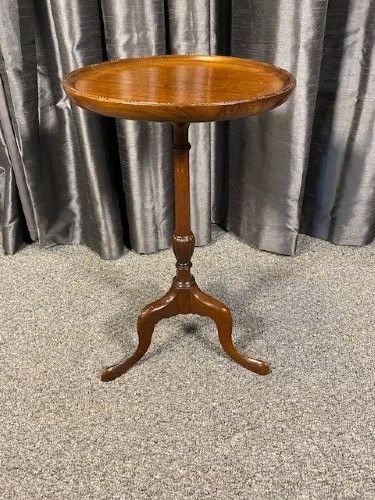
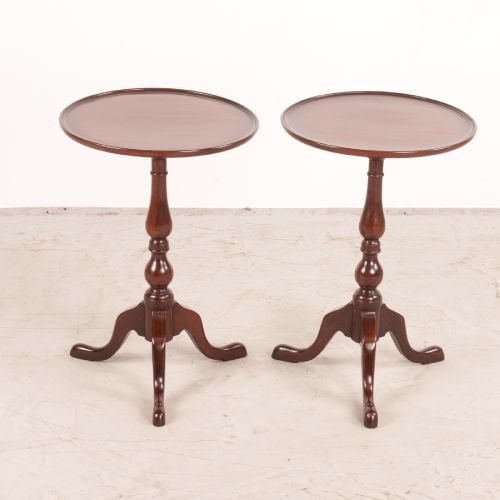
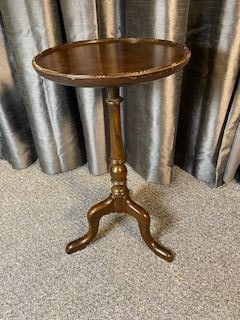
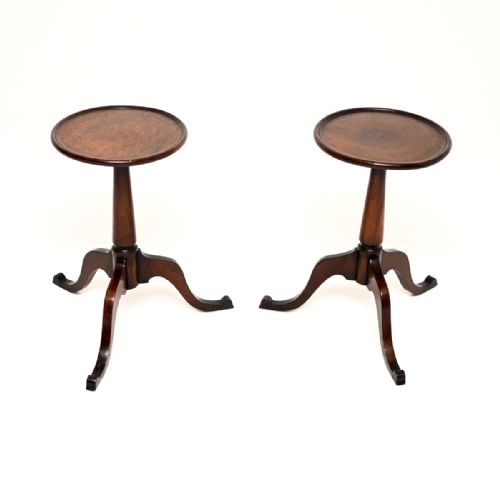
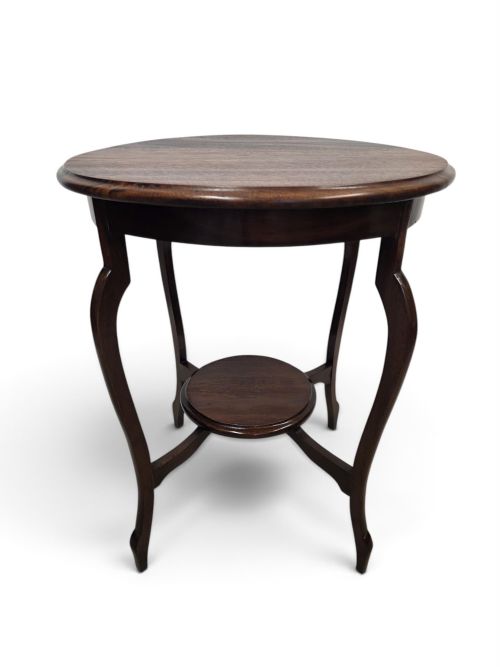
When you search for a small circular mahogany table, you are looking at compact pieces designed for versatility in domestic spaces. The selection includes wine tables, tripod tables, and occasional tables spanning the eighteenth century through to the Edwardian period.
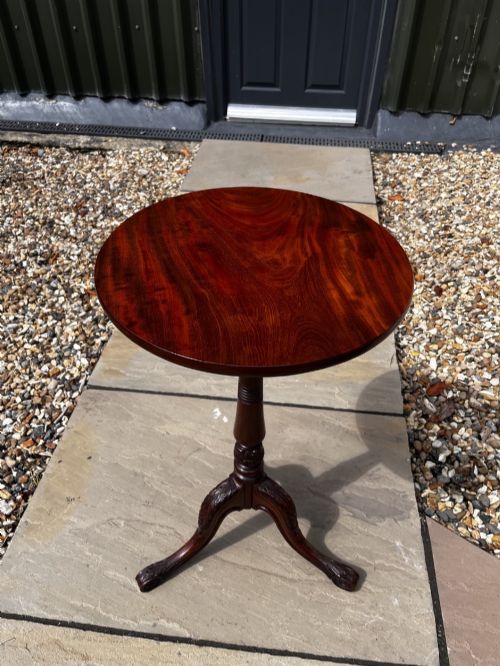
The most common form on this page is the wine table, often standing on a tripod base with a round top. These pieces serve multiple functions as lamp tables, side tables, or display surfaces within traditional and period interiors.
Origins range from authentic Georgian and Regency examples to later Edwardian and revival pieces. Makers and workshops utilised dense timbers and stable pedestal constructions to create portable surfaces for domestic use.
How they were made
Makers constructed these tables primarily from solid and veneered mahogany, sometimes enriched with satinwood, boxwood, and brass details. Timber choice determined both the weight of the piece and the depth of the grain visible on the round top.
Tripod bases and pedestals required precise joinery to ensure stability despite a small footprint. Tilt-top mechanisms utilised clever catches and birdcage supports to allow the circular surface to fold away when not in use.
Listings feature mahogany, satinwood, boxwood, and brass across Georgian, Regency, and Edwardian periods.
What varies in quality
Quality rests in the choice of timber and the crispness of the carving on the pedestal or legs. Finer examples display rich figure in the mahogany grain and balanced proportions between the top and the supporting column.
The sophistication of the mechanism, such as a well-fitted tilt-top catch or inlaid stringing in boxwood and satinwood, separates standard utility pieces from finer workshop productions.
Waring and Gillow·A Hugnet Paris
The Small Circular Mahogany Table Glossary
- Tripod table
- A small table supported by three legs radiating from a central pillar. This design provides steady footing on uneven floors.
- Tilt-top
- A hinged table top that folds into a vertical position. This clever feature allowed the furniture to be stored flat against a wall.
- Wine table
- A compact occasional table designed to hold glasses or a bottle. They became popular during the Georgian period for dining and drawing rooms.
- Pedestal table
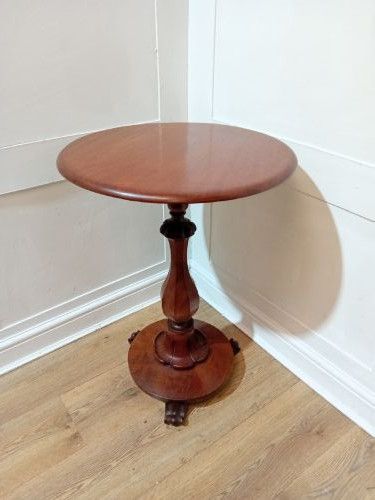
- A table supported by a single central column rather than four legs. The column usually terminates in carved or splayed feet.
Small Circular Mahogany Table: Frequently Asked Questions
What is a tilt-top table used for?
A tilt-top table serves as a flexible surface for holding drinks or lamps during the evening. When the top is folded vertically, the piece occupies minimal space against a room boundary.
Historically, these tables stood ready against drawing room walls until needed for entertaining guests. The mechanism allows for quick conversion between a display surface and a space-saving panel.
How do I date a mahogany table?
Dating relies on observing leg styles, turning details, and the type of timber preparation used by the maker. Georgian examples often feature slender tripod legs, while Victorian pieces show heavier pedestals.
Secondary woods and construction marks underneath the top offer further clues to the manufacturing decade. Comparing the hardware and joinery against known period pieces confirms the era.
Can I use a wine table daily?
These tables are sturdy enough for everyday placement of books, cups, or small lamps. Their compact footprint makes them ideal for tight spaces beside armchairs.
Care should be taken to protect the polished mahogany surface from moisture and heat. Using coasters and placing the table away from direct sunlight preserves the timber finish.
What is a tripod pedestal base?
A tripod pedestal base consists of a central turned column resting on three curved legs. This configuration prevents wobbling on uneven floorboards.
Cabinet makers favoured this structure for small tables because it maximised legroom underneath. The design dates back centuries and remains stable for light occasional use.