


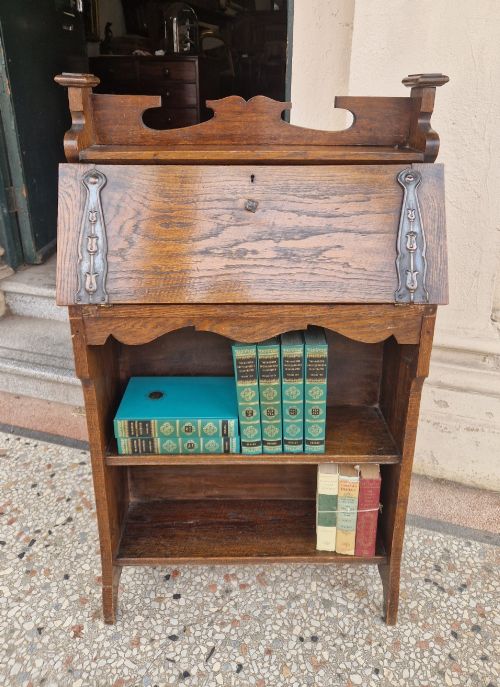
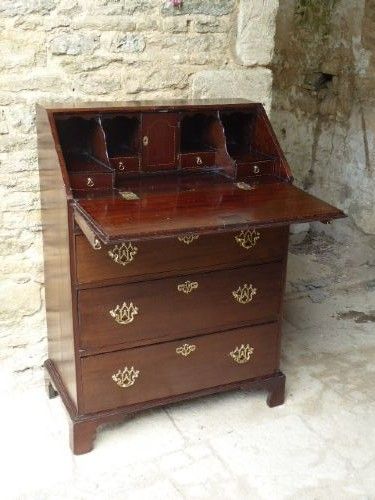
Small Bureau Desk
When you search for a small bureau desk, you discover compact writing furniture crafted to manage correspondence in limited spaces.
Small Bureau Desk
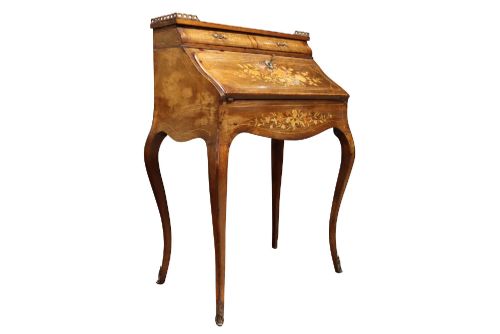
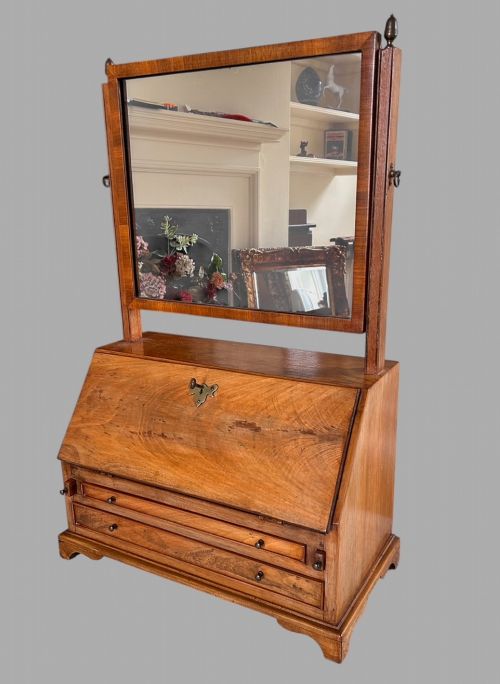
A small bureau desk combines a writing surface with concealed compartments, drawers, or pigeonholes, often featuring a sloping fall-front lid. Buyers seeking a small bureau desk frequently encounter Georgian mahogany examples alongside Edwardian oak and Victorian walnut pieces.
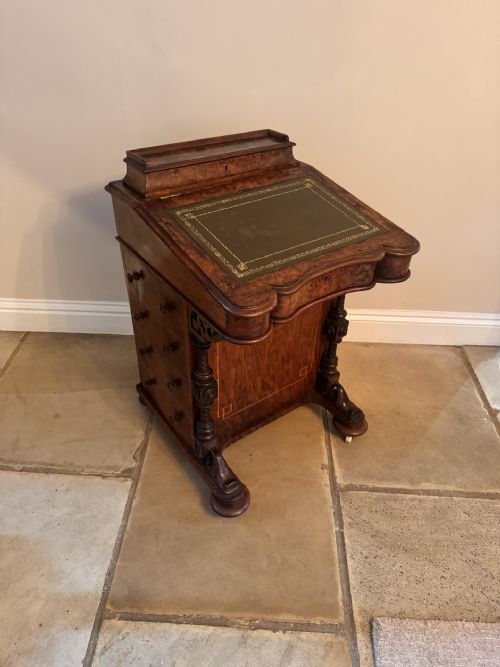
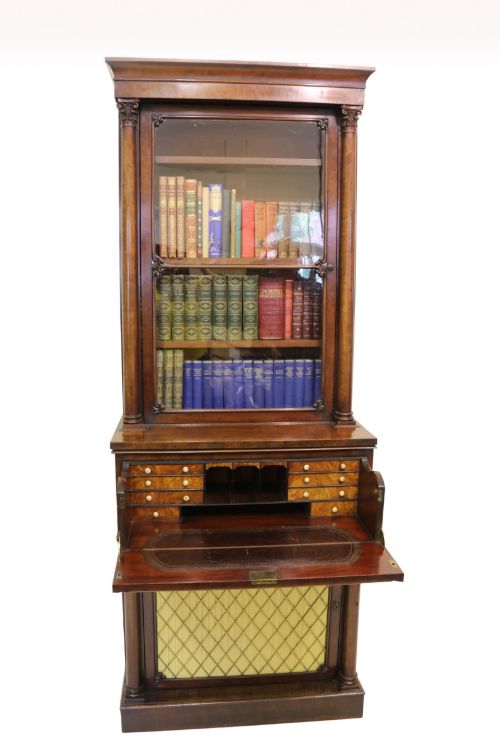
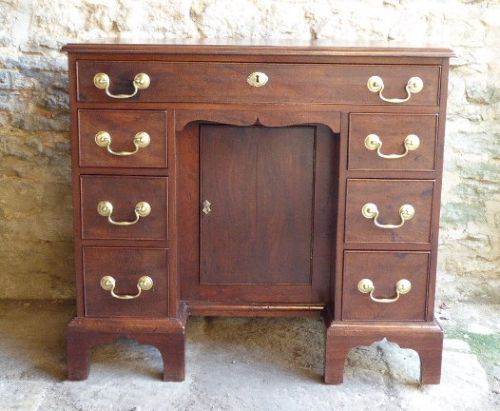
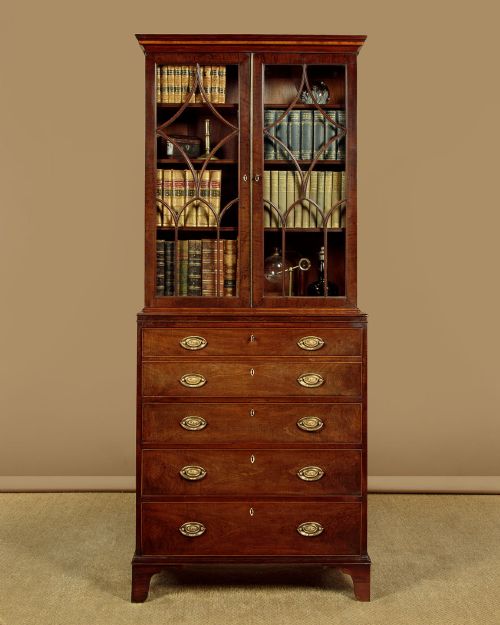
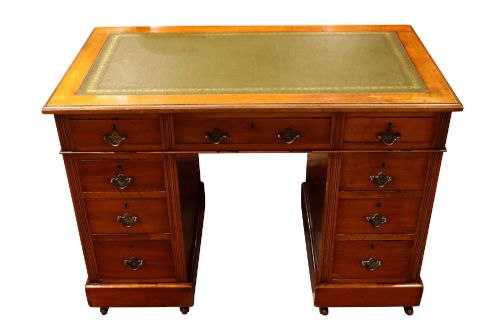
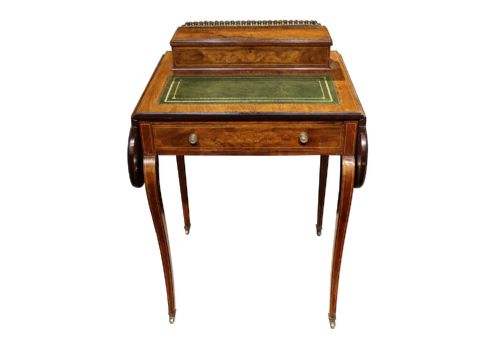
The selection ranges from tabletop variants and compact Davenport desks to bureau bookcases and writing tables with drop side flaps. These forms reflect centuries of domestic workspace adaptation, accommodating letters and ledgers in modest domestic rooms.
How They Were Made
Cabinetmakers constructed these desks using native and imported timbers, notably mahogany, walnut, oak, and satinwood, often accentuating surfaces with burr walnut veneers or contrasting stringing. Structural elements relied on solid secondary woods like oak or cedar for drawer linings and internal dividers.
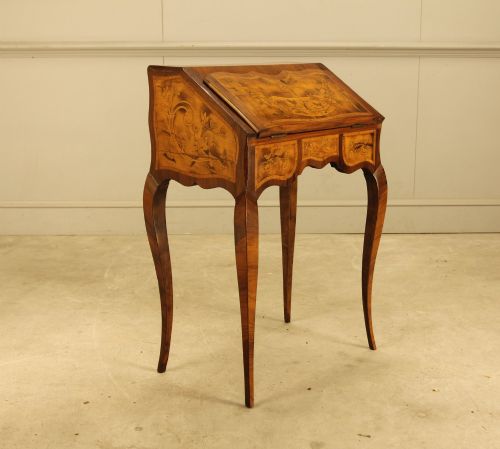
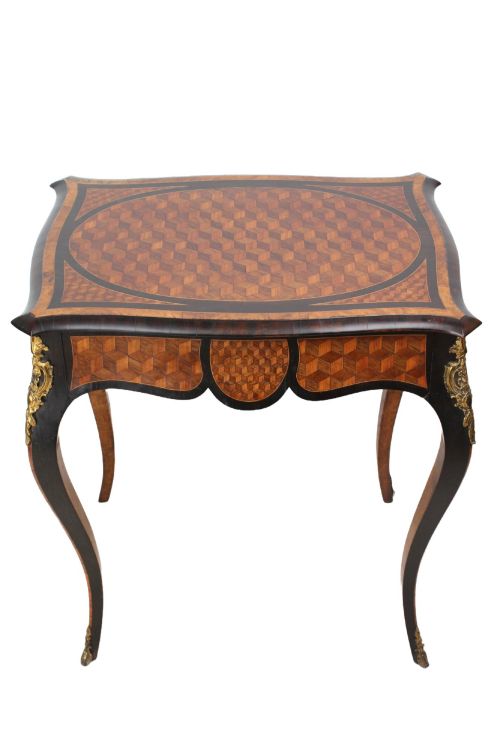
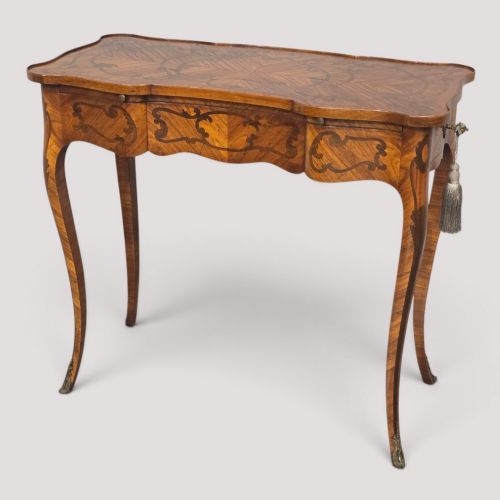
Decorative techniques recorded in the evidence include marquetry, parquetry, brass mounts, and ormolu details, particularly on French-influenced pieces. Fall-front writing slopes and fitted interiors required precise joinery to house small drawers and secret compartments securely.
Some small desks conceal secret compartments behind miniature drawers, rewarding owners who discover hidden spring-loaded catches.
What Varies in Quality
Quality rests upon the selection of timber grain, particularly the choice of figured burr walnut, flame mahogany, or finely matched satinwood veneers. The handling of secondary woods and the precision in fitting internal drawers and pigeonholes separate standard workshop output from finer cabinet work.
Design integration dictates the distinction between ordinary pieces and superior examples, seen in harmonious proportions, controlled inlay work, and the execution of carved or mounted hardware. Retaining original brass fittings, leather writing inserts, and operational locks influences the standing of a desk.
JAS Shoolbred·Gillows of Lancaster·Gillows
The Small Bureau Desk Glossary
- Bureau
- A desk featuring a sloping fall-front lid that opens to reveal a fitted interior of pigeonholes and small drawers. This form provides a concealed writing surface when closed.
- Davenport
- A compact pedestal desk with a sloping writing surface, usually incorporating side drawers accessed from a seated position. These often include hinged stationary compartments on top.
- Bonheur-du-Jour
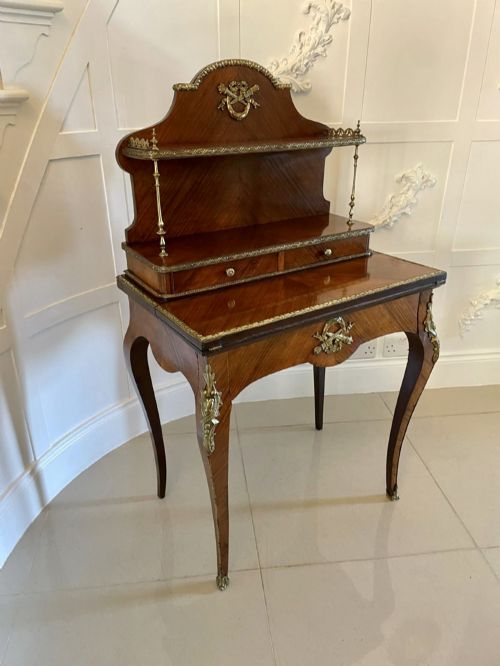
- A light ladies writing table featuring a small cabinet or set of shelves superstructure upon the main desk surface. Originating in France, these pieces frequently display delicate marquetry or ormolu mounts.
- Fall-front
- A hinged writing flap that drops down to a horizontal position for correspondence. It secures the internal compartments when folded back up.
- Secretaire
- A piece of furniture incorporating a dedicated writing drawer or pull-down desk section concealed within a larger chest or bookcase. The facade maintains the appearance of standard cabinetry until opened.
Small Bureau Desk: Frequently Asked Questions
What is a small bureau desk?
A small bureau desk is a compact item of furniture designed for writing and storing papers, featuring a sloping fall-front lid or a flat writing surface.
These pieces typically include interior compartments and small drawers, offering a designated workspace that occupies minimal floor area in a room.
How do I date a bureau desk?
Dating relies on observing structural timbers, secondary woods, hardware styles, and decorative techniques such as inlay or veneer patterns.
Earlier eighteenth-century examples often feature walnut or oak with feather banding, while later Victorian and Edwardian pieces utilise mahogany or satinwood with machine-sawn elements.
Were these desks used by women?
Many smaller writing desks, including Davenport forms and bonheur-du-jour tables, were specifically manufactured for ladies' correspondence and boudoir use.
Their reduced proportions and delicate proportions made them suitable for sitting rooms rather than formal libraries or studies.
How do I care for antique wood?
Maintaining antique timber involves keeping pieces away from direct heat sources and rapid humidity fluctuations to prevent veneer cracking or wood shrinkage.
Regular dusting with a dry cloth and occasional application of traditional wax preserves the finish and natural lustre of the polished surface.