
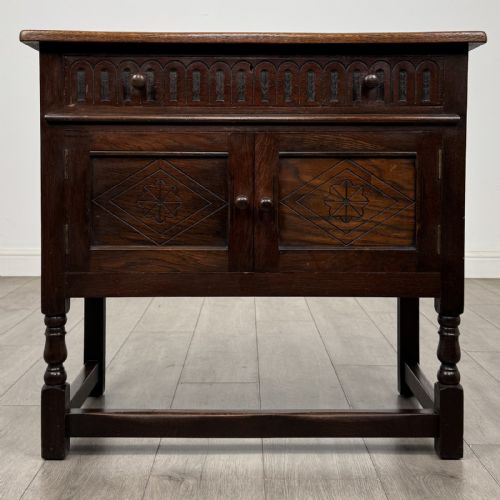
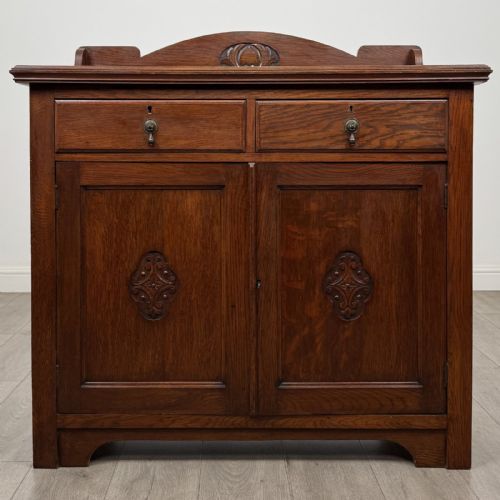
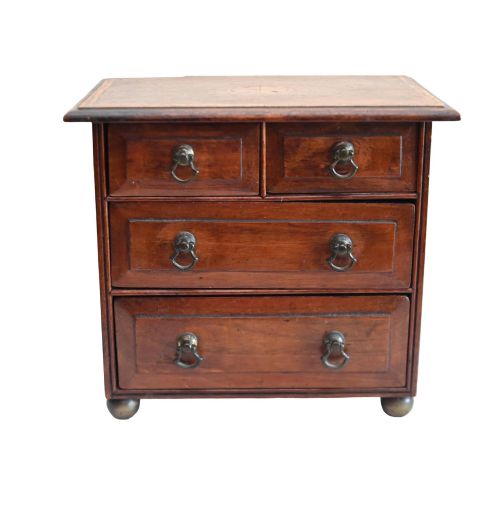
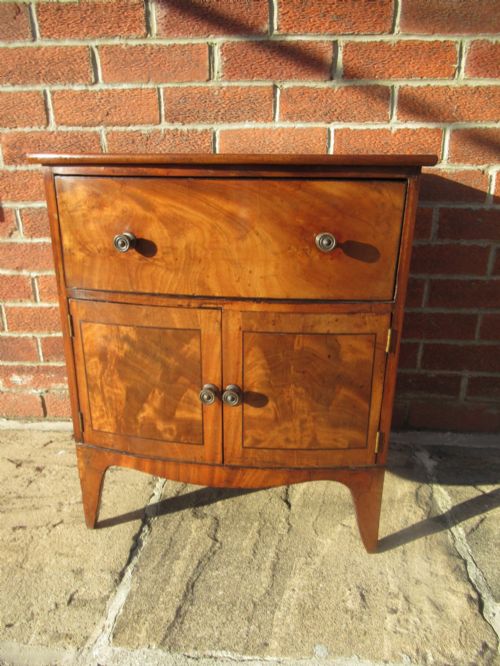
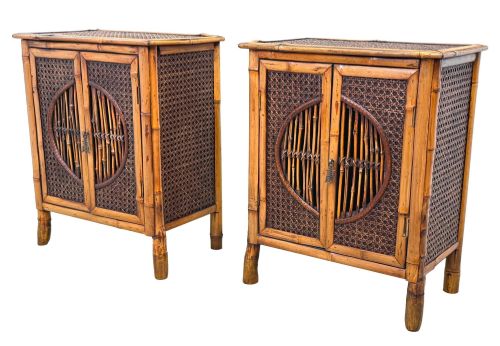
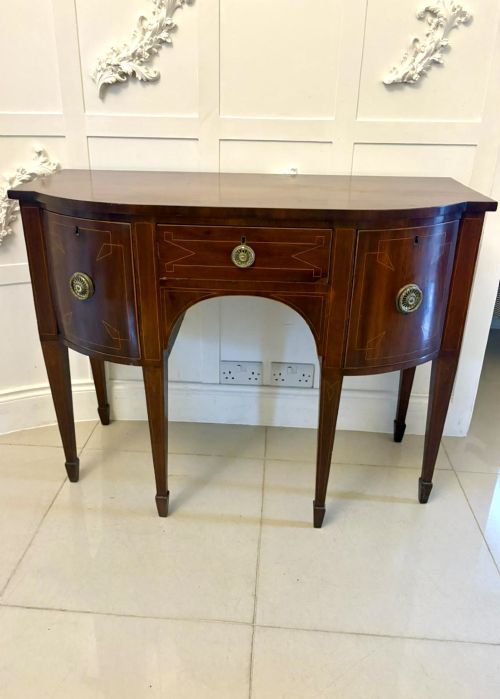
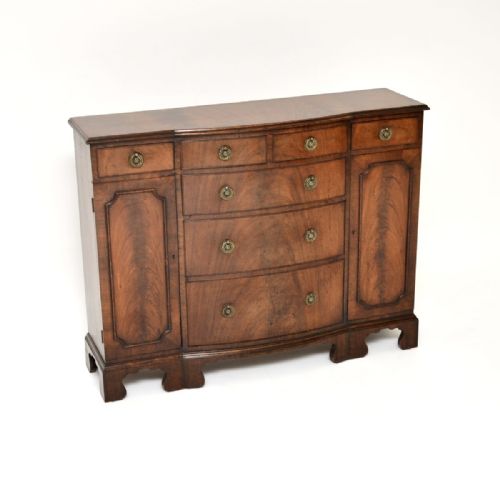
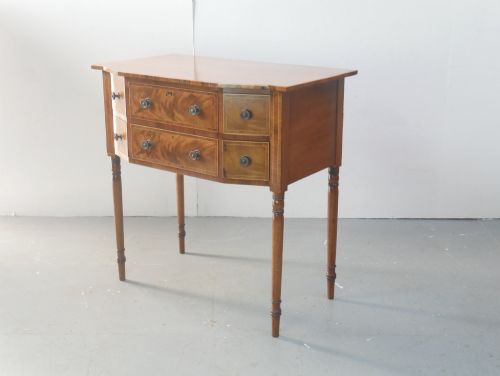
Small Brown Sideboard
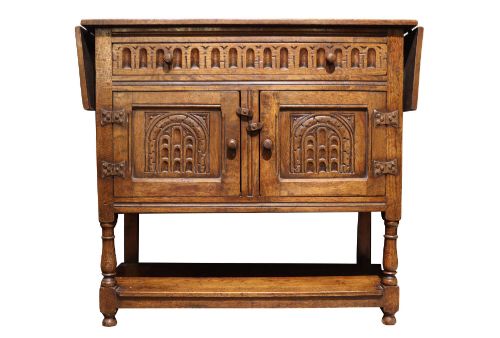
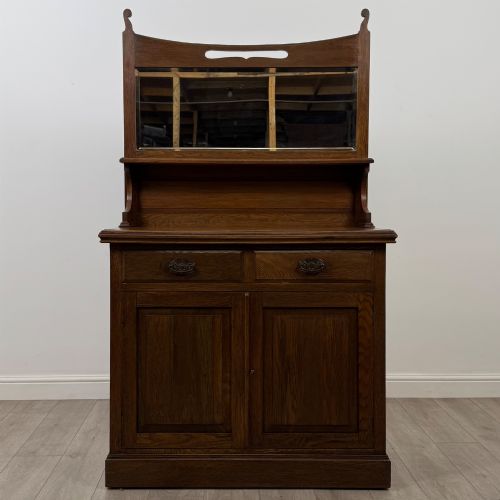
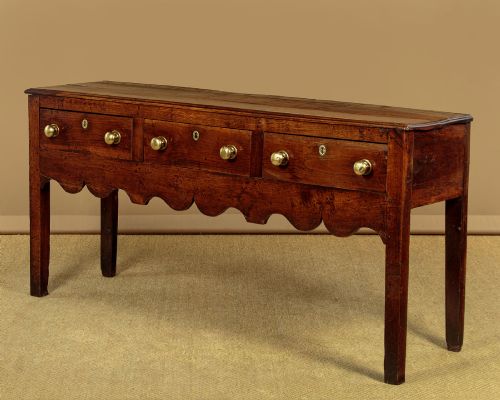
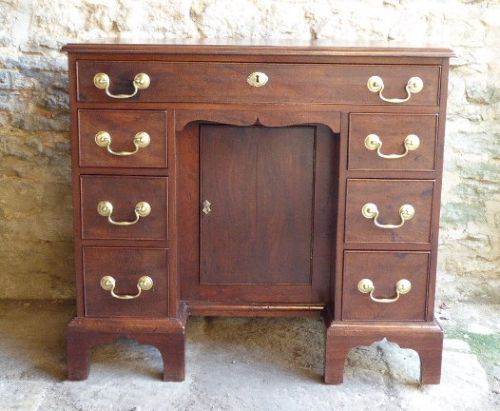
A small brown sideboard brings useful storage and rich timber tones into compact rooms without dominating the floor space.
Small Brown Sideboard
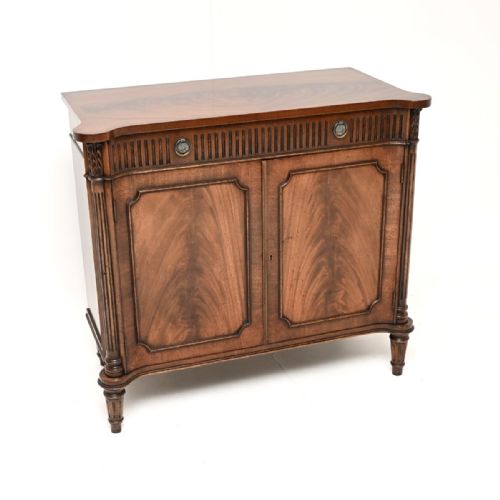
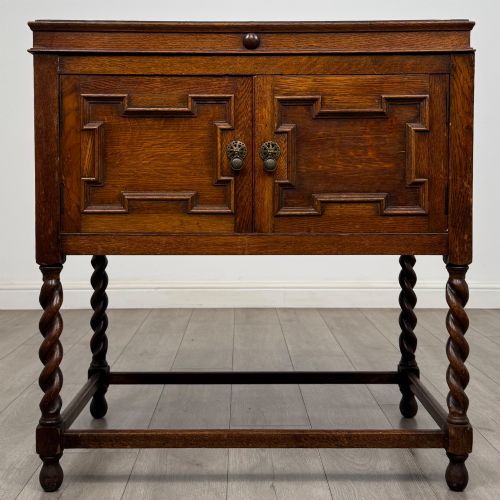
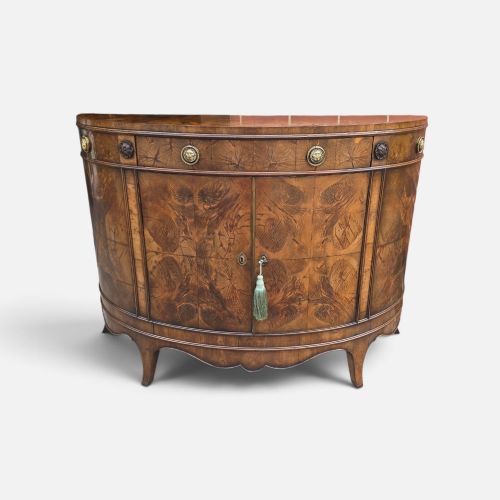
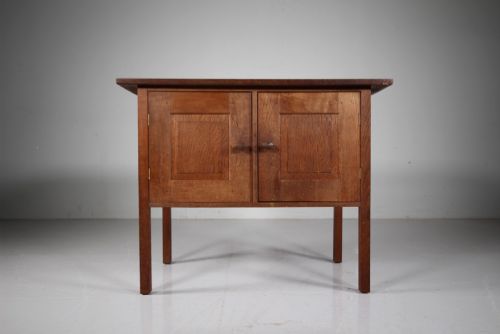
A search for a small brown sideboard directs attention to compact storage furniture spanning several centuries of British and continental design. Buyers encounter pieces ranging from Georgian mahogany bow-front servers to Edwardian oak cupboards and later Art Deco cabinets.
The selection frequently includes side cabinets, dwarf bookcases, miniature furniture, and dresser bases scaled down for smaller interiors. These forms provide practical surface space and enclosed storage while retaining period character.
Origins stretch across Georgian workshops, Victorian cabinet makers, and twentieth-century studios using traditional timbers. Each era contributes distinct proportions and functional details to the category.
Materials and Construction
Construction relies heavily on dense hardwoods such as mahogany, oak, and walnut, often finished with brass handles and glass panels. Timber selection dictates the grain pattern and structural weight of each cabinet.
Joinery techniques combine traditional dovetailed drawers with panelled doors and turned or barley twist supports. Makers utilised local woods alongside imported mahogany to achieve durable frames and decorative surfaces.
Certain miniature cupboards were built by apprentices to demonstrate skill, resulting in remarkably tiny dovetailed drawers.
Judging Quality
Quality rests upon the selection of figured timber veneers, the crispness of carved details, and the integrity of the original hardware. Superior examples display careful matching of grain across drawer fronts and doors.
Construction methods reveal the standard of the workshop, seen in smooth drawer runners, tight joints, and well-fitted doors that hang true. Modest country pieces differ from urban cabinet work primarily in finish and refinement.
Peter Waals
The Small Brown Sideboard Glossary
- Bow-front
- A convex curved cabinet front popular in Georgian design. This contour softens the profile of a room.
- Chiffonier
- A compact sideboard with a shelf or cupboard space below, developed during the nineteenth century. It serves well for serving or display.
- Dresser base
- A low wooden storage unit featuring drawers or cupboards, originating from country kitchens. These pieces offer deep storage capacity.
- Inlay
- The technique of embedding contrasting woods into a timber surface to create decorative patterns. It defines many formal period styles.
Small Brown Sideboard: Frequently Asked Questions
Where should I place a small brown sideboard?
These compact cabinets fit neatly into dining rooms, hallways, or living spaces where floor area is limited. Their modest proportions provide surface space without overcrowding the room.
They pair well against plain walls or beneath mirrors, serving as practical storage for tableware, linens, or everyday items.
Can I mix period styles in my room?
Combining different eras creates a layered interior rather than a uniform suite. A Georgian mahogany cabinet sits comfortably alongside Edwardian or later oak pieces through shared timber tones.
Focus on scale and finish consistency rather than matching exact dates when grouping furniture together.
What is the difference between a sideboard and a side cabinet?
Sideboards traditionally feature a combination of long drawers and cupboards designed specifically for dining room service. Side cabinets generally offer enclosed shelving with doors and varied internal configurations.
Both pieces fulfill storage roles, but sideboards often present a broader surface area for serving food or display.