

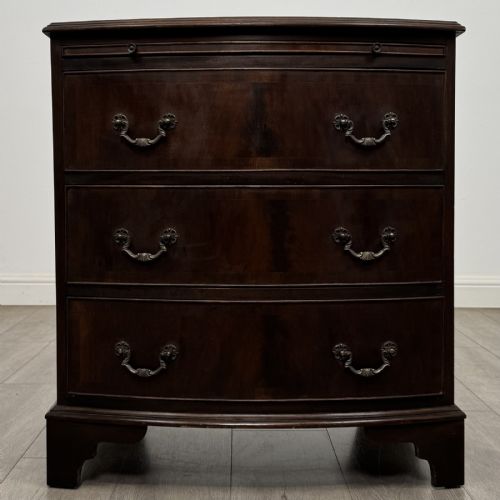
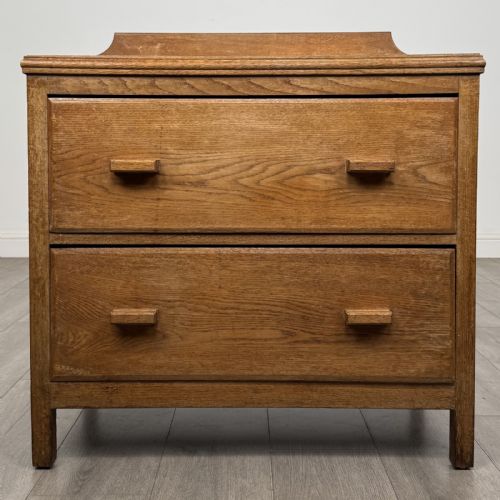
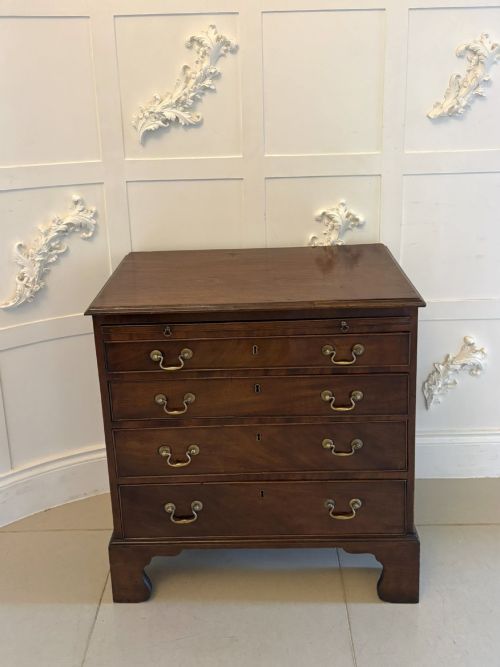
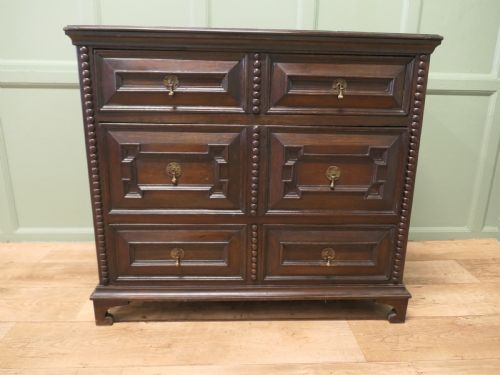
Small Bedroom Dresser
A small bedroom dresser offers compact storage through fitted drawers, bringing period character and practical proportions to domestic spaces.
Small Bedroom Dresser
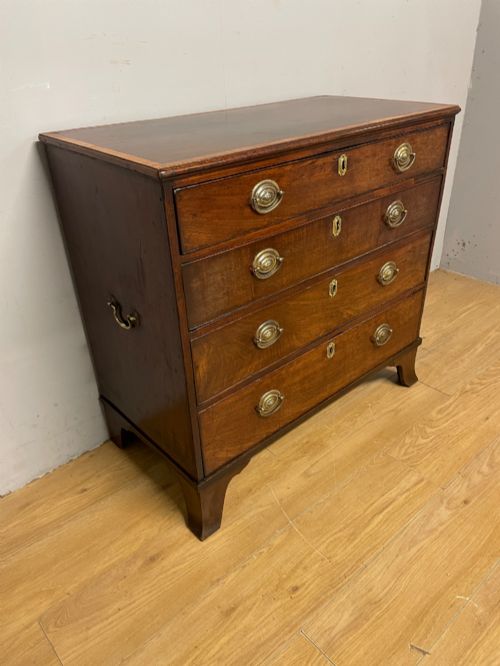
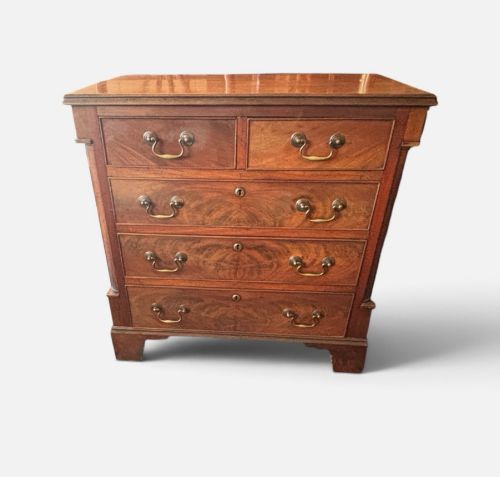
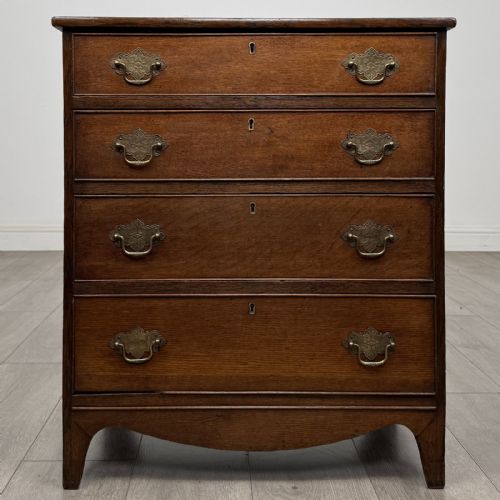
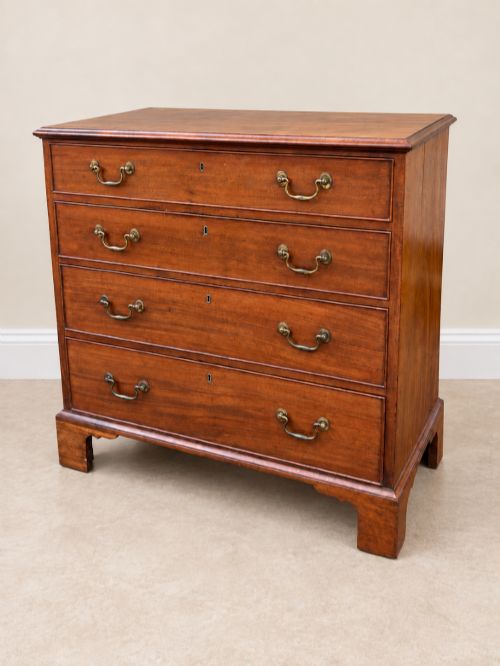
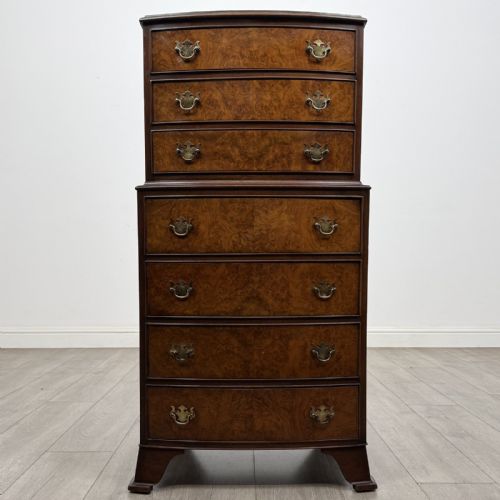
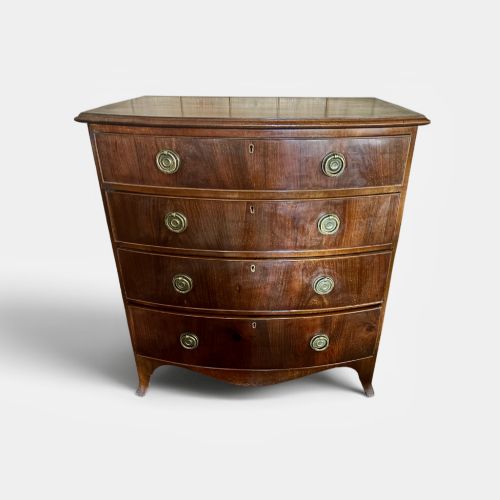
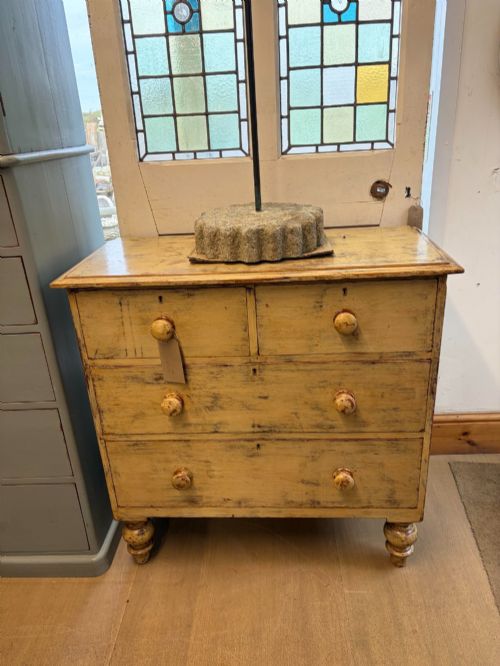
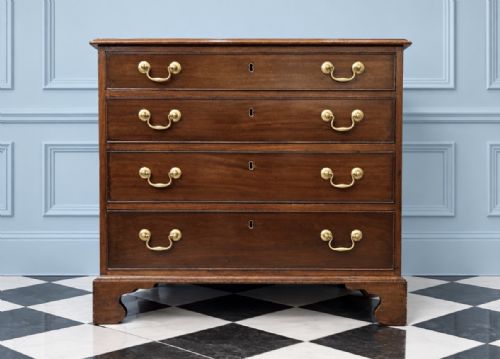
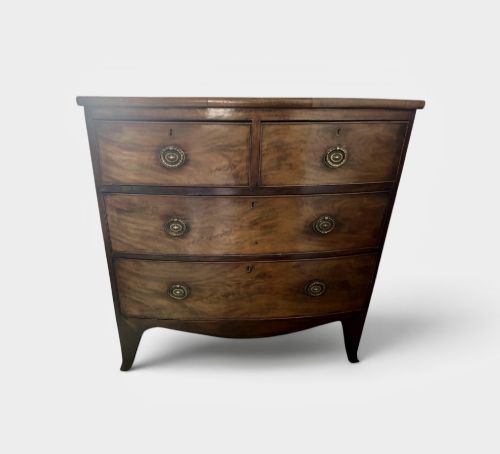
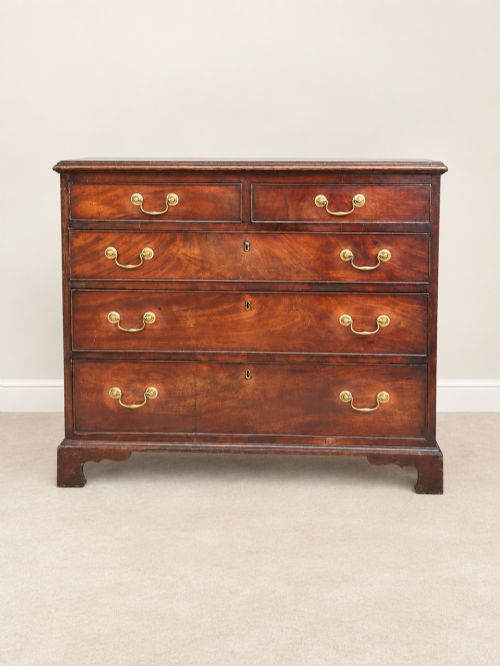
A small bedroom dresser primarily takes the form of a chest of drawers, designed with modest proportions to fit compact rooms while providing essential storage. When searching for a small bedroom dresser, buyers encounter pieces spanning from the 17th century through to the 1930s, reflecting centuries of changing domestic requirements.
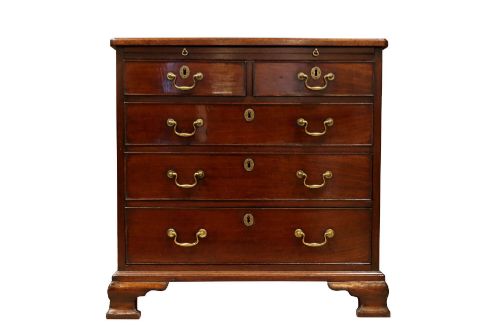
The materials and designs range widely across the periods represented on this page. Examples include Georgian mahogany bachelors chests with brushing slides, sturdy oak pieces from the 17th and 18th centuries, and later walnut or burr walnut designs from the Edwardian and Art Deco eras.
Cabinet makers produced these items in various regional styles, including bow front, serpentine, and cross-banded variations. The core function remains consistent across all periods, serving as a functional storage unit scaled down for smaller chambers.
Materials and construction
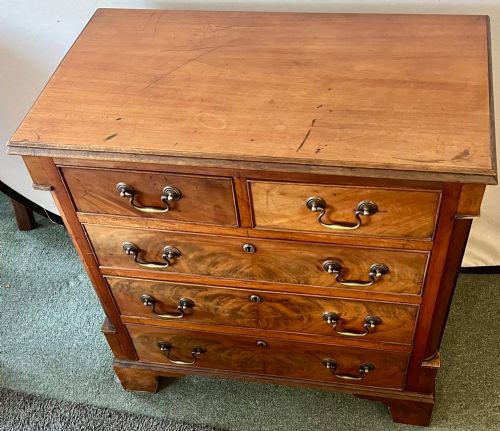
Cabinet makers built these pieces using solid timbers and decorative veneers such as mahogany, oak, walnut, and burr walnut. Workshops frequently applied flame mahogany veneer and cross-banding to enhance the visual depth of the primary wood surfaces.
Construction techniques involved traditional joinery methods suited to the period, incorporating brass handles, raised galleries, and bracket feet. Structural elements like brushing slides and secret drawers required precise carpentry to operate smoothly within a compact frame.
Small Bedroom Dresser Retail Price Guide 2026
Typical asking prices for small bedroom dresser among the pieces listed under this phrase on Sellingantiques today, from the lower quarter to the upper quarter. They describe what is for sale here now, not the wider market.
Listings feature pieces spanning from the late 17th century through to the 1930s, constructed in mahogany, oak, walnut, elm, and yew wood.
Factors that define quality
The standard of a small bedroom dresser rests upon the selection of timber figures and the crispness of the cabinet work. Pieces featuring well-matched grain patterns, such as figured mahogany or burr walnut, demonstrate superior material choice by the maker.
The preservation of original details like brass handles, working keys, and bracket feet elevates a piece. Subtle refinements, including fine cross-banding, clean dovetail joints, and patinated surfaces, distinguish higher grade items from standard production.
Reprodux
The Small Bedroom Dresser Glossary
- Bachelors Chest
- A small compact chest of drawers, often featuring a folding top or a sliding board known as a brushing slide. These versatile pieces date predominantly from the Georgian period.
- Brushing Slide
- A pull-out shelf integrated above the top drawer, traditionally utilised for writing or grooming before fitted dressing tables became common.
- Bow Front
- A convex curved front profile popular on Regency and later chests of drawers, which softens the rectangular appearance of the furniture.
- Cross-Banding
- A decorative border technique where narrow strips of veneer are laid perpendicular to the grain of the main surface, framing the drawer fronts or top.
- Serpentine
- A front contour characterised by a convex centre flanked by concave curves, demanding high skill from the cabinet maker.
Small Bedroom Dresser: Frequently Asked Questions
What is a small bedroom dresser?
A small bedroom dresser is a compact chest of drawers scaled down to fit smaller rooms while providing practical storage.
These pieces span multiple centuries and feature various configurations, including bachelors chests with sliding boards.
How do I identify a Georgian chest?
Georgian chests typically display disciplined proportions, classic timber selections like mahogany or oak, and traditional brass hardware.
Details such as bracket feet and fine dovetailing help distinguish pieces from this period.
Were these used in bedrooms?
Historically, smaller chests served in chambers and dressing rooms for personal linen and garments.
Their modest dimensions allowed them to fit comfortably against bedroom walls without dominating the floor space.
What woods were commonly used?
Mahogany and oak form the foundation of many pieces across the 18th and 19th centuries.
Cabinet makers also utilised walnut, burr walnut, elm, and yew wood for decorative variety.