



Small Wardrobe
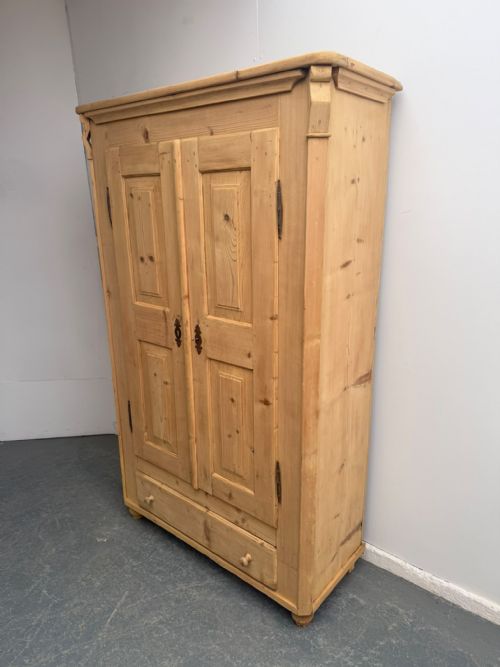
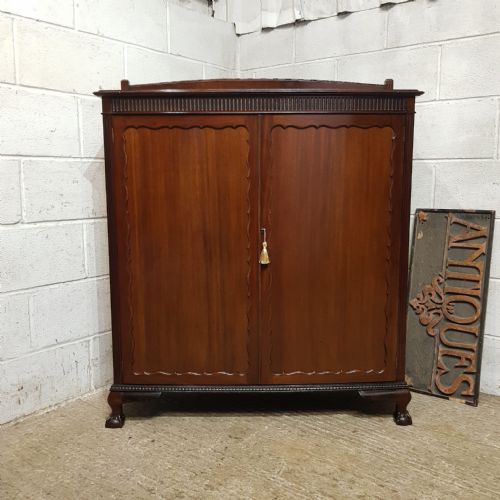
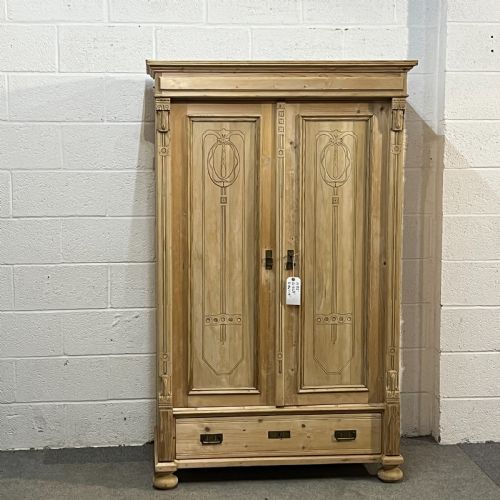
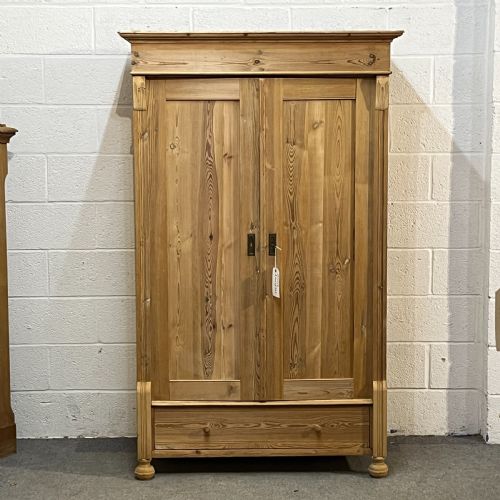
A small antique wardrobe offers compact hanging space and character, spanning centuries of cabinet-making in timber from pine to walnut.
Small Wardrobe
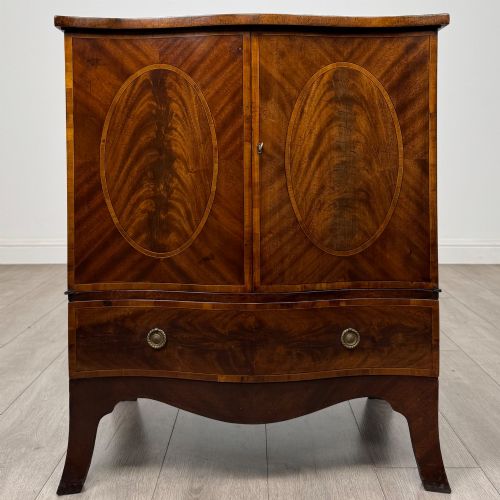
A small antique wardrobe provides essential storage for rooms with limited floor space, appearing across diverse historical periods from the 17th century through to the Art Deco era. These pieces encompass regional pine cupboards, Georgian press cupboards, and compact Edwardian hall robes designed for daily utility.
Buyers frequently encounter pine versions alongside mahogany, oak, and burr walnut examples on this page. Formats range from single door hall robes and child wardrobes to double door designs and fitted compactum configurations.
Origins stretch from English country workshops to Dutch and Anglo-Indian makers, incorporating styles from Gothic Revival to Dutch Baroque. Each piece reflects the domestic storage needs of its respective period.
How they were made
Cabinet-makers constructed these pieces using solid timbers like oak, mahogany, and pine, frequently accented with veneers of burr walnut, rosewood, and ebony. Drawer linings and interior fittings often utilised secondary woods, secured with traditional joinery methods.
Hardware typically involved brass hinges, escutcheons, and locks, while glass panels appeared on specific cabinet doors. Wax finishes were applied to protect the timber and highlight natural grain patterns.
Listings feature timbers including mahogany, oak, pine, walnut, ebony, and ash across periods from the 17th century to the Art Deco era.
What varies in quality
Construction standards differ between standard domestic pieces and fine bespoke commissions, visible in the precision of the dovetail joints and the selection of timber veneers. The crispness of carved oak details or linen fold panelling indicates the skill of the maker.
Proportions and interior fittings dictate utility, with compactum wardrobes and fitted drawers representing higher complexity than basic single door cupboards. Original hardware and intact glass elements elevate the integrity of a piece.
Waring & Gillows
The Small Wardrobe Glossary
- Compactum
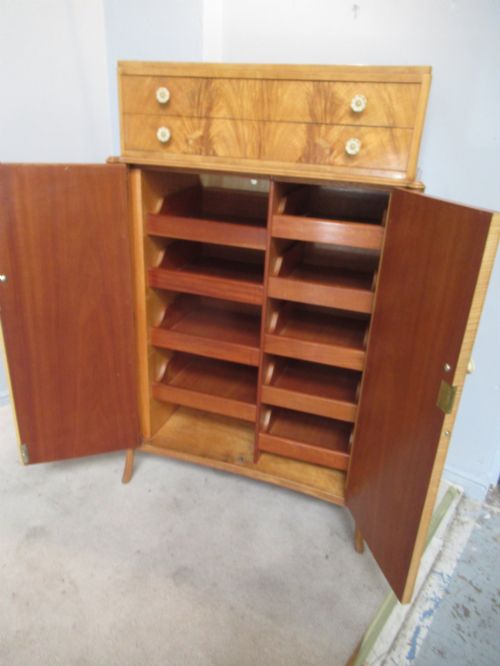
- A fitted wardrobe containing a combination of hanging space, drawers, and shelving within a single timber frame. This layout maximises internal organisation for smaller footprints.
- Press cupboard
- A dual-purpose piece featuring upper cabinet storage and lower drawers, historically utilised for linens and garments. Georgian and earlier examples often showcase panelled doors.
- Hall robe
- A narrow wardrobe designed for entrance halls to store outerwear. Edwardian and Victorian versions frequently feature single door formats.
- Linen fold
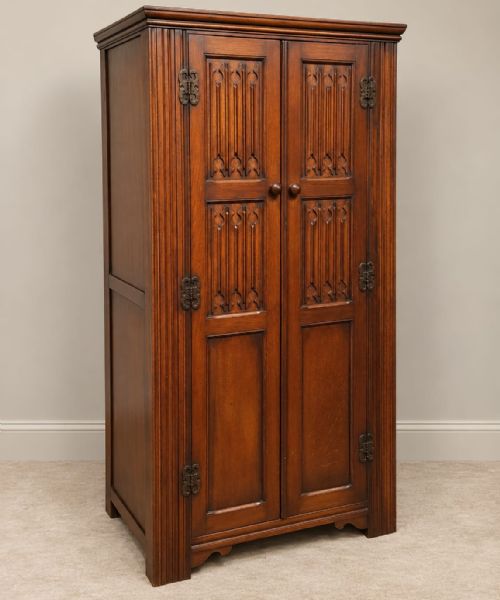
- A carved wood motif resembling folded fabric panels, commonly seen on 20th century oak furniture. This decorative technique mimics textile folds in solid timber.
- Gelderse Kussenkast
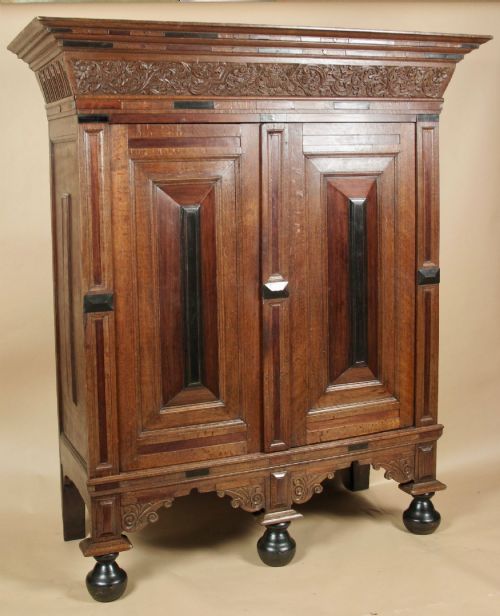
- A heavy 17th century Dutch cupboard style characterised by prominent cushion-moulded panels. These pieces often incorporate rosewood and ebony details on oak.
Small Wardrobe: Frequently Asked Questions
What is a compactum wardrobe?
A compactum wardrobe integrates multiple storage compartments, including hanging sections, shelves, and internal drawers, into a single timber unit. This design offered comprehensive organisation in a reduced footprint.
Such configurations appear frequently in early 20th century pieces, often executed in burr walnut or oak.
How do I date a pine wardrobe?
Dating relies on construction methods, timber characteristics, and hardware styles. Early pine pieces often feature hand-planed surfaces and simpler joinery before industrial production methods emerged.
Later Victorian and Edwardian examples may include factory-made drawer dovetails and turned wooden knobs or brass handles.
Do antique wardrobes dismantle?
Many larger double and triple wardrobes were built to dismantle into modular sections for ease of transport and delivery. Single door hall robes and smaller miniature pieces generally remain as single fixed units.
Knockdown pine wardrobes are particularly common, utilising wedge or bolt assemblies to secure the cornice, base, and sides.
Where were hall robes used?
Hall robes served as designated spaces in entranceways for coats, hats, and daily wear before modern built-in hallway closets became standard. Their shallow depth suited narrow corridors and small rooms.
Edwardian and Victorian homes utilised these narrow single door formats extensively.