




Small Vitrine Table
A small antique vitrine table displays your cherished jewellery and curios beneath glass while standing elegantly in a room.
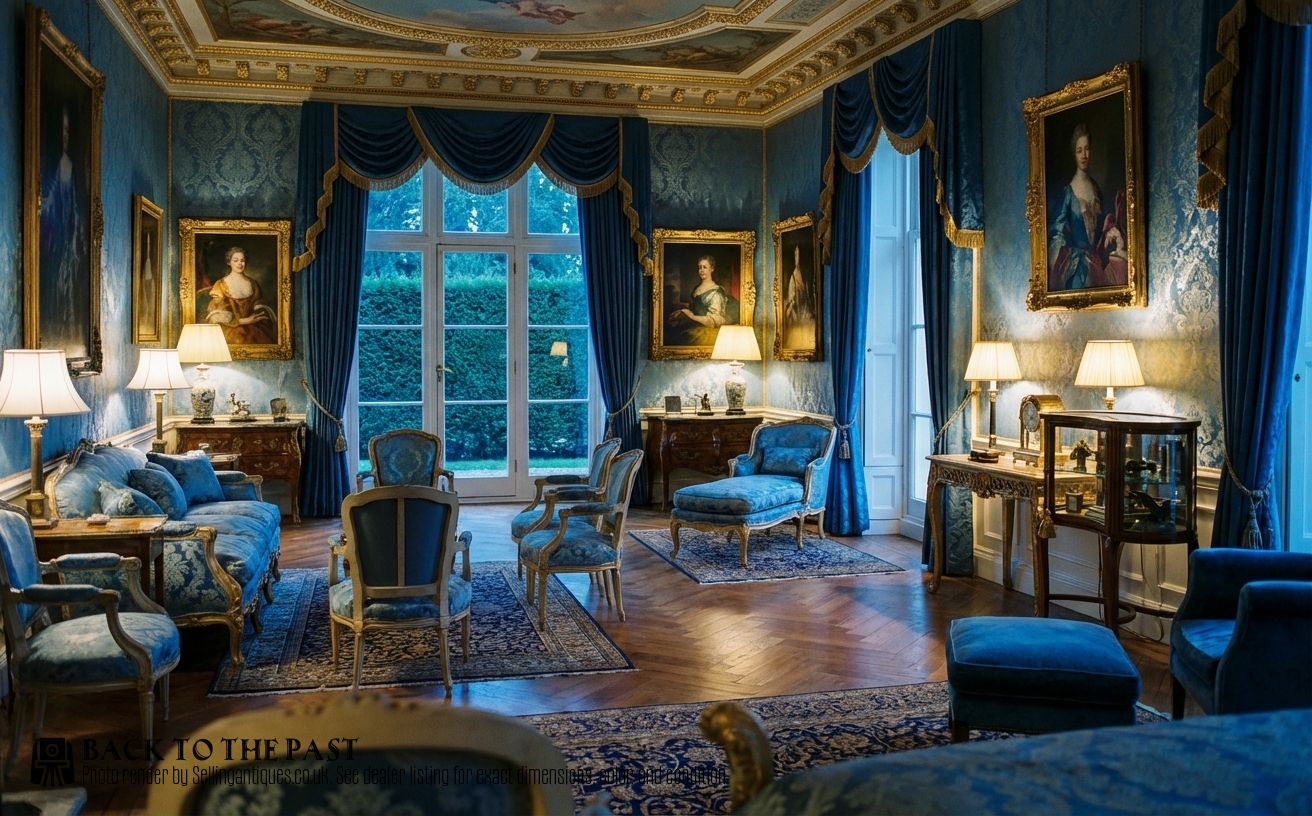
Small Vitrine Table
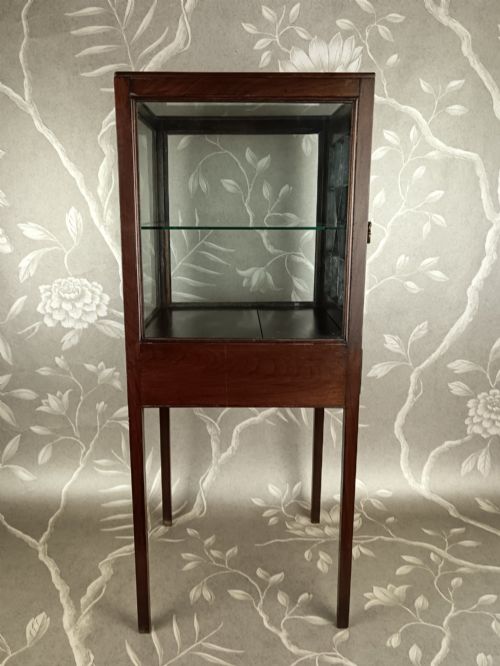
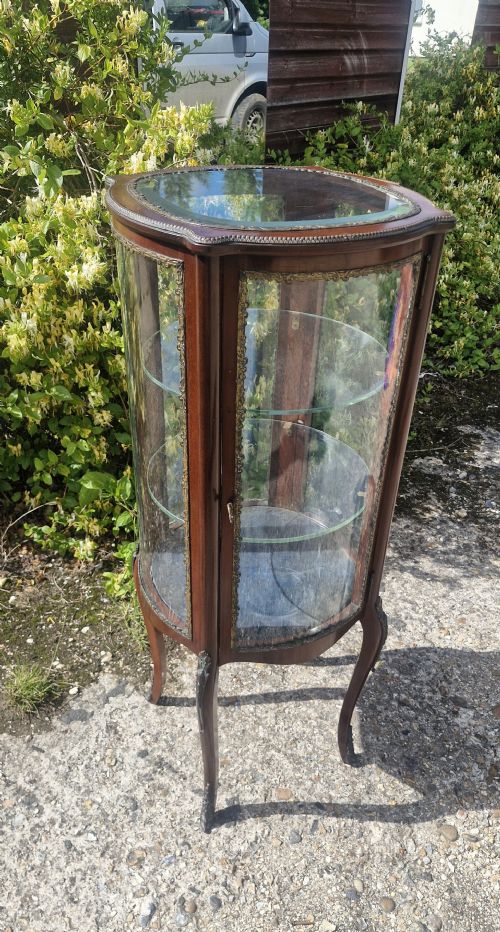
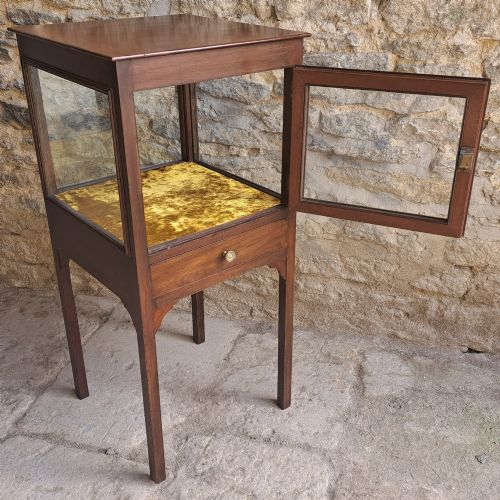
A small antique vitrine table combines a glazed display case with the functional height of a standalone table, designed to showcase collections of jewellery, coins, and small curiosities. These pieces appear primarily across Edwardian and Victorian periods, alongside Georgian and 18th century examples, taking forms such as bijouterie tables, display cabinets, and whatnots.
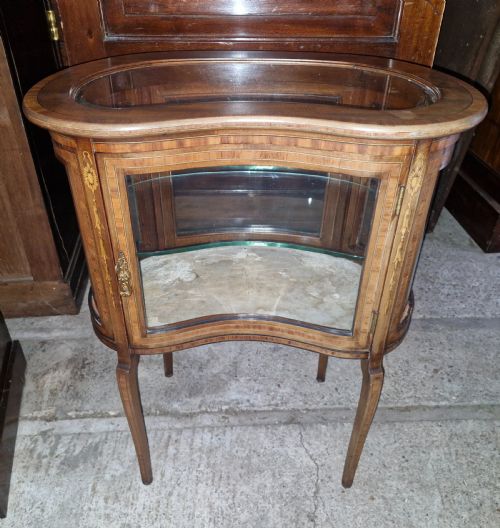
The Edwardian iterations frequently feature inlaid mahogany and satinwood, often adopting kidney shapes or traditional display table formats. Victorian pieces introduce rich rosewood and Dutch influences, whilst earlier Georgian models rely on solid mahogany craftsmanship and refined proportions.
Buyers seeking a small antique vitrine table will encounter diverse silhouettes, ranging from low table-top display boxes to slender leg-supported cabinets with hinged or lift-off glazed lids. Each variation serves the fundamental purpose of protecting delicate treasures from dust while offering an unobstructed top-down view.
What separates the finest examples
Quality in these display tables rests upon the crispness of the timber selection and the precision of the marquetry inlay. Superior pieces exhibit carefully matched grain patterns, particularly on satinwood and mahogany surfaces, alongside finely executed curved glass or tightly fitted hinged lids.
The integration of metalwork distinguishes superior examples, where cast ormolu and brass mounts fit flush and show sharp detail rather than crude casting. Interior fabric linings and the structural integrity of the delicate legs further differentiate standard utility items from masterwork creations.
Listings feature mahogany as the predominant wood, accompanied by satinwood, rosewood, and yew, paired with glass and brass elements.
Edwards and Roberts
The Small Vitrine Table Glossary
- Vitrine
- A glass-fronted or glass-topped cabinet designed for displaying fine objects and curiosities. This term originates from the French word for glass.
- Bijouterie table
- A specialised display table with a glazed compartment beneath the top surface, intended for jewellery and small collectables. They usually feature hinged or lift-off glass lids.
- Ormolu
- Gilded bronze or brass applied as decorative mounts to furniture frames and legs. It provides a bright metallic contrast to dark woods like mahogany and rosewood.
- Marquetry
- Decorative veneer patterns formed by fitting together small pieces of different woods, veneers, and shell. It appears frequently on the tabletops of Edwardian and Victorian pieces.
- Whatnot
- A set of open shelves or a multi-tiered display stand used for ornaments and small objects. Some variations incorporate enclosed glass display sections.
Small Vitrine Table: Frequently Asked Questions
What fits inside a bijouterie table?
These tables suit flat or low-profile items such as vintage pocket watches, rings, medals, coins, and small porcelain trinkets. The shallow glass compartment keeps delicate objects visible and secure.
Deep ornaments or books will not fit, as the clearance beneath the glass lid is generally restricted to a few inches.
How do I date an Edwardian vitrine?
Edwardian pieces often feature light mahogany framing, satinwood stringing, and delicate inlaid decoration. They reflect the revival styles popular during the early twentieth century.
Comparing the hardware, fabric linings, and internal construction helps confirm the manufacturing era against known stylistic traits.
Are the glass tops original?
Many tables retain their original float or cylinder glass panels, which may exhibit minor surface bubbles or imperfections. Replacement glass is sometimes fitted if the original panes suffered damage over time.
Examining the fit within the wooden rebate and checking for edge wear can help determine the age of the glass.
Where should I place a display table?
These tables perform best in drawing rooms, studies, or hallways where natural light illuminates the contents through the glass top. Position them away from direct sunlight to protect fabric linings and sensitive items from fading.
Ensure the room has stable humidity levels to preserve the veneered timber and glued joints.