


Small Frames
Small antique frames hold intimate portraits and pocket mirrors across periods from the eighteenth century to the Edwardian era.
Small Frames
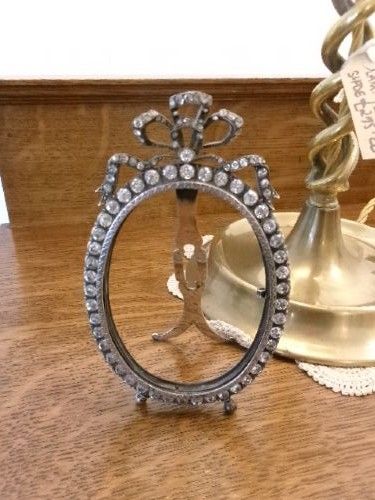
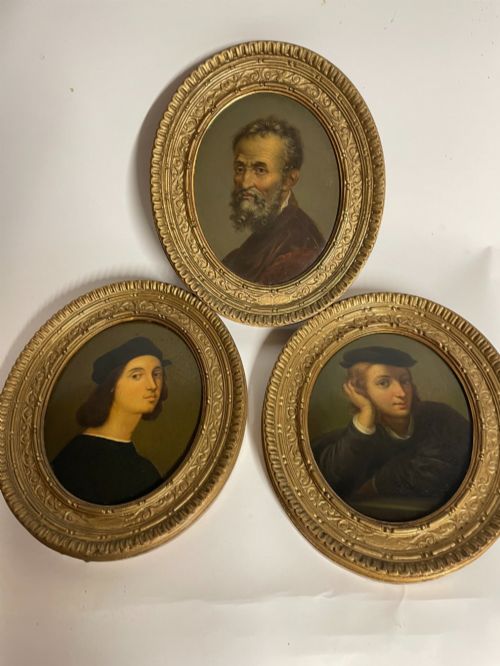
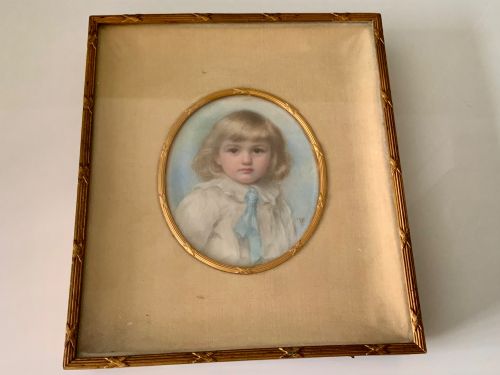
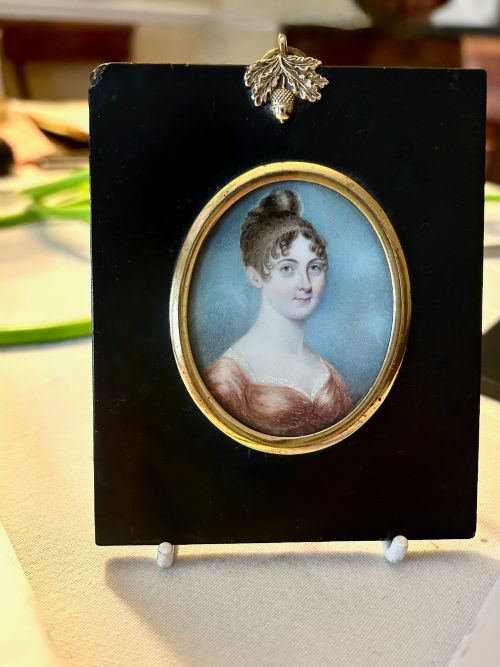
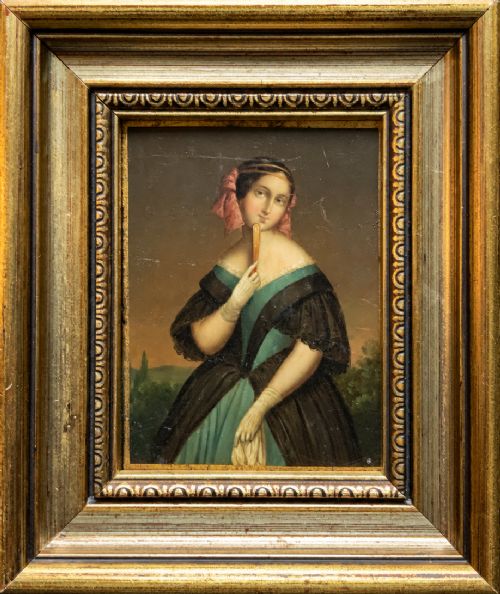
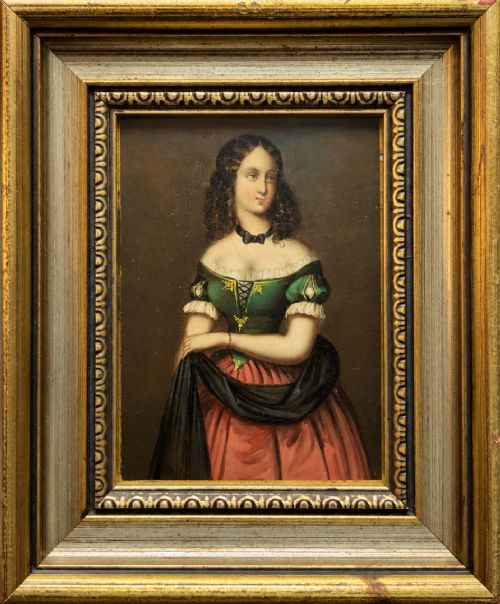
Small antique frames encompass compact surrounds that house portrait miniatures, reverse-painted glass, and small wall mirrors. These pieces emerge from periods including the eighteenth century, Regency, Victorian, and Edwardian eras.
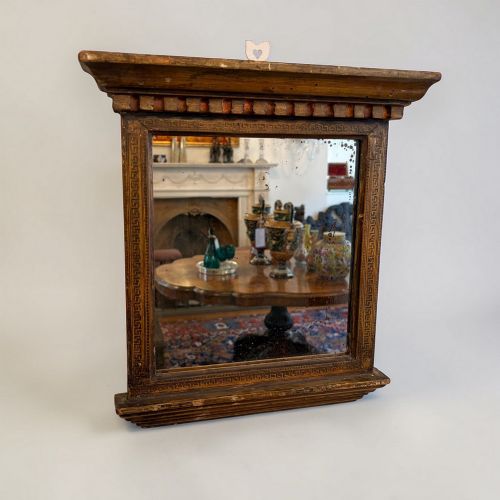
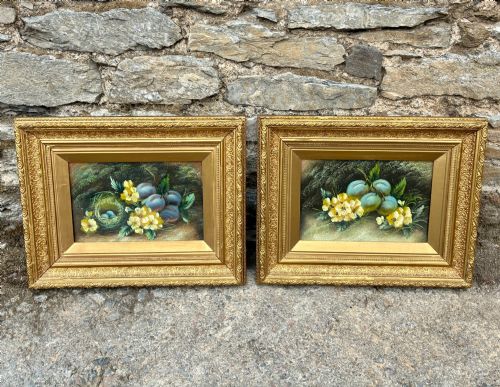
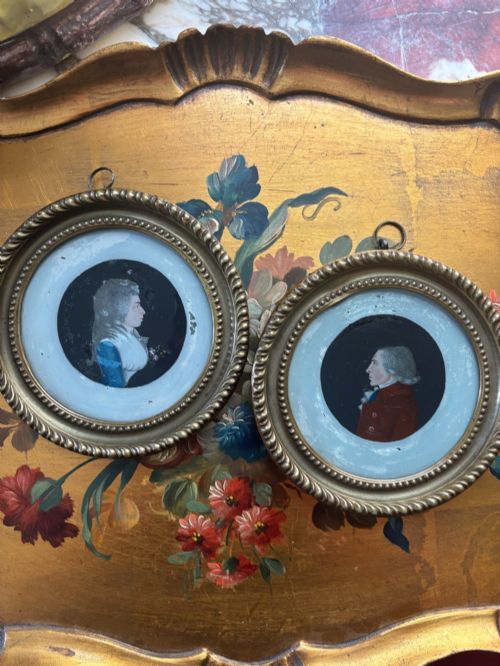
The versions most commonly met in this selection are small mirrors and portrait miniatures set within wood, brass, or gilt surfaces. They function as portable decorative objects or wall accents designed for intimate spaces.
Materials and methods
Maker construction relies on traditional materials such as oak, walnut, mahogany, and kingwood, alongside metals like brass and silver. Artisans also applied gesso and water gilding to wooden bases to create reflective surfaces.
Details such as faux bamboo turnings, brass inlay, and carved giltwood ornament the profiles of these pieces. Glass components include convex plates and reverse-painted panels.
Small Frames Retail Price Guide 2026
Typical asking prices for small frames among the pieces listed under this phrase on Sellingantiques today, from the lower quarter to the upper quarter. They describe what is for sale here now, not the wider market.
Listings feature items from the 18th century through the Edwardian era, incorporating glass, oak, brass, gesso, and giltwood.
Quality variations
Quality rests upon the crispness of the carving, the purity of the gilding, and the integration of the frame with its glass or painting. Hand-applied water gilding and precise timber joinery distinguish finer specimens from standard production.
The depth of detail in brass inlay and the preservation of original mirror plates or miniature artworks elevate the status of a piece within its period.
RW Winfield·William Howard Hardy·Jackson and Graham
The Small Frames Glossary
- Giltwood
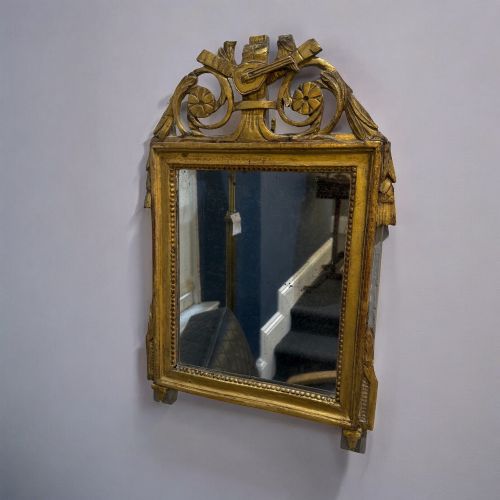
- Wood carved and coated with gold leaf or a gold-coloured finish. This technique creates a brilliant reflective surface popular in Regency and Victorian frames.
- Gesso
- A plaster-like mixture applied to wood surfaces as a base for gilding or painting. It allows artisans to mould intricate relief ornamentation.
- Convex mirror
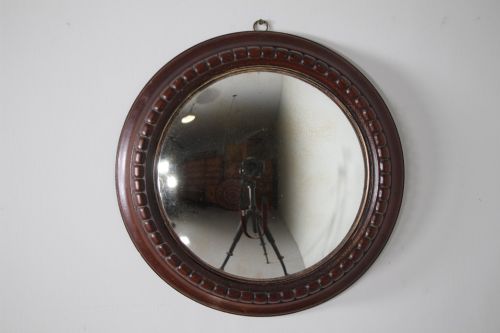
- A round mirror glass curved outward to provide a wide, distorted reflection of the room. Such plates are frequently set within circular frames from the nineteenth and early twentieth centuries.
- Portrait miniature
- A small, highly detailed painting on ivory, vellum, or card, typically housed in a protective case or frame. These works date widely from the eighteenth and nineteenth centuries.
Small Frames: Frequently Asked Questions
What periods do these frames represent?
The pieces span from the eighteenth century through the Regency, Victorian, and Edwardian periods, extending into the early twentieth century.
Each era brings distinct timber choices, moulding profiles, and decorative motifs to the frames.
How were small frames used originally?
Many housed personal portrait miniatures intended to be kept close or displayed on tabletops and boudoir walls. Others functioned as small wall mirrors or toilet mirrors in domestic interiors.
Their compact scale allowed them to fit into narrow wall spaces between windows and furniture.
What materials predominate in these pieces?
Timbers such as oak, walnut, mahogany, and kingwood form the structural basis of many surrounds. Metals like brass and silver appear alongside gesso and giltwood finishes.
Glass elements include flat plates, convex mirrors, and reverse-painted panels.
How do I date a frame?
Dating relies on identifying the timber species, construction methods, and stylistic cues such as Neo-Classical or Arts and Crafts ornament. Secondary woods and fastener types also offer clues to the period of manufacture.
Comparing the style to documented pieces from the eighteenth to early twentieth centuries confirms the era.