

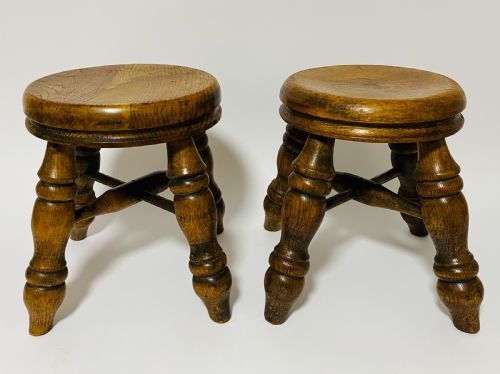


Small Footstool
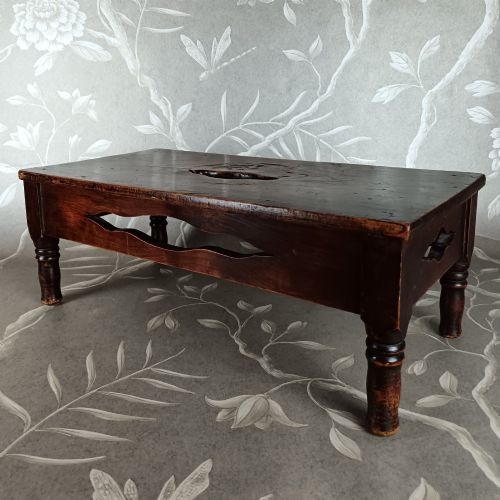
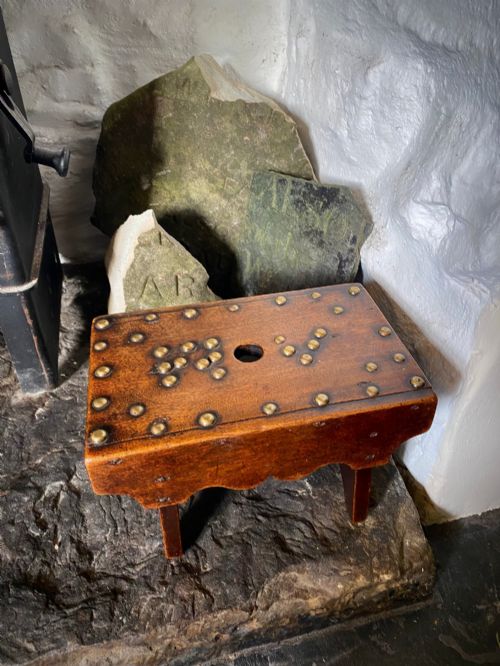
These small antique footstool examples span the nineteenth century to the early twentieth century, offering compact seating and foot rests crafted from diverse timbers.
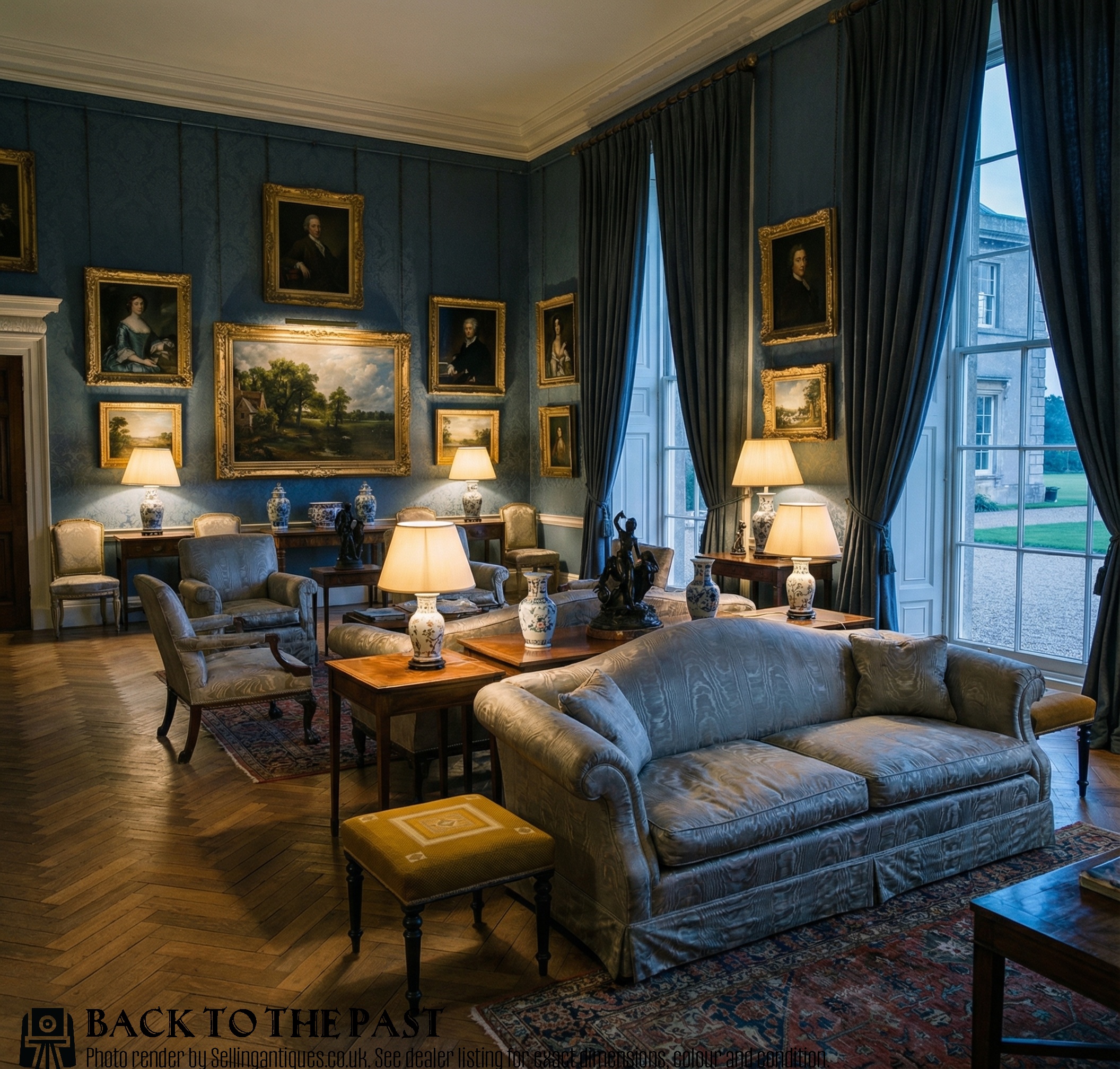
Small Footstool
A small antique footstool serves as a low seat or foot rest by the fireside, drawing on domestic forms from the Georgian, Victorian, and Edwardian eras. Buyers encounter various styles ranging from rustic country milking stools to formal walnut and mahogany frames.
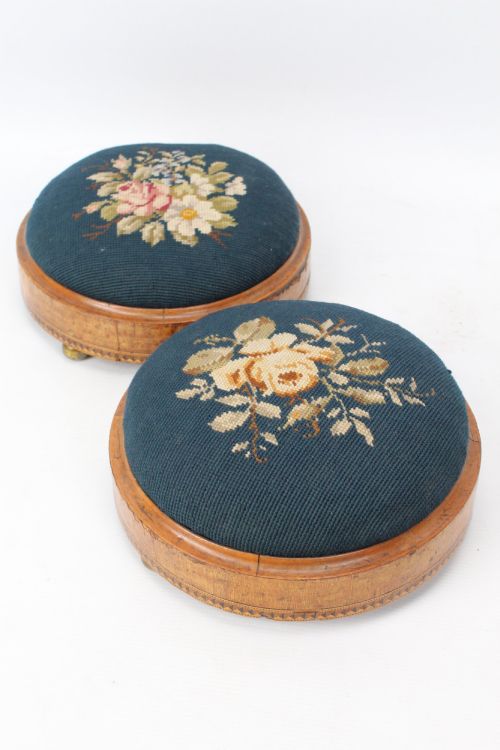
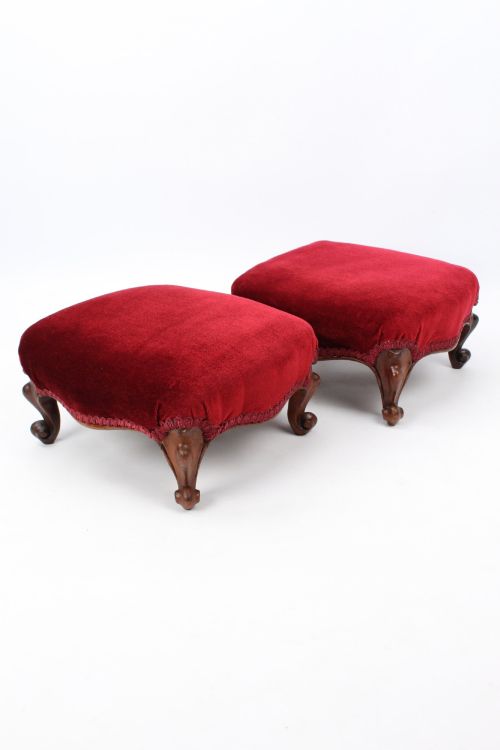
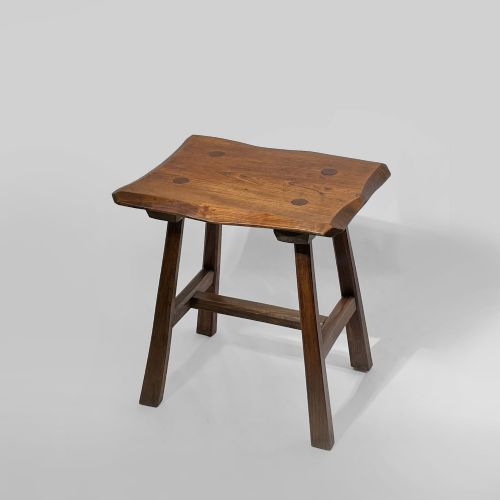
The selection includes timber forms with turned legs, rush seats, and pegged construction alongside upholstered pieces covered in needlepoint tapestry, velvet, or tweed. These low resting seats appear in single items, pairs, and diminutive dimensions suited for specific room corners.
Materials and construction
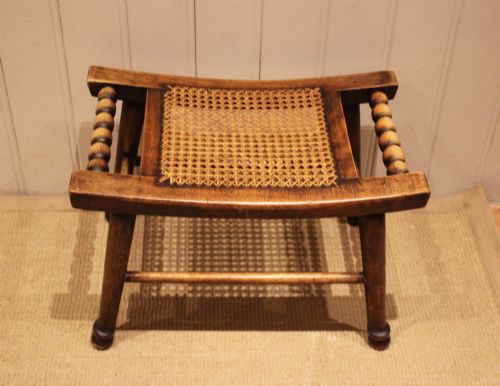
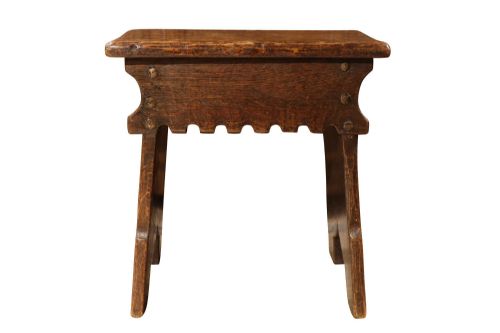
Cabinetmakers and rural artisans built these pieces using native and imported hardwoods including oak, walnut, mahogany, beech, ash, and elm. Frames utilise pegged joints, turned spindles, and carved details such as cabriole legs or parcel gilt finishes.
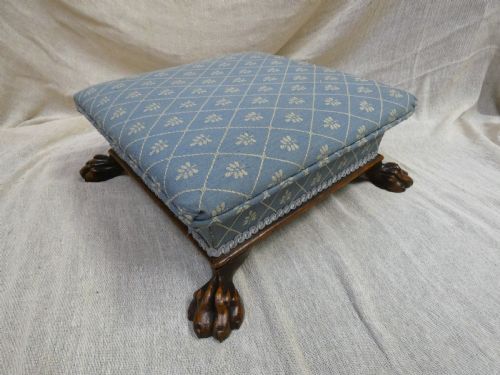
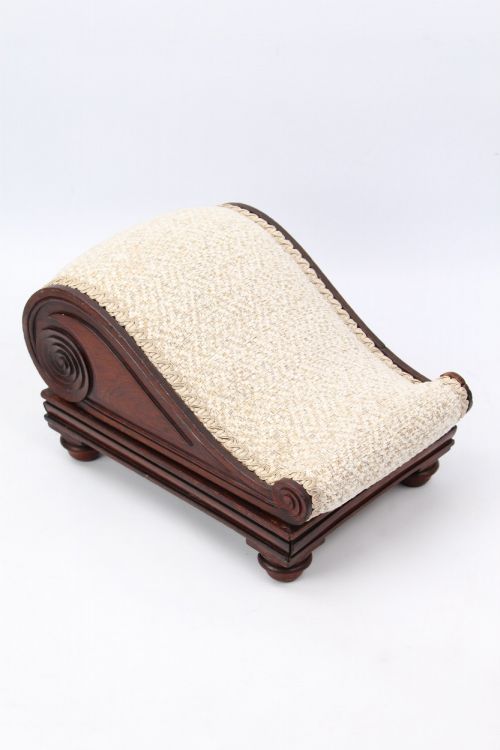
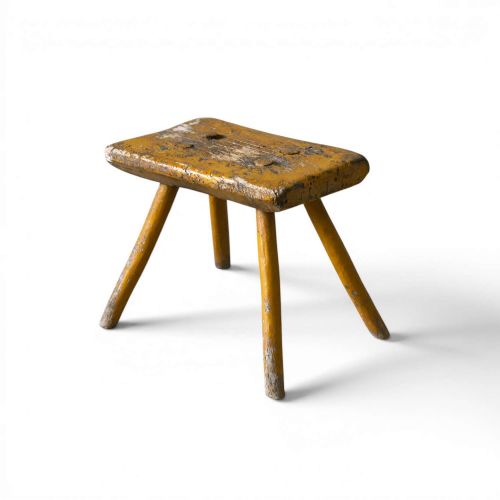
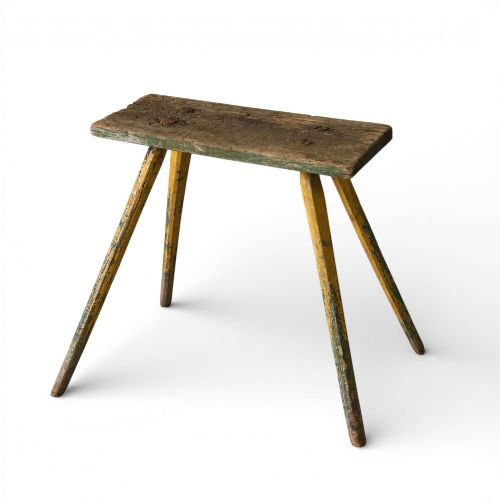
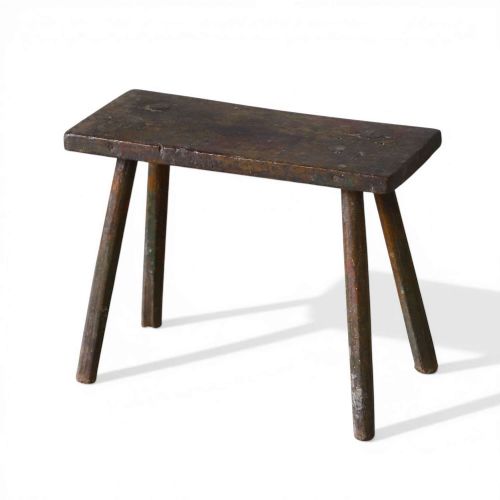
Upholstered variants incorporate textile coverings like needlepoint, kilim tapestry, beadwork, and leather stretched over stuffing. Rustic examples display original paint surfaces, rush seating, and solid plank construction.
Small Footstool Retail Price Guide 2026
Typical asking prices for small footstool among the pieces listed under this phrase on Sellingantiques today, from the lower quarter to the upper quarter. They describe what is for sale here now, not the wider market.
Listings feature oak, walnut, and mahogany alongside rustic pine and pitch pine across Victorian and Regency periods.
Distinctions in quality
Quality rests upon the crispness of timber carving, the integrity of pegged or turned joints, and the preservation of original surface finishes like paint or polish. Secondary woods and heavy wear distinguish standard utility items from finer parlour pieces.
The refinement of upholstery work, including period needlepoint or petit point tapestry and preserved bun feet, elevates certain examples above simpler vernacular designs.
The Small Footstool Glossary
- Gout stool
- A low foot rest designed to elevate the feet, frequently featuring an adjustable incline or cushioned top.
- Tunbridge ware
- A form of decorative woodworking characterised by tiny mosaic tiles forming geometric or pictorial patterns.
- Milking stool
- A simple rustic seat with three splayed legs, traditionally utilised for agricultural chores.
- Pegged construction
- A method of joining timbers using wooden pins rather than modern metal fasteners.
- Petit point
- A fine needlepoint stitch executed on single-mesh canvas, allowing for intricate pictorial and geometric designs.
Small Footstool: Frequently Asked Questions
What is a gout stool?
A gout stool is a low rest designed specifically to elevate feet and legs affected by discomfort. These pieces frequently feature adjustable top sections to alter the angle of support.
They appear in walnut and mahogany during the nineteenth century, often paired with needlepoint or tapestry upholstery.
How do I care for antique upholstery?
Protect antique textiles and tapestries by keeping them out of direct sunlight to prevent fading of wool and silk threads. Gentle surface cleaning with a soft brush removes dust without disturbing the underlying fibres.
Avoid chemical cleaners on fragile needlepoint, beadwork, and leather surfaces.
Are these stools comfortable to use daily?
Many examples retain their original webbing, stuffing, and springs, which may feel firmer or lower than modern seating. They function primarily as decorative accents, occasional seats, or low foot rests.
Their compact dimensions suit fireside placement and small spaces.
How can I tell a Victorian stool from a Georgian one?
Victorian pieces often display heavier proportions, darker walnut or mahogany frames, and elaborate upholstery such as beadwork or Berlin wool work. Georgian and Regency examples tend towards simpler lines, lighter mahogany, or distinct cross-frame 'X' shapes.
Construction methods and secondary timbers also offer clues to the decade of manufacture.