



Small Console
A small antique console brings compact elegance to a hallway or drawing room, offering surface space without crowding the floor.
Small Console
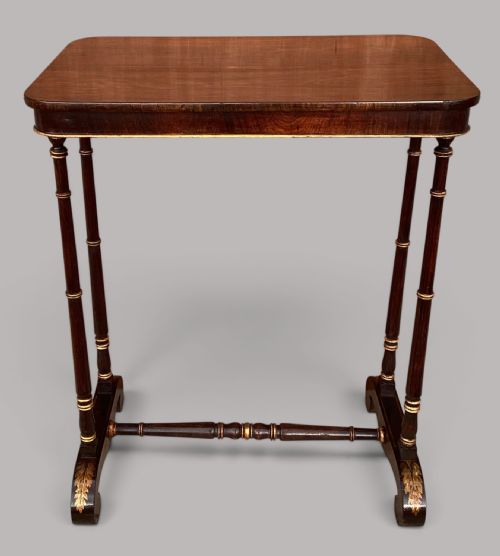
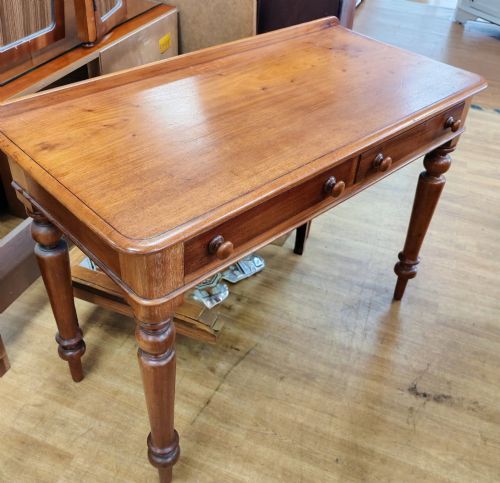
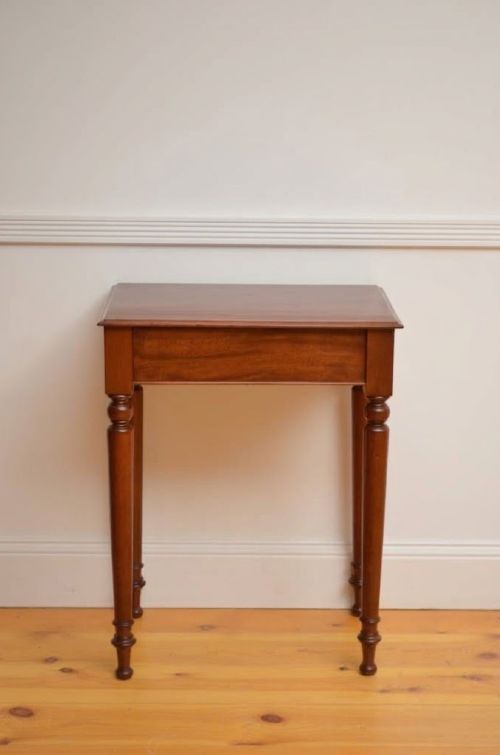
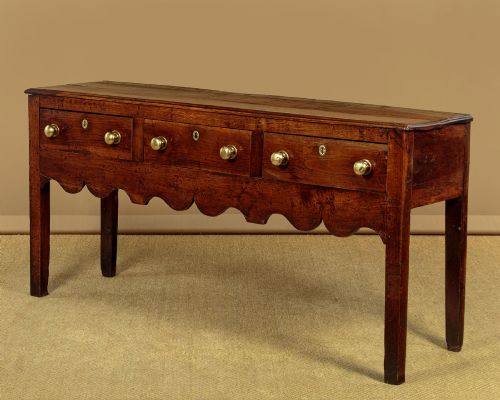
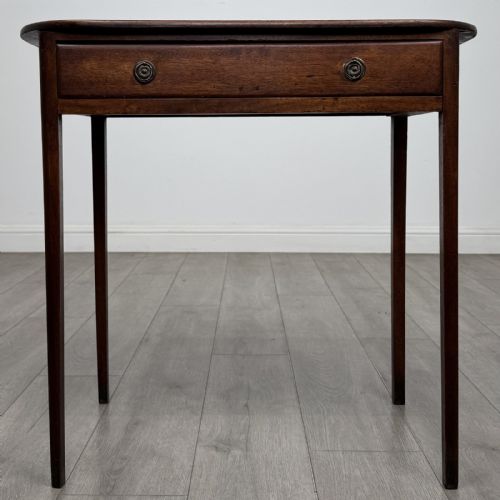
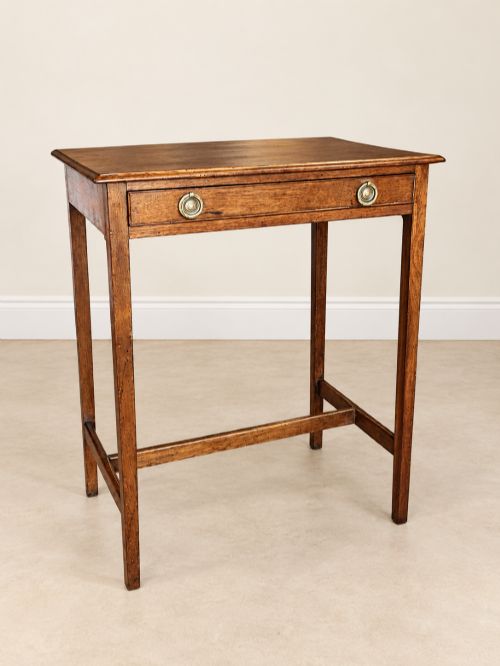
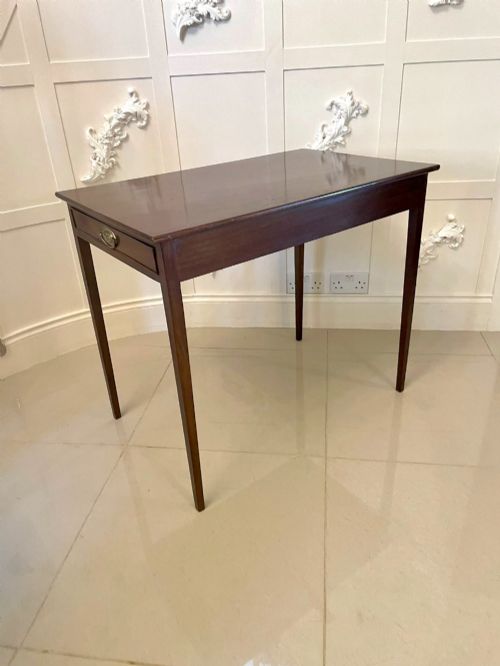
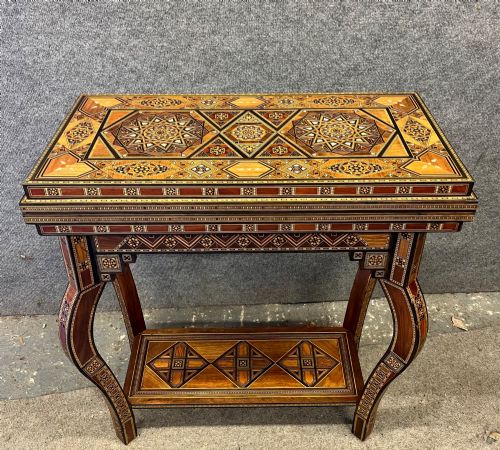
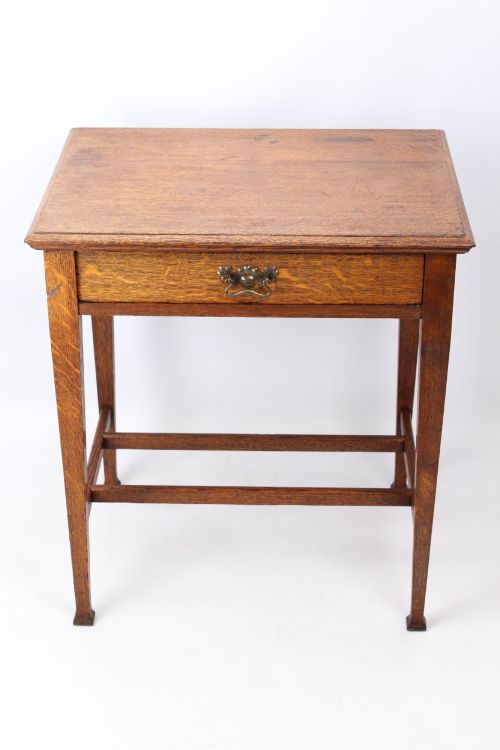
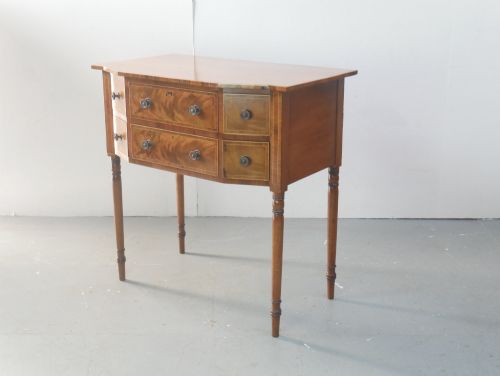
A small antique console is typically found on this page in the form of narrow side tables, occasional tables, or diminutive dresser bases originating from the eighteenth, nineteenth, and early twentieth centuries. These pieces serve functional purposes in tight spaces, historically designed to sit flush against a wall or fit within narrow passageways.
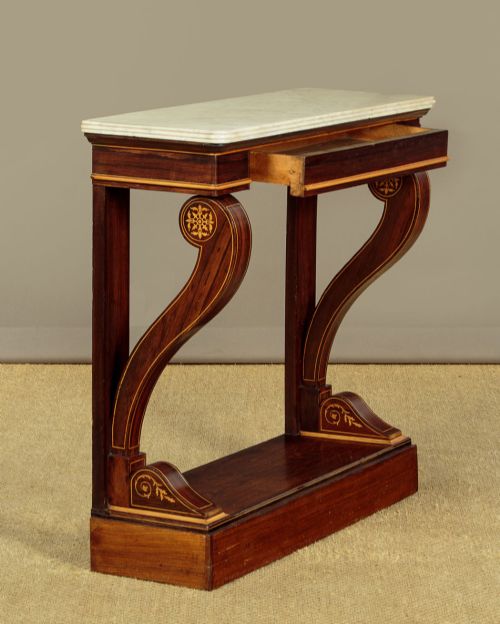
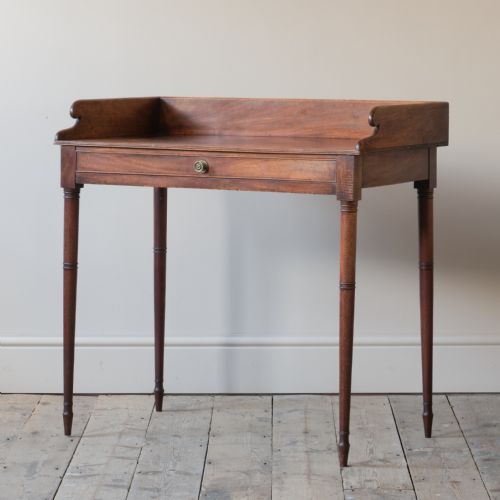
The selection ranges from George III mahogany lowboys and Victorian walnut occasional pieces to Edwardian inlaid side tables and early twentieth-century oak formats. Buyers searching for a small antique console encounter various configurations, including single-drawer designs, marble tops, and demi-lune shapes.
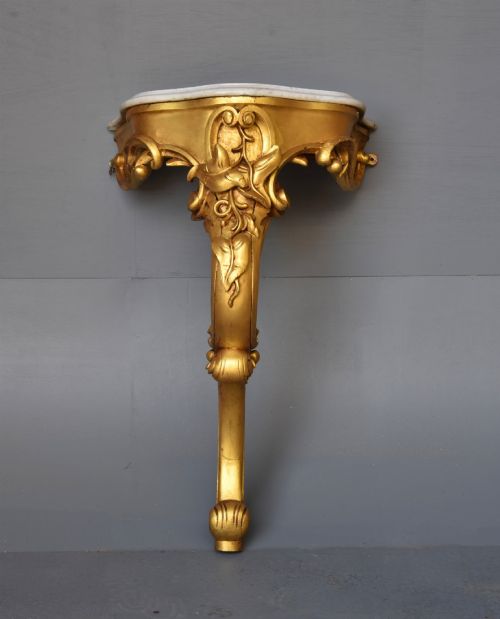
Makers and craftsmen of different periods adapted these compact forms for domestic use, utilising timbers such as mahogany, oak, and walnut alongside decorative accents like giltwood and gesso. Their proportions remain a primary draw for modern interiors requiring understated utility.
How they were made
Cabinet makers constructed these pieces primarily from solid hardwoods and select veneers, relying heavily on mahogany, oak, and walnut to ensure structural integrity in narrow proportions. Joinery techniques varied by period, employing traditional methods such as dovetailing for drawers and mortise-and-tenon frames for tables and dresser bases.
Surface ornamentation often involved contrasting timbers, marquetry inlay, or applied gesso and giltwood details, particularly on pieces reflecting Georgian, Regency, or Rococo Revival styles. Marble tops frequently appeared on console tables to provide a durable, cooling surface.
Finishes were applied using hand-rubbed polishes or oils that highlighted the natural grain patterns of figured woods like mahogany and walnut. Structural elements occasionally incorporated secondary softwoods for internal framing or drawer linings.
Small Console Retail Price Guide 2026
Typical asking prices for small console among the pieces listed under this phrase on Sellingantiques today, from the lower quarter to the upper quarter. They describe what is for sale here now, not the wider market.
Listings span multiple centuries, encompassing eighteenth-century oak dresser bases, Victorian mahogany writing tables, and early twentieth-century Jacobal Revival side tables.
What varies in quality
The grade of timber and the choice of figuring dictate much of the visual distinction across these pieces, with highly figured mahogany or walnut commanding greater attention than plain utility woods. Mastery in the execution of marquetry inlay, carved details, and giltwood finish also separates standard production from finer cabinet work.
Proportion and restraint define the upper tier of small furniture, where narrow depths and balanced drawer placements show careful planning by the maker. Original surface patination and minimal structural intervention preserve the integrity of the piece over centuries of domestic use.
Druce and Co
The Small Console Glossary
- Demi-lune
- Half-moon shape, typically describing tables designed to stand flat against a wall.
- Lowboy
- A small eighteenth-century table with one or more drawers, often standing on slender legs.
- Dresser base
- A low wooden sideboard or cabinet featuring drawers and occasionally cupboards below a long top.
- Gesso
- A plaster-like material applied to wood surfaces as a base for gilding or painting.
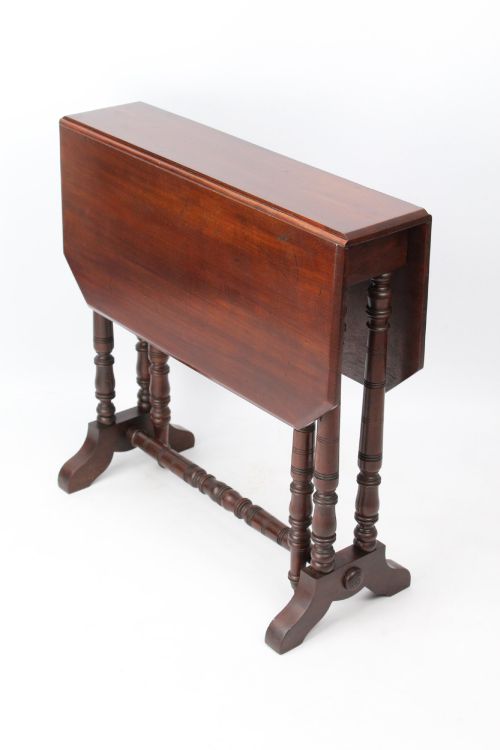
- Sutherland table
- A narrow drop-leaf table with hinged leaves that fold down vertically, supported by swinging legs.
Small Console: Frequently Asked Questions
Where should I place a small console?
These compact pieces fit naturally into narrow hallways, entryways, or behind sofas where floor space is limited. Their shallow proportions allow them to provide surface area without obstructing movement.
They also function effectively as writing desks or lamp tables in bedrooms and smaller reception rooms.
How do I identify a Georgian console?
Georgian pieces often feature dense mahogany timbers, restrained carving, and traditional joinery such as hand-cut dovetails in the drawers. Look for architectural proportions and stylistic markers like spade feet or bracket feet.
Later revival pieces from the nineteenth and twentieth centuries frequently emulate these eighteenth-century characteristics.
What is the difference between a side table and a console?
Console tables are traditionally designed to stand against a wall, sometimes requiring wall attachment for complete stability, whereas side tables are freestanding items with four fully supporting legs. In antique furniture, the terms often overlap depending on the proportions and intended placement.
Both formats offer convenient surface space in domestic interiors.