


Small Bench
A small antique bench provides compact seating with enduring character, spanning rustic pine pews, oak settles and upholstered Victorian salon sofas.
Small Bench
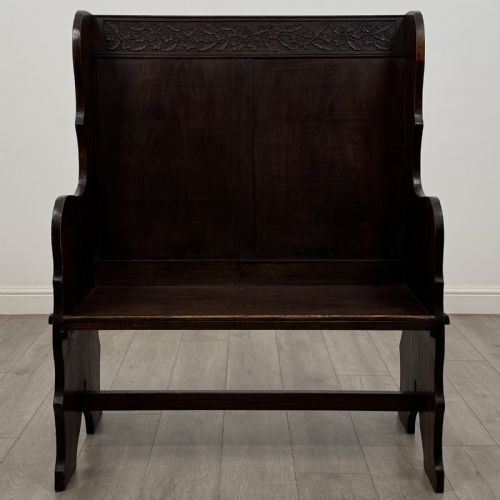
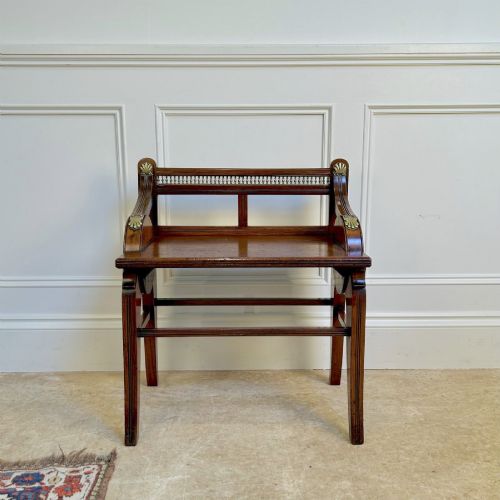
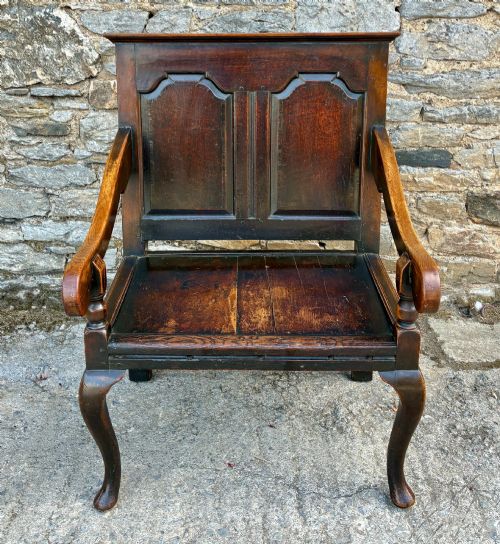
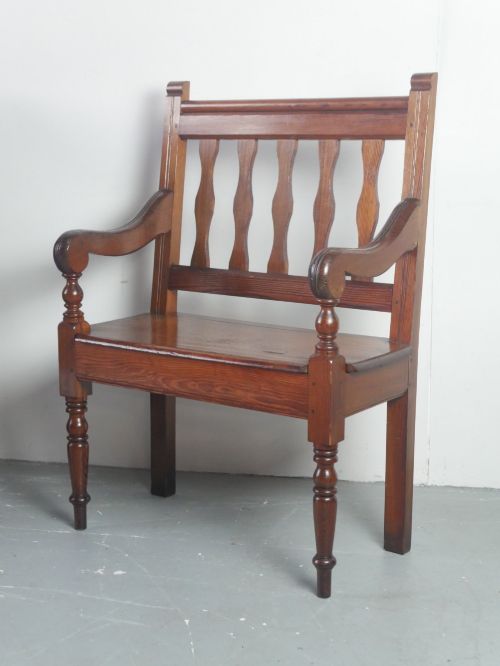
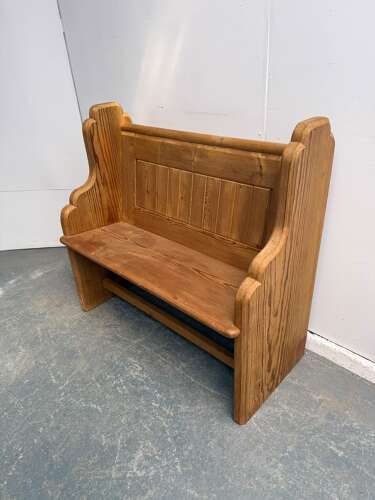
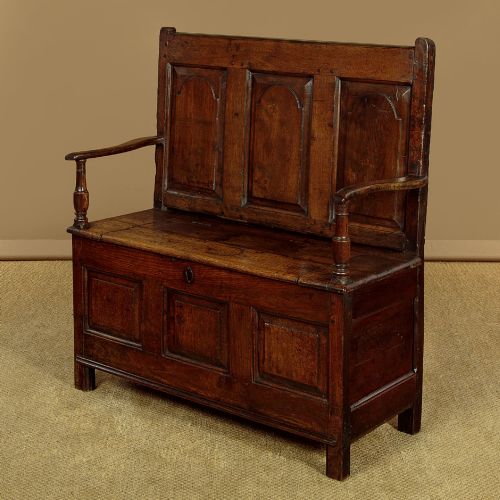
A small antique bench encompasses various compact seating forms designed for halls, parlours and rustic interiors across past centuries. Buyers seeking a small antique bench encounter diverse domestic pieces ranging from austere country pine pews and oak settles to refined Edwardian settees and French giltwood canapés.
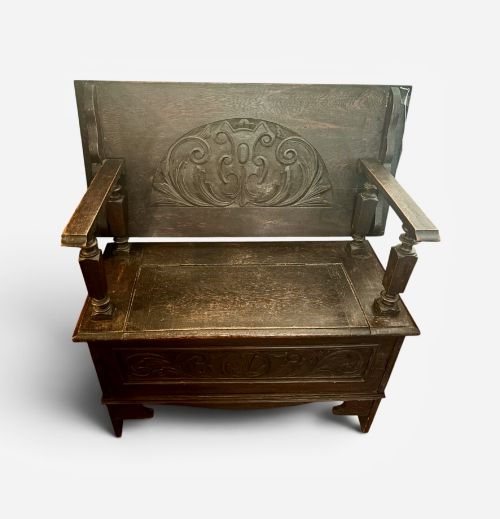
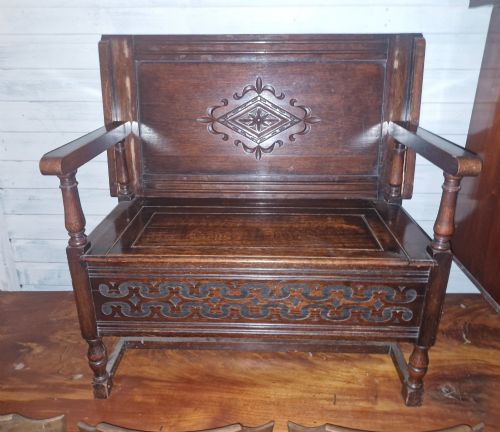
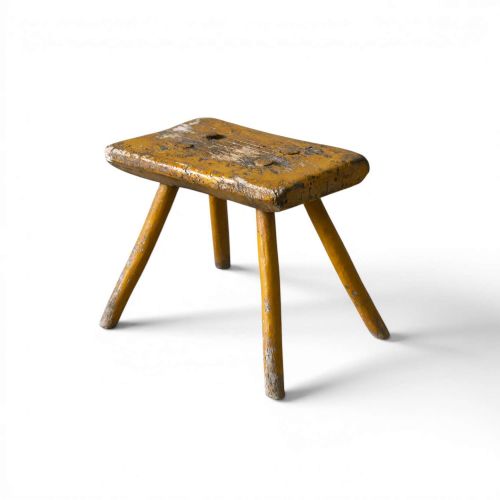
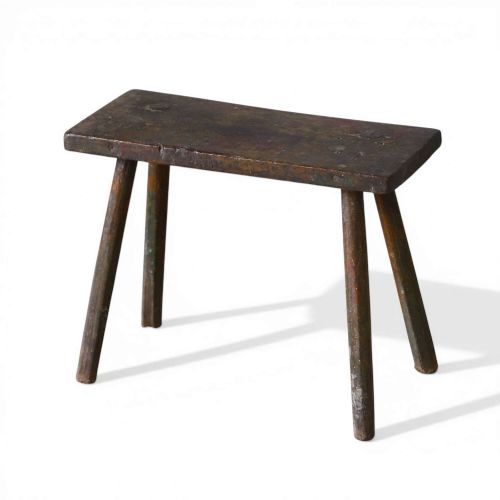
The selection includes utilitarian seating such as milking stools, milking benches and church pews alongside multi-functional pieces like oak monk's benches with fold-over tops. Regional variations emerge from English, French, Swedish and Eastern European traditions, utilising native timbers and painted finishes.
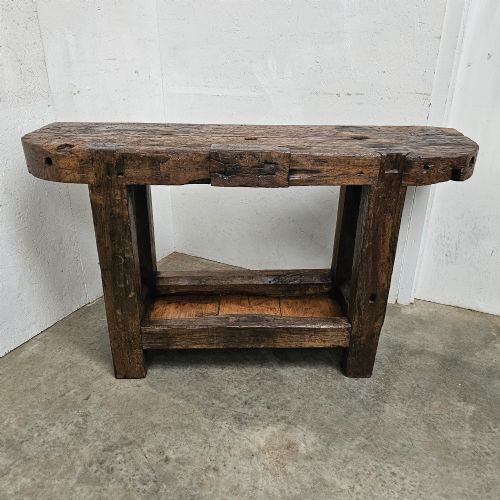
Period representation stretches from the eighteenth century through the Victorian and Edwardian eras up to the 1930s. Domestic forms include hall benches with storage compartments, diminutive window seats, and apprentice pieces demonstrating cabinet-making skill.
Materials and Construction
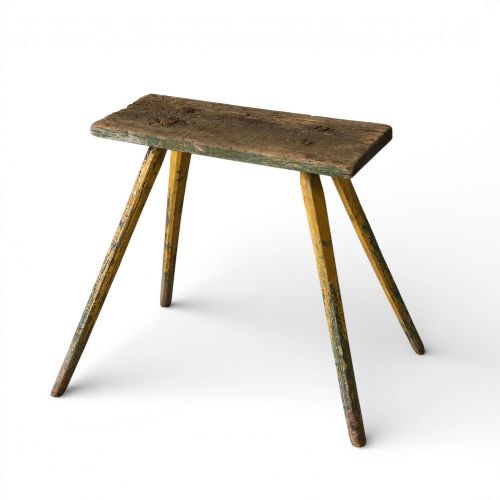
Makers relied predominantly on solid hardwoods and softwoods such as oak, pine, walnut, elm and beech, often assembled with pegged construction or traditional joinery. Country pieces utilise plain timber planks, sometimes retaining original ochre, green or white paint, while formal salon pieces employ giltwood, satinwood inlay and fine hardwoods.
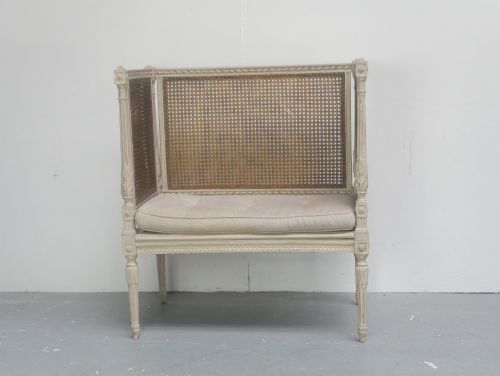
Upholstered versions incorporate internal stuffing and springs covered in contemporary or period textiles, silk, velvet, fabric or canework panels. Details like hand-carved ornamentation, fluted legs and turned stretchers reveal the hand of the maker across both vernacular and formal workshops.
Listings feature oak, pine and walnut alongside painted finishes, spanning the 18th, 19th and early 20th centuries.
Distinctions in Quality
Quality rests upon the integrity of the timber, the subtlety of hand-carving and the preservation of original surfaces such as aged wax or historic paint. Vernacular pieces derive their appeal from honest utilitarian construction, robust proportions and untouched patination built through generations of domestic use.
Formal seating relies on the precision of joinery, the crispness of gilded or carved decoration and the harmonious balance of design proportions. Pieces retaining original upholstery details, authentic hardware like brass hinges, or untouched regional paint finishes command greater interest from collectors.
The Small Bench Glossary
- Settle
- A wooden bench with a high back, solid arms and often a box seat compartment beneath. This form sheltered occupants from draughts in early domestic halls.
- Monk's bench
- A multi-functional piece featuring a hinged back that folds down over the seat to form a table. It served practical purposes in smaller historic rooms.
- Canapé
- An ornamental French upholstered sofa or settee developed during the seventeenth and eighteenth centuries. These pieces display exposed carved wooden frames and refined stylistic influences.
- Milking stool
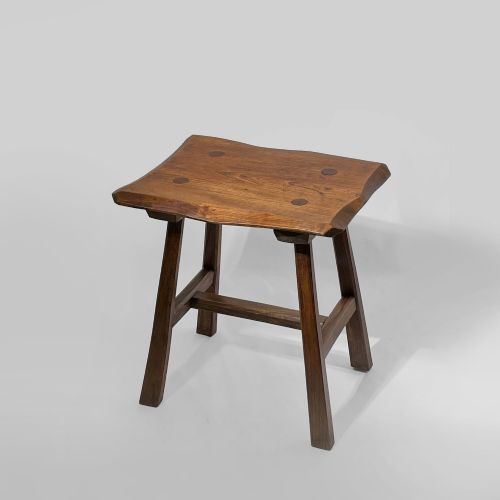
- A small, low, three-legged or four-legged vernacular stool used by agricultural workers. They exhibit simple, robust construction shaped for utilitarian labour.
- Pegged construction
- A traditional woodworking method joining timbers using wooden dowels rather than metal fasteners. This technique indicates earlier period craftsmanship.
Small Bench: Frequently Asked Questions
Where were small benches used historically?
Historic small benches served multiple roles across different domestic spaces, from narrow entrance halls and kitchens to bedrooms and parlours. Utilitarian versions accommodated workers in dairies or churches, while decorative settees furnished formal reception rooms.
In tighter spaces, versatile forms with storage boxes kept shoes or household goods tidy. Their modest scale allowed them to fit neatly against walls or beneath windows where larger furniture would not go.
How do I care for an antique wooden bench?
Preserving antique wooden seating involves maintaining stable indoor humidity and protecting surfaces from direct sunlight and excessive heat. Regular dusting with a soft, dry cloth prevents grime accumulation without harming the historic finish.
Applying a traditional beeswax polish occasionally helps nourish dry timber, particularly on unpainted oak or pine. Avoid modern silicone sprays that can penetrate the grain and alter the natural patina.
How can I tell the period of a painted piece?
Dating painted furniture requires examining the pigment composition, the underlying preparation layers and the natural wear patterns within the finish. Historic paint often shows fine craquelure and subtle fading accumulated over centuries of use.
Tool marks left by early hand-processing on the timber substrate also offer clues regarding age. Subsequent repaint layers can sometimes be detected beneath chipped surface areas.