

Sloped Writing Box
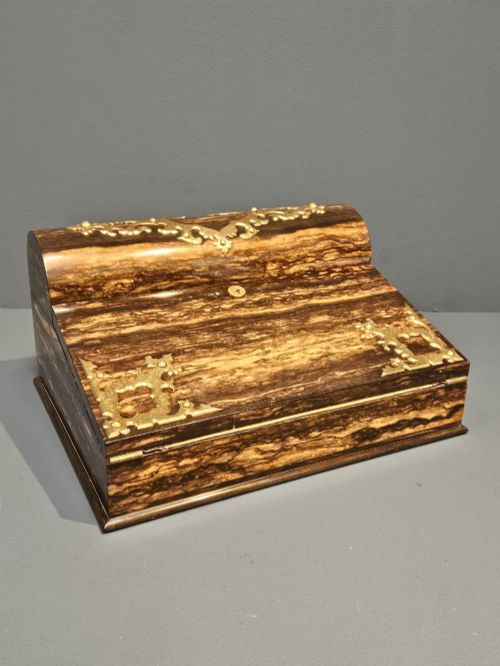
A sloped writing box is a portable desk designed for correspondence, and these pieces offer clever compartments that suit modern study spaces.
Sloped Writing Box
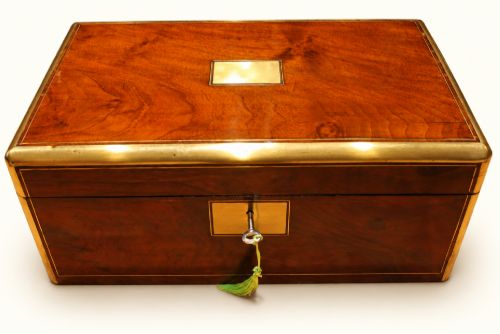
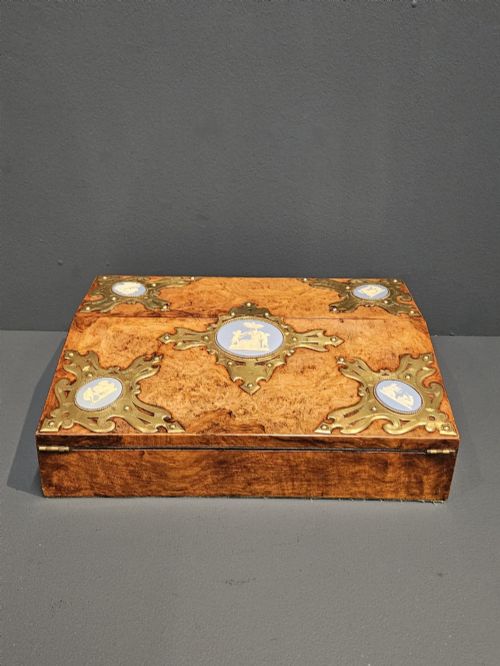
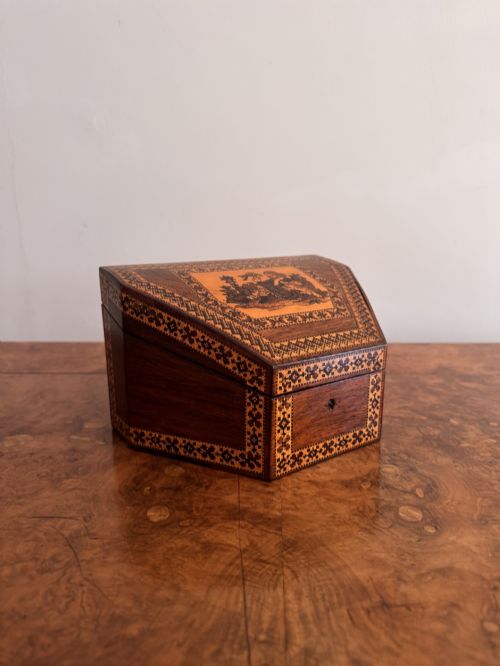
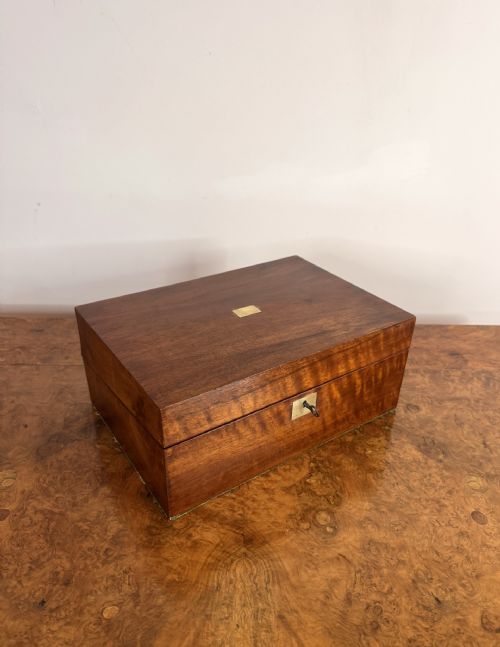
A sloped writing box brings together portable desk forms from the seventeenth, eighteenth, and nineteenth centuries, including campaign boxes and stationery cabinets designed for travel or home study.
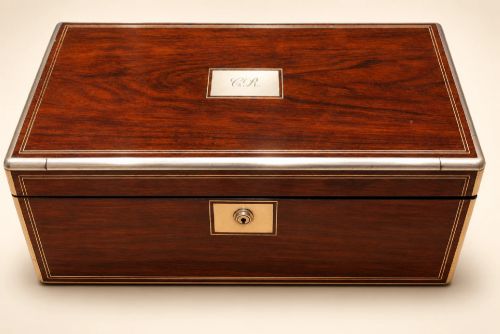
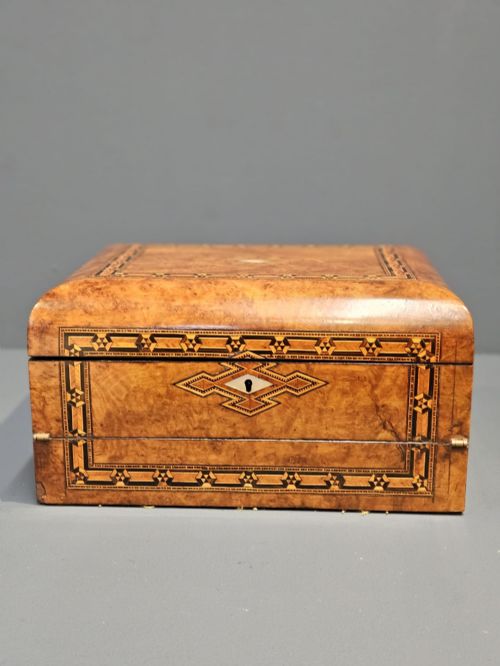
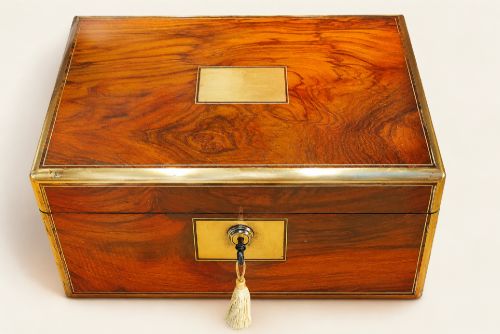
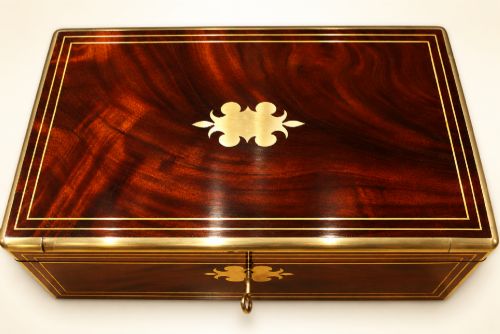
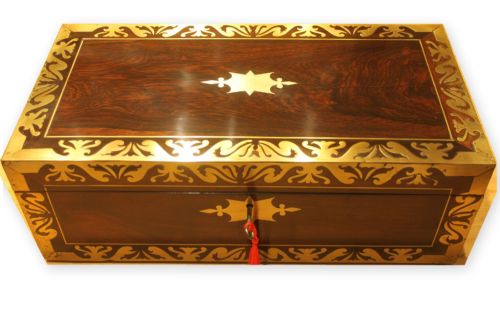
Mahogany, walnut, and rosewood versions dominate the selection, often featuring hinged lids that open to reveal fitted interiors with velvet or leather writing surfaces.
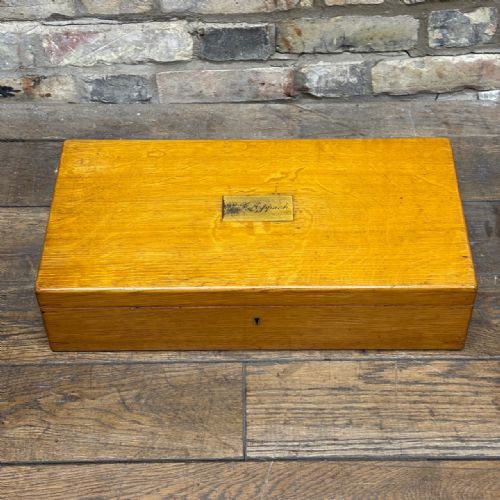
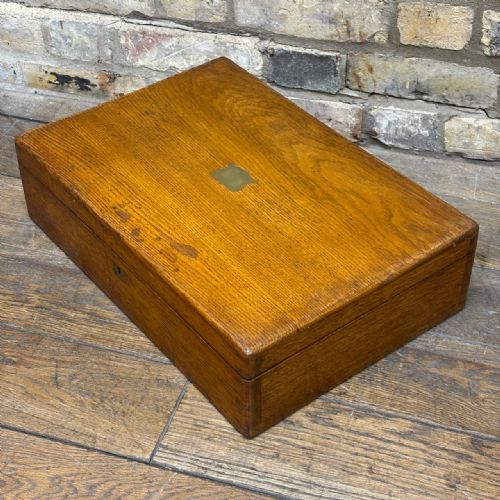
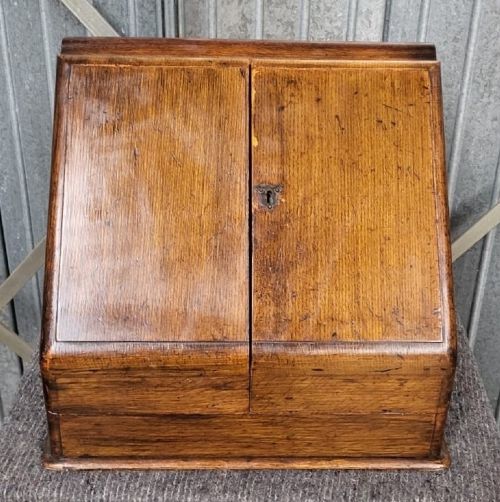
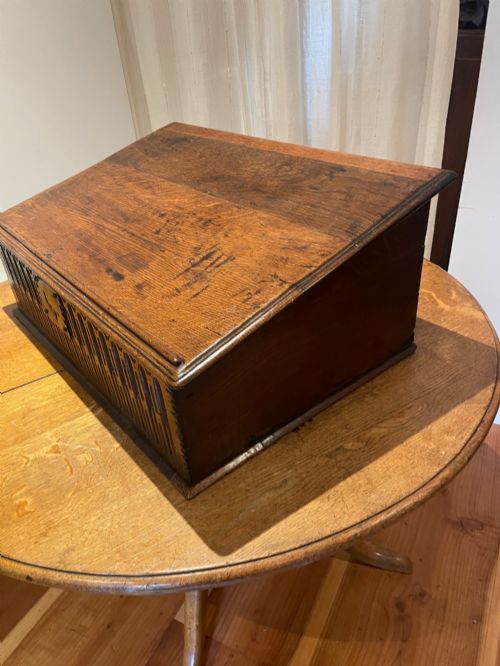
Earlier oak Bible boxes and seventeenth-century slanted lids sit alongside Victorian brass-bound writing slopes, offering distinct timber grains and compartment layouts.
Materials and construction
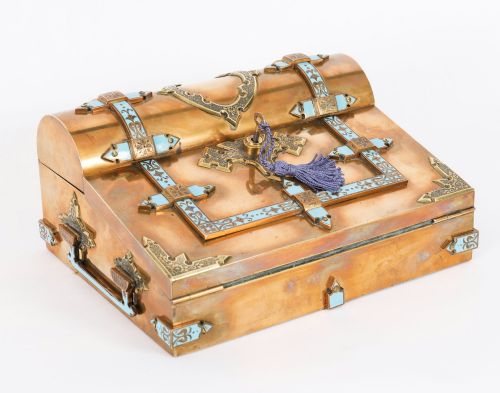
Cabinet makers utilised dense hardwoods like mahogany, walnut, and rosewood, frequently reinforcing the corners and edges with brass banding for travel durability.
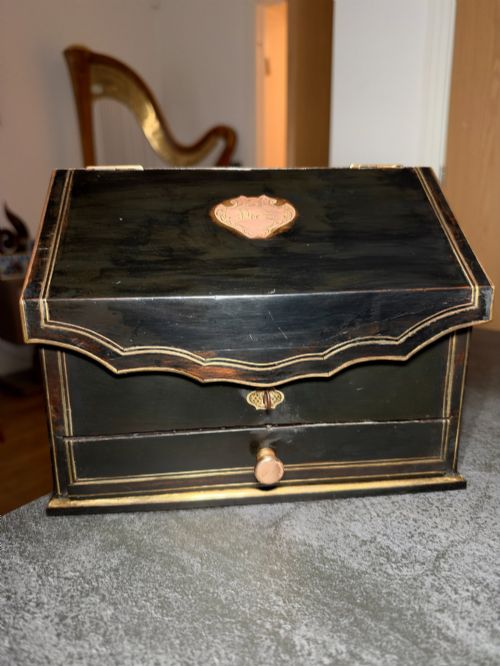
Interiors often integrate secret drawers, compartments for inkwells, and mother of pearl or bone inlay executed by specialist artisans during the Georgian and Victorian periods.
Sloped Writing Box Retail Price Guide 2026
Typical asking prices for sloped writing box among the pieces listed under this phrase on Sellingantiques today, from the lower quarter to the upper quarter. They describe what is for sale here now, not the wider market.
The selection includes campaign boxes, Bible boxes, stationery cabinets, and inlaid Tunbridge ware writing slopes.
Distinctions in craftsmanship
The standard of timber selection defines the tier of a piece, with burr walnut, flame mahogany, and coromandel marking out superior examples from plain pine or simpler woods.
Fine execution shows in the precision of brass inlay, the smooth action of secret drawers, and the retention of original fitted inkwells and working keys.
Jennens & Bettridge·Edwards & Jones·F. West
The Sloped Writing Box Glossary
- Writing slope
- A portable box with an angled lid that opens to create a slanted writing surface. These pieces contain internal compartments for paper, pens, and inkwells.
- Campaign box
- A sturdy wooden box fitted with brass corners and flush handles, built for transport during military campaigns. They frequently open to reveal modular writing surfaces and storage.
- Secret drawers
- Hidden compartments concealed behind false panels or beneath stationery dividers within a writing box. Makers designed these to secure personal letters and valuables.
- Stationery box
- An upright cabinet or desk box configured to hold envelopes, writing paper, and cards. They appear frequently in Victorian and later nineteenth-century forms.
- Tunbridge ware
- Small wooden objects decorated with mosaic patterns created from thousands of tiny tinted wood blocks. This decorative technique appears on select Victorian writing boxes.
Sloped Writing Box: Frequently Asked Questions
What is a sloped writing box used for?
These boxes served as portable desks for writing letters, storing important documents, and organising stationery supplies before modern office furniture became standard.
Today, they function well on modern desks or side tables to hold correspondence, notebooks, and writing instruments while adding historical character to a room.
How do I tell a Georgian writing box from a Victorian one?
Georgian writing boxes tend to feature simpler lines, flame mahogany veneers, and understated brass escutcheons without heavy corner mounts.
Victorian examples frequently introduce elaborate brass banding, coromandel or burr walnut timbers, mother of pearl inlay, and more complex internal secret drawer mechanisms.
Where do I put a campaign writing box in a modern home?
A campaign writing box sits comfortably on a study desk, a side table, or a chest of drawers, functioning both as display and practical storage for everyday items.
Opening the slanted lid allows you to use the original writing surface for journaling or place the closed box on a shelf to showcase the brass hardware and timber grain.
Did these boxes travel with their owners?
Many examples, particularly brass-bound campaign boxes made from mahogany or camphor, were constructed specifically for military officers or travellers to withstand long journeys.
Other domestic writing slopes remained stationary on library tables or Davenport desks, serving as dedicated correspondence stations within larger nineteenth-century houses.