
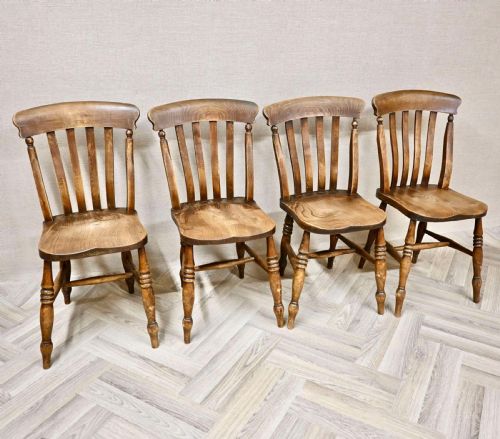

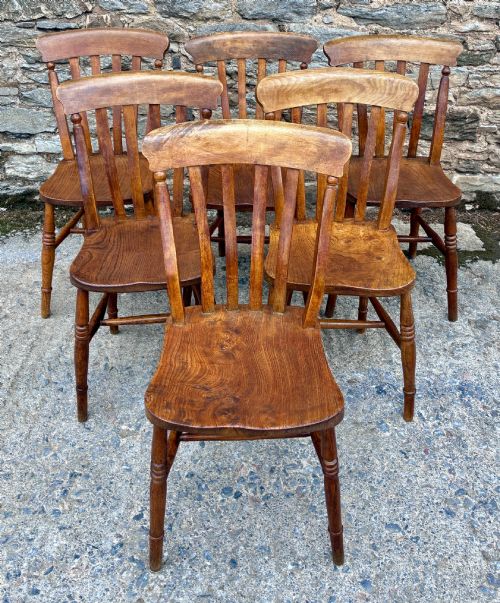
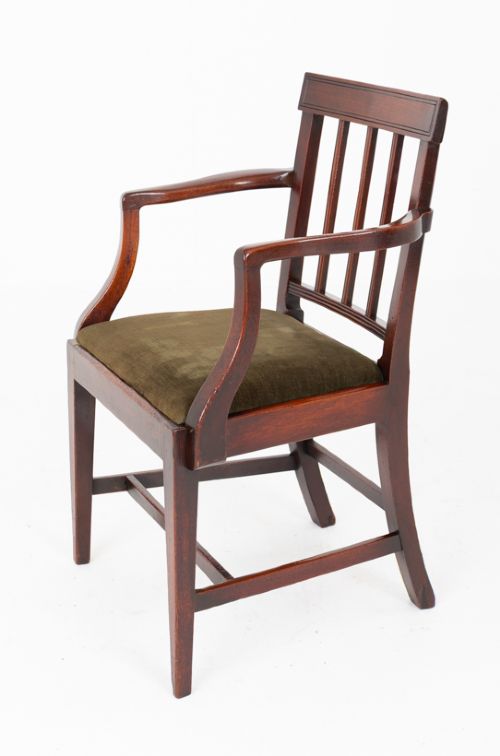
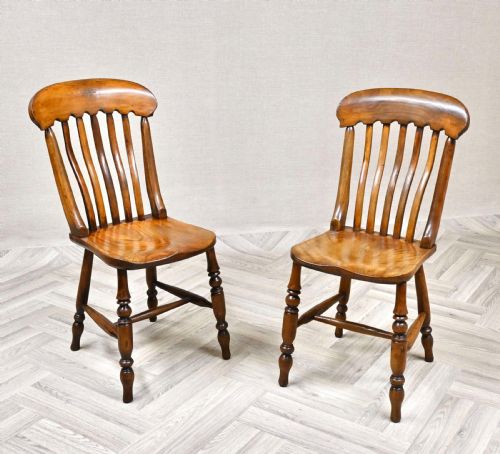
Slat Back Wooden Chairs
Slat back wooden chairs are sturdy vernacular seats built for everyday use, offering enduring timber construction and honest regional design.
Slat Back Wooden Chairs
Slat back wooden chairs encompass a broad range of utilitarian seating designed for domestic spaces, from farmhouse kitchens to studies. When you examine this selection, you encounter various regional interpretations spanning several centuries of cabinetmaking and chairmaking.
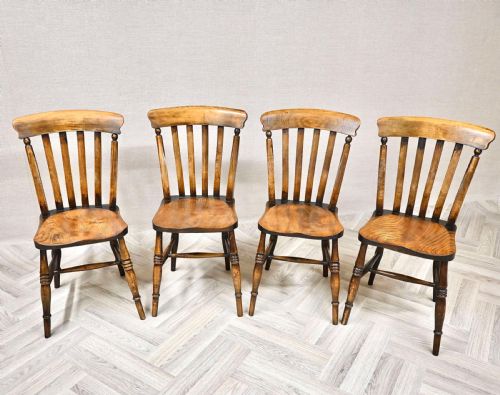
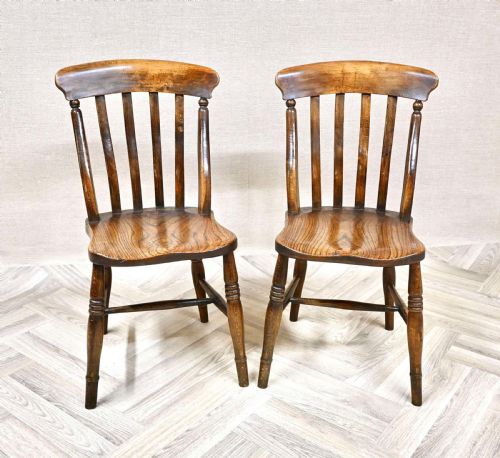
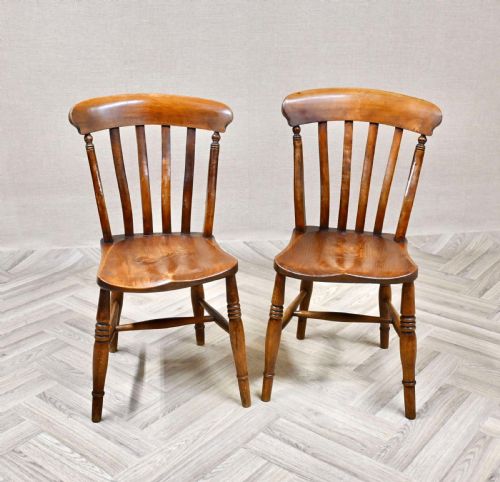
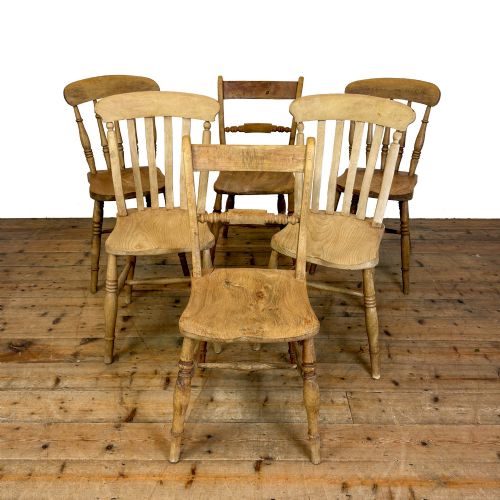
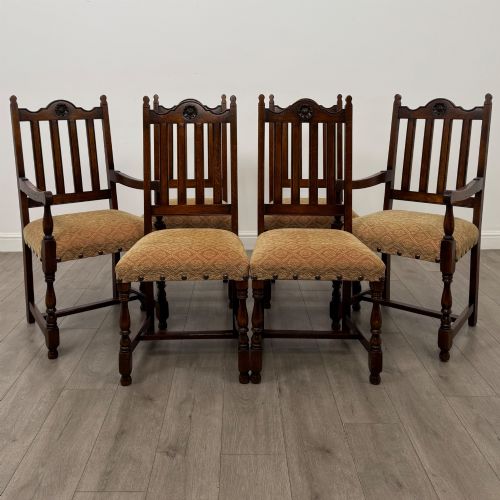
The most prevalent examples on this page are Windsor and country kitchen chairs dating from the nineteenth century, often featuring constructed timber frames and shaped seats. These pieces range from single side chairs to assembled sets intended for dining tables.
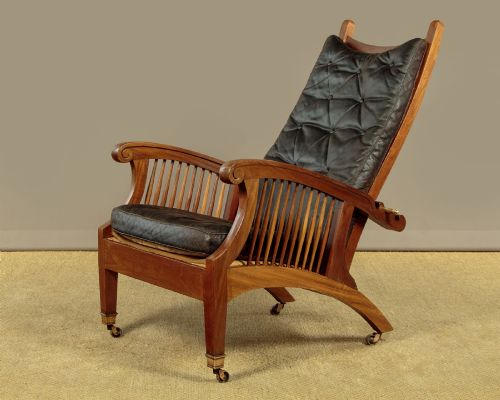
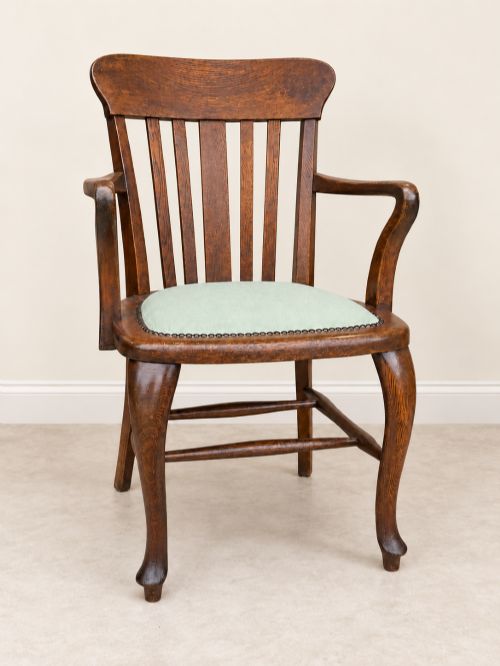
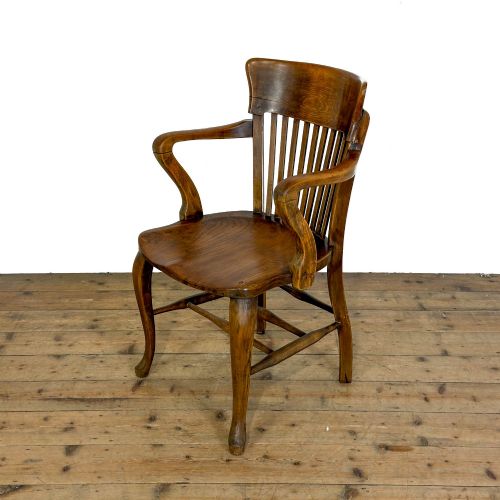
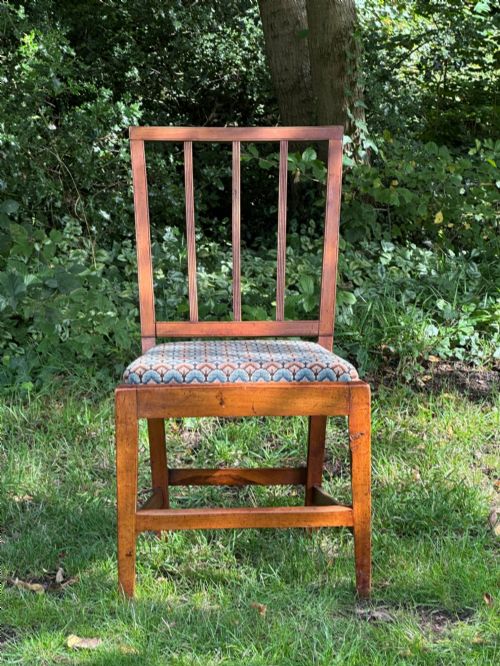
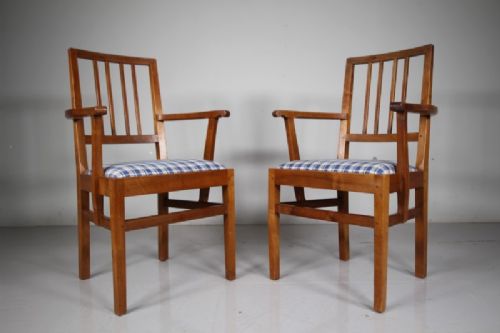
Makers utilised local woods to produce forms such as lathe backs, lath backs, and Windsor armchairs, alongside desk chairs and bedroom seats. The assortment reflects both vernacular traditions and refined period styles like Georgian and Arts and Crafts.
Materials and Construction
Makers combined complementary timbers to ensure structural integrity, frequently pairing elm for solid, resilient seats with ash, beech, or birch for turned spindles and steam-bent components. This traditional method allowed the wood to withstand heavy daily use in domestic settings.
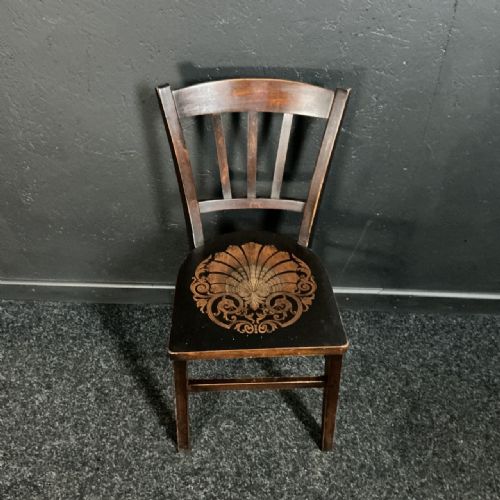
Joinery relied on wedged tenons and peg construction, binding the upright slats and backbones securely into the heavy timber seat base. Surfaces were often left natural, waxed, or finished with simple ebonising.
Seating areas were sometimes carved directly from solid plank timber or woven from natural materials such as rush to provide a flexible surface.
Listings span multiple eras from the eighteenth century to the twentieth, with nineteenth-century Windsor and kitchen chairs forming the largest group.
Assessment of Quality
Quality in these vernacular seats rests upon the integrity of the timber selection and the retention of original components rather than elaborate decoration. Chairs retaining their original surface patination and uncompromised structural joints demonstrate superior craftsmanship.
The fluidity of the steam-bent back bows and the precise turning of spindles distinguish finer workshop output from more utilitarian production. Matching sets that survive intact command greater interest than assembled harlequin groups gathered over time.
Edward Barnsley·Heals Of London
The Slat Back Wooden Chairs Glossary
- Windsor
- A chair built with a thick wooden saddle-shaped seat into which the legs and back spindles are separately bored and wedged. This form developed deep regional variations across Britain.
- Lathe Back
- A style of chair featuring vertical flat wooden slats set into the back rail, sometimes also termed a lath back. These uprights provide sturdy back support.
- Vernacular
- Architecture and objects made by traditional craftspeople using local materials and established regional methods, without academic design input. Such pieces reflect local domestic needs.
- Harlequin Set
- A group of dining chairs that match closely in style, period, or material but were not originally manufactured together as a single suite. They are gathered subsequently to function around a table.
- Commode Chair
- A piece of furniture constructed to enclose a chamber pot beneath a lidded seat, often disguised as a standard armchair or desk chair during earlier periods.
Slat Back Wooden Chairs: Frequently Asked Questions
What woods were used for these chairs?
Cabinetmakers selected dense native timbers suited to specific structural demands. Elm provided a split-resistant surface for solid wooden seats.
Ash and beech offered the necessary flexibility for steam-bent back bows and turned spindles, while oak appeared frequently in formal dining and desk models.
How do I identify a Windsor chair?
A Windsor chair is defined by its construction method rather than a specific back shape. The legs and back uprights are fitted directly into holes bored through a thick, solid wooden seat.
This technique creates a strong, unified frame without traditional corner blocks.
Are harlequin sets matching chairs?
Harlequin sets consist of individual chairs that share similar periods, materials, or slat back designs rather than originating from a single workshop batch.
Collectors assembled these groups over time to provide a uniform appearance around a dining table while retaining individual character.
How should I care for timber seats?
Maintain the wood by applying traditional beeswax periodically to nourish the grain and preserve the surface finish. Avoid placing antique chairs near direct heat sources or rapid temperature shifts.
Keep humidity stable to prevent timber shrinkage and joint loosening.