
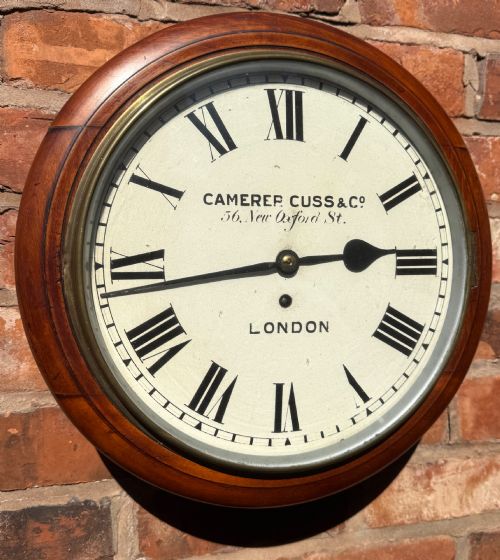
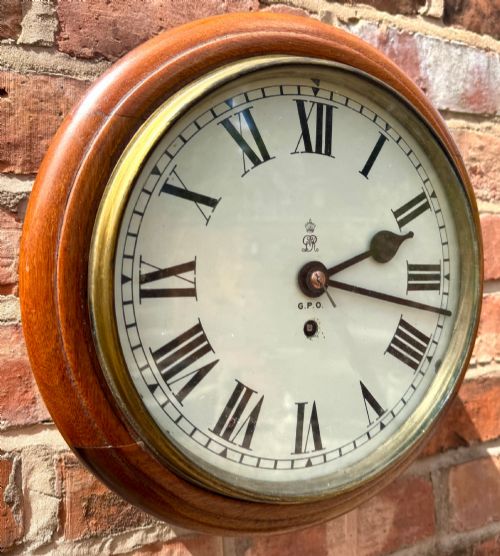


Single Chain Fusee
These single chain fusee clocks combine precise nineteenth century engineering with striking regional cabinetry, offering reliable timekeeping alongside exceptional period design.
Single Chain Fusee
A single chain fusee clock represents a pinnacle of mechanical timekeeping, utilising a conical pulley and chain to maintain even tension as the mainspring unwinds. When searching for single chain fusee pieces, collectors encounter robust wall dials alongside sculptural mantel clocks housed in varied timber and metal cases.
The pieces appearing on this page span the nineteenth century, incorporating Regency, Victorian, and later George V periods. Forms range from utilitarian British post office wall clocks to elaborate gilt bronze, slate, and mahogany mantel timepieces designed for the principal rooms of grand houses.
How They Were Made
Cabinetmakers constructed the housings using dense timbers like mahogany, rosewood, satinwood, and ebonised wood, often incorporating marquetry or carved details. Metalwork elements utilise bronze, brass, ormolu, and gilt bronze, frequently cast into elaborate figural or architectural motifs.
Dial construction typically combines painted iron or enamel with brass bezels and protective glass covers. The mechanical fusee movement relies upon finely linked steel chains paired with brass plates and gears assembled by specialist horologists.
Observed styles range across Regency, Victorian, George V, Rococo Revival, Egyptian Revival, and Empire designs.
What Varies in Quality
Quality diverges significantly between standard utilitarian timepieces and bespoke decorative works produced by eminent London makers. The sophistication of the case carving, the weight and gilding of the bronze mounts, and the crispness of the dial markings separate standard pieces from masterworks.
The integration of the movement within the housing dictates the overall refinement of the piece. Superior examples feature fully signed, numbered movements and complex architectural or figural cases using premium materials such as ormolu and exotic hardwoods.
Camerer Cuss And Co London·Barraud And Lund London·Payne London·Baetens London·Brockbank And Atkins London
The Single Chain Fusee Glossary
- Fusee
- A conical pulley used in clock movements to equalise the torque of the mainspring as it unwinds. This mechanism ensures consistent force is delivered to the escapement throughout the running period.
- Ormolu
- Finely ground high-carat gold mercury-gilded onto a bronze object. It provides a rich, enduring metallic lustre seen on decorative mounts and figural cases.
- Enamel
- A glassy substance fused to a metal substrate through firing, commonly utilised for clock dials. It creates a smooth, durable white surface for painted numerals.
- Patinated
- The surface appearance altered by age, wear, or chemical treatment applied to metals and woods. This finish enhances the visual depth of bronze and timber surfaces.
Single Chain Fusee: Frequently Asked Questions
How do single chain fusee clocks work?
The fusee mechanism uses a conical pulley connected to the mainspring via a fine steel chain. As the spring unwinds and loses power, the chain pulls higher up the wider part of the cone, maintaining constant tension on the gear train.
This clever geometric design prevents the timekeeping from slowing down as the power reserve depletes, ensuring high accuracy throughout the running cycle.
Where were these clocks placed historically?
Wall-mounted versions typically served practical administrative or public roles in offices, railway stations, and institutions. Mantel and library clocks occupied principal reception rooms, studies, and bedrooms in fine private residences.
Their varied scale allowed them to function both as grand decorative centerpieces on mantelpieces and as portable timekeepers for desks and side tables.
How should I care for a fusee movement?
These delicate mechanical movements require stable environmental conditions away from direct sunlight, excessive heat sources, and dampness. Professional servicing every few years ensures the chain and gear trains remain properly lubricated and free from dust.
When winding the clock, use the correct key and turn it smoothly without forcing the mechanism once full tension is reached.
How do I identify a Regency period piece?
Regency clocks often display classical revival motifs influenced by ancient Greek, Roman, and Egyptian architecture. Look for clean architectural lines, patinated bronze, gilt mounts, and classical figural elements.
Cabinetry from this era frequently employs rich timbers like Cuban mahogany and rosewood, sometimes paired with contrasting ormolu details.