


Silvered Metal Pendant
A silvered metal pendant offers distinctive industrial or classical illumination, catching ambient light through reflective metallic finishes that suit period and modern interiors alike.

Silvered Metal Pendant
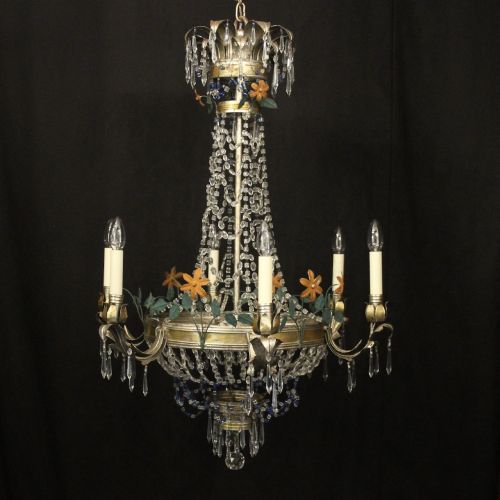
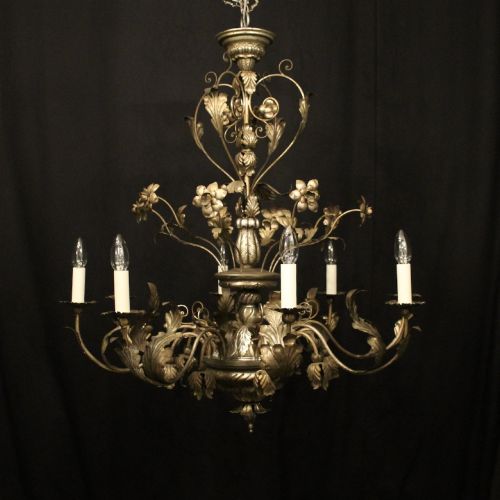
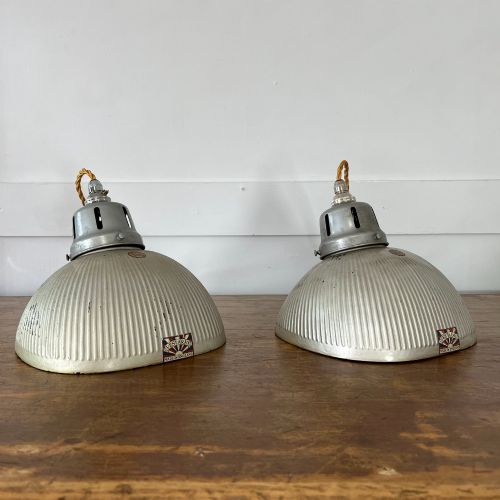
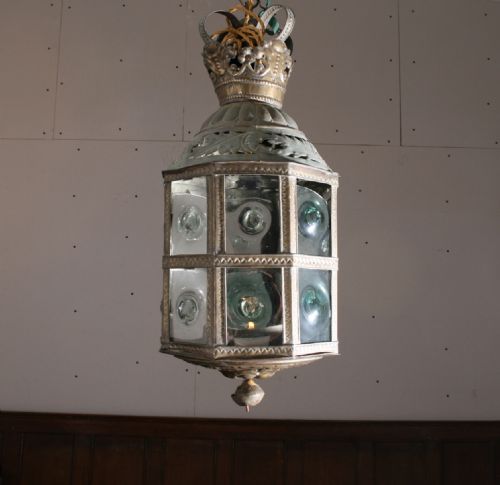
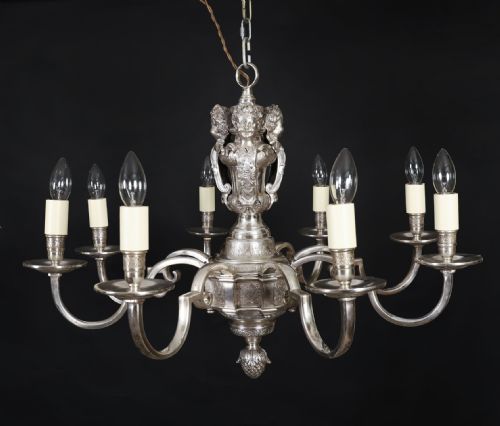
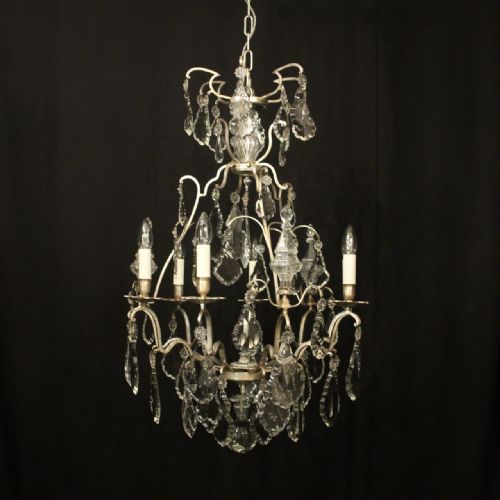
A silvered metal pendant represents a diverse group of hanging lighting fixtures and decorative objects found within this selection. These pieces span eras from the Victorian period through to 1930, encompassing styles such as Art Deco, Gothic Revival and French Neoclassical.
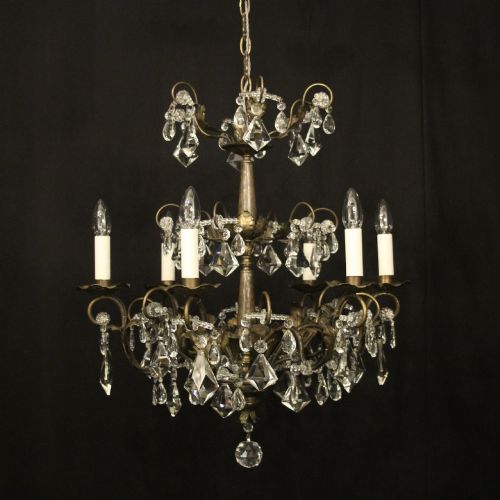
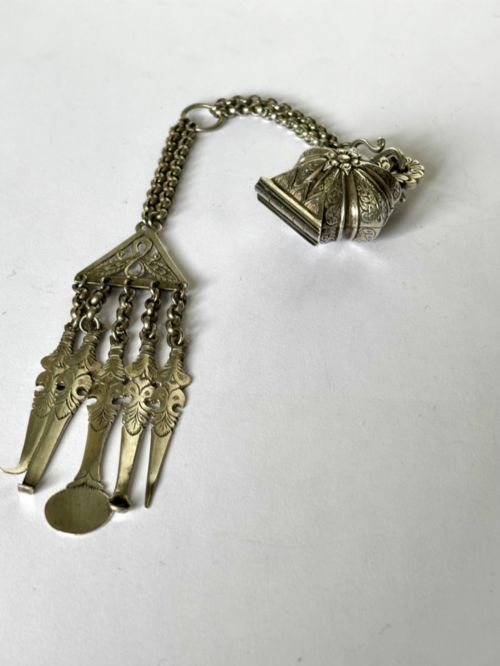
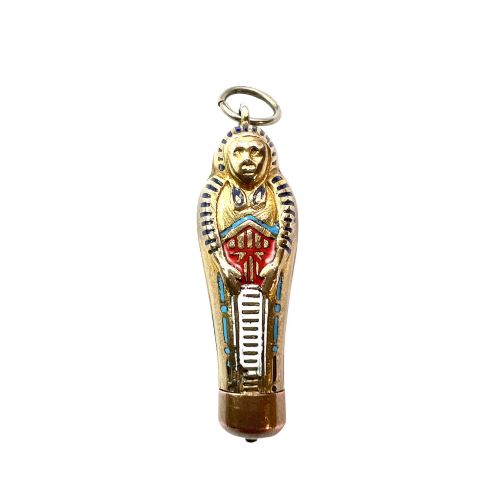
The most common forms on this page include ceiling lights, chandeliers and hanging lanterns alongside smaller novelty items like chatelaines and propelling pencil pendants. Materials range from brass and steel to silvered metal, glass and crystal.
Origins stretch across English, French and Italian workshops, displaying varied proportions from small single light hall lanterns to large fifteen light chandeliers.
Materials and construction methods
Construction relies upon durable base metals including brass, steel and bronze, often finished with silver plating or gilding to achieve a reflective surface. Glass and crystal components are frequently integrated into lanterns and chandeliers to diffuse light effectively.
Techniques range from hand blown bulls eye glass production to intricate metal casting seen in French and Italian chandeliers. Structural elements incorporate riveted or soldered joints designed to support the weight of multi branch frames and crystal drops.
An ancient Egyptian sarcophagus design moonlights as a tiny propelling pencil pendant, proving the Victorians loved dramatic stationery.
Assessing quality and craftsmanship
Quality reveals itself in the weight and thickness of the metal frame, alongside the clarity and cut of integrated glass or crystal elements. Superior examples display crisp casting details on bronze or brass mounts rather than soft, indistinct ornamentation.
The sophistication of the silvered or plated finish dictates longevity, with expert application ensuring an even lustre across complex surfaces. Original components, such as hand blown bulls eye glass panes, elevate the integrity of lanterns and pendant lights.
Wedgwood
The Silvered Metal Pendant Glossary
- Silvered metal
- A base metal treated with a silver coating to provide a bright, reflective exterior finish. This technique was utilised across various nineteenth and twentieth century lighting fixtures.
- Chatelaine
- A decorative belt hook worn in the Victorian era with suspended chains carrying everyday utility tools. Examples in this category house functional items like vinaigrettes and propelling pencils.
- Bulls eye glass
- A thick round pane of glass featuring a central circular distortion left by the glassblowing pontil mark. It appears frequently in nineteenth century lantern designs.
- Corona light
- A circular crown-like hanging light fixture, often associated with Gothic Revival ecclesiastical interiors. These fixtures suspend multiple candle or lamp points from a central ring.
- Vinaigrette
- A small ornamental box containing a sponge soaked in aromatic vinegar. These were suspended from chatelaines or carried as personal accessories during the Victorian period.
Silvered Metal Pendant: Frequently Asked Questions
How do I hang a heavy silvered metal pendant?
Suspension requires secure fixing to a ceiling joist or appropriate structural noggin using heavy duty fixings rated for the weight of the fixture. Multi branch chandeliers and large lanterns demand professional electrical installation to support both the physical load and the wiring safely.
Ensure the chain length is adjusted prior to final wiring so the pendant hangs at the correct height above furniture or walkways. Consulting an electrician ensures compliance with current safety standards for antique lighting.
What periods do these silvered metal pendants represent?
The pieces span from the nineteenth century and the Victorian era into early twentieth century designs from 1910, 1920 and 1930. Styles shift from Gothic Revival and French Neoclassical to Art Deco and Mid-Century Industrial forms.
Each period brings distinct manufacturing techniques, from hand blown glass lanterns to streamlined chrome chandeliers. Examining the structural metalwork and glass types helps identify the specific era of production.
Are these pendants wired for modern use?
Many antique fixtures retain older wiring systems and require rewiring by a qualified professional to meet contemporary electrical standards. Adapting the internal lamp holders allows the use of modern LED bulbs while preserving the exterior aesthetic.
An electrician can safely integrate the pendant into standard domestic circuits and check the structural integrity of internal wiring channels. This step ensures safe daily operation in a modern home.