
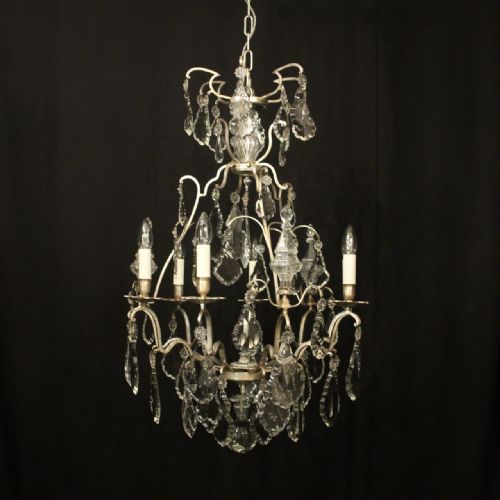


Antique Silver Ceiling Pendant
An antique silver ceiling pendant brings focused illumination and period character to a room, ranging from simple glass lanterns to grand multi-armed chandeliers.

Antique Silver Ceiling Pendant
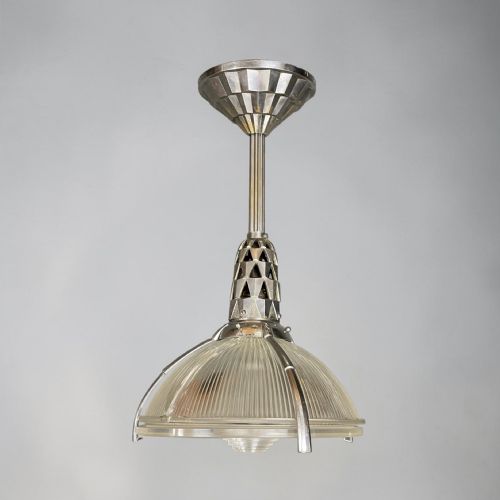
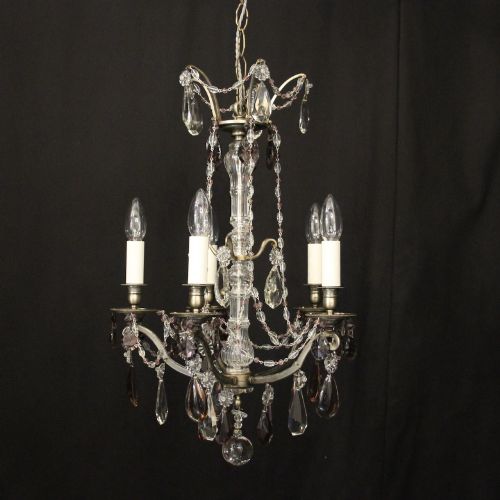
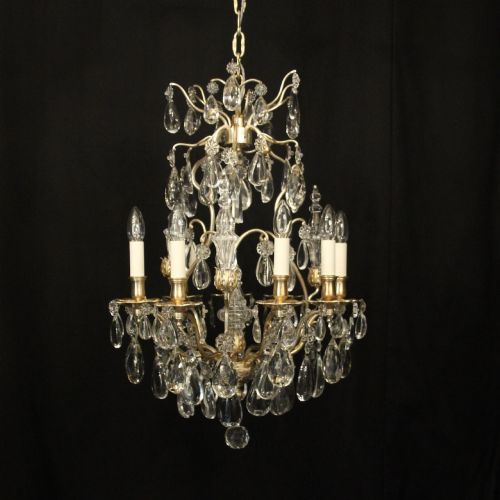
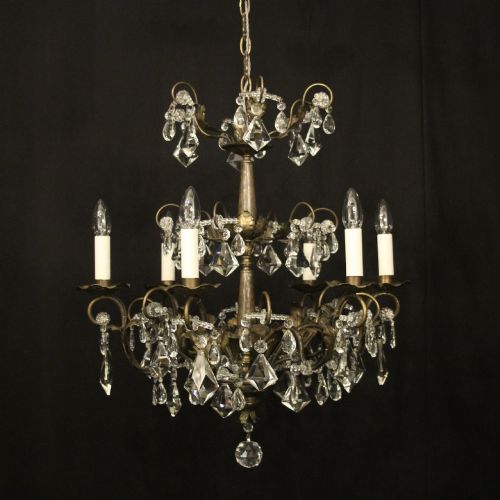
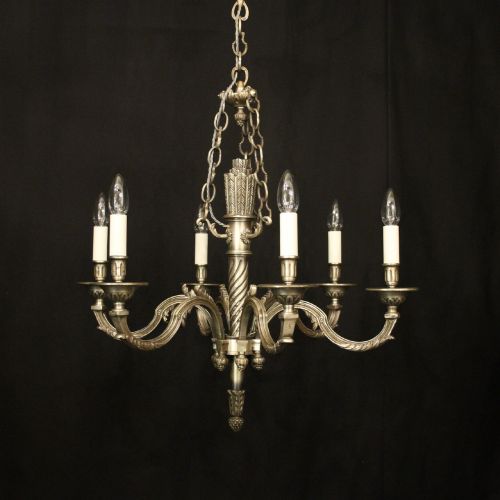
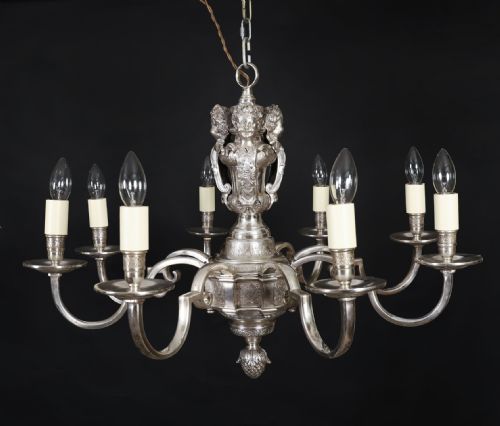
When searching for an antique silver ceiling pendant, buyers encounter a diverse mix of lighting forms spanning the nineteenth and early twentieth centuries. The selection encompasses elaborate French chandeliers, substantial hall lanterns, and single pendant lights designed to hang centrally from a room.
The most common examples on this page date from the Edwardian era through to the Art Deco period of the 1920s and 1930s. These pieces frequently originate from French workshops or English makers, showcasing styles that shift from ornate gilded bronze to streamlined geometric designs.
Object types vary widely between multi-light chandeliers, hanging lanterns enclosing candles or bulbs, and simpler pendant lighting configurations. Each form serves a distinct architectural purpose, whether illuminating a grand salon or casting light down a narrow hallway.
Materials and construction methods
Makers utilised a combination of cast metals, plated surfaces, and glass to construct these hanging fixtures. Bronze, brass, steel, and iron provide the structural frame, frequently enhanced with silver gilding, silver plating, or nickel finishes to achieve a bright metallic sheen.
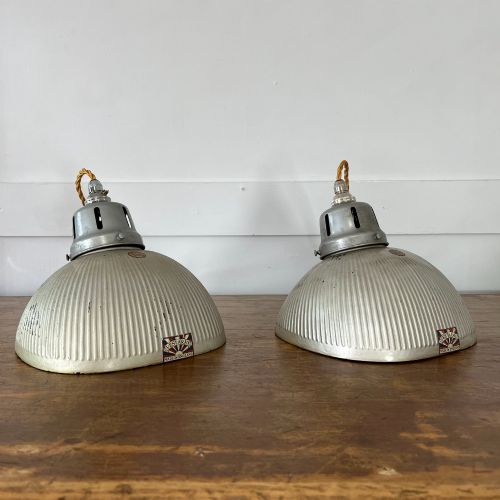
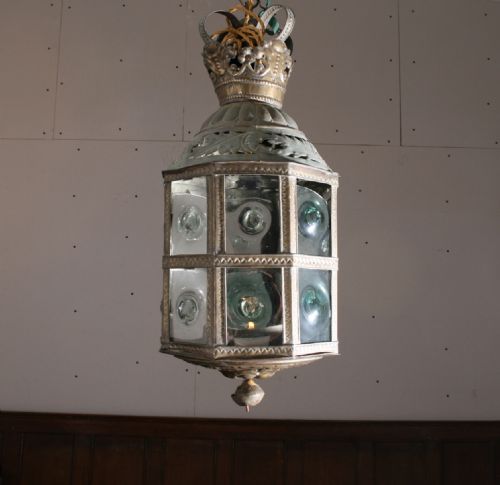
Transparent elements play a major role, incorporating hand-blown bulls-eye glass, mercury mirrored glass, and deep cut crystal drops. These glass components refract the internal light source, multiplying the illumination while adding texture and weight to the suspended fixture.
Billiard lights originally illuminated green baize tables, bringing intense downward focus that now suits modern kitchen islands splendidly.
Distinctions in execution and design
Quality separates fixtures by the crispness of metal casting and the depth of surface finishing. Pieces featuring hand-chased silver gilded bronze display sharper sculptural detail than simpler pressed metal alternatives.
The integration of glass components equally dictates the standard of a piece, with heavy hand-cut crystal prisms and blown bullseye panes representing superior craftsmanship over standard pressed glass panels.
Émile-Jacques Ruhlmann·F&C Osler·Wedgwood
The Antique Silver Ceiling Pendant Glossary
- Chandelier
- A branched ceiling-mounted lighting fixture designed to hold multiple bulbs or candles. They distribute light across a larger space and often incorporate hanging crystal drops.
- Silver Gilding
- A decorative technique applying a thin layer of silver leaf or powder to a bronze or wooden substrate. This imparts a lustrous metallic finish without the weight of solid silver.
- Bulls-eye Glass
- A circular pane of glass featuring a prominent raised centre left by the glassblowing pontil. It distorts light playfully and appears frequently in older lantern doors.
- Mercury Glass
- Double-walled blown glass coated on the interior with a silvering solution to create a reflective mirror effect. It gained popularity during the nineteenth century for decorative objects and lighting.
- Corona Light
- A circular crown-shaped hanging light fixture, often associated with ecclesiastical or Gothic revival interiors. It suspends horizontally from chains to hold candles or electric lamps.
Antique Silver Ceiling Pendant: Frequently Asked Questions
What rooms suit a hanging lantern best?
Hanging lanterns work particularly well in hallways, entryways, and stairwells where their enclosed frames direct light downward and withstand passing drafts. Their vertical proportions suit high ceilings and transitional spaces.
Placing a lantern above a dining table or in a porch creates an inviting focal point without overwhelming the spatial dimensions of the room.
How do I clean antique silver plated lighting?
Dust metal surfaces gently with a soft microfibre cloth to remove surface particles without abrasive friction. Avoid harsh chemical dips that strip away delicate silver plating or silver gilding.
Glass components can often be removed and washed in warm soapy water, provided they are dried thoroughly before reattachment to the metal frame.
How do I distinguish Edwardian from Art Deco lights?
Edwardian lighting draws upon historical revival styles, featuring elaborate cut glass, silver plating, and organic motifs reminiscent of earlier nineteenth-century aesthetics. These fixtures often feel traditional and ornate.
Art Deco pieces embrace geometric lines, steel frames, and streamlined forms typical of the 1920s and 1930s. They favour industrial materials and minimalist decoration over classical ornamentation.