

Classic French Ceiling Fixture
A classic french ceiling fixture brings architectural presence and ambient illumination to a room, ranging from gilded bronze lanterns to multi-armed crystal chandeliers.

Classic French Ceiling Fixture
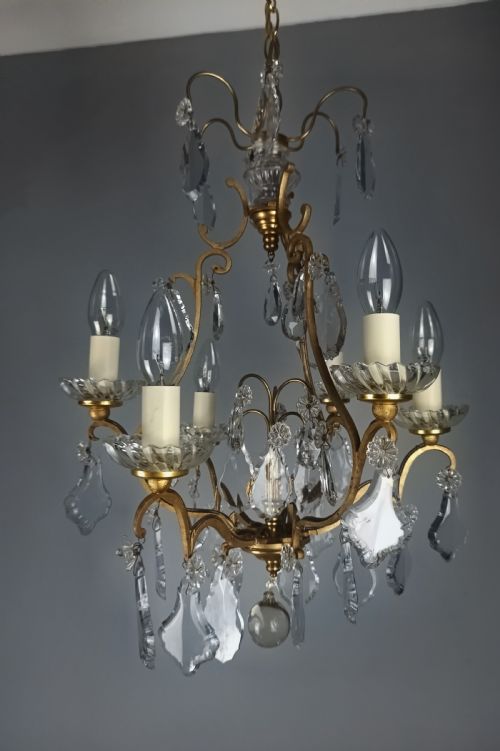
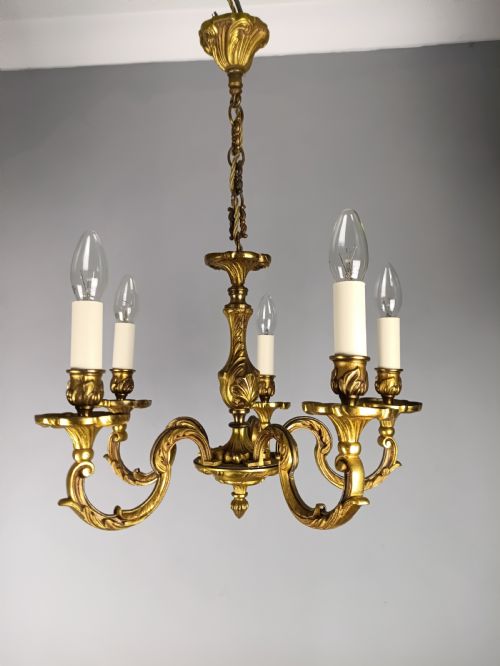
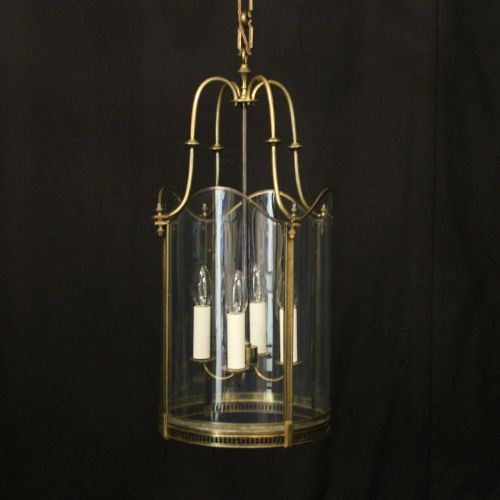
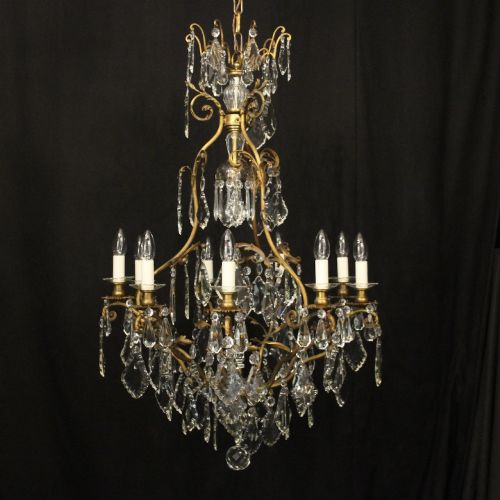
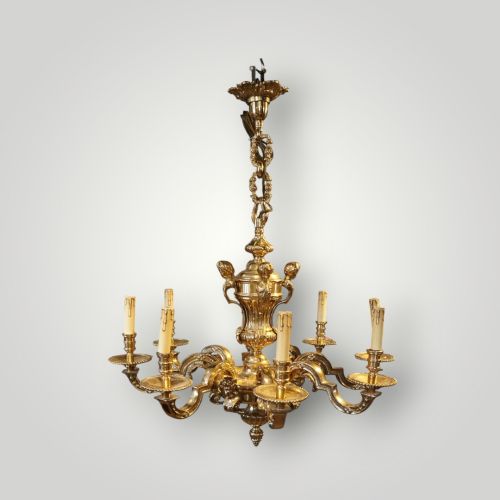
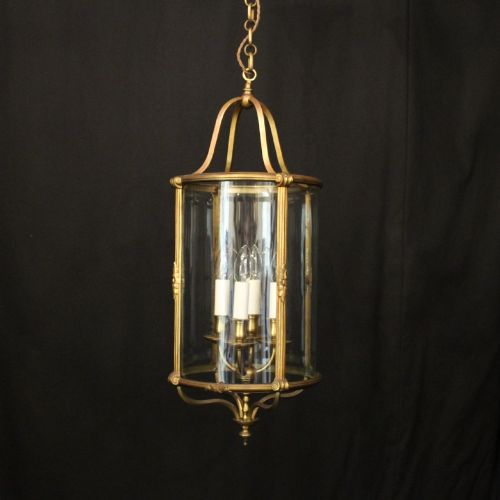
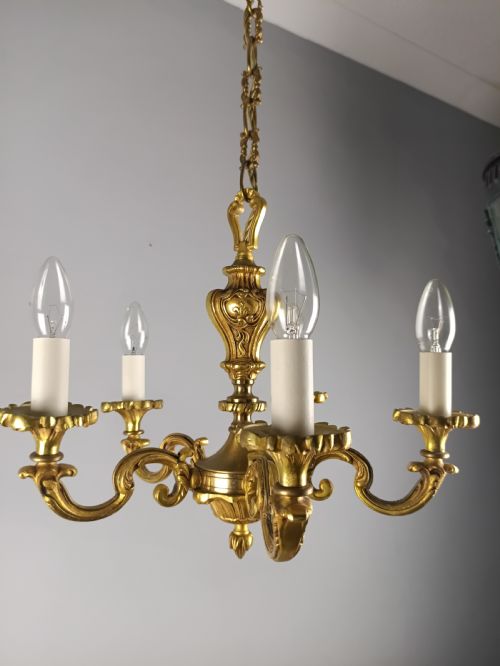
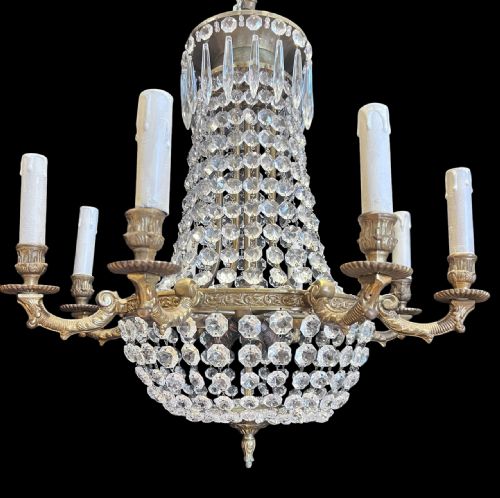
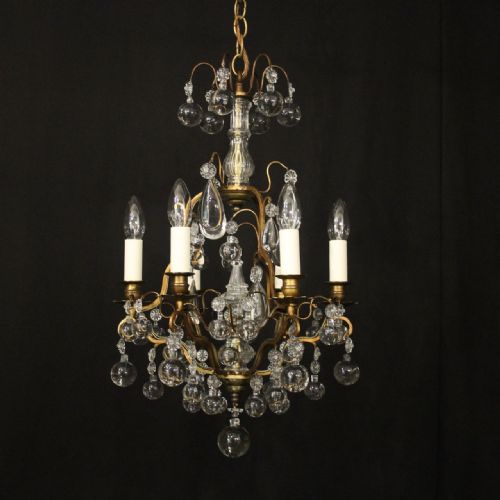
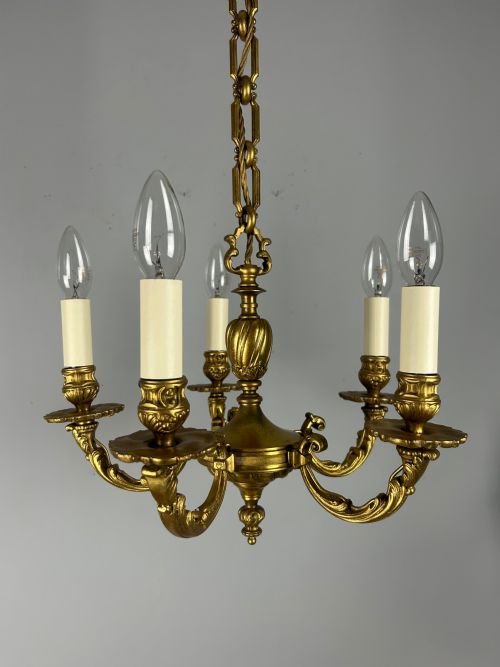
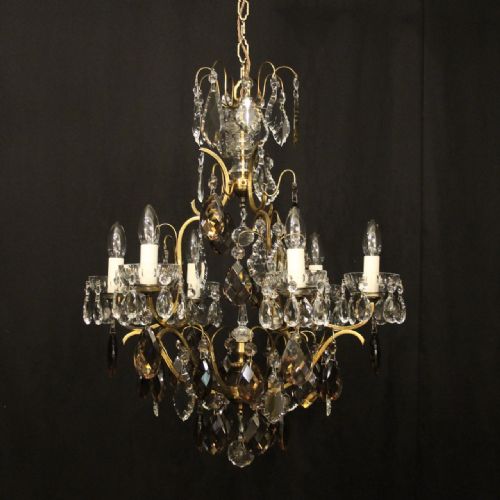
When you search for a classic french ceiling fixture, you encounter a curated selection of antique lighting predominantly spanning from the nineteenth century into the early decades of the twentieth century. These pieces encompass varied forms such as multi-light chandeliers, hanging hall lanterns, tent and waterfall structures, and bag chandeliers. The selections frequently reflect distinct design vocabularies including Empire, Rococo, Baroque, and Neoclassical styles.
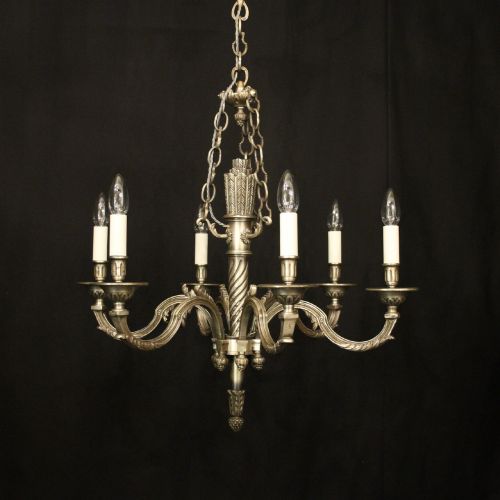
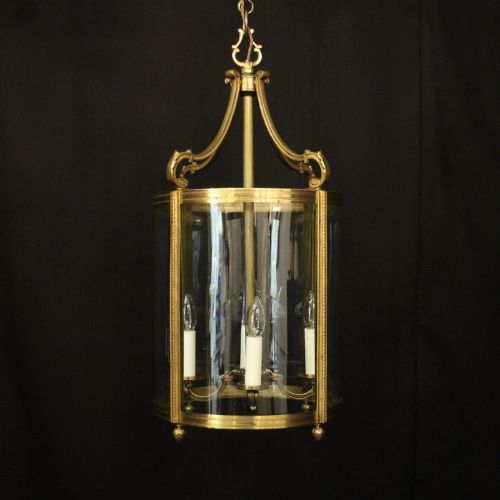
The most common examples on this page are multi-light chandeliers and hanging lanterns dating from the 1920s and 1930s, typically equipped to hold between four and twelve lights. These fixtures originate from French workshops and utilise traditional silhouettes such as the birdcage frame, convex hall lantern, and tiered crystal arrangements. Alongside standard brass and bronze models, silver-gilded and gilt-metal versions appear regularly.
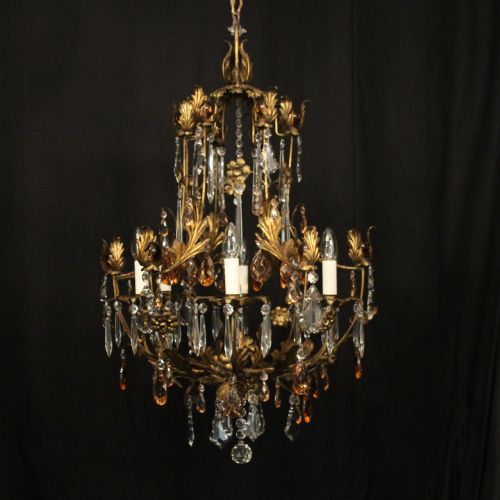
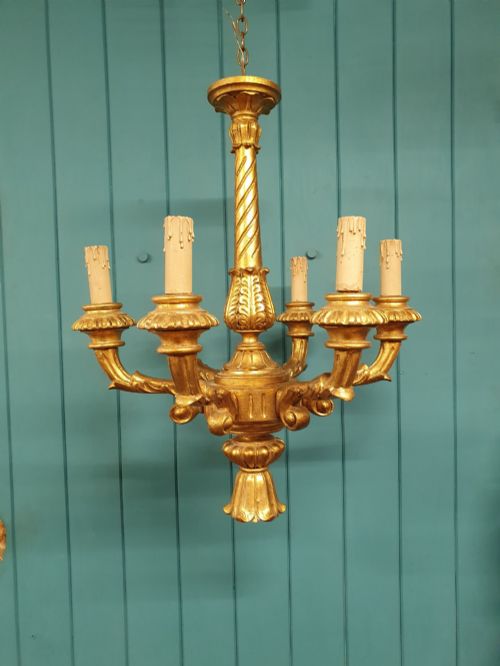
Buyers also encounter rarer iterations from the nineteenth century and the Edwardian period, which incorporate heavier cast elements like gesso, giltwood, and substantial cut glass. While the majority of listings adhere to French aesthetic traditions, occasional regional variations such as Italian Florentine and Bohemian crystal pieces enter the mix. Each object serves to anchor a room's decorative scheme through historical form and reflective illumination.
Materials and construction methods
Metalworking forms the structural backbone of these fixtures, utilising cast bronze, brass, steel, and gilt metal shaped into intricate arms, frames, and ceiling mounts. Artisans applied surface treatments such as gilding, silver gilding, and the use of gesso and giltwood to achieve rich metallic sheens. These durable metals support the weight of suspended decorative elements while defining the overarching silhouette.
Glass and crystal components are integrated extensively, ranging from cut glass pendants and beads to elaborate crystal drops and amethyst crystal accents. Workshops utilised pin-and-wire construction to suspend crystal prisms from metal armatures, creating the characteristic light dispersion associated with tent and waterfall chandeliers. Convex glass panels are fitted directly into brass and bronze framework for enclosed hall lanterns.
Some lanterns are so convex they double as subtle fish-eye mirrors for the hall.
Assessing quality and execution
The calibre of a fixture is determined largely by the crispness of its metal casting and the depth of its applied finish. Finer examples display sharp detailing in gilt bronze or cast brass mounts, whereas lesser pieces rely on simpler stamped or less defined metalwork. The quality of the gilding or silvering directly influences how the piece catches ambient light.
Material selection and assembly density separate standard production from exceptional work. Fixtures employing heavy cut glass, genuine crystal drops, and hand-fitted amethyst accents demonstrate superior material value compared to those using standard pressed glass. The structural integrity of the internal wiring channels and the weight of the primary metal frame also indicate the original tier of manufacture.
The Classic French Ceiling Fixture Glossary
- Chandelier
- A branched ornamental light fixture suspended from the ceiling. These pieces hold multiple light sources arranged across arms or tiers.
- Gilt bronze
- Bronze that has been coated with a thin layer of gold or gold-coloured leaf. This technique provides a durable, lustrous surface finish.
- Tent and waterfall
- A chandelier design featuring strings of beads gathered into a tent shape at the top cascading down into a wider skirt. This configuration maximises light refraction through dense crystal arrangements.
- Hall lantern
- An enclosed hanging light fixture designed specifically for corridors, vestibules, or entrance halls. They frequently feature convex glass panels held within a decorated metal frame.
- Bag chandelier
- A lighting form where glass drops are arranged in a bag-like contour beneath a flat upper crown. This compact profile suited lower ceiling heights in period interiors.
Classic French Ceiling Fixture: Frequently Asked Questions
How do I hang a heavy antique chandelier?
Suspended lighting of substantial weight requires direct attachment to a ceiling joist or structural noggin using a heavy-duty steel hook or bracket. The electrical supply box alone cannot support the load of cast bronze and crystal fixtures.
Professional installation by a qualified electrician ensures the weight is distributed safely and the antique chains or rods are secured properly at the correct height for the room.
What rooms suit a hanging lantern?
Hanging lanterns work effectively in entrance halls, stairwells, and corridors where vertical space allows an enclosed fixture to draw the eye upward. Their enclosed nature protects the internal light sources from drafts and dust in high-traffic passageways.
They also function well in smaller reception rooms or above kitchen islands when a compact downward focal point is preferred over a wide-armed chandelier.
How do I clean crystal components?
Routine maintenance involves dusting the glass and crystal drops gently with a soft feather duster or microfiber cloth while the fixture hangs in place. For deeper cleaning, individual crystals can be unclipped and washed in warm water with a mild detergent before drying thoroughly.
Harsh chemical sprays should be avoided to protect the underlying metal frames, especially on gilt bronze, silver-gilded, and painted surfaces.
Can I adjust the hanging height?
The overall drop of a fixture can typically be altered by adjusting the length of the suspension chain or the central hanging rod. Removing links from a brass or bronze chain allows the piece to sit higher within the room.
Any adjustments to wiring length inside the ceiling canopy should be performed by an electrician to maintain safety standards.